



The Importance of Cooling Breaks in Sports Amid Rising Heat Risks
The Importance of Cooling Breaks in Sports Amid Rising Heat Risks
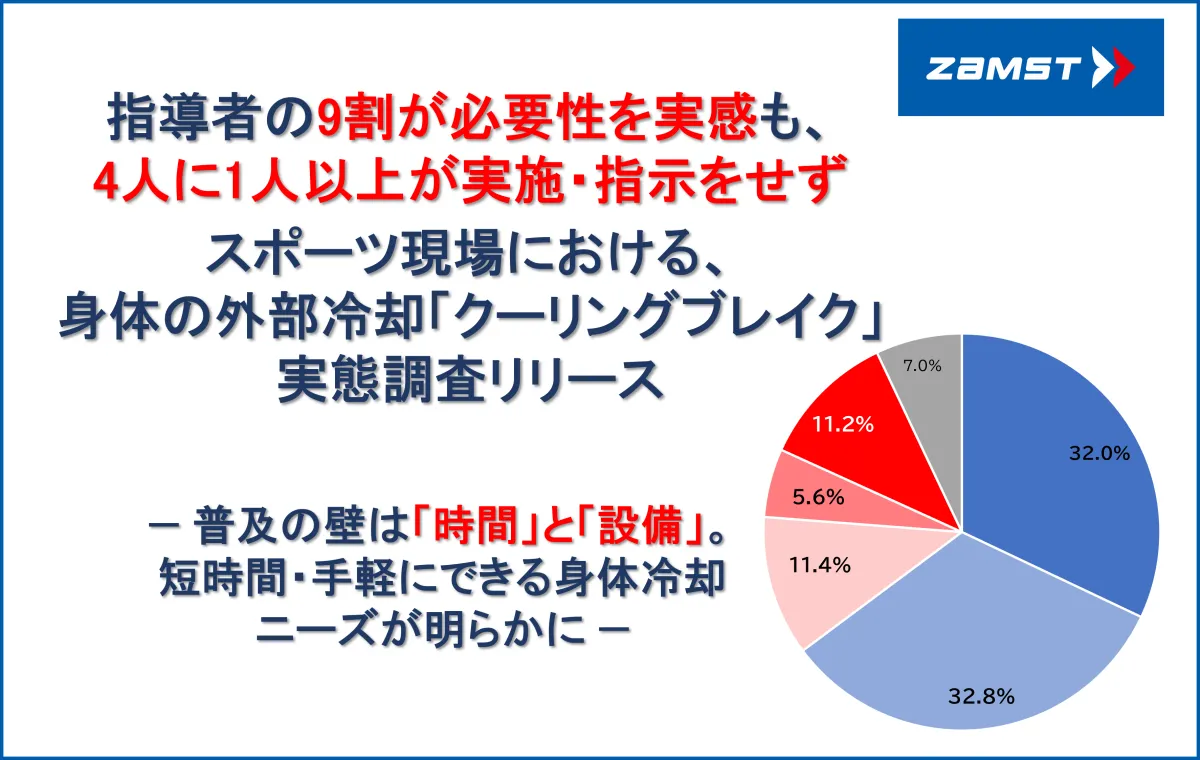
In light of the increasingly severe heat waves, a recent survey by Nippon Sigmax Co., under its sports support brand ZAMST, has highlighted a significant gap in the implementation of cooling breaks among sports coaches in Japan. As sports activities continue amidst these harsh conditions, the need for body cooling has never been more pressing.
Survey Context and Purpose
The survey aimed to investigate the current status and challenges related to cooling breaks—defined as periods during which athletes cool their bodies, particularly from external sources. This initiative comes as the Japan Meteorological Agency recognizes the onset of temperatures exceeding 40°C as a new standard for extreme heat days, which poses serious risks during sports competitions. Previous records indicate that in 2025, over 100,000 individuals were hospitalized due to heatstroke, marking a significant concern for educators and sports professionals alike.
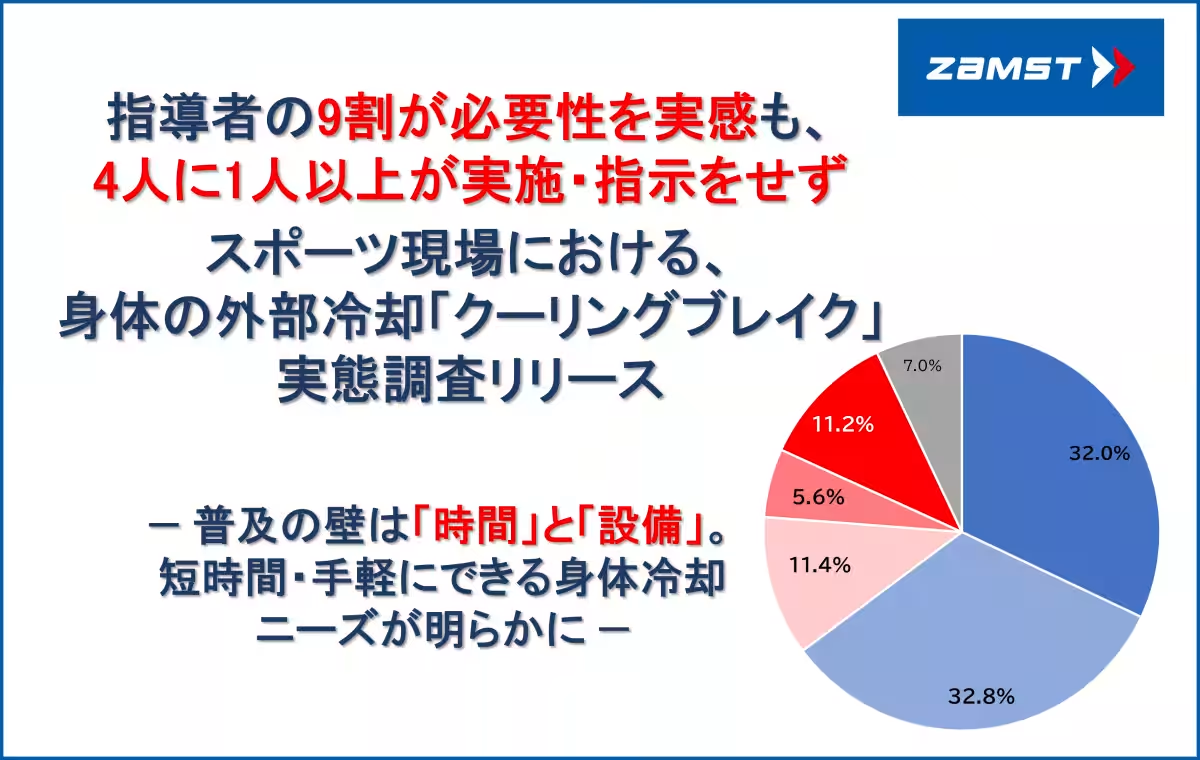
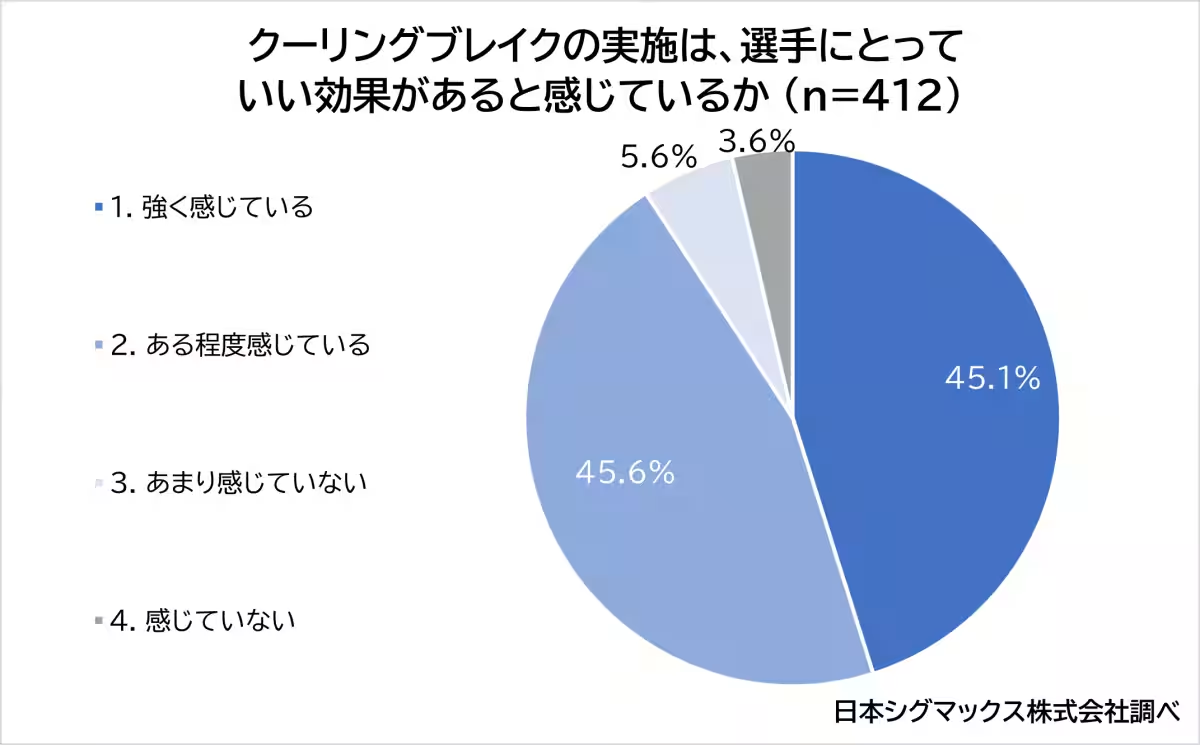
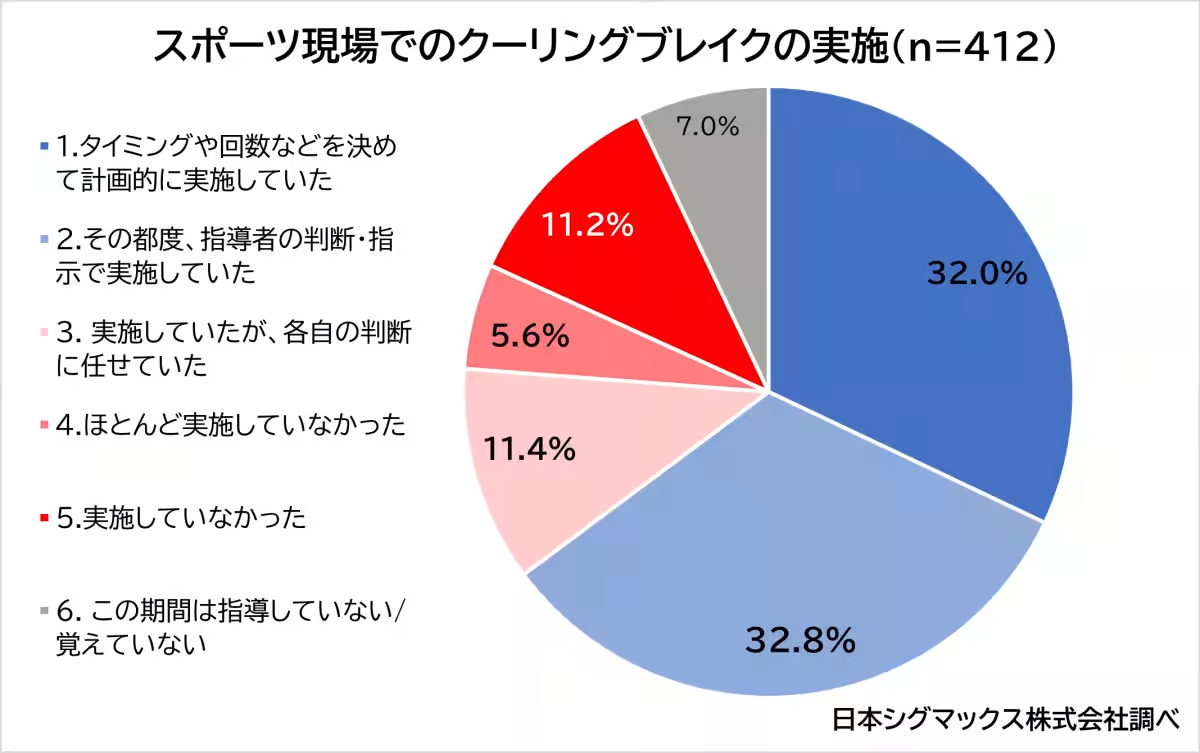
Conducted among 412 coaches involved with school clubs and sports teams, the survey aimed to understand their practices concerning cooling breaks. It was found that while an overwhelming 90.7% recognize the effects and importance of external cooling, over 28% reported either not implementing or instructing these breaks for their athletes.
Findings of the Survey
The results unveiled critical insights into current practices:
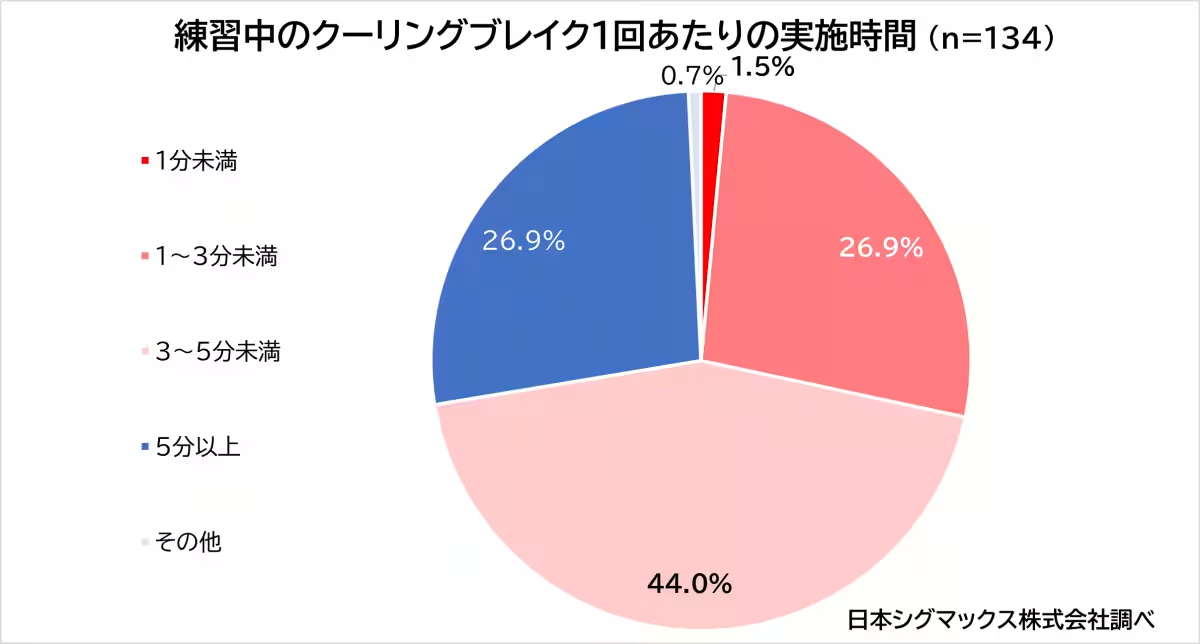
- - Among outdoor sports coaches, only a small fraction (less than 30%) implement cooling breaks for longer than five minutes.
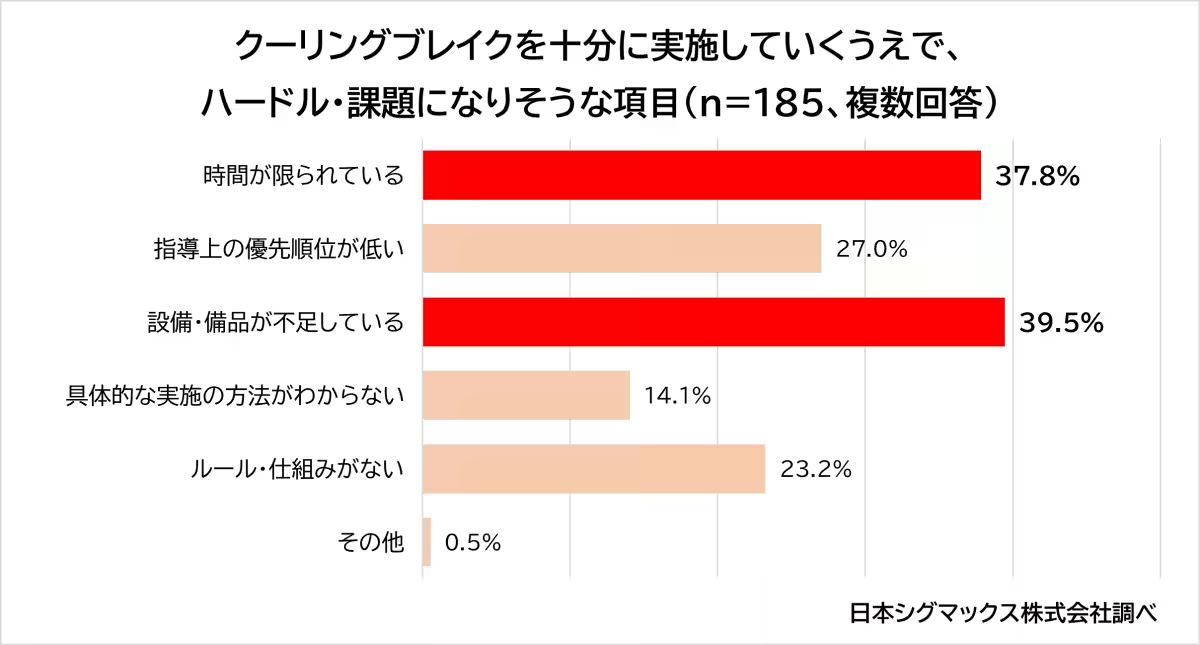
- - Most coaches reported significant barriers to effectively conducting these breaks, with 39.5% citing a lack of equipment and 37.8% noting time constraints as major issues.
These results underscore a dissonance between knowledge and action, highlighting the urgent need to bolster awareness and resources for effective cooling strategies.
Challenges in Implementation
Despite the recognized benefits—such as reducing heatstroke risks (75.1%), easing fatigue (56.7%), and enhancing focus and performance—practical barriers hinder the effectiveness of cooling breaks. Many coaches find themselves limited by inadequate facilities or equipment, complicating their ability to cool athletes efficiently.
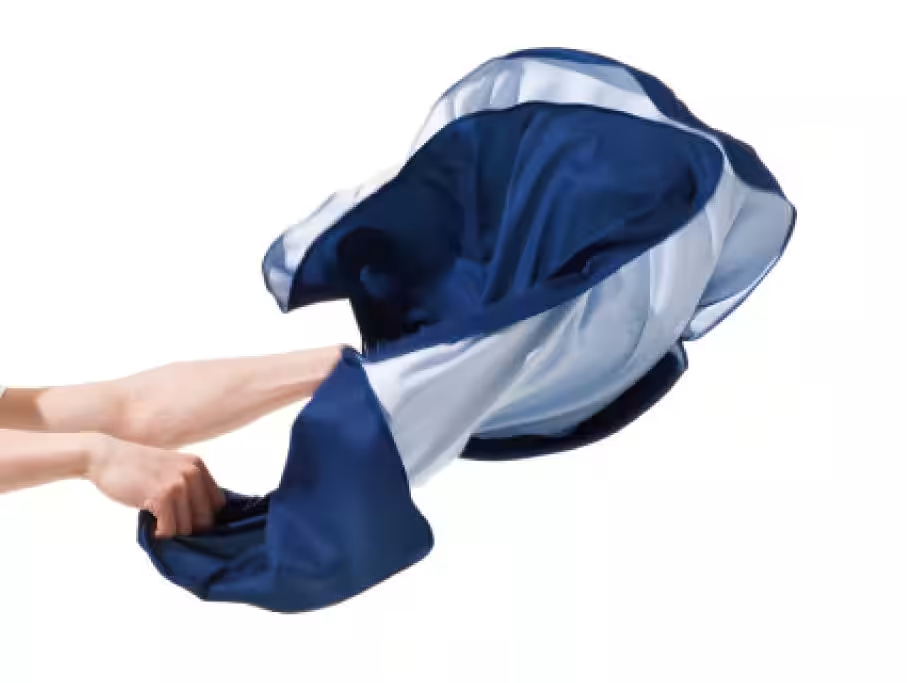
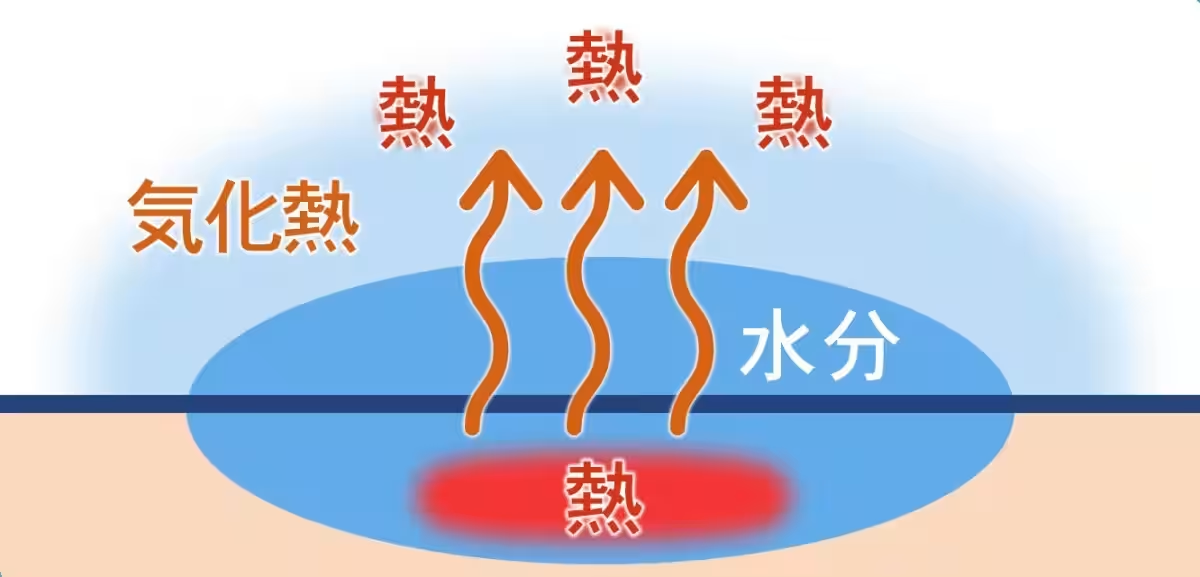
This situation is particularly critical for outdoor sports, where access to cooling technology is often restricted and conditions can be harsh. Consequently, there is a growing request for easy-to-deploy solutions that do not rely on extensive equipment or infrastructure. For instance, accessories that offer cooling through simple methods like soaking and wringing can significantly alleviate heat effects without requiring complex setups.
Expert Insights
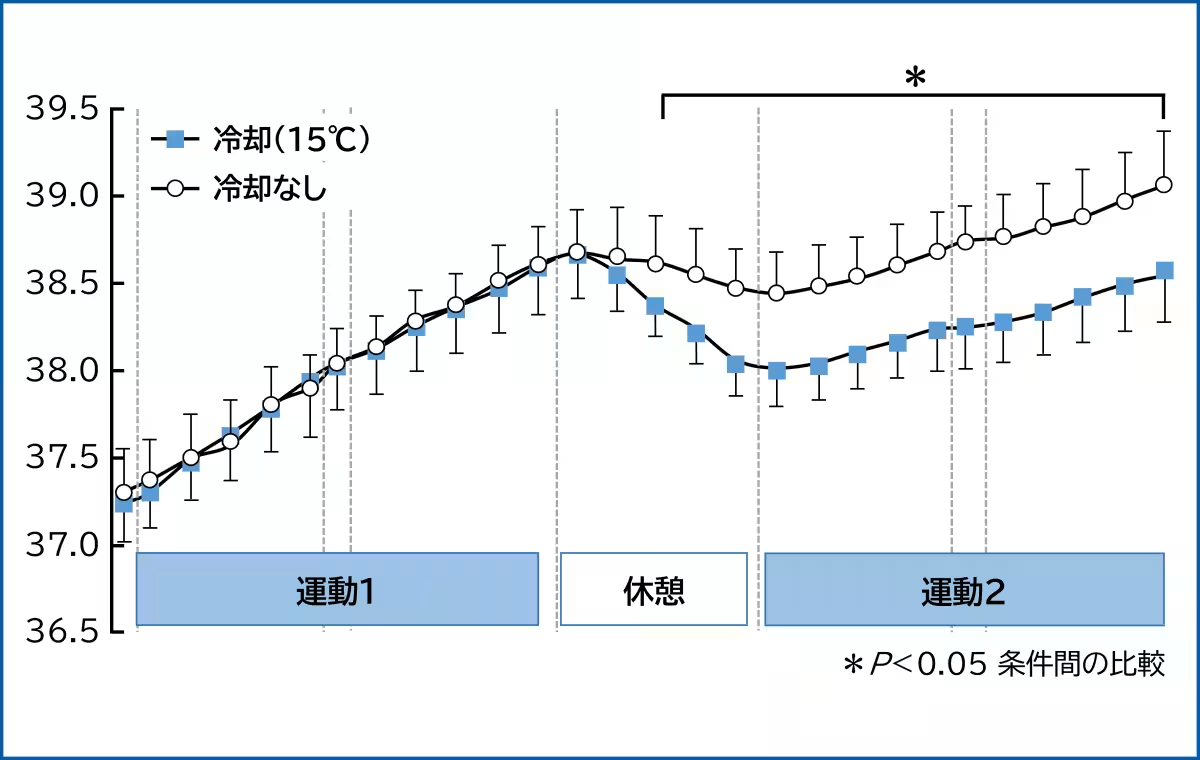
Dr. Masahiko Saito from Funabashi Orthopedic Hospital emphasizes the significance of integrating cooling practices not only during exercises but also before and after sporting events. Proper temperature control can prevent heat-related illnesses and improve athletic performance. He also highlights the accessibility of cooling products, which can be easily incorporated into training regimens.
The survey examined the responses from a range of coaches, with most supporting the idea of implementing such breaks but feeling unprepared to execute them effectively without requisite tools and time.
The Path Forward
To combat heat-related risks in sports, introducing cooling breaks as a mandatory practice is crucial. Enhanced education on the risks of heat and the benefits of cooling breaks could elevate standards for athlete safety during competitions. With critical insights from the survey and expert feedback, sports organizations can foster better practices moving forward.
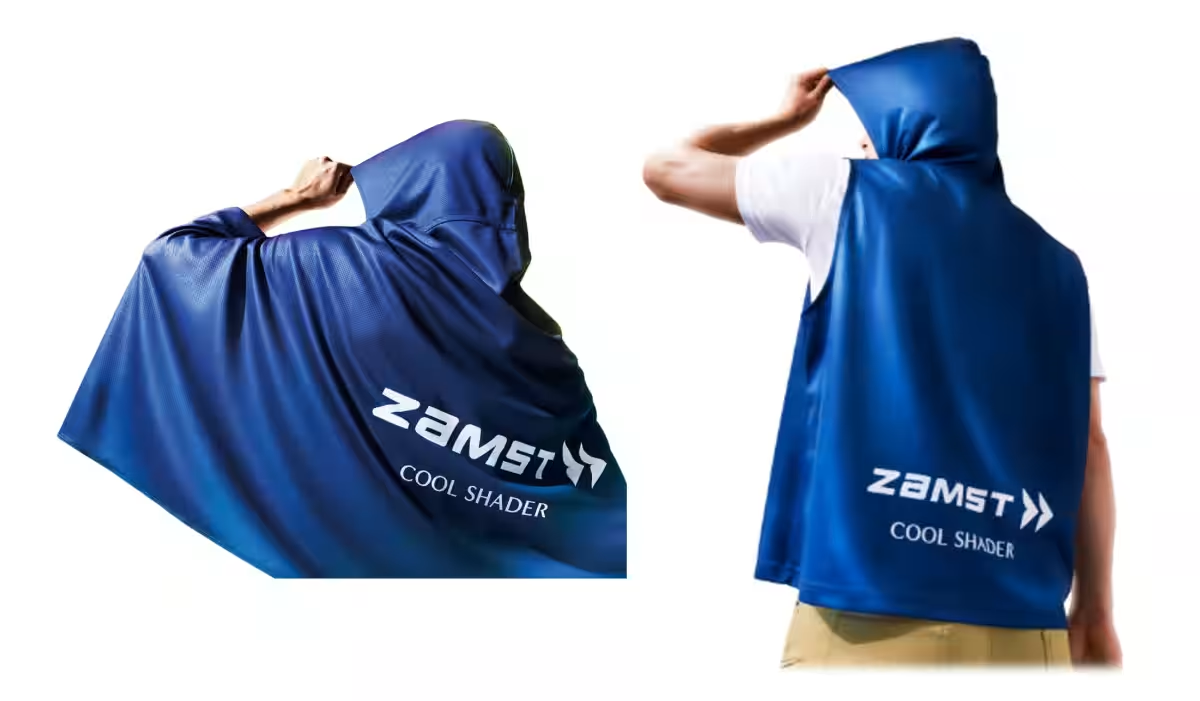
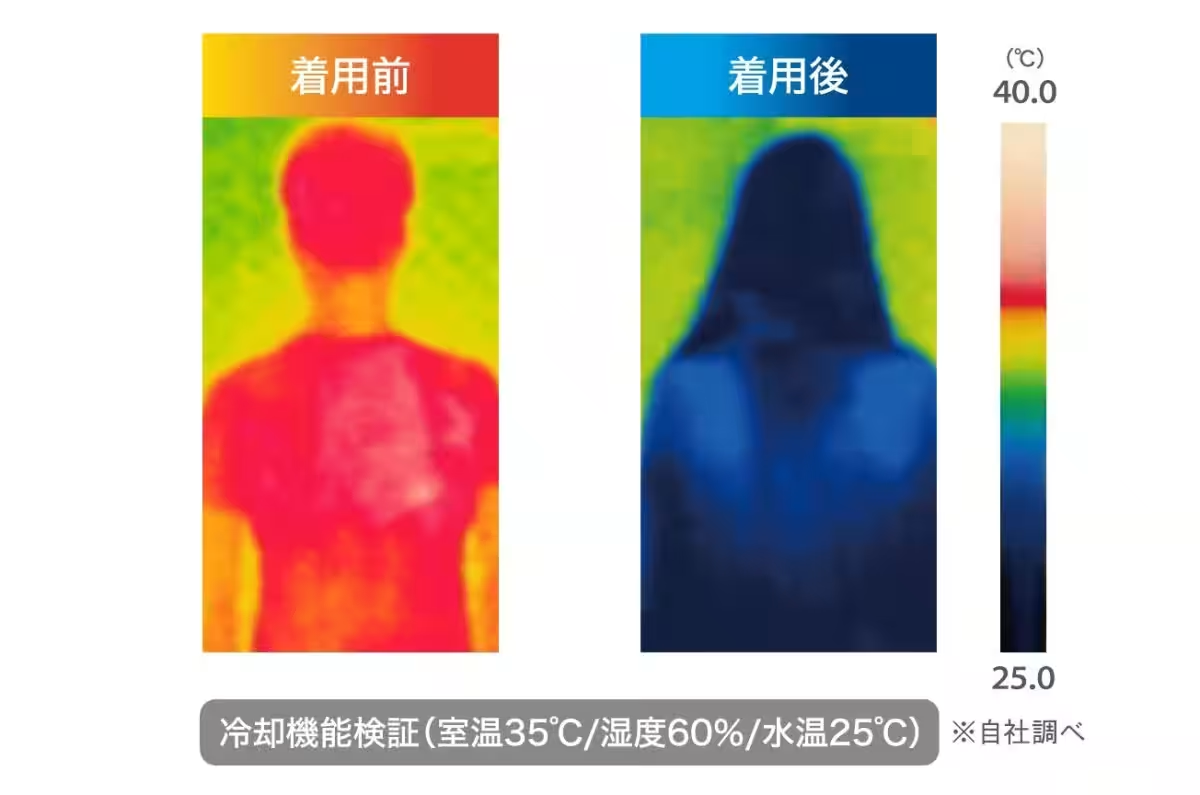
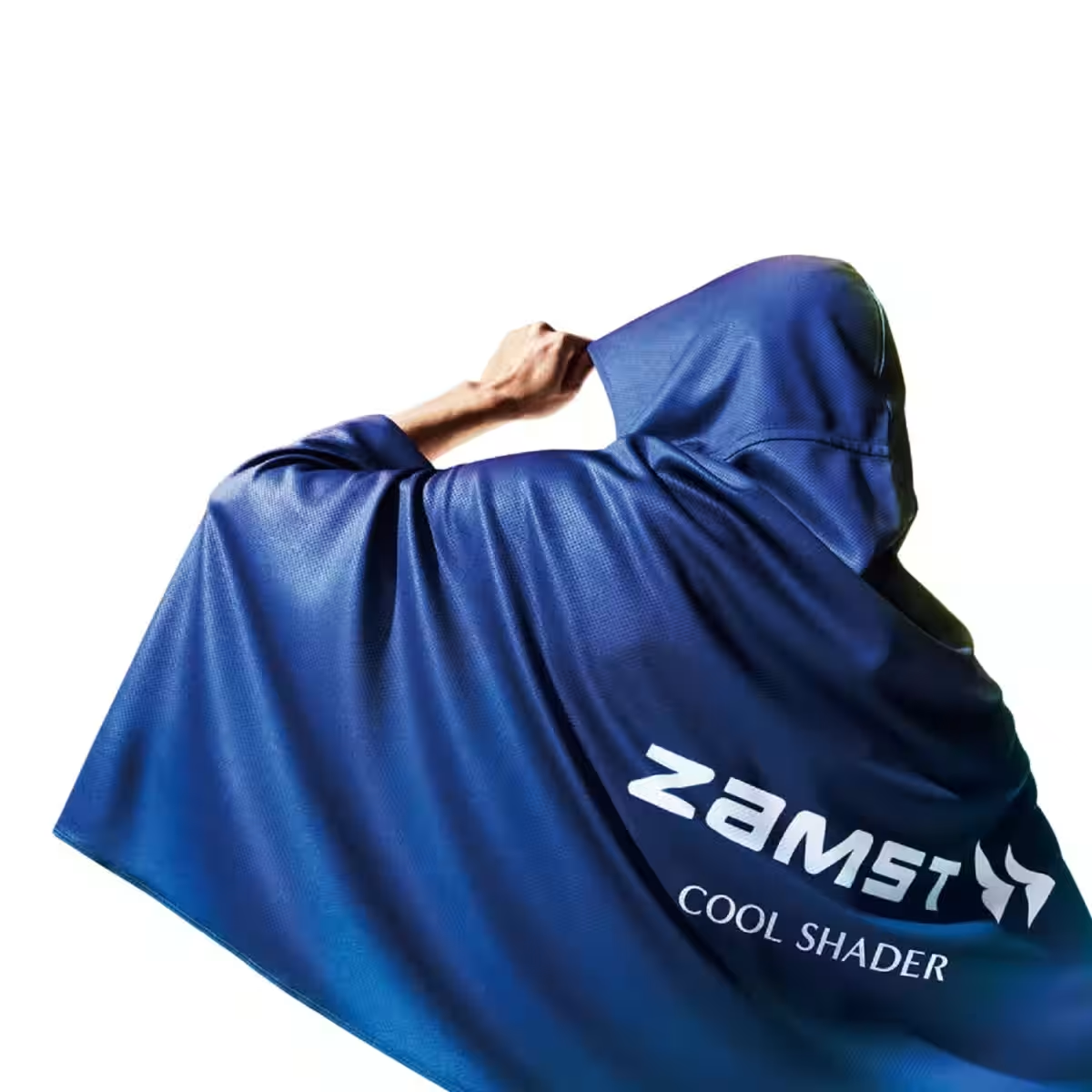
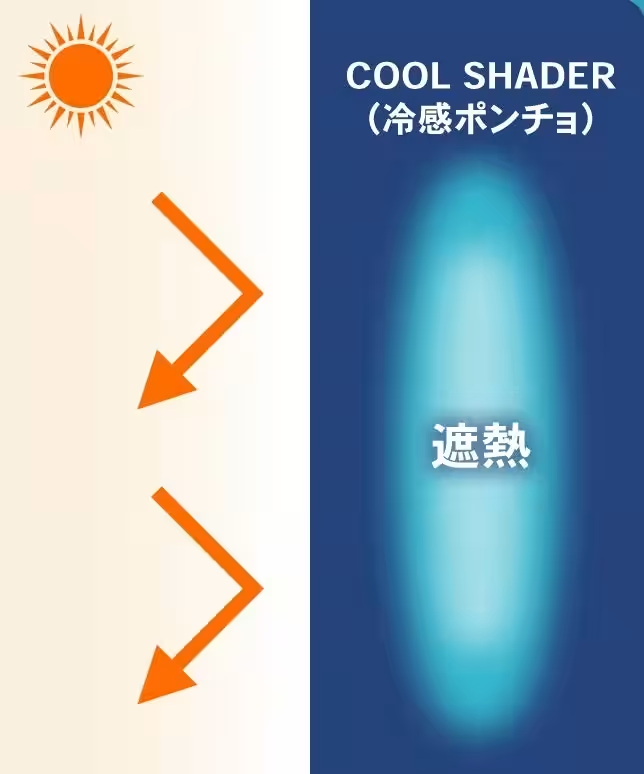
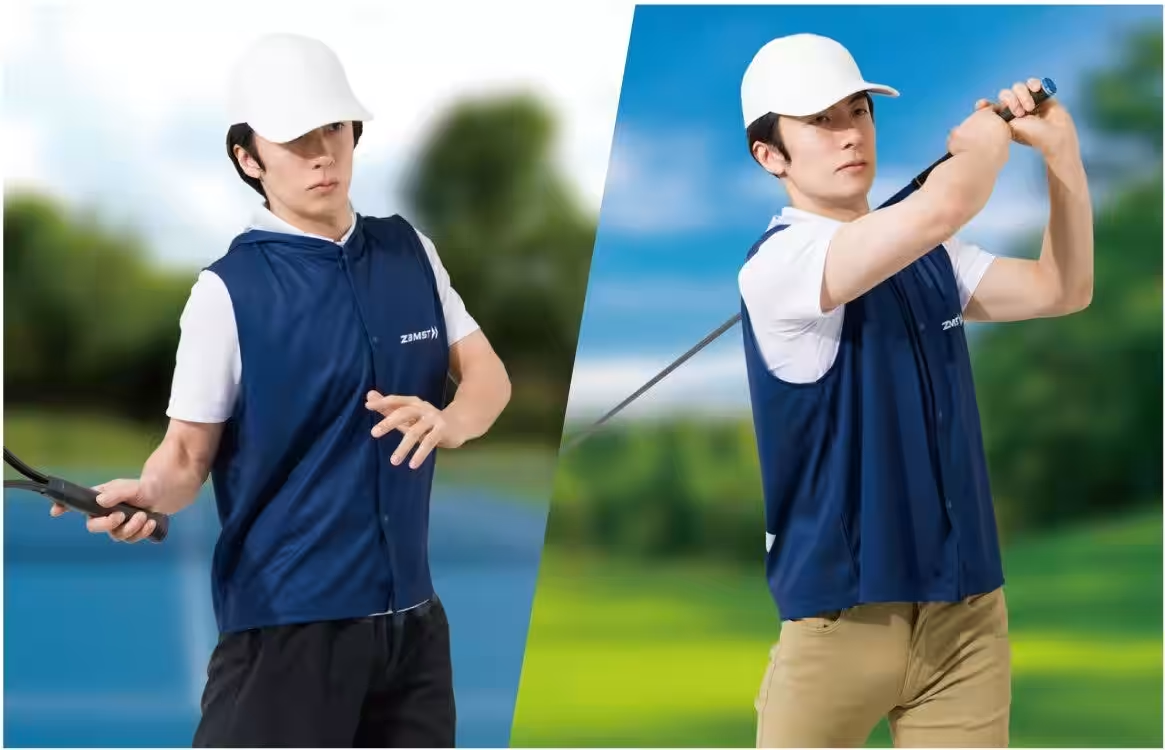
Additionally, ZAMST's introduction of their cooling poncho, the "ZAMST COOL SHADER," represents innovation in this area, providing a simple yet effective way to achieve immediate cooling for athletes during training and events.
Conclusion
As extreme weather conditions become a norm, sports professionals must lean into science-backed practices that prioritize the safety and performance of their athletes. The awareness of cooling breaks represents just the start of improving sports practice standards against the backdrop of climate change. Continuing to bridge the gap between knowledge and implementation is essential for safeguarding athlete health.
For further details on the survey, please contact the management planning department of Nippon Sigmax Co., or stay updated through ZAMST platforms.
- ---
- - Founded: June 1, 1973
- - Head Office: Shinjuku, Tokyo
- - CEO: Yosuke Suzuki
- - Employee Count: 246
- - Sales: ¥14.37 billion (Fiscal Year 2025)



Topics Sports)




【About Using Articles】
You can freely use the title and article content by linking to the page where the article is posted.
※ Images cannot be used.
【About Links】
Links are free to use.