



How Lifestyle and Nutrition Challenges Impact Children's Growth: Insights from Educators and Medical Professionals
Understanding the Impact of Lifestyle Changes on Children's Growth
Recent studies highlight significant concerns regarding the effects of modern lifestyles and dietary habits on children's health and growth. Conducted by 3A Life Inc., these findings shed light on the increasing challenges faced within educational and medical settings due to these changes. The survey included insights from over 1,000 participants, comprising both educators and healthcare professionals, who provided their perspectives on children's habits and health status.
Shift in Daily Routines
Children's routines have evolved dramatically over the years. Factors such as after-school tutoring, increasing smartphone usage, and changes in family eating habits have led to significant alterations in dietary practices and lifestyles. Those involved in the education and healthcare sectors are particularly concerned about how these trends impact children’s growth and development.
Key Findings from Educators
Educators provided insights into what they perceive as growing concerns regarding children's lifestyle habits. The survey revealed the following trends:
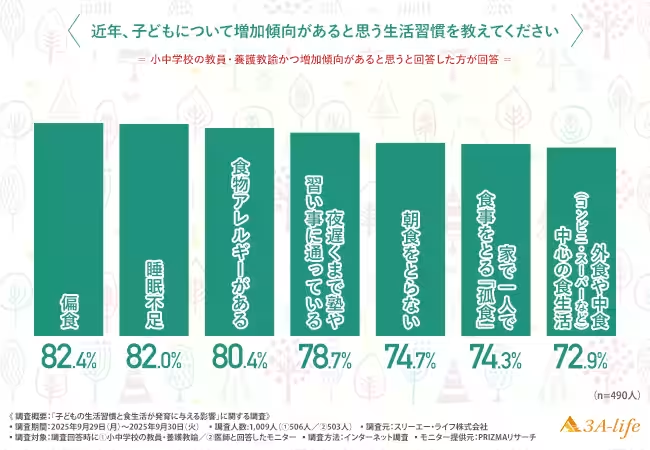
- - Picky Eating: 82.4% of educators noted an increase in picky eating behaviors among children.
- - Food Allergies: 80.4% observed a rise in children with food allergies.
- - Skipping Breakfast: 74.7% indicated a trend in children skipping breakfast.
- - Increased Eating Out: 72.9% believed there was a growing reliance on fast food or convenience meals.
- - Eating Alone: 74.3% reported a rise in 'lonely meals,' where children eat alone at home.
- - Late Night Activities: 78.7% noted that children are attending extracurricular activities late into the night.
- - Sleep Deprivation: 82% observed a significant increase in sleep deprivation among children.
These findings point towards deep-rooted concerns regarding nutritional balance and the overall health of children, with over 80% of educators noting specific behaviors that could adversely affect children's physical development.
Implications for Health and Behavior
When asked about the negative impact of these lifestyle changes on children's behavior, the educators reported:
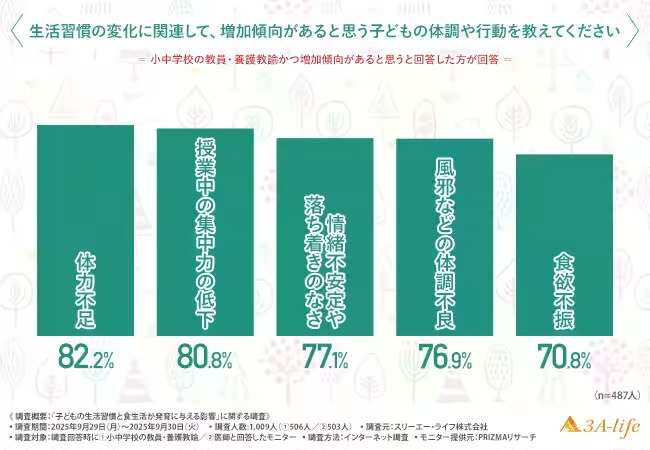
- - Declining Concentration: 80.8% noted a decrease in concentration during classes.
- - Physical Weakness: 82.2% observed a lack of physical strength.
- - Increased Illness: 76.9% reported more instances of children falling ill.
- - Emotional Instability: 77.1% noted increased emotional instability among students.
- - Loss of Appetite: 70.8% reported incidences of decreased appetite.
These trends signal troubling patterns that could hinder children's academic performance and overall well-being. As educators express concern over these issues, the relationship between lifestyle choices and children's health becomes increasingly evident.
Parents’ Perspective
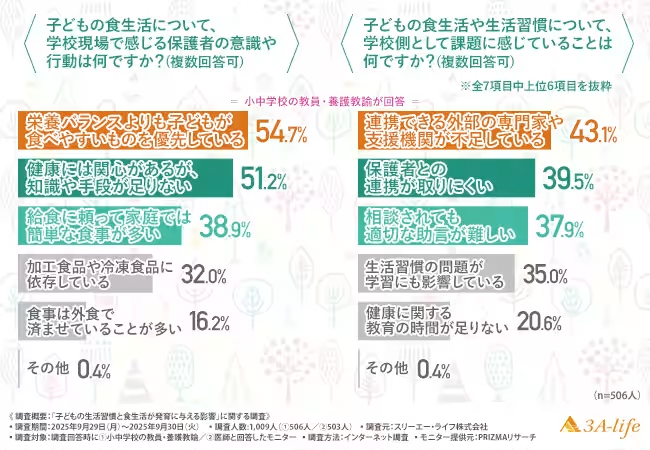
The survey also examined parental perspectives regarding children's eating habits. Educators observed:
- - 54.7% of parents prioritize easy-to-eat options over nutritional balance.
- - 51.2% recognized that while parents care about health, they often lack the knowledge or means to provide nutritious meals.
- - 38.9% indicated that many families rely on school lunches for nutrition, leading to less nutritional density at home.
This focus on convenience suggests a broader challenge of maintaining a healthy diet amidst busy lifestyles, which may result in children receiving inadequate nutrition at home.
Healthcare Providers’ Insights
From a healthcare perspective, doctors were asked about factors adversely affecting children's growth, noting concerning habits:
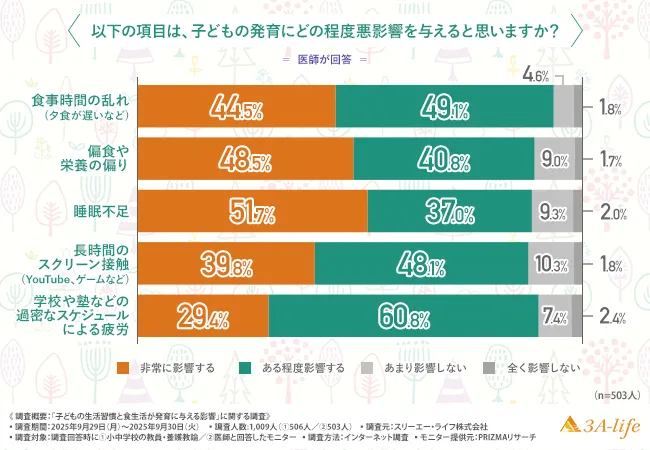
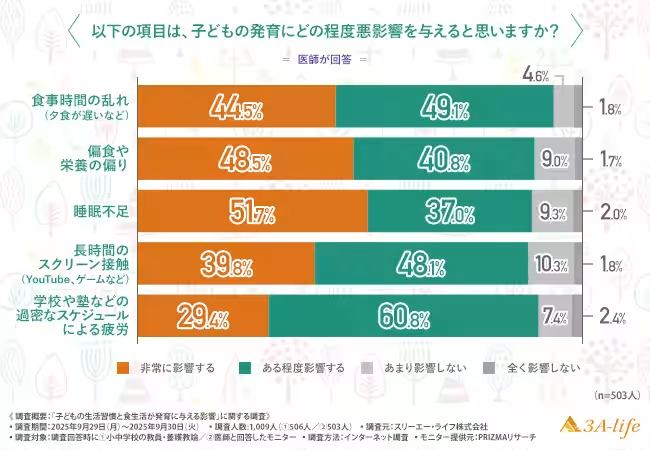
- - Irregular meal timings: 93.6% recognized the significant negative impact of late meals.
- - Poor dietary choices: 89.3% emphasized the consequences of picky eating.
- - Lack of sleep: 88.7% reported that sleep deprivation severely impacts growth.
- - Increased screen time: 87.9% noted the negative effects of excessive screen usage.
- - Over-scheduling: 90.2% expressed concern over children being overly scheduled with activities.
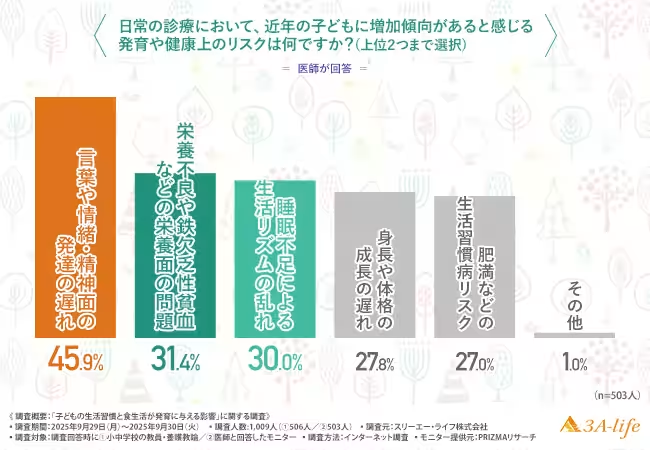
Doctors strongly believe that addressing these factors is critical for foster proper growth in children. The rising prevalence of issues such as emotional disturbances and nutritional deficiencies are becoming evident in clinical settings.
The Role of Nutritional Supplements
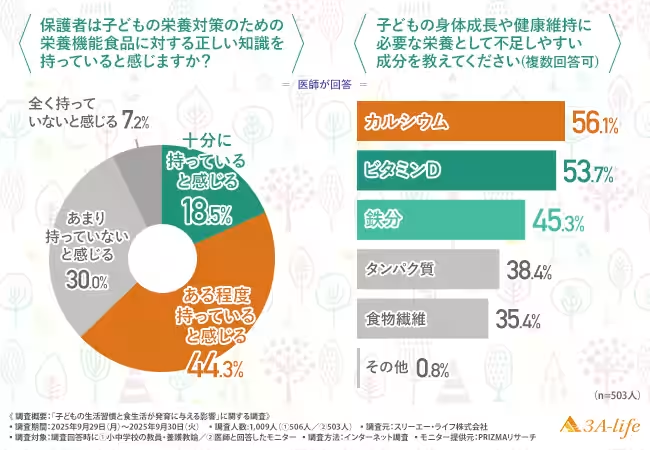
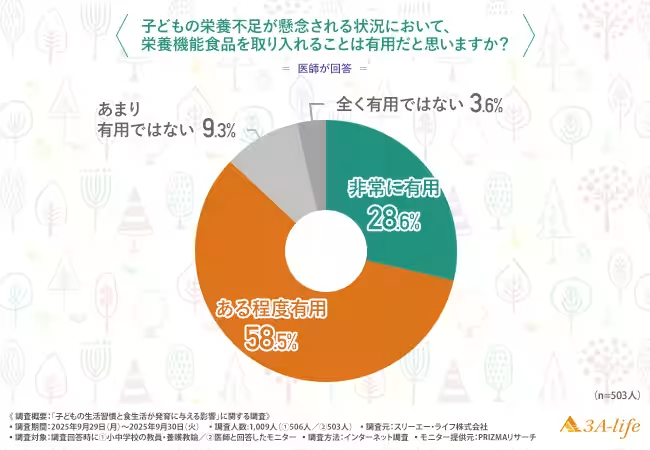
Despite the evident challenges, a surprising takeaway from the survey was the perception of nutritional supplements. Nearly 90% of physicians felt that nutritional supplements could help address dietary gaps in children's diets, particularly in essential nutrients like calcium, vitamin D, and iron.
For example, 3A Life Inc. offers a product called “Senobiru,” designed to support children’s growth with essential vitamins and minerals. This supplement aims to provide necessary nutrients that are often lacking in children’s diets due to poor eating habits. Providing educational resources for parents on the importance of nutrition can empower them to make informed choices.
Conclusion
The current data illustrates a troubling landscape regarding children’s health, emphasizing the need for strategic intervention. The combination of dietary neglect and poor lifestyle choices creates a precarious situation for children’s growth and development. Both educators and healthcare providers highlight the need for comprehensive initiatives supportive of children's health through education and accessible nutritional resources.
By addressing these challenges with effective strategies, we can foster healthier environments for children, ensuring a brighter future. Parents, educators, and healthcare professionals must collaborate to tackle these pressing issues, ultimately enhancing the well-being of our youngest generations.



Topics Health)
【About Using Articles】
You can freely use the title and article content by linking to the page where the article is posted.
※ Images cannot be used.
【About Links】
Links are free to use.