



Exploring the Transformative Power of Art Thinking in the AI Era
The Impact of Art Thinking in the Age of AI
As we navigate through the era of artificial intelligence, companies are tasked with reevaluating their approaches toward productivity and innovation. One such approach gaining traction is 'Art Thinking,' a concept developed by Request Inc., a Tokyo-based firm specializing in organizational behavior science. Recently, they released a detailed report, "What Does Art Thinking Change?", summarizing insights from 980 companies and 338,000 working individuals.
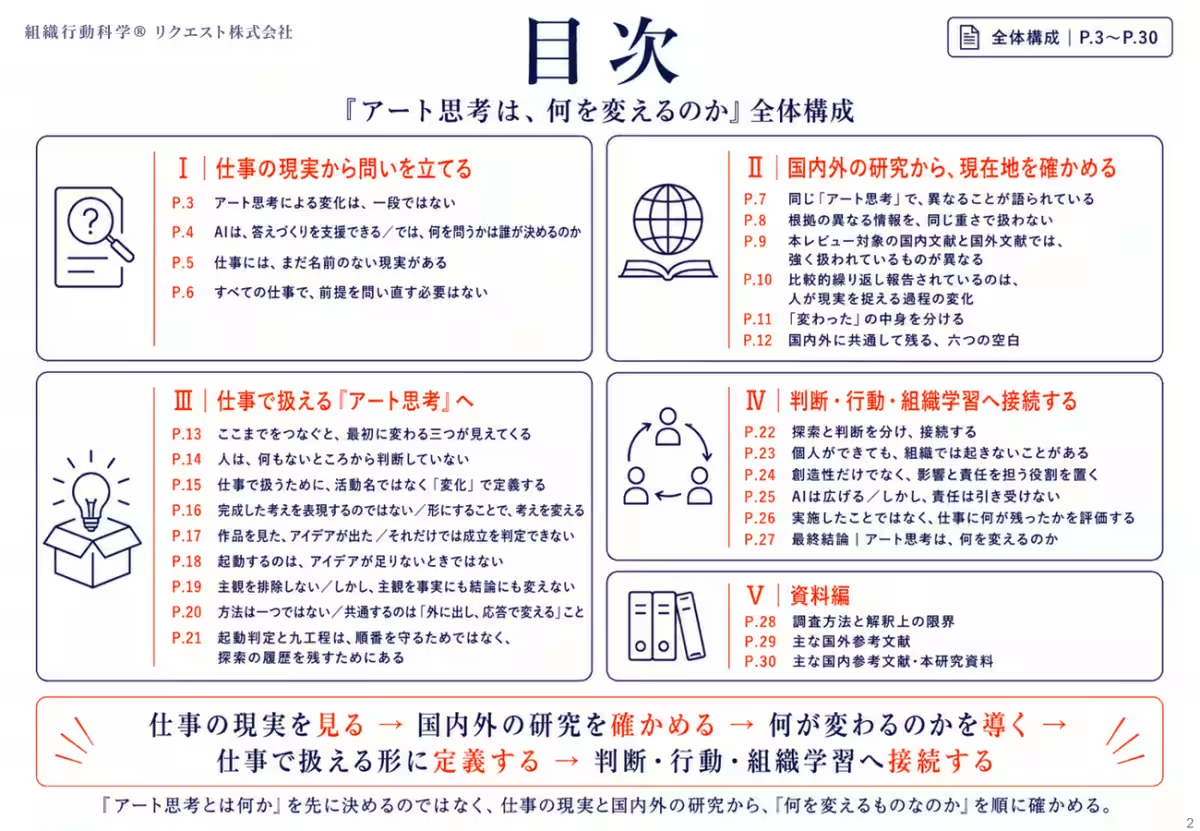
This report spans 30 pages but highlights just nine crucial pages in a recent release, emphasizing the need to understand the underlying logic of Art Thinking. The document takes a comprehensive view, organizing existing research and practical applications, exploring the initial changes induced by Art Thinking, and outlining the necessary operational definitions for workplace implementation.
Art Thinking Defined
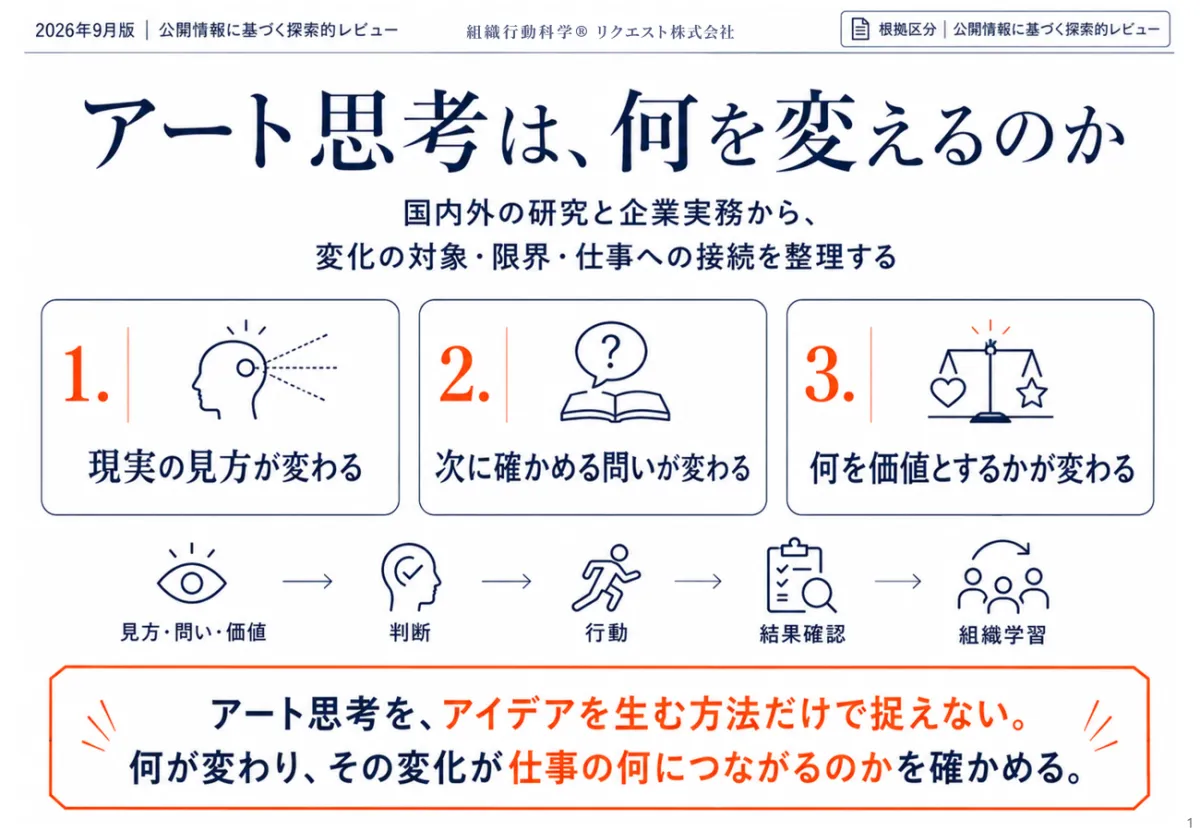
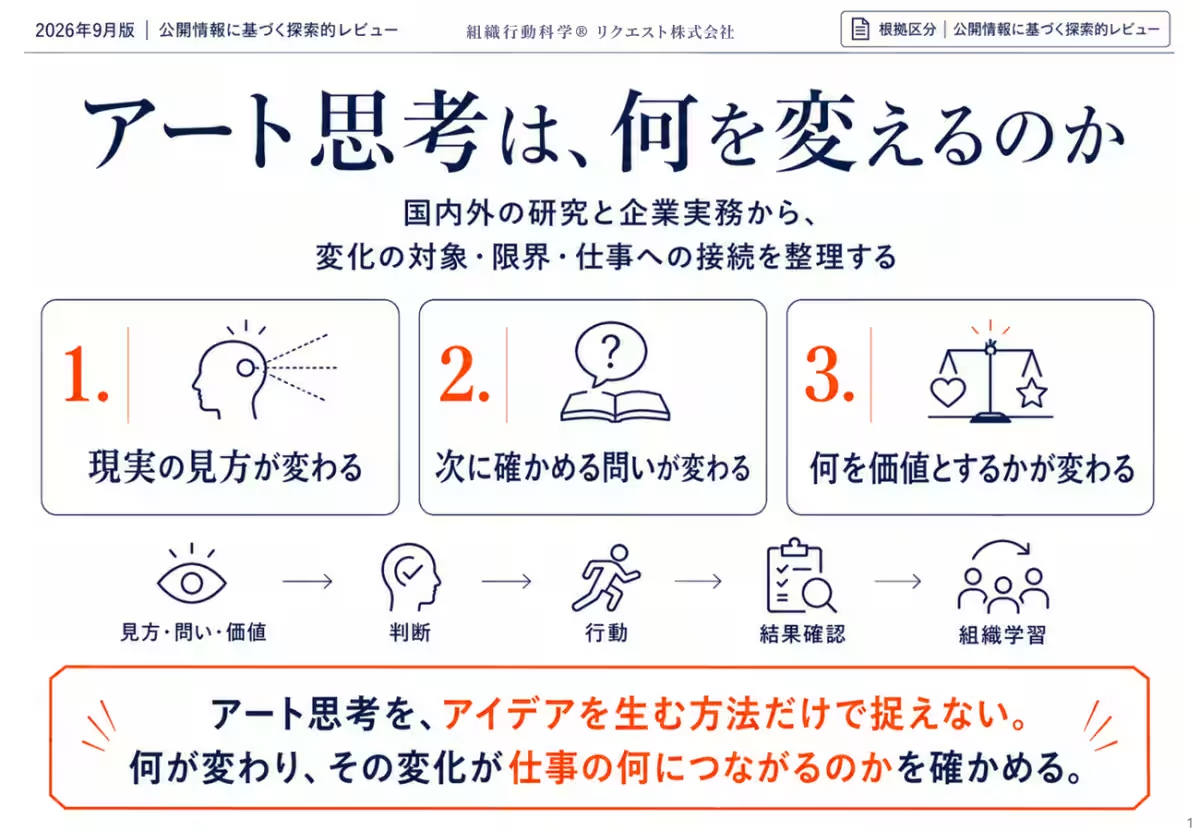
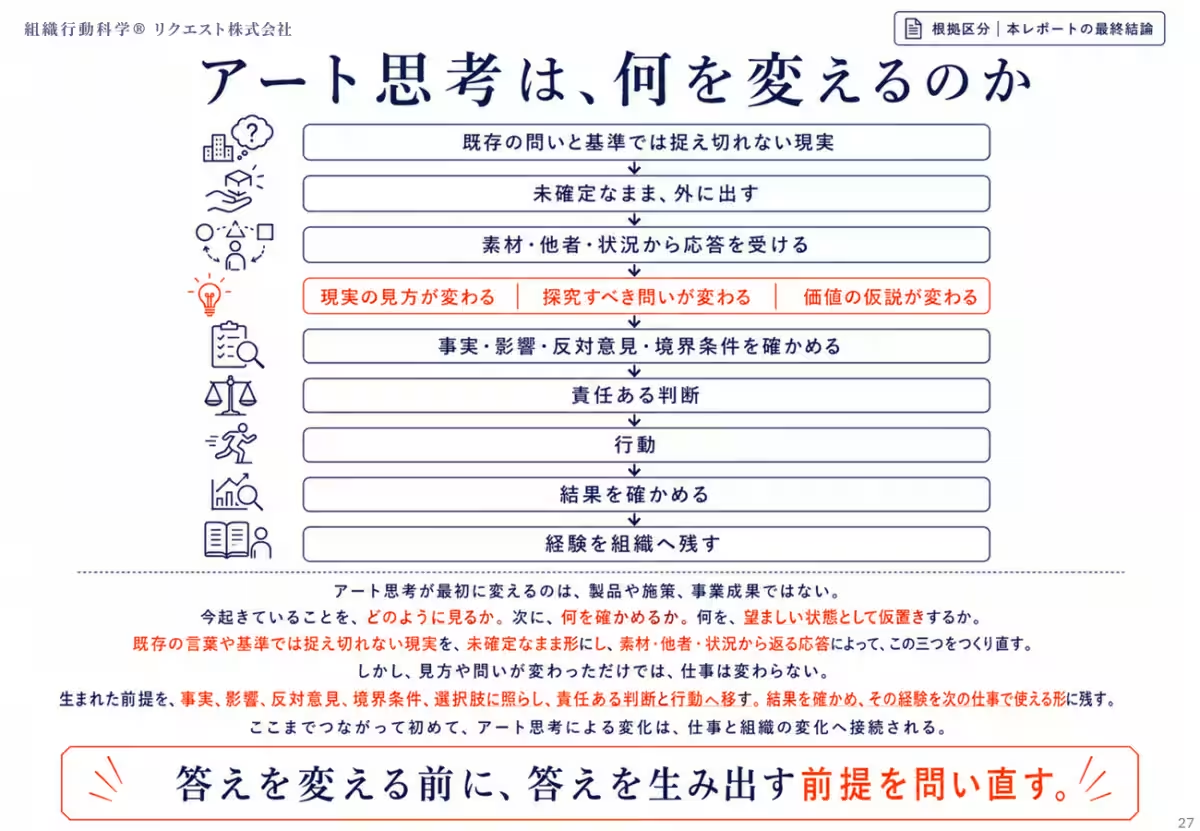
The journey begins not with defining what Art Thinking is but by exploring the real changes it brings about in professional settings. The foundational questions posed are: What changes occur through Art Thinking? How are these transformations interconnected with decision-making, behavior, outcomes, and organizational learning?
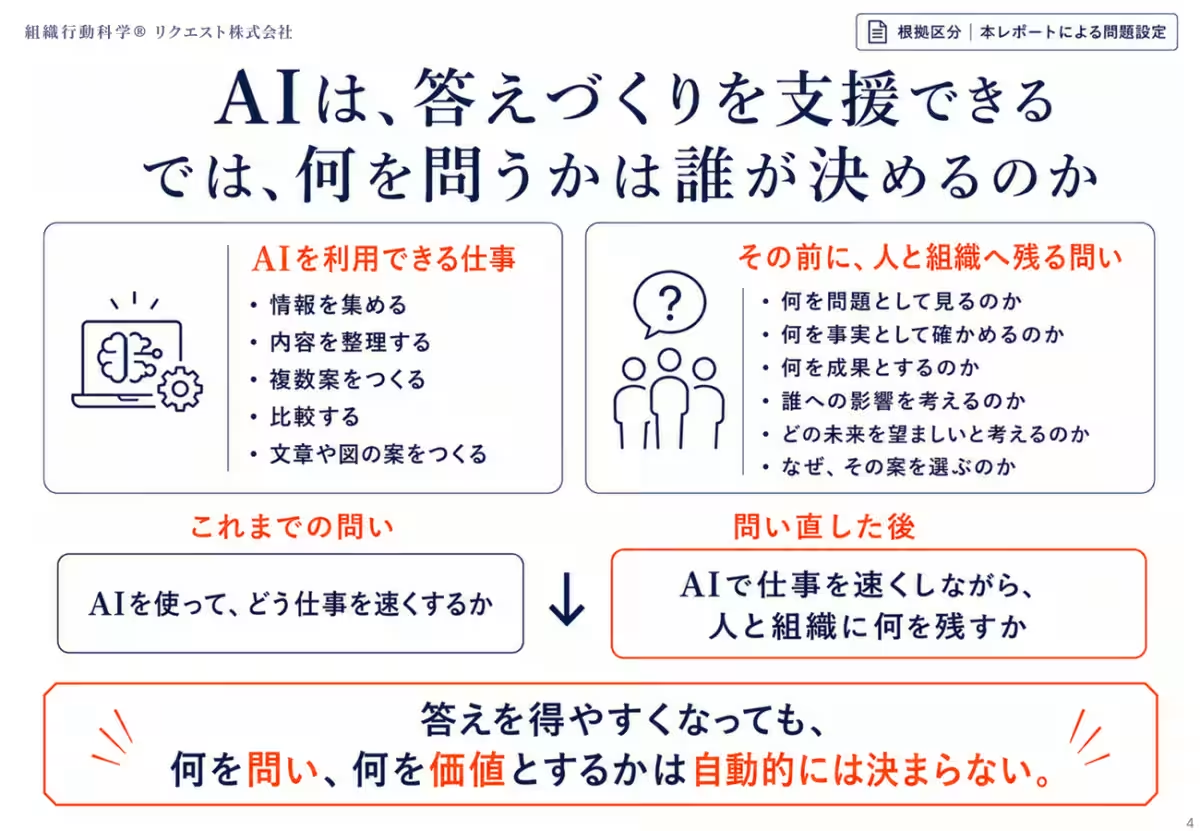
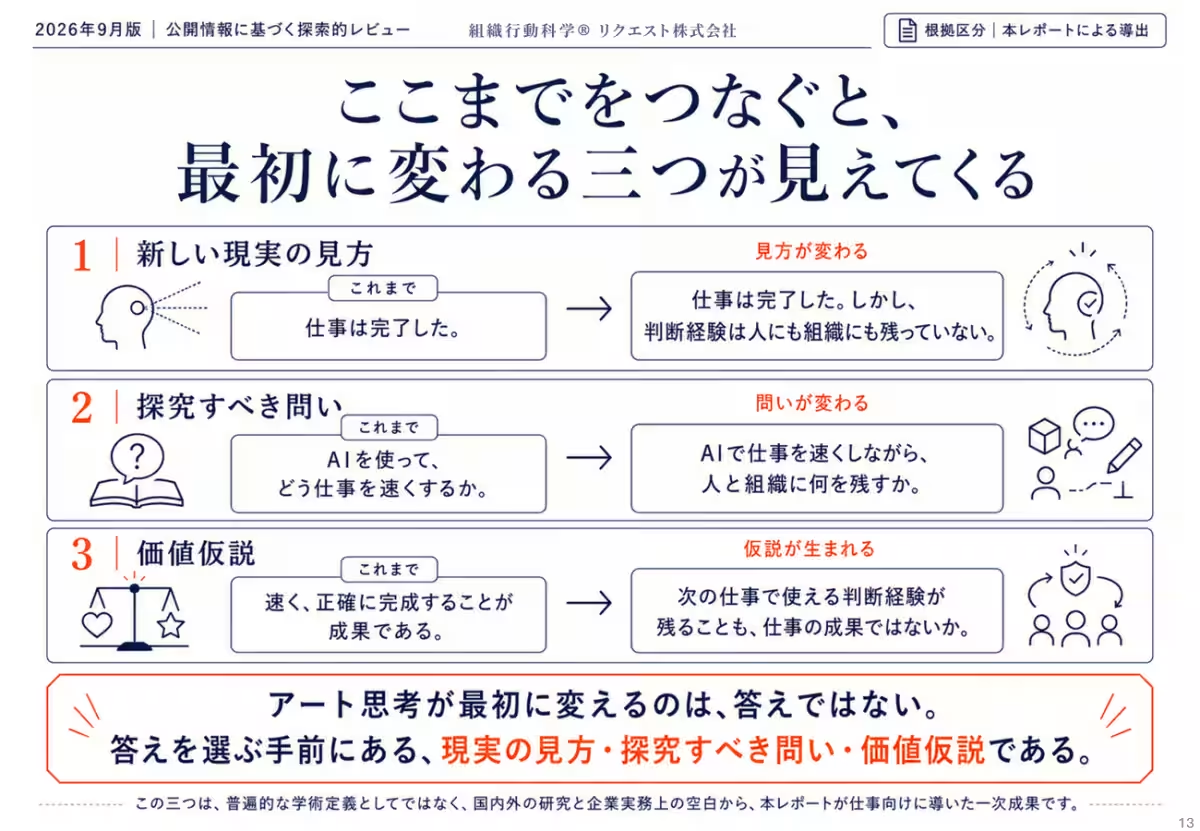
As we scrutinize these questions, it's essential to recognize the shift in perception that occurs. For instance, the question 'How can we use AI to expedite work?' differs significantly from 'In speeding up our work using AI, what do we leave behind for individuals and the organization?' Such nuanced questions can lead to different observations, evaluations, and potential choices.
The Reality of Work Completion
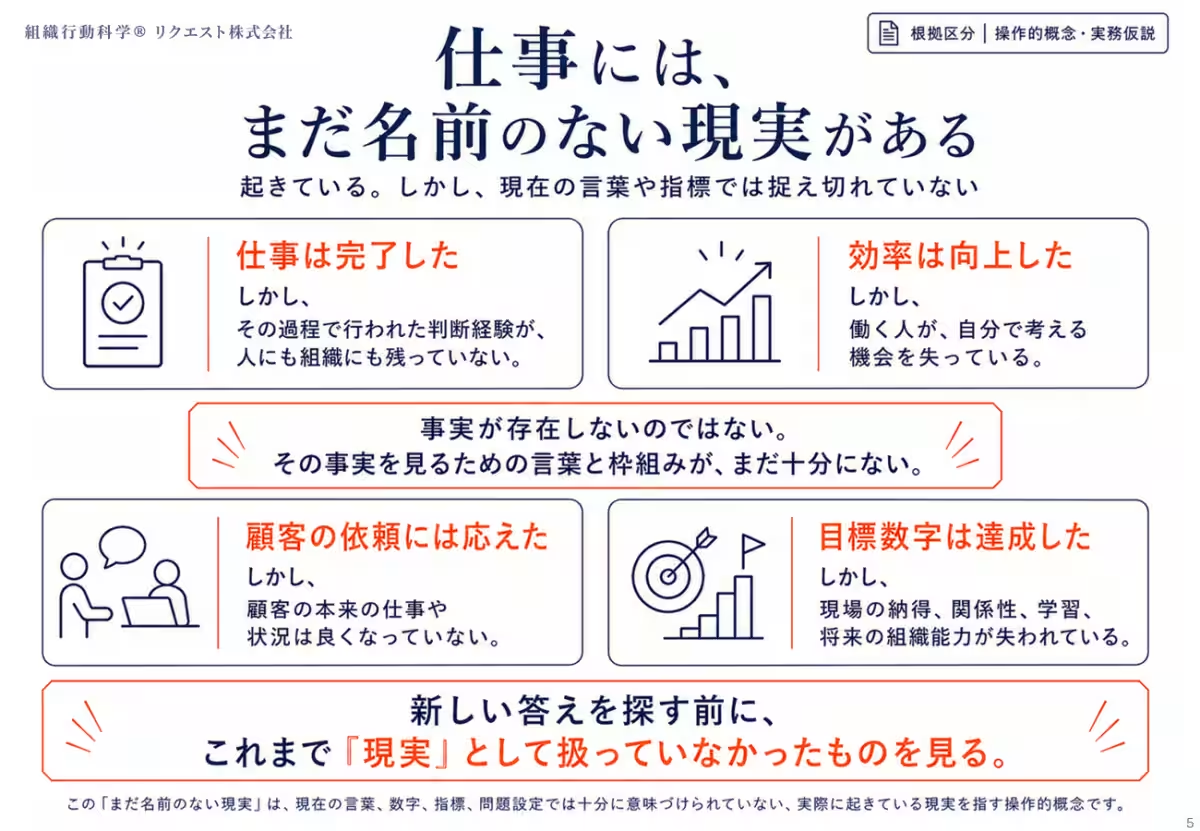
While projects may be completed efficiently, the question remains: do they achieve the desired impact? A completed task does not inherently mean that the decision-making experiences during the process are retained within individuals or the organization. Efficiency gains can sometimes come at the cost of stifling individual thought and creativity.
Moreover, while a project may meet client expectations, it doesn't always imply that the client's broader situation is improved. Achieving targeted metrics may not account for critical factors such as team cohesion, relational dynamics, and the capacity for future organizational learning.
This research identifies a concept termed 'unnamed realities,' which signifies genuine situations that occur but remain inadequately articulated by current labels, numbers, and indicators. Instead of merely documenting changes, this research advocates for a critical examination of how changes in perspective, inquiry, and value hypotheses manifest in actual work environments.
Insights from Global Research
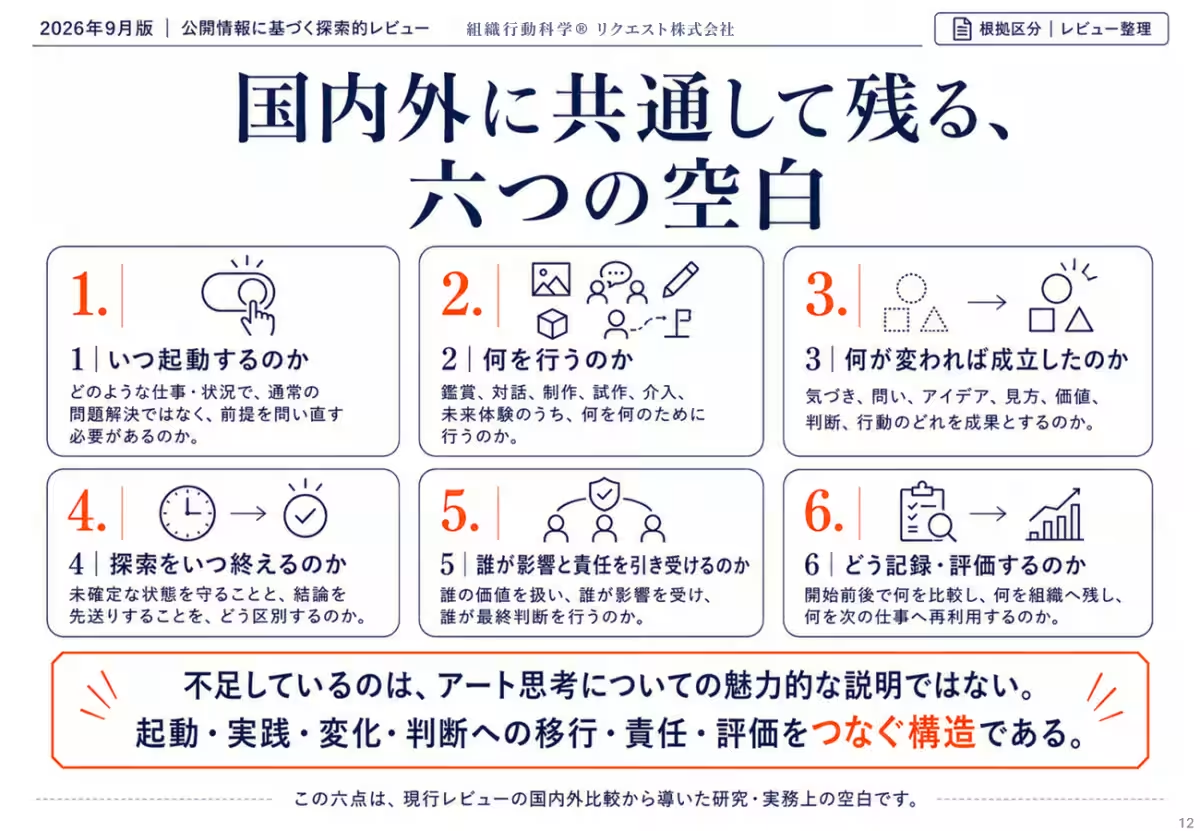
The discourse surrounding Art Thinking encompasses diverse elements, often leading to confusion about its application and success. Various studies and definitions underline its use for creative inspiration, self-driven questioning, dialogue, and even organizational transformation. However, what is crucial to recognize is that Art Thinking does not follow a one-size-fits-all approach.
The report seeks to delineate different spheres of change, assessing the implementation of Art Thinking across various contexts by differentiating between activities that might produce significant changes in capabilities and those that merely facilitate a change in environment.
Key Changes Inspired by Art Thinking
Three central transformations can be identified as immediate results of Art Thinking: 1) a fresh perspective on reality, 2) crucial inquiries that demand exploration, and 3) the development of value propositions. Embracing changes in the underlying assumptions leads to a more significant transformation in the inquiry process, moving from efficiency to a focus on sustainable outcomes.
For example, the perception that work is simply completed evolves into a realization that decision-making experiences—integral to both individuals and organizations—must be preserved.
Connecting Inquiry and Outcomes
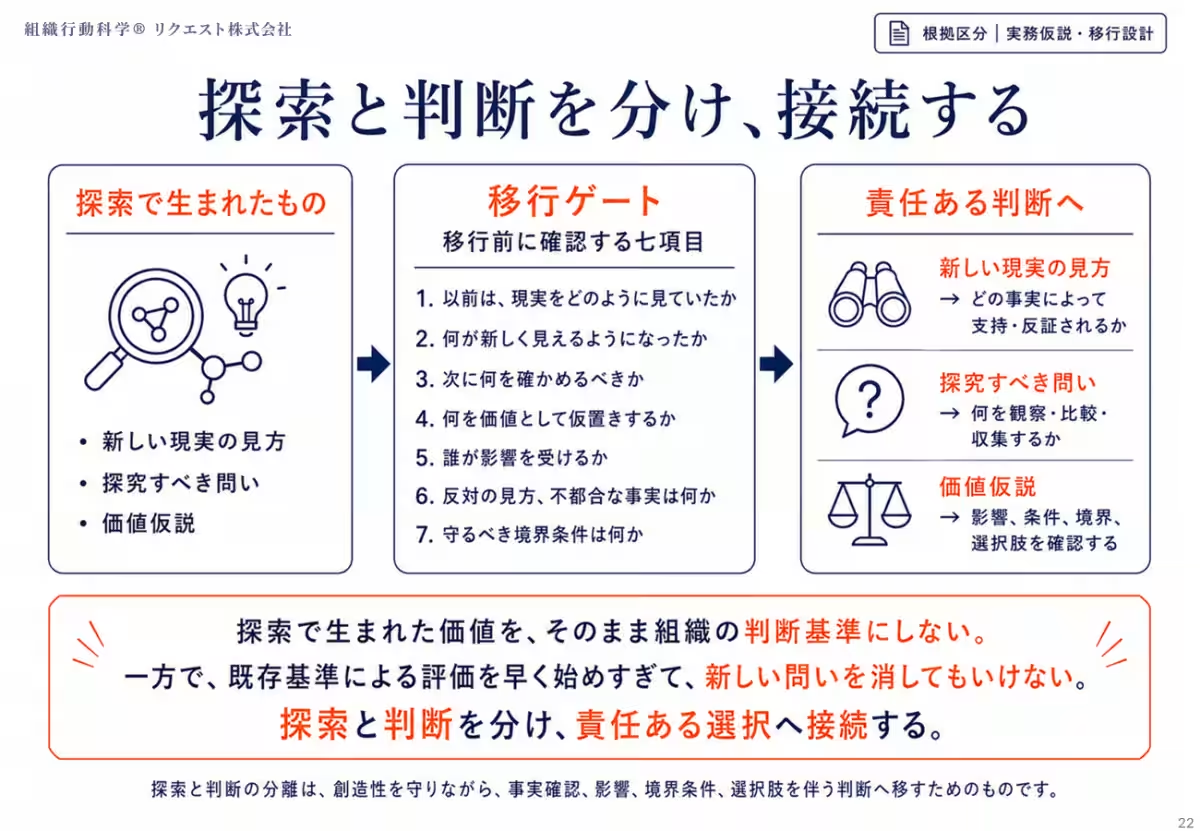
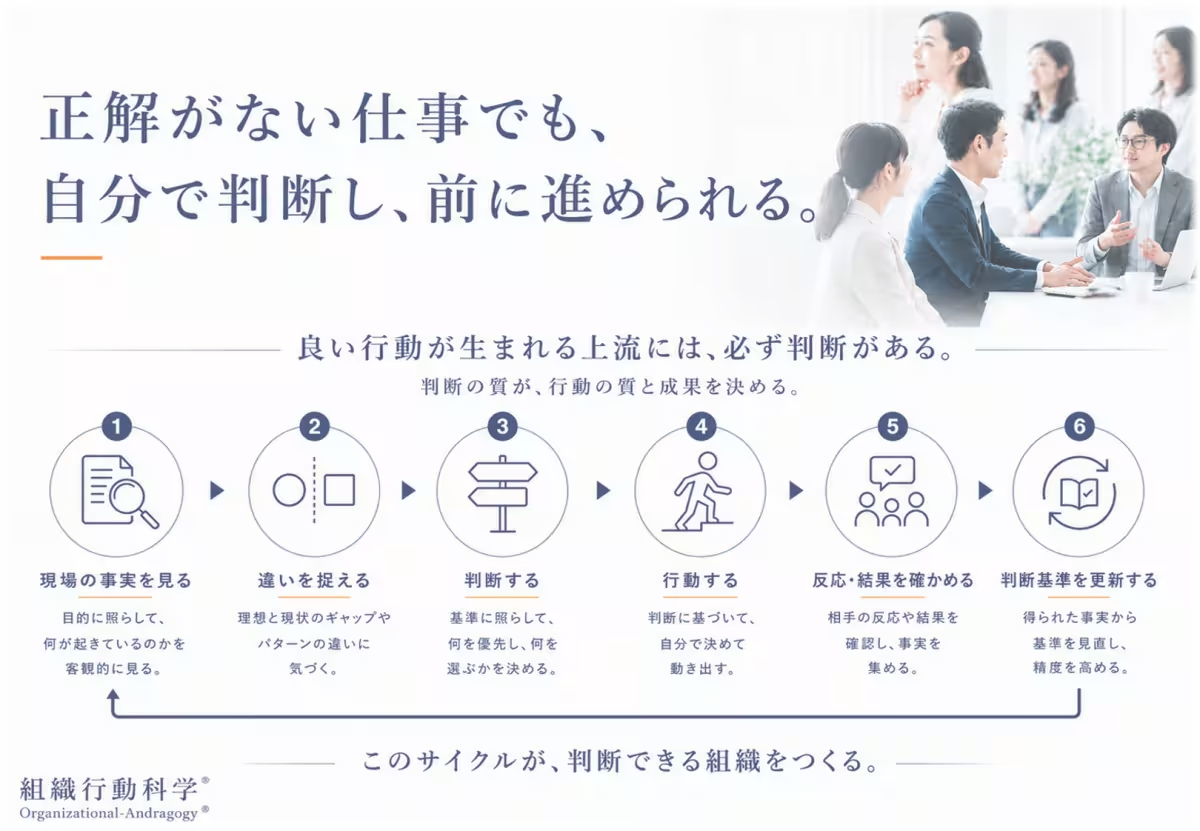
The implications of Art Thinking go beyond aesthetic appreciation or initial experiences. Decision-makers must transition their thought processes into actionable strategies. This involves profound shifts in perception and inquiry while ensuring constructive explorations of possible futures. The connectivity between understanding and output is vital: a holistic approach to exploring and addressing these new inquiries leads to tangible improvements in organizational learning and future performance.
Conclusion: Redefining Success in the Workplace
Ultimately, this report argues against viewing Art Thinking as a universal panacea for workplace issues. Instead, it emphasizes the importance of context and the necessity of asking the right questions: How do we interpret our current realities? What do we aim to validate in our assessments? Which future states do we consider desirable? Art Thinking serves as a catalyst in redefining success metrics, ensuring that organizational practices remain agile and responsive to real-world dynamics.
In closing, Request Inc. invites organizations and individuals to delve deeper into this paradigm shift and the free 30-page complete report via email, aiming to transform the ways we think about work, learning, and leadership in an age increasingly influenced by AI.



Topics Business Technology)
【About Using Articles】
You can freely use the title and article content by linking to the page where the article is posted.
※ Images cannot be used.
【About Links】
Links are free to use.