



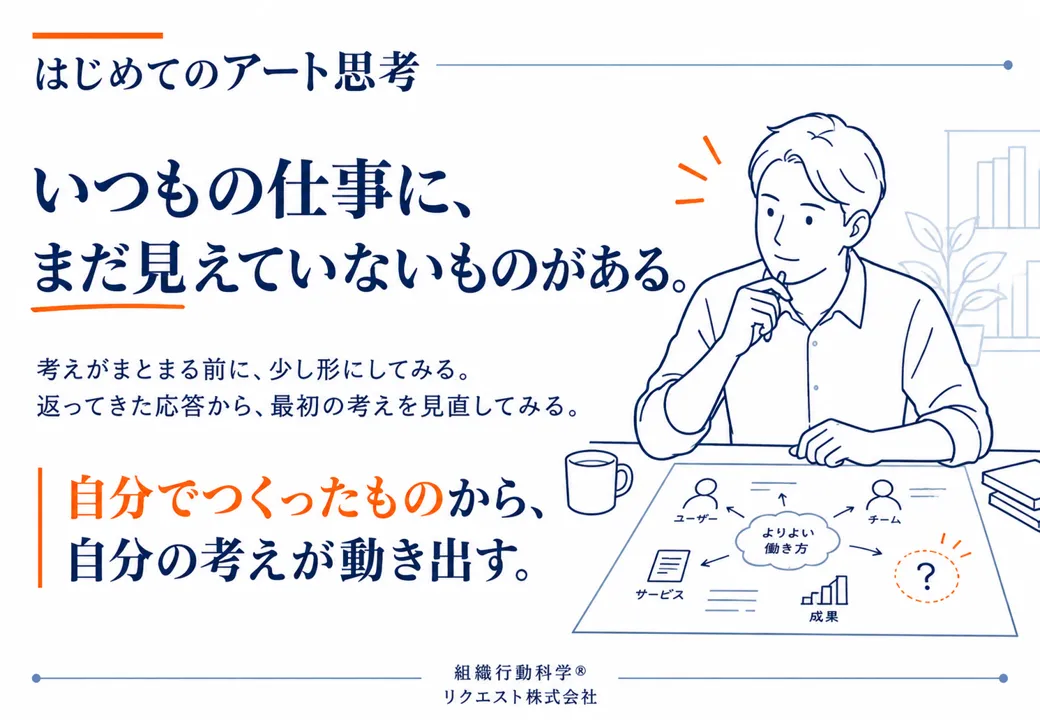
Unveiling 'First Steps in Art Thinking' for the AI Era: A 13-Page Guide
Introduction
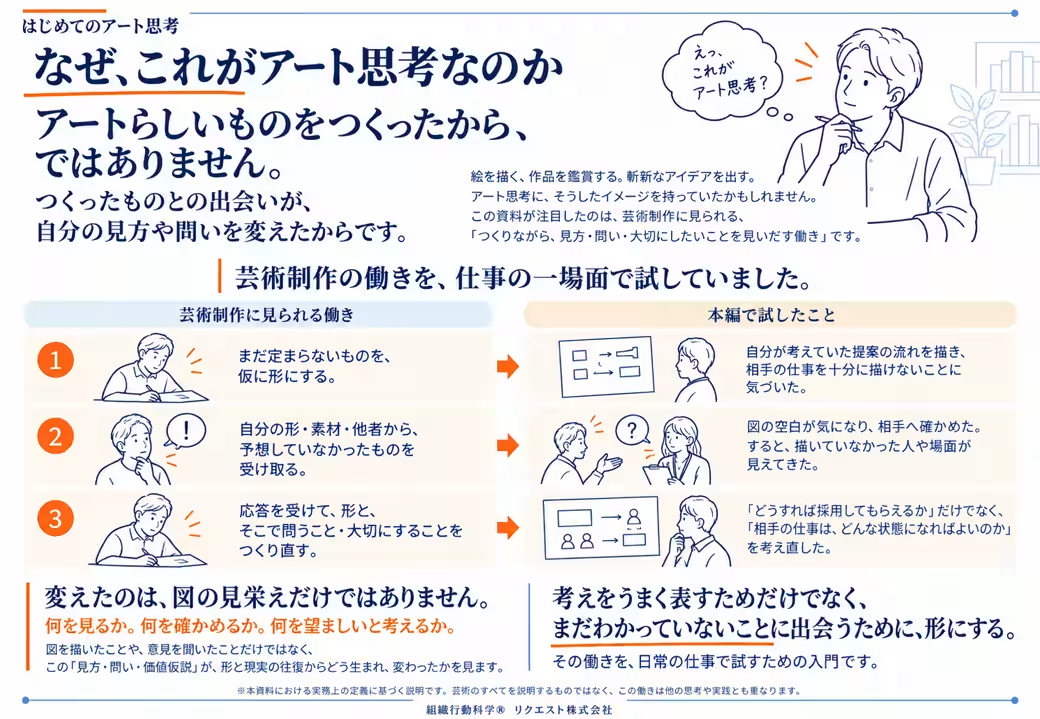
In the age of AI, the release of "First Steps in Art Thinking" is a significant initiative by Request Inc., located in Shinjuku, Tokyo. This free material serves as an introductory guide for professionals looking to explore art thinking in their everyday work environments. Covering 13 pages, it provides concise insights that transition readers from understanding the concept to implementing it practically.
Bridging Knowledge and Practice
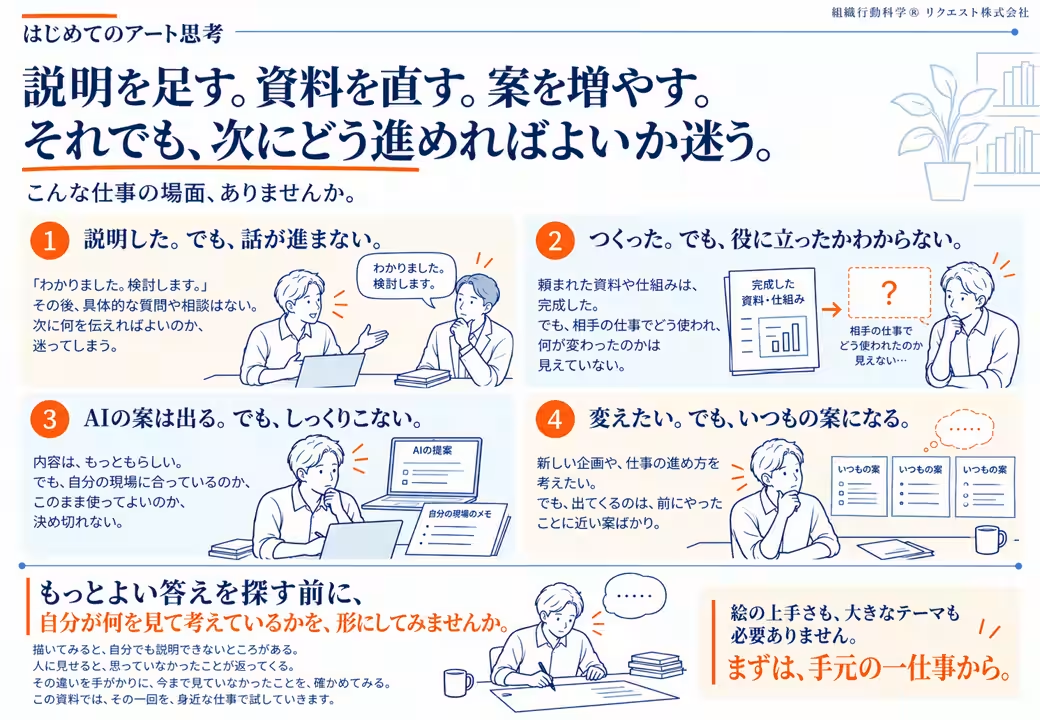
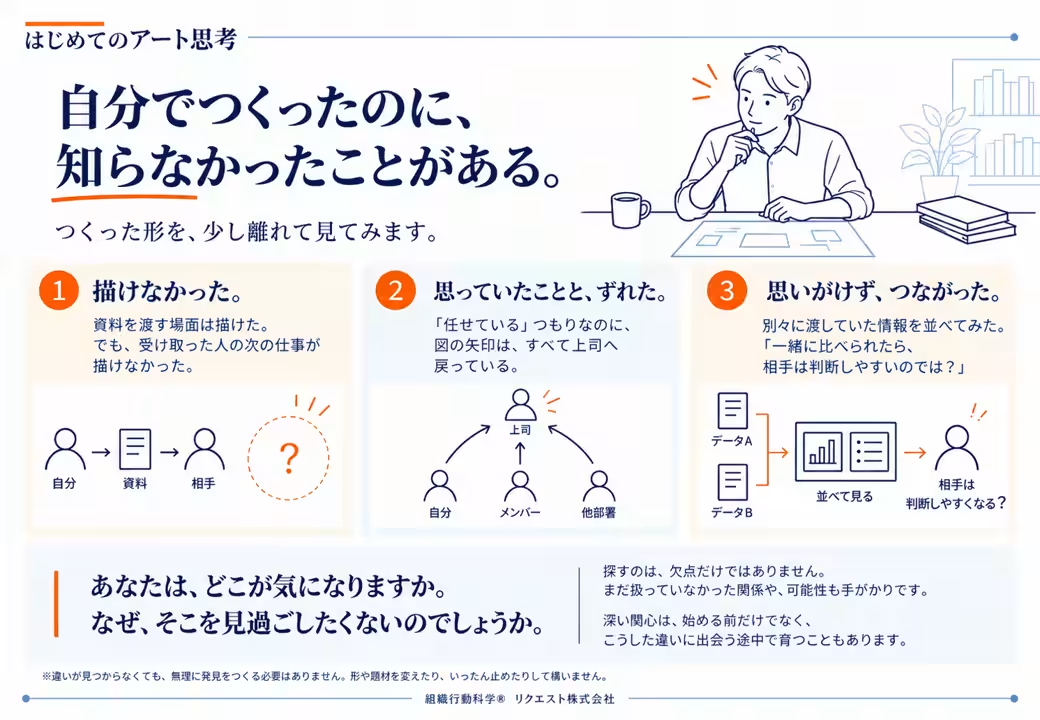
This guide is not just for those who have already mastered theoretical concepts of art thinking. It's especially aimed at individuals curious about how to initiate this innovative approach in their work but unsure about the starting point. The guide assists readers in contextualizing art thinking with real-world situations they encounter at work. By constructing the content in this manner, Request Inc. emphasizes that the essence lies in exploring new ways of thinking and applying them in practical scenarios.
Discovering Through Experience
Request Inc. has previously published four materials detailing the operational definitions, implementation structures, and the current landscape of art thinking research both domestically and internationally. This latest guide has been carefully crafted from the user's perspective—presenting the door to practical applications rather than merely condensing earlier works. The objective is clear: encourage users to connect their newfound knowledge with their daily tasks at their jobs.
Case Study: Learning from Mistakes
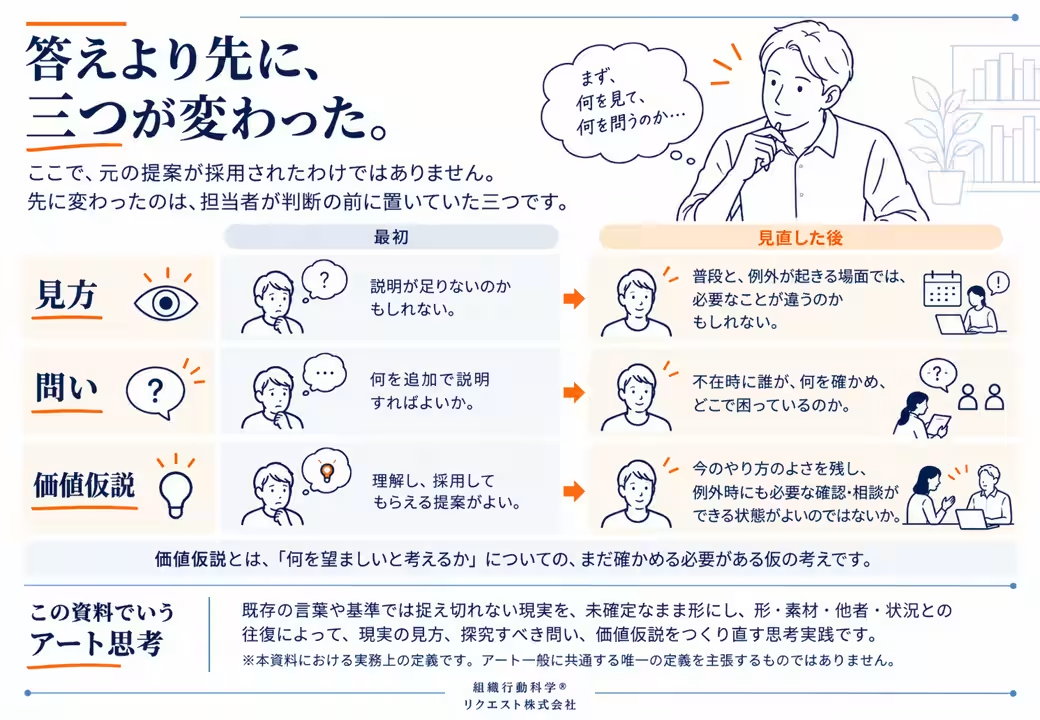
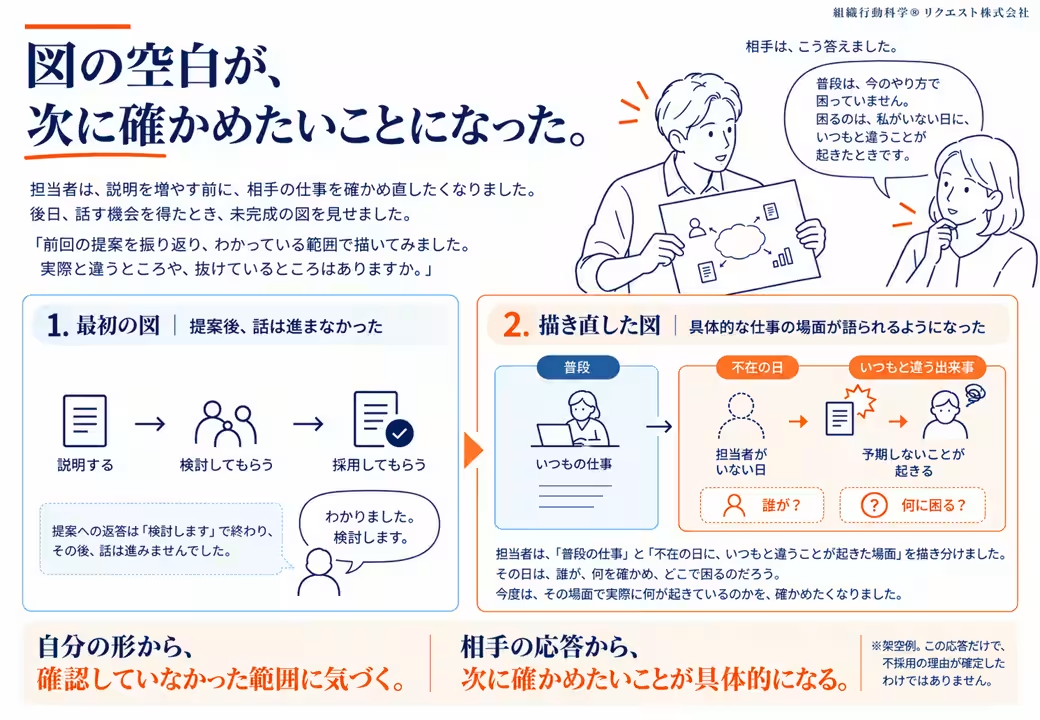
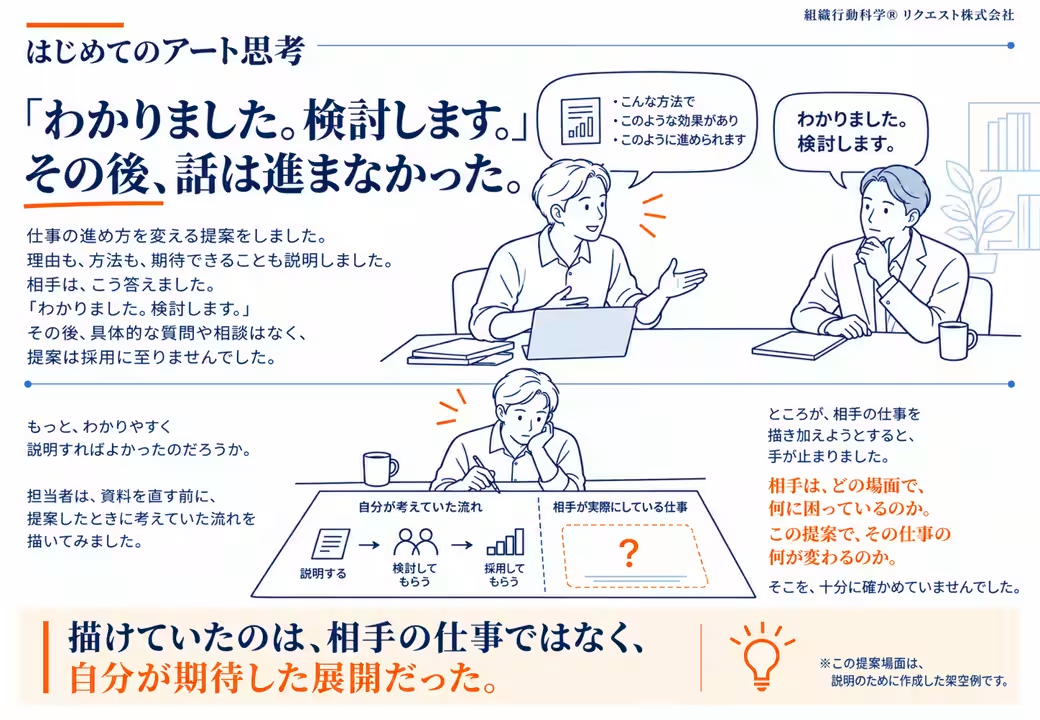
The guide begins with a case study highlighting instances where suggestions were rejected, encouraging reflection on the thought processes that led to the outcome. This scenario serves not as a definitive guide to sales techniques but rather as a means to prompt professionals to reconsider what they deemed as already known. Readers are urged to place themselves in the scenario, drawing parallels to their own professional experiences and assessing the completeness of their perspectives.
Engaging with Your Own Work
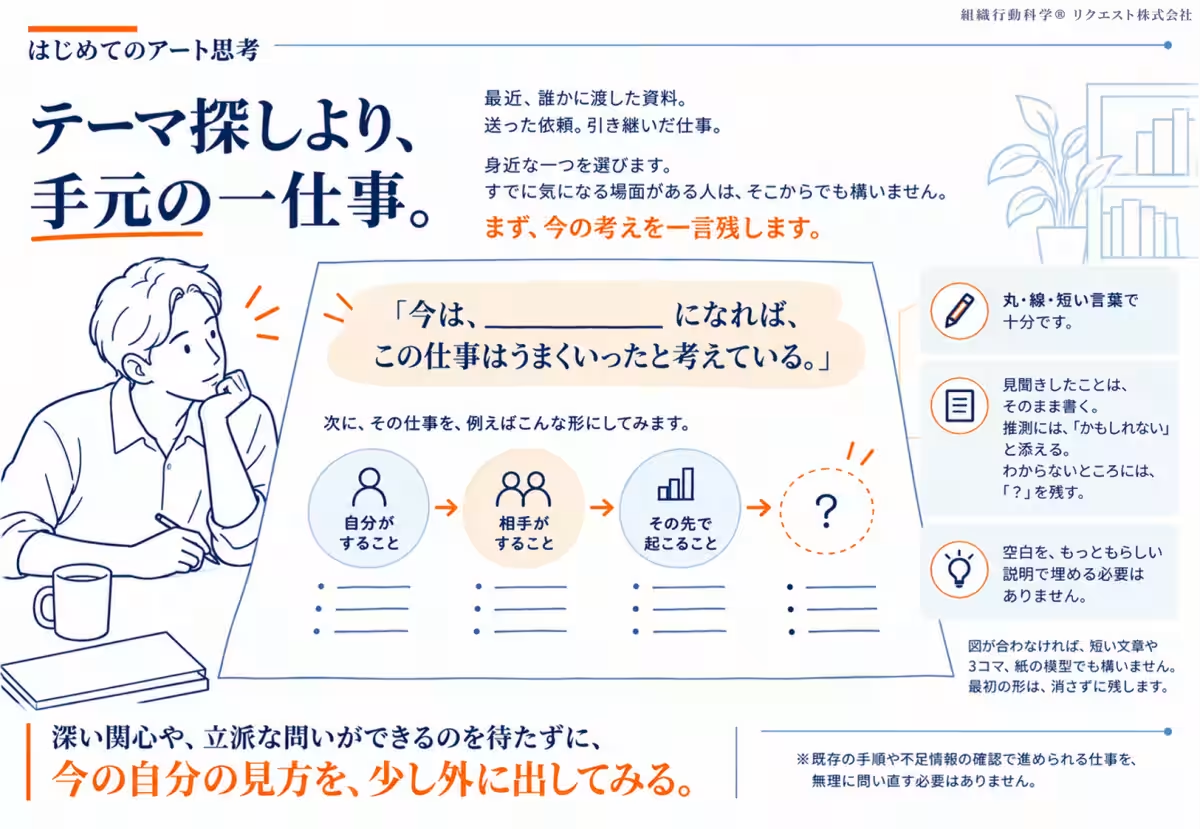
As the guide progresses, it shifts focus toward prompting readers to experiment with their own professional challenges. There's no need to dwell on previous failures. Successful instances, even if difficult to articulate, are equally valid as subjects for exploration. The key here is not about having lofty themes but rather starting from actual, hands-on experiences.
Methodology of Reflection
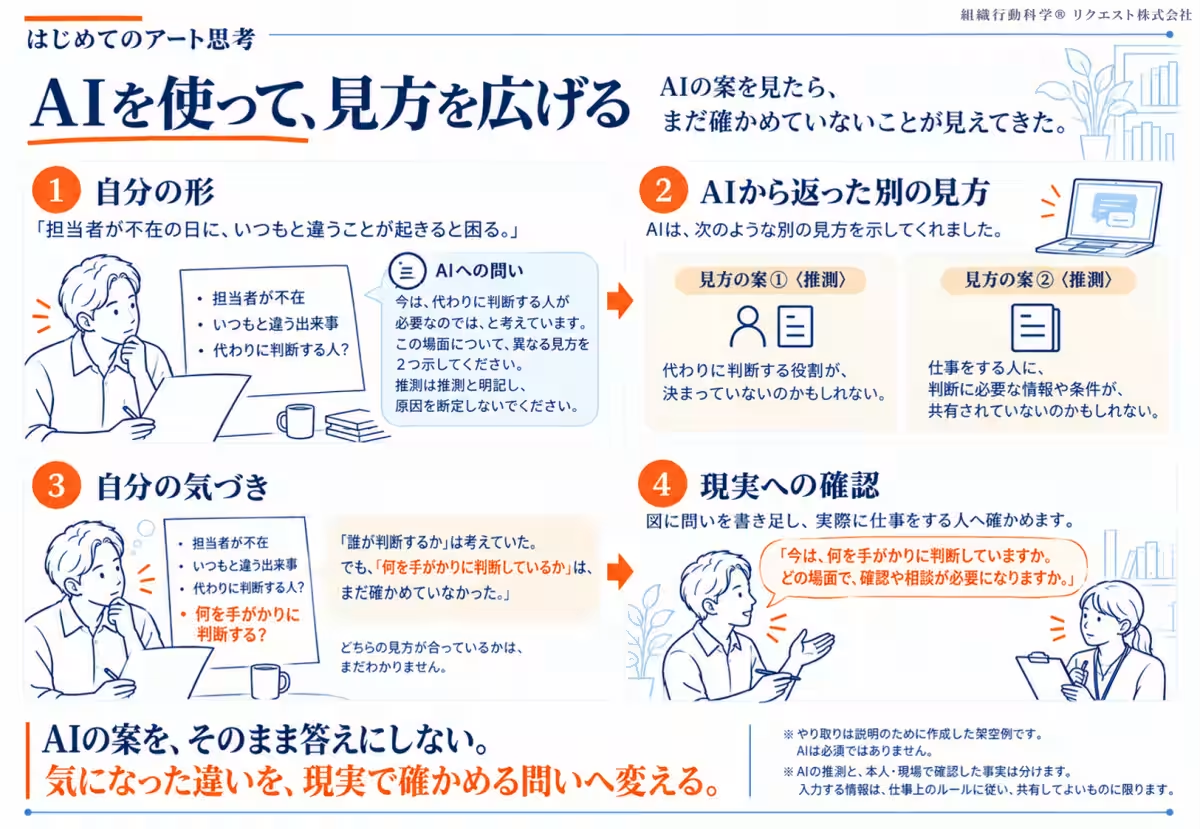
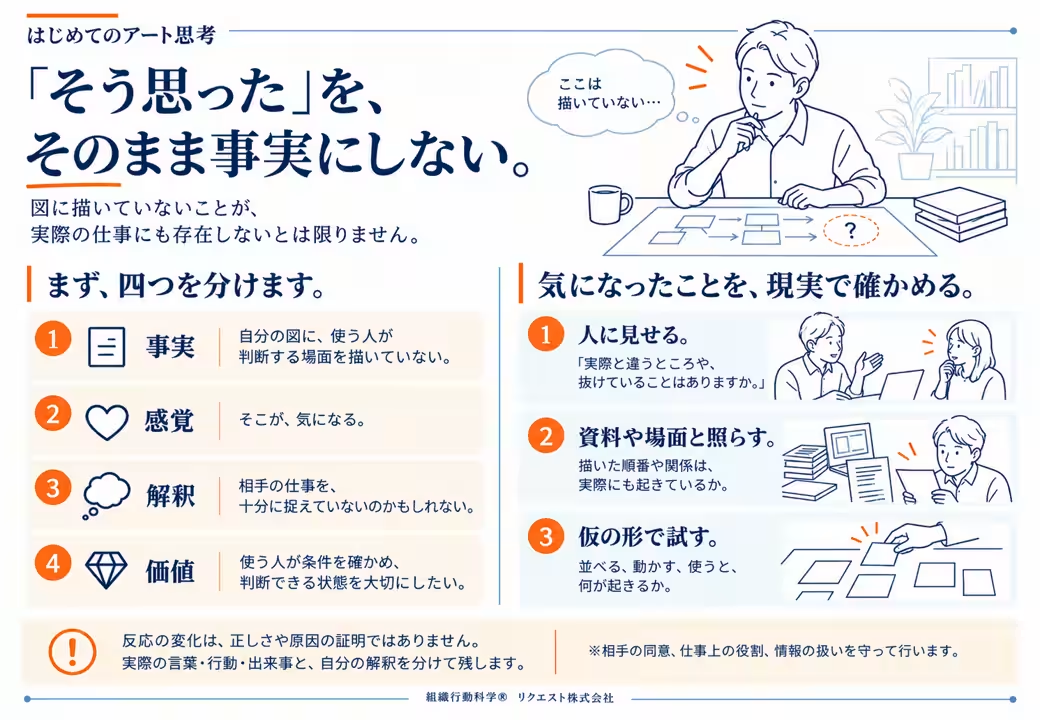
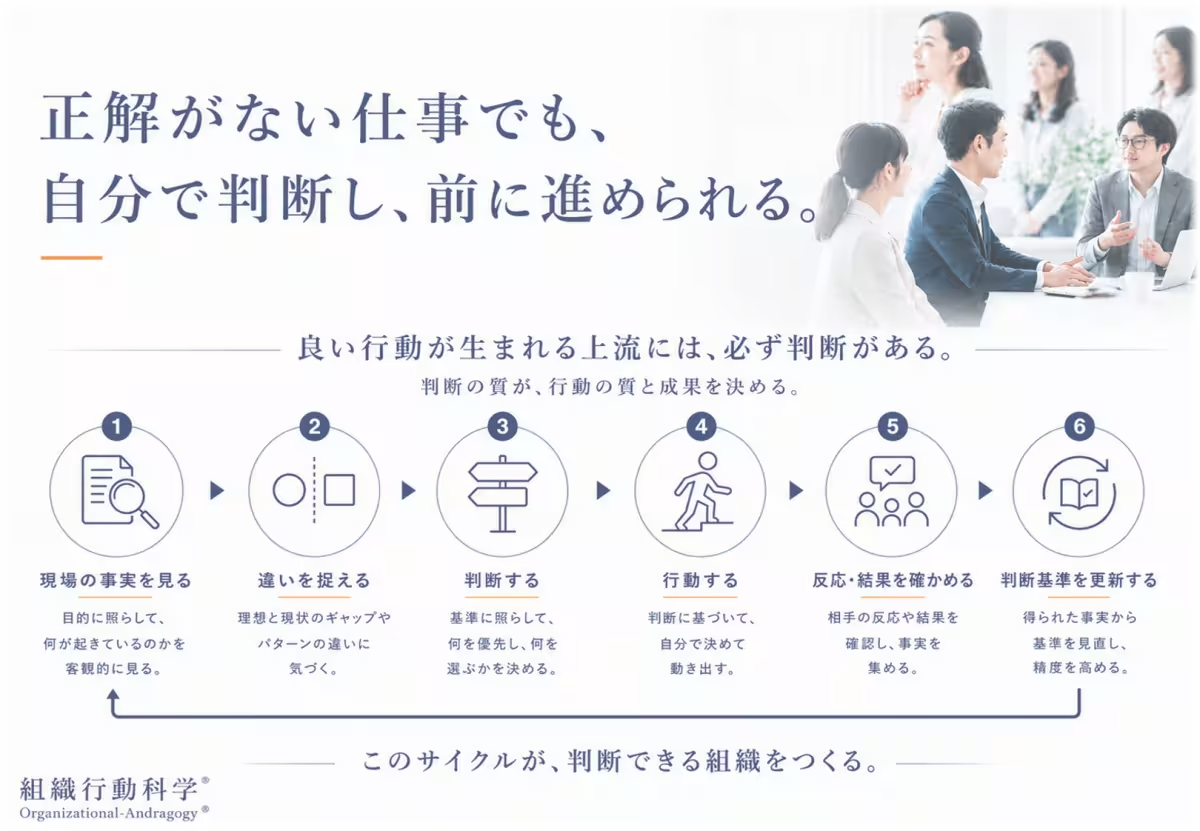
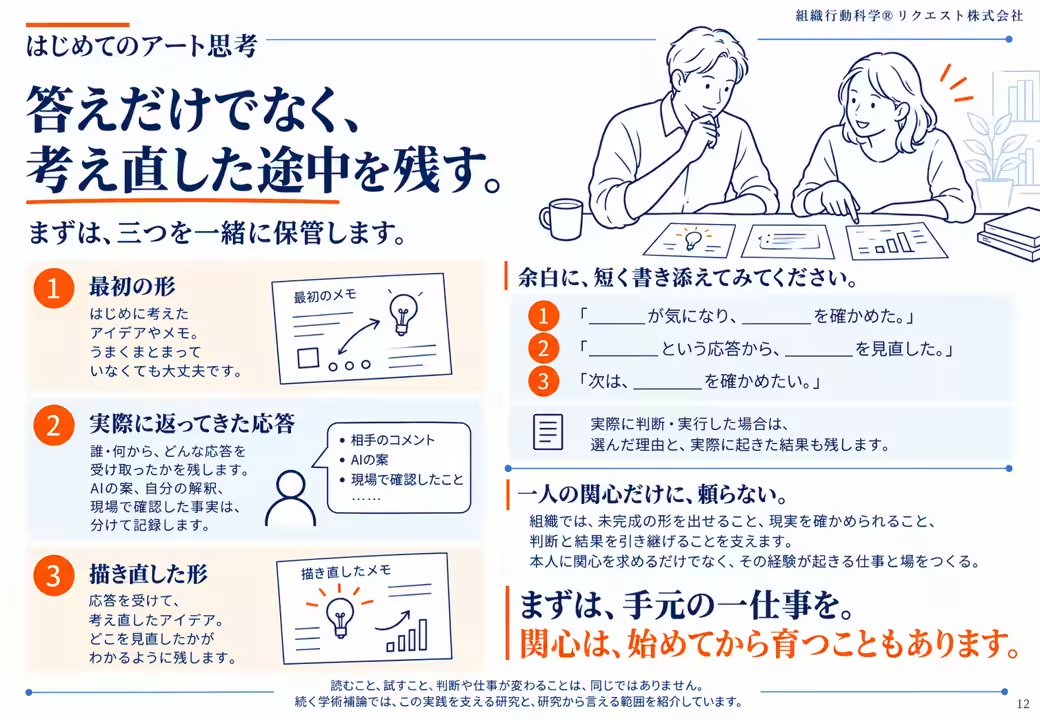
Throughout the materials, the importance of utilizing AI as a supplementary tool for checking ideas is demonstrated, without making it a prerequisite for practice. Encouraging a mindset shift in readers to seek clarifications rather than simply finding 'the right answer' is at the core of this guide. This reflection cultivates an understanding that discrepancies between outcomes and initial assumptions do not equate to failure, but rather potential learning opportunities.
Bringing Personal Insights into Organizational Context
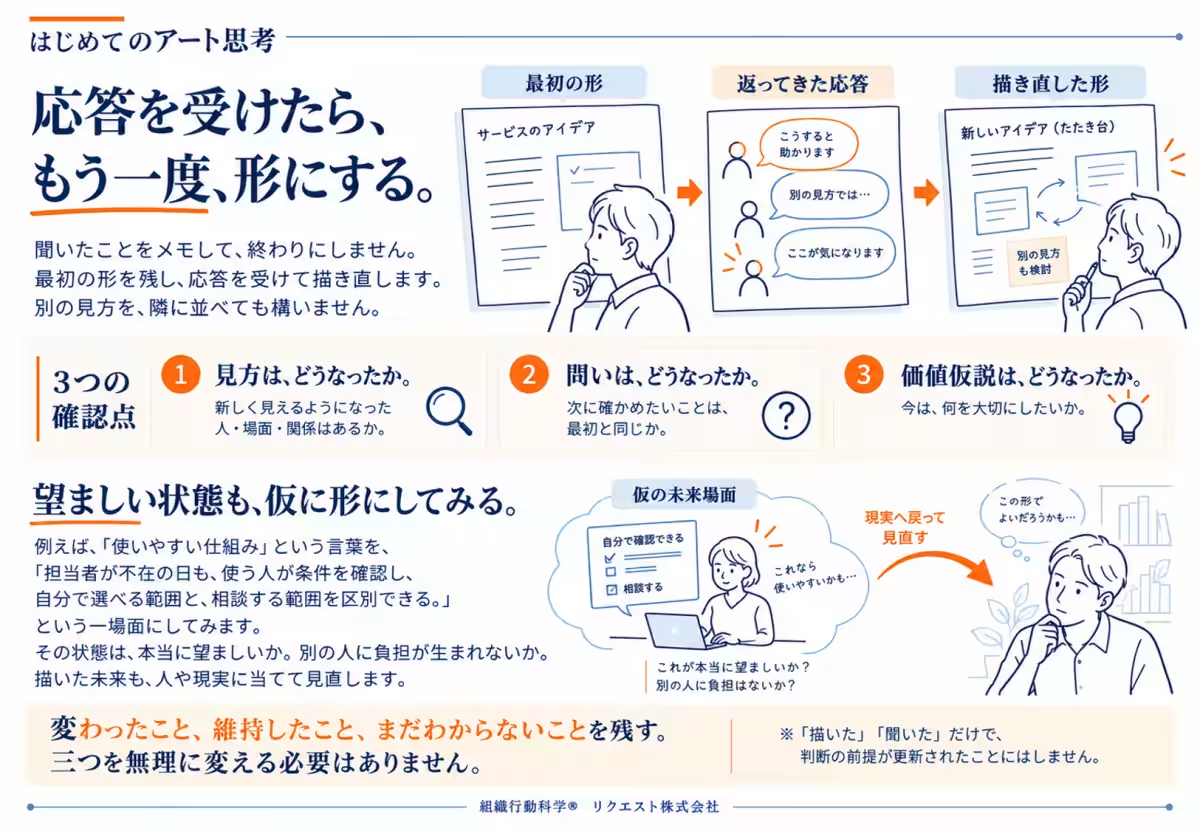
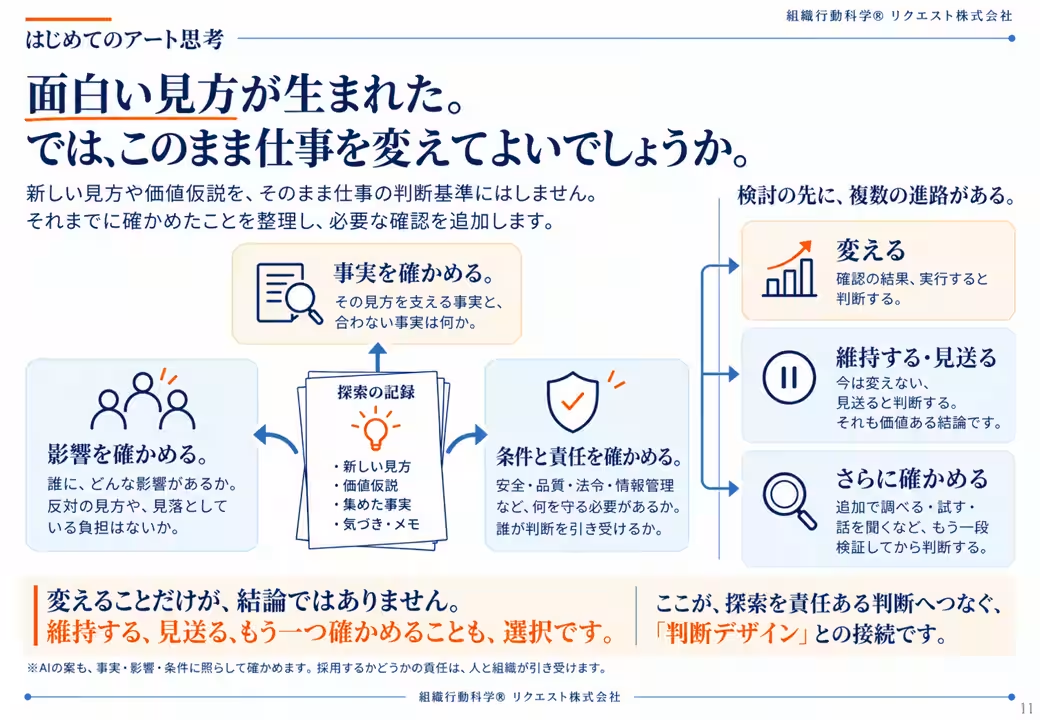
The exploration encourages individuals to approach their thoughts as fluid rather than fixed, particularly during the exploratory phases. In the implementation stages, recognizing how those insights could alter organizational practices becomes indispensable.
Theoretical Foundations and Practical Insights
Included alongside the guide is a supplementary PDF of 10 pages offering an academic underpinning for these practical applications. This addition not only summarizes the theoretical concerns but connects research methodologies and outcomes to the guide's practice. Readers are also introduced to notable studies on how personal interest and curiosity can evolve through hands-on experience, setting a balanced perspective between the importance of reflection and action in a corporate learning environment.
Conclusion
In conclusion, Request Inc.'s publication of "First Steps in Art Thinking" serves as a valuable resource for those eager to incorporate art thinking into their work landscapes. It welcomes not only seasoned professionals but also newcomers ready to experiment. Engaging with relevant research and enhancing the understanding of art thinking's potential extends beyond first impressions, ensuring a long-lasting impact on organizational learning and personal growth.
Accessing the Guide
This document—totaling 23 pages of insight—can be downloaded for free, along with an academic supplement that aids in the understanding of the practical implications of art thinking in workplace environments. This guide serves as both a self-reflective tool for individuals and as a discussion starter for collaborations with colleagues and supervisors. With such resources at their disposal, employees can shift gears in their approach to art thinking and enhance their organizational dynamics effectively.

Topics Business Technology)
【About Using Articles】
You can freely use the title and article content by linking to the page where the article is posted.
※ Images cannot be used.
【About Links】
Links are free to use.