


Innovative Low CO2 Steel Adoption in Rental Housing Kicking Off a New Era in Environmental Responsibility
Groundbreaking Initiative in Rental Housing
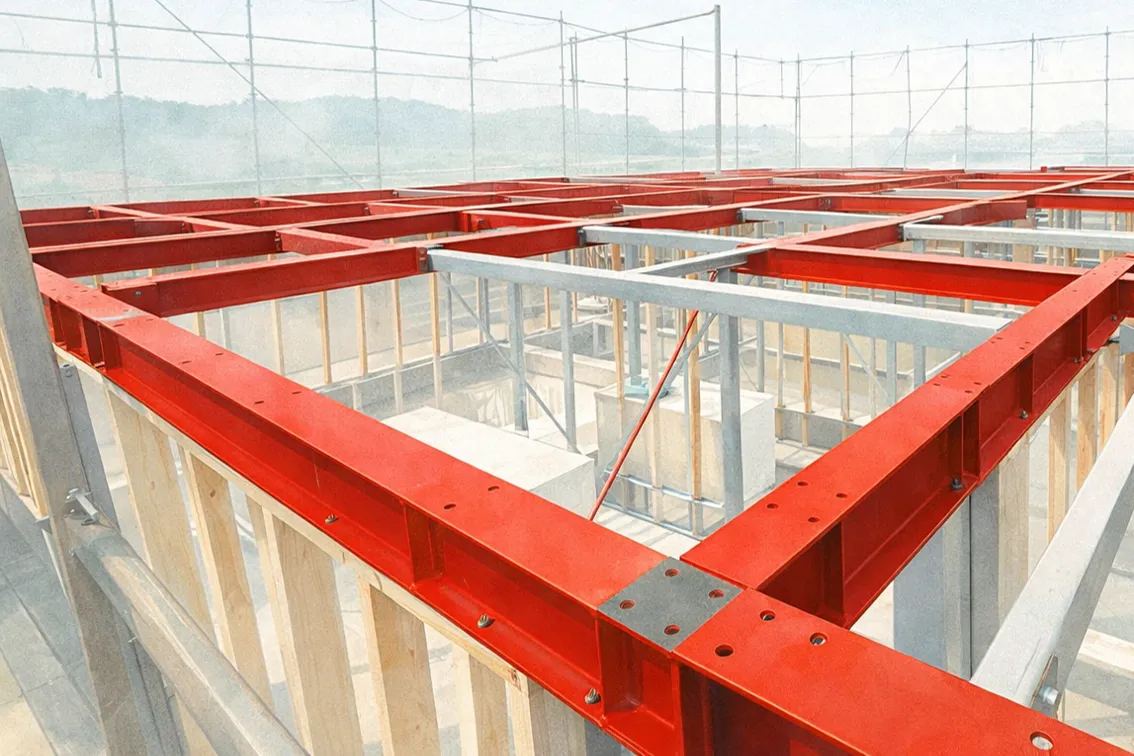
In a significant stride towards sustainability, Architect Developer Inc., headquartered in Ginza, Tokyo, has made a landmark decision to incorporate low CO2 steel known as "Hobo Zero" as a standard material in its rental housing projects. This initiative marks a first in the industry, effective from February 2025, with a phased implementation across approximately 100 buildings starting in May 2026.
Environmental Impact and CO2 Reduction
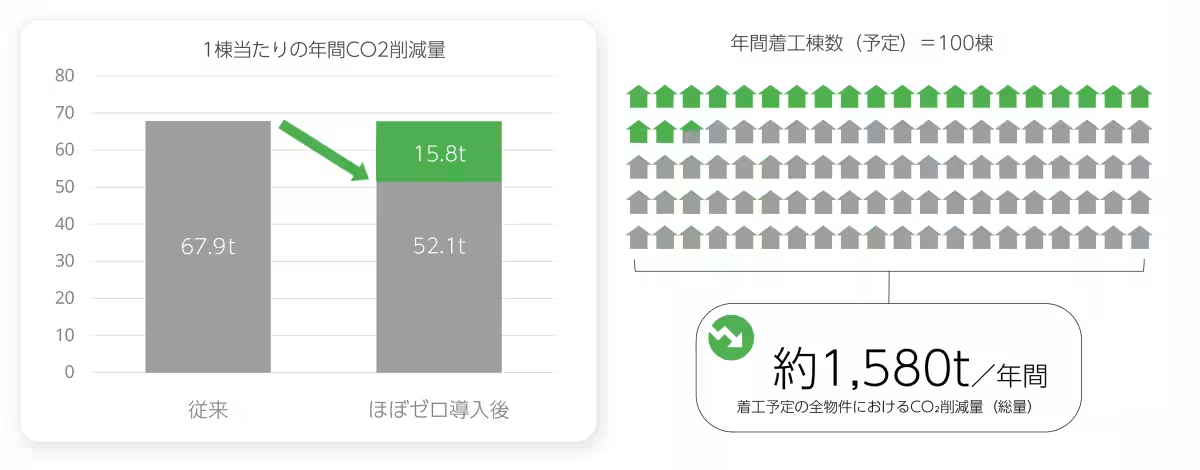
The adoption of this innovative material is projected to drastically cut the CO2 emissions produced during the construction phase. For each model building, which accommodates 18 households, emissions are expected to decrease from approximately 67.9 tons to about 52.1 tons— a reduction of around 23.3%. Over the span of the year, this equates to an estimated annual reduction of approximately 1,580 tons of CO2, making a remarkable contributions towards environmentally friendly housing.
Decarbonization in the Construction Sector
Japan's government aims for carbon neutrality by 2050, making the reduction of CO2 emissions in the construction sector a pressing target. This sector accounts for nearly 37% of global CO2 emissions, underlining the necessity for sustainable practices, especially during the procurement phase of structural materials like steel. Despite the existing challenges in adopting environmentally-friendly materials—primarily attributable to costs—there is a growing demand for decarbonization in rental housing, propelled by the rise of ESG investments and increased environmental awareness among tenants. Recognizing these trends, ADI has opted to revise its standard building materials accordingly.
Utilizing "Hobo Zero" in Construction
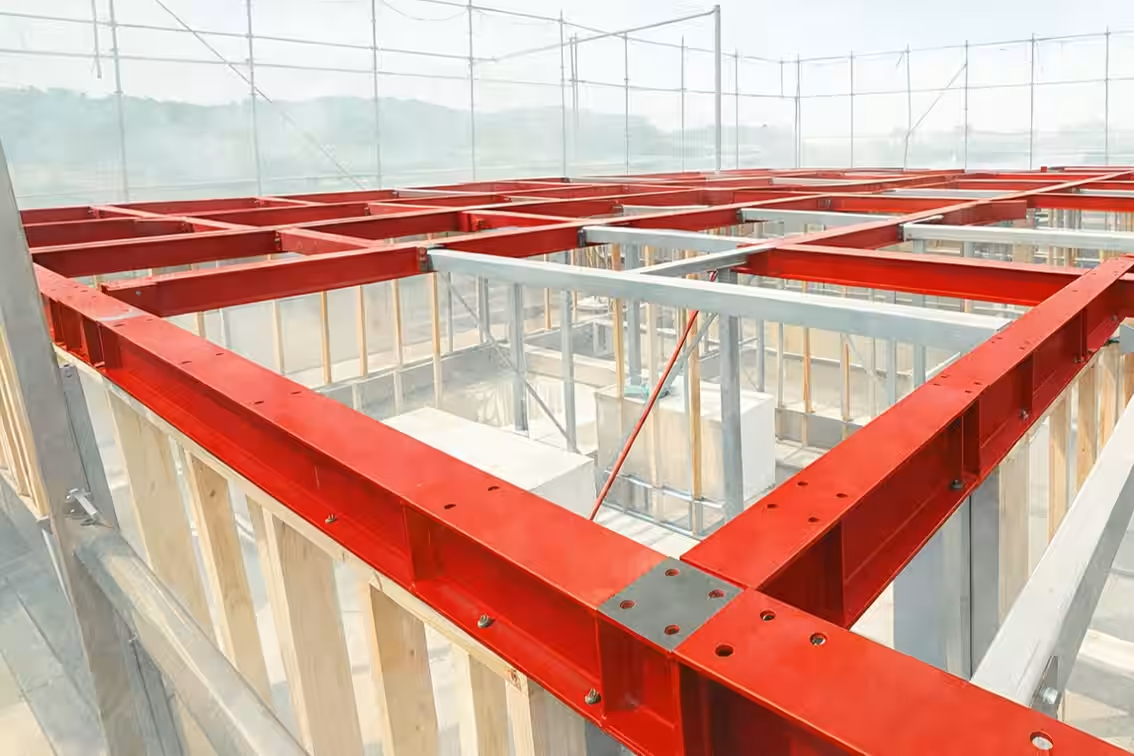
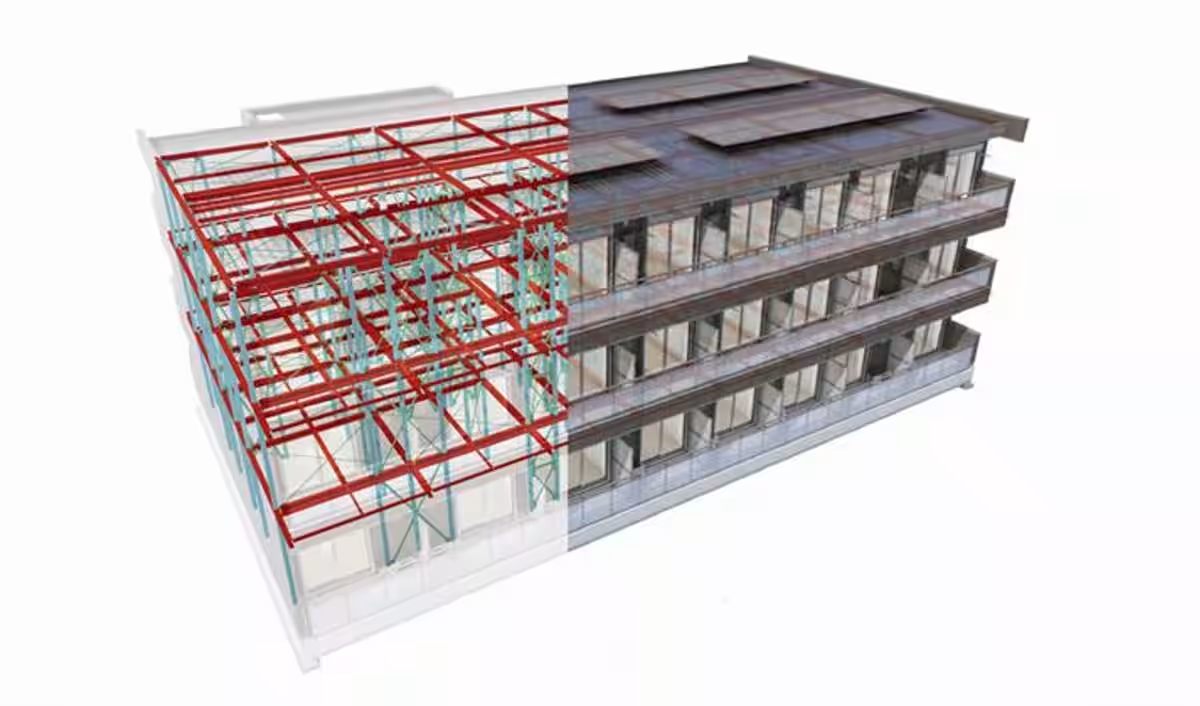
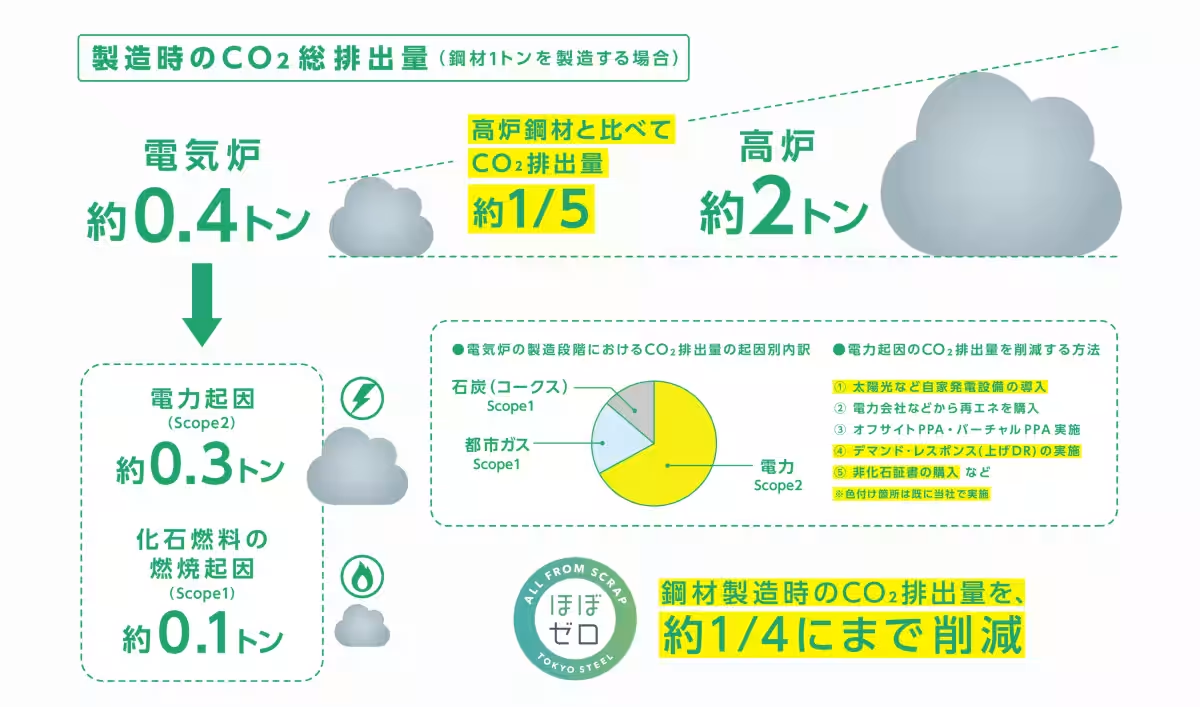
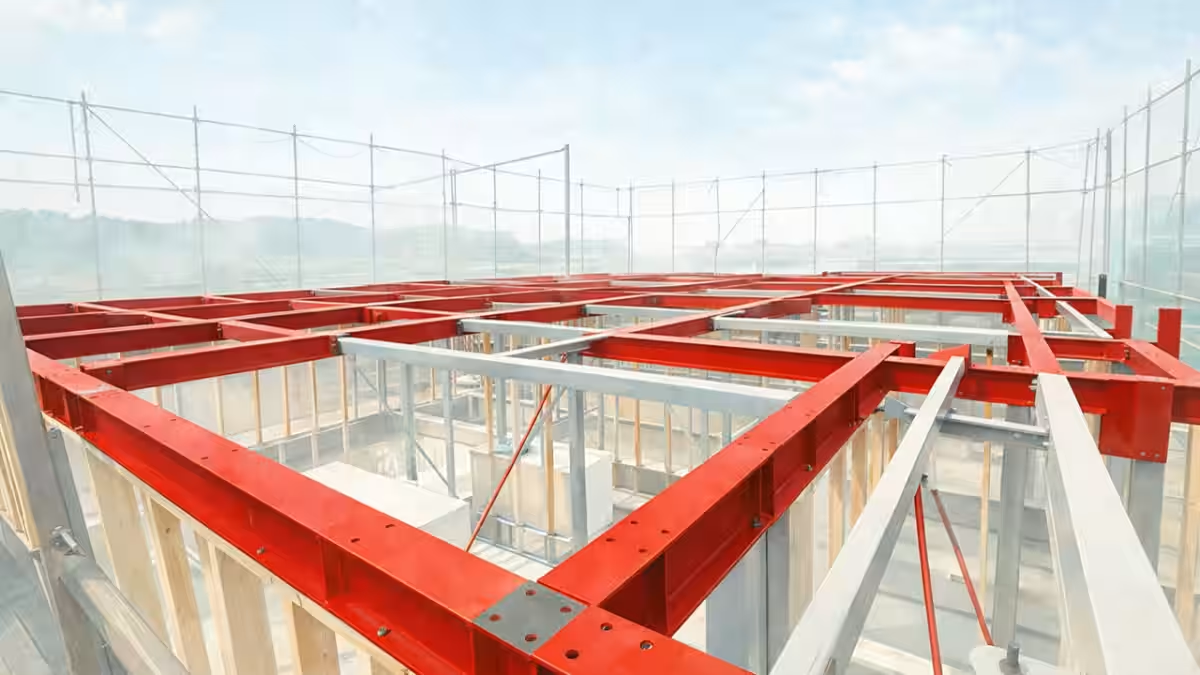
In its initiative, ADI plans to replace conventional H-beams used for the frames of rental housing with the Hobo Zero low CO2 steel. These beams constitute about 25% of the building’s structural weight, thus making this primary component switch essential for maximizing emissions reduction. Hobo Zero, manufactured using electric furnace technology powered by renewable energy, reduces CO2 emissions by roughly 75% compared to traditional steel—bringing production emissions down from 0.4 tons per ton to just 0.1 tons. This substantial reduction has been verified by third-party organizations, confirming its environmental performance.
Scenarios and Implications
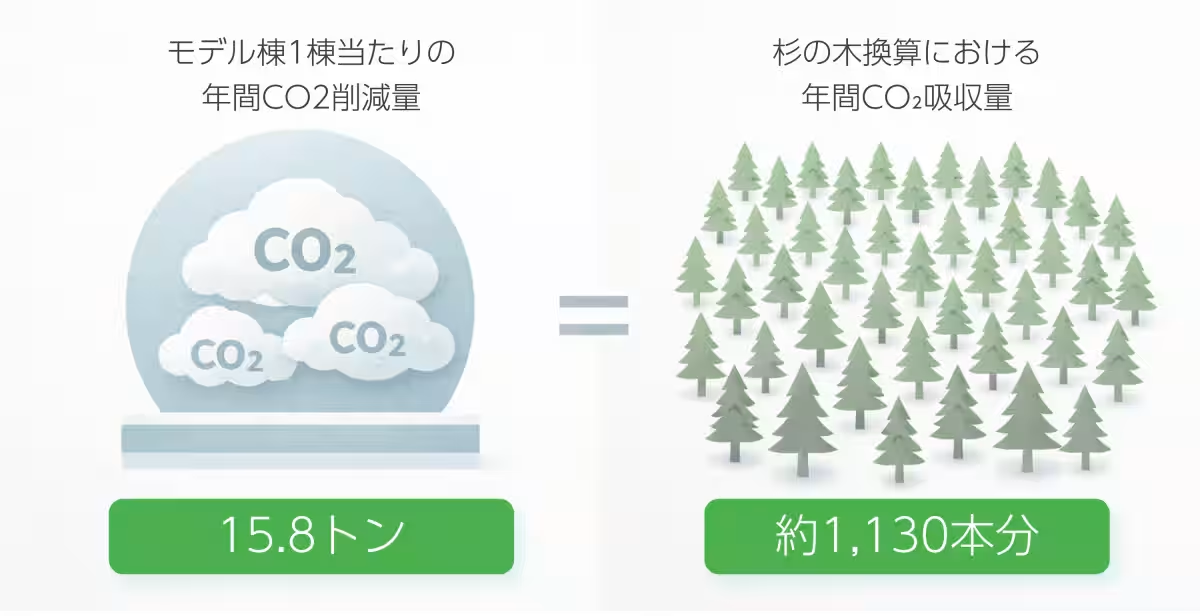
The anticipated results from the model buildings illustrate a potential drop in CO2 emissions by about 67.9 tons, leading to significant ecological benefits—comparable to the annual absorption rate of approximately 113,000 cedar trees. Such figures highlight the monumental impact of this transition on carbon management and demonstrate the crucial role that compliant materials can play in construction sustainability.
Future Prospects
Through the standardization of Hobo Zero, ADI aims to validate the practicality of low CO2 steel and promote the wider use of environmentally friendly building materials, significantly contributing to the decarbonization efforts across the construction industry.
About Architect Developer
Starting from May 1, 2026, Architect Developer will rebrand as Teikoku Real Estate Co., Ltd., with a mission to cultivate beautiful living spaces through comprehensive rental housing development and management. With a data-driven business model and a team of finance experts, ADI ensures to deliver optimal value to property owners, investors, and residents alike. Looking ahead, ADI aspires to be a partner in lifestyles and assets over the next 50 to 100 years, collaboratively shaping the community's future.
For more details, visit ADI's website.



Topics Consumer Products & Retail)

【About Using Articles】
You can freely use the title and article content by linking to the page where the article is posted.
※ Images cannot be used.
【About Links】
Links are free to use.