



Insights from the B2B Marketing Implementation Orchestration Survey
Orchestration in B2B Marketing: Survey Insights
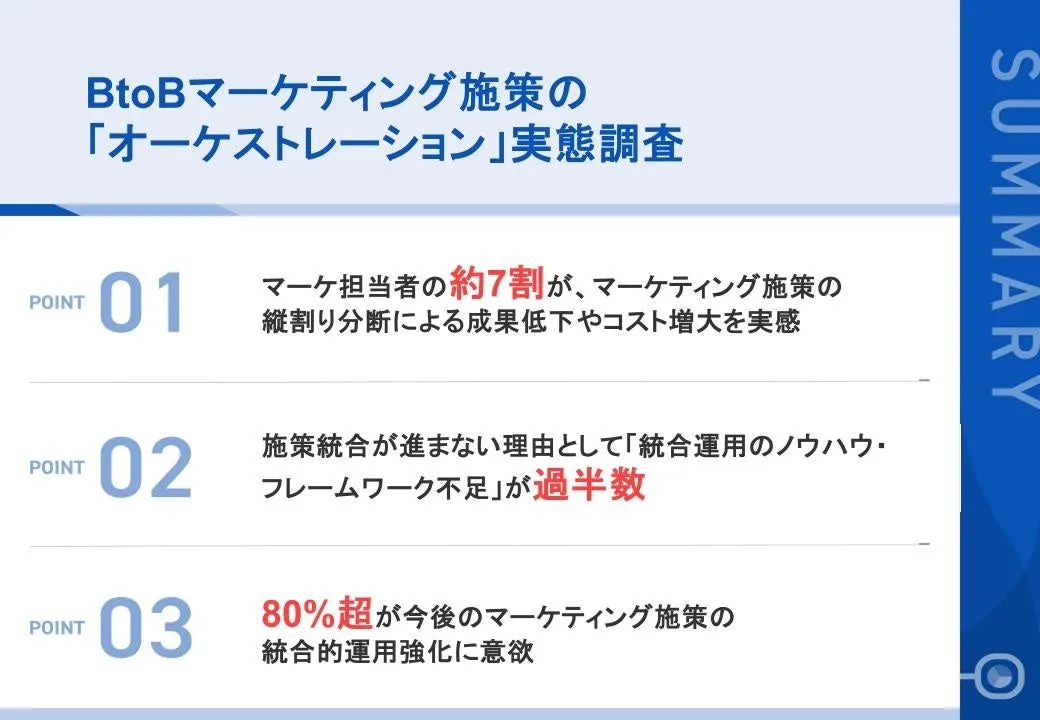
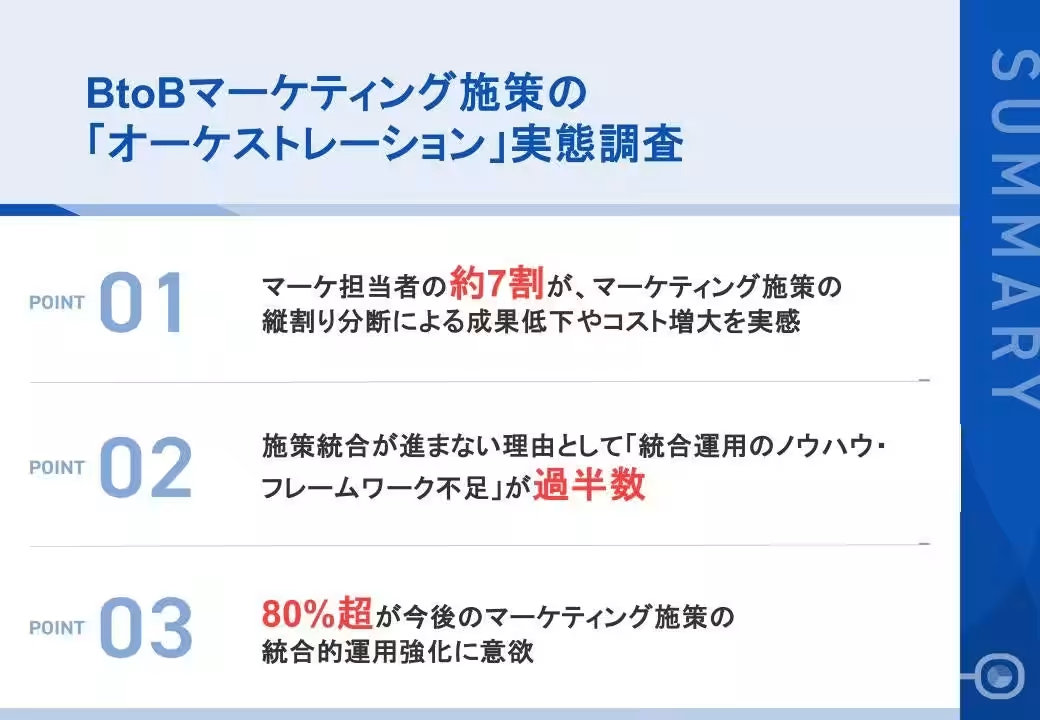
A recent survey conducted by IDEATECH and Bizibl Technologies surveyed 325 individuals involved in B2B marketing, uncovering insights about the current state of orchestration in marketing strategies. Key findings indicate a significant gap between the desire for integrated marketing operations and the current achievement rates.
Survey Highlights
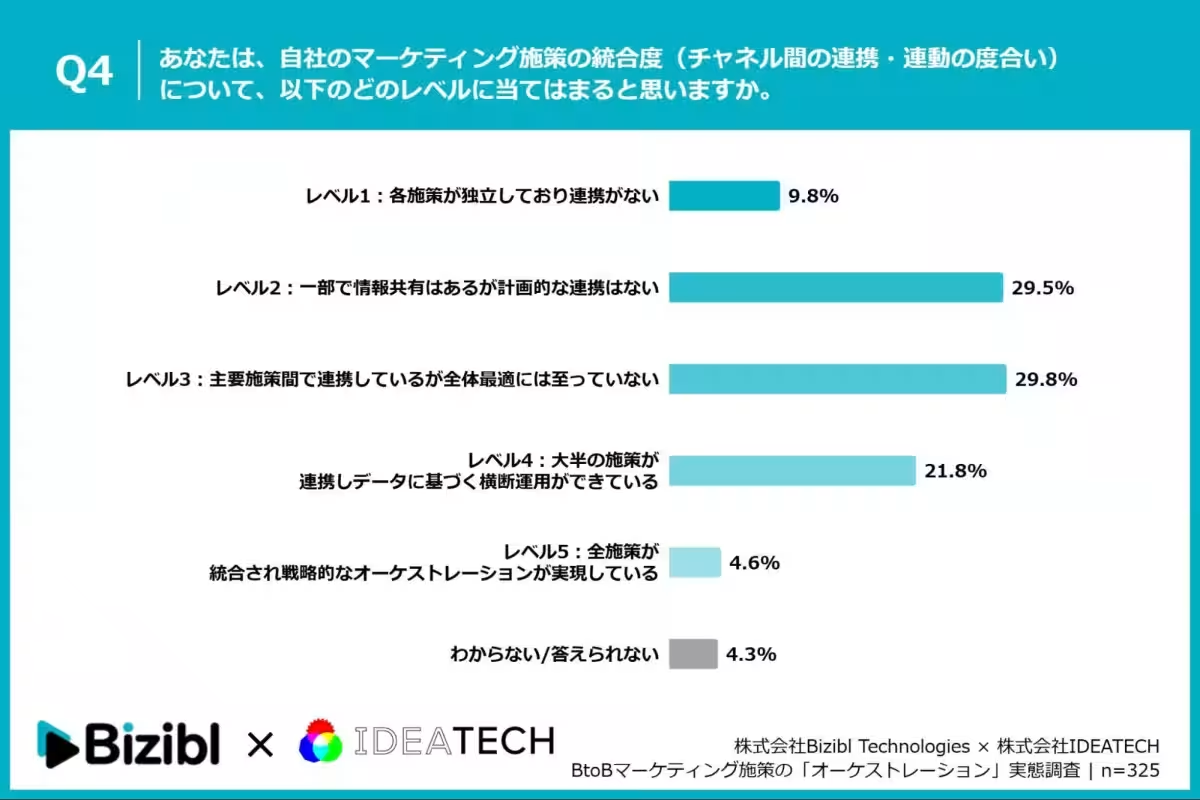
1. Desire for Integration: 84.3% of respondents expressed a desire to integrate their marketing initiatives. However, only 4.6% reported that they have successfully implemented such integration. This stark 80% discrepancy raises questions about the barriers facing B2B marketers.
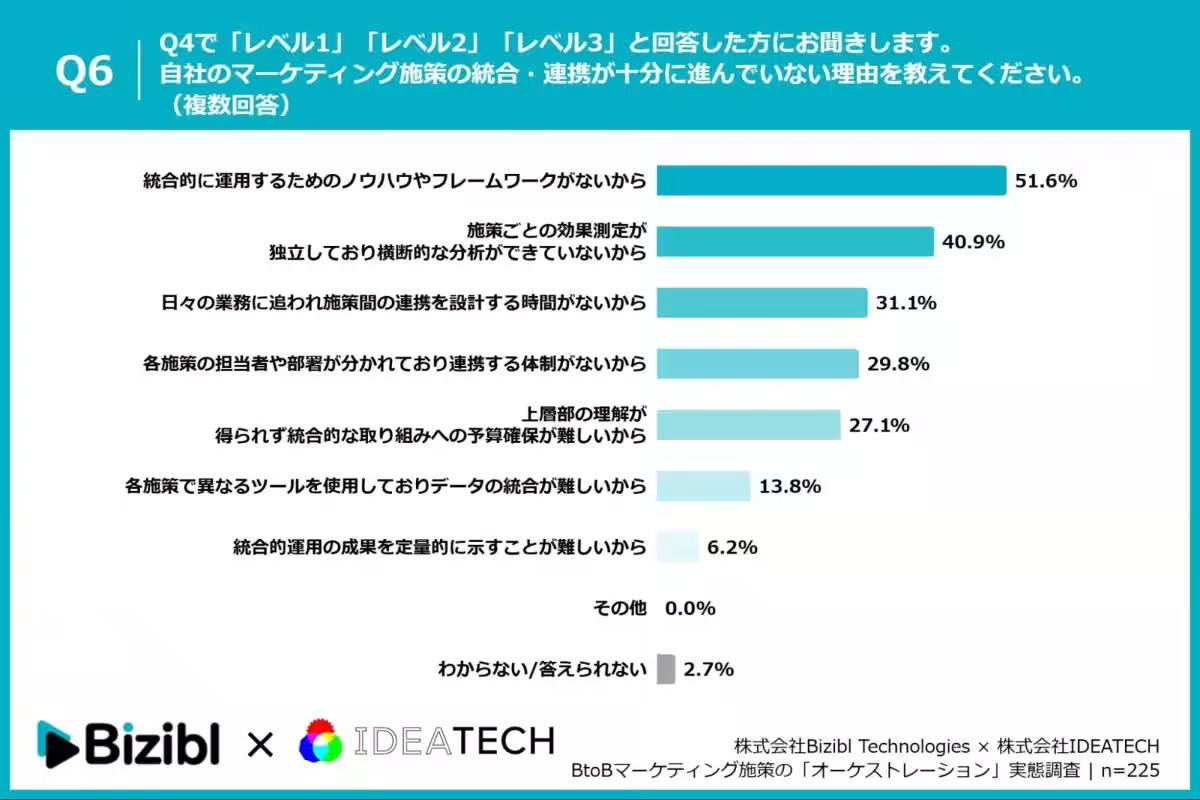
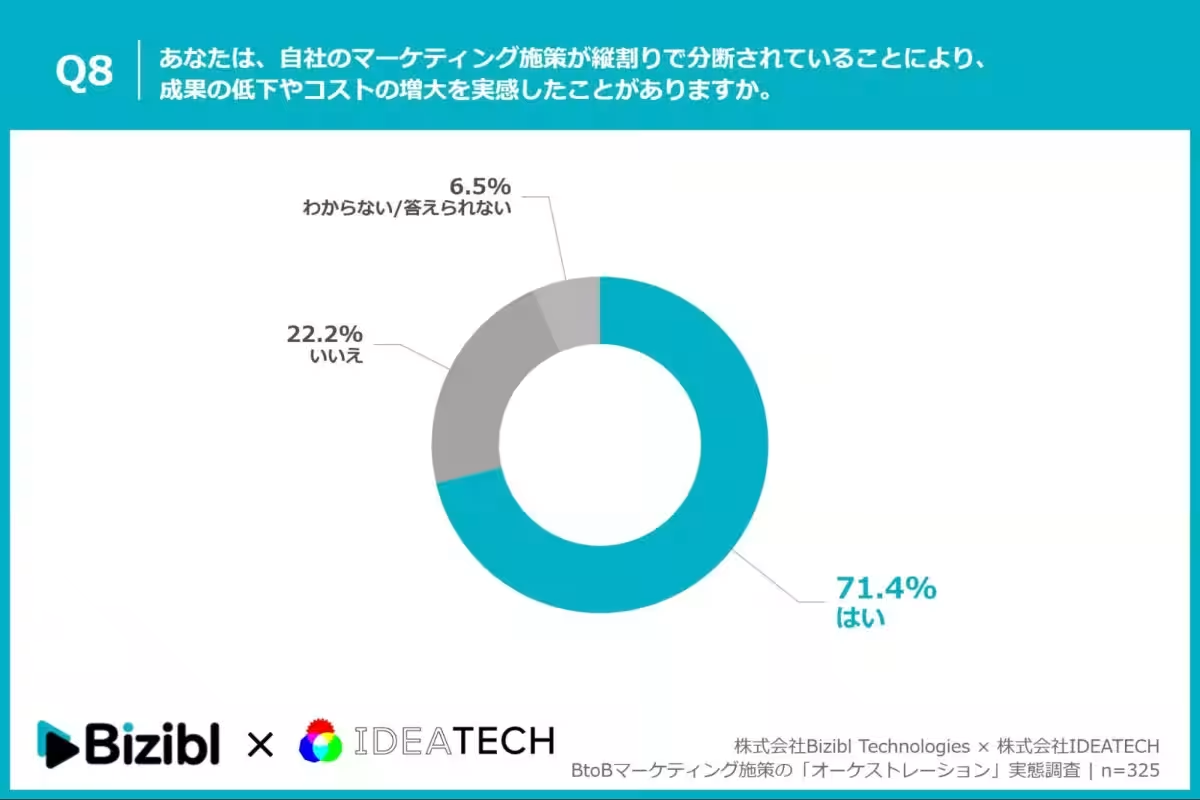
2. Silos in Marketing Efforts: Nearly 70% of marketers acknowledged that the fragmentation of their marketing efforts leads to decreased performance and increased costs. The primary challenge identified is the lack of know-how and frameworks for integrated operations, with 51.6% of respondents highlighting this issue.
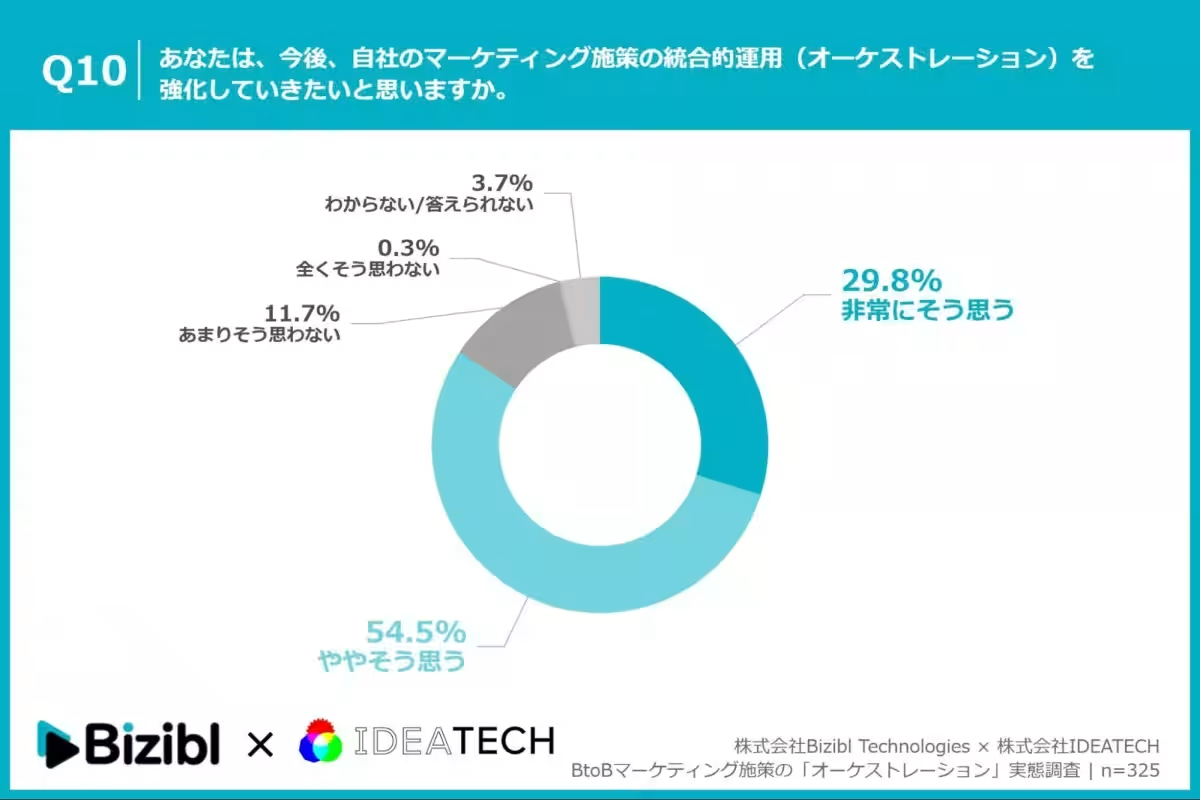
3. Future Improvements: Over 80% of participants are motivated to strengthen the orchestration of their marketing strategies moving forward. Despite this ambition, many feel hindered by organizational structures that promote siloed operations.
Detailed Findings
Marketing Channels Effectiveness
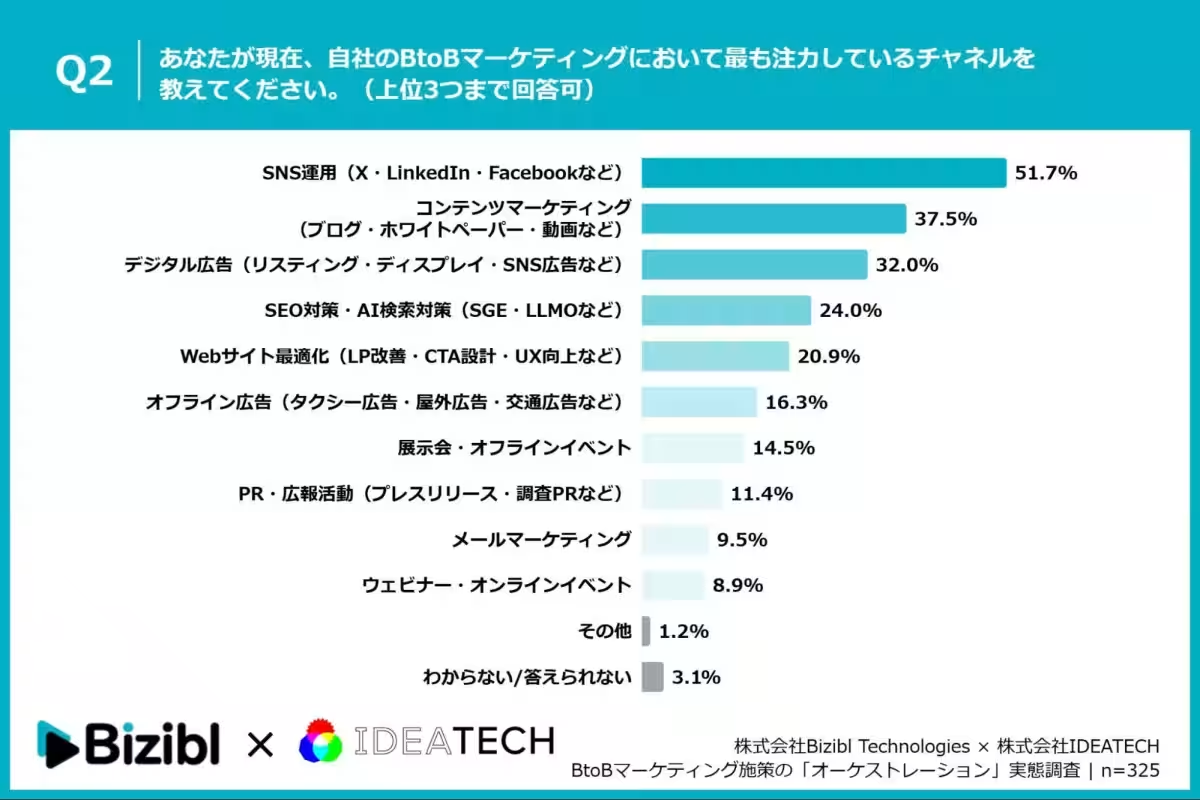
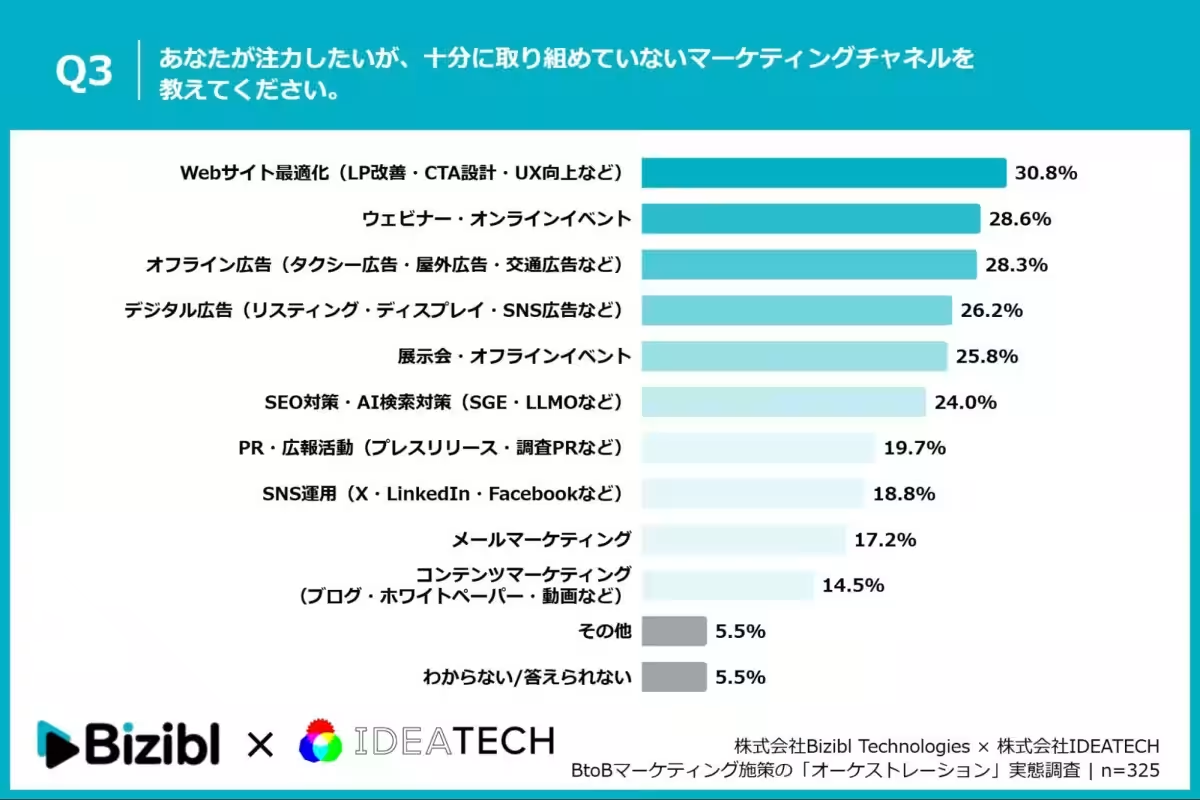
The survey revealed significant insights into the channels B2B marketers prioritize. When asked which marketing channels they focus on most, 51.7% named social media management (including platforms like LinkedIn and Facebook) as their primary focus, followed by content marketing at 37.5%. Conversely, many respondents reported that they are keen to improve their website optimization (30.8%) and webinars/online events (28.6%), but have struggled to make significant strides in these areas due to resource constraints and lack of integration.
Levels of Integration
Respondents were asked to assess their marketing initiatives' integration levels. Results showed that approximately 68.6% categorized their efforts at levels 1 and 2, indicating minimal integration. Notably, just 4.6% achieved comprehensive integration across all channels. This revelation emphasizes the need for actionable frameworks to facilitate better collaboration and data sharing between teams.
Challenges of Siloed Structures
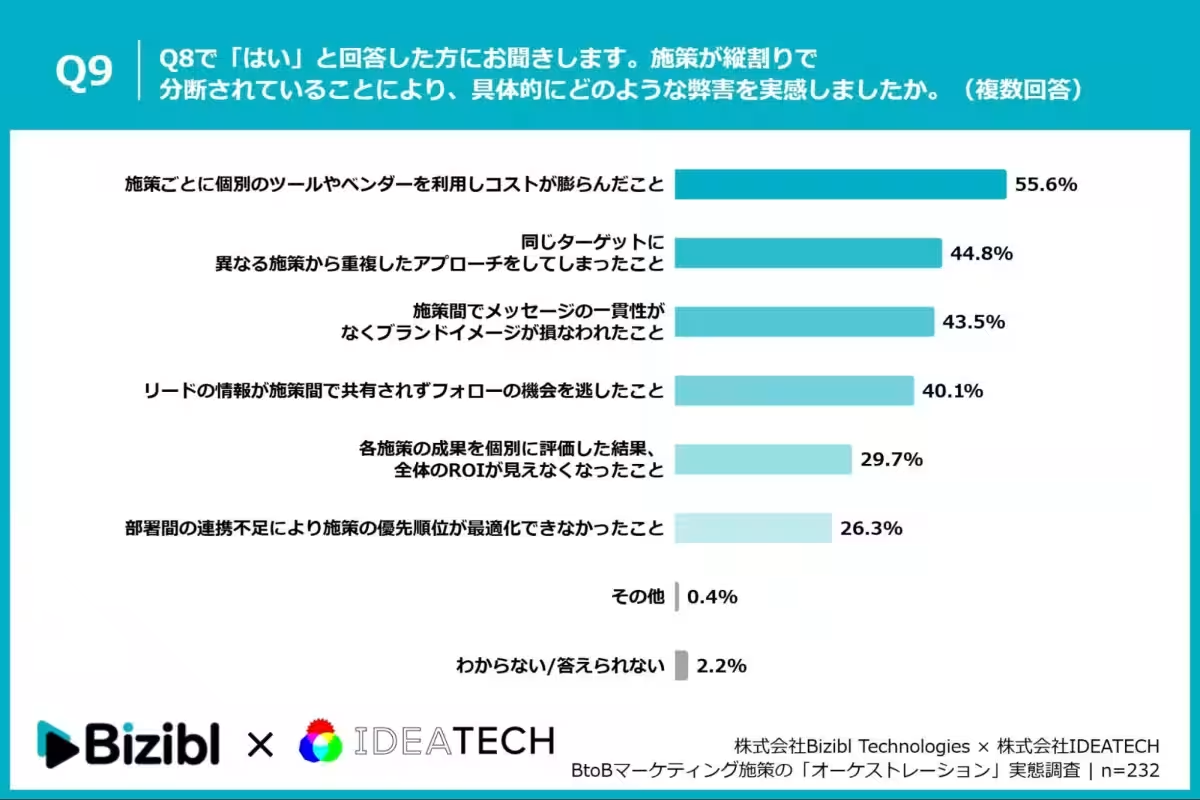
Over 71.4% of participants noted that a lack of integration results in significant cost escalations and diminished returns on investment. Specific grievances include high marketing costs due to using separate tools for different initiatives (55.6%) and overlapping efforts targeting the same audience (44.8%). These concerns highlight the urgency for organizations to address the inefficiencies caused by siloed operations.
Promoting Orchestration
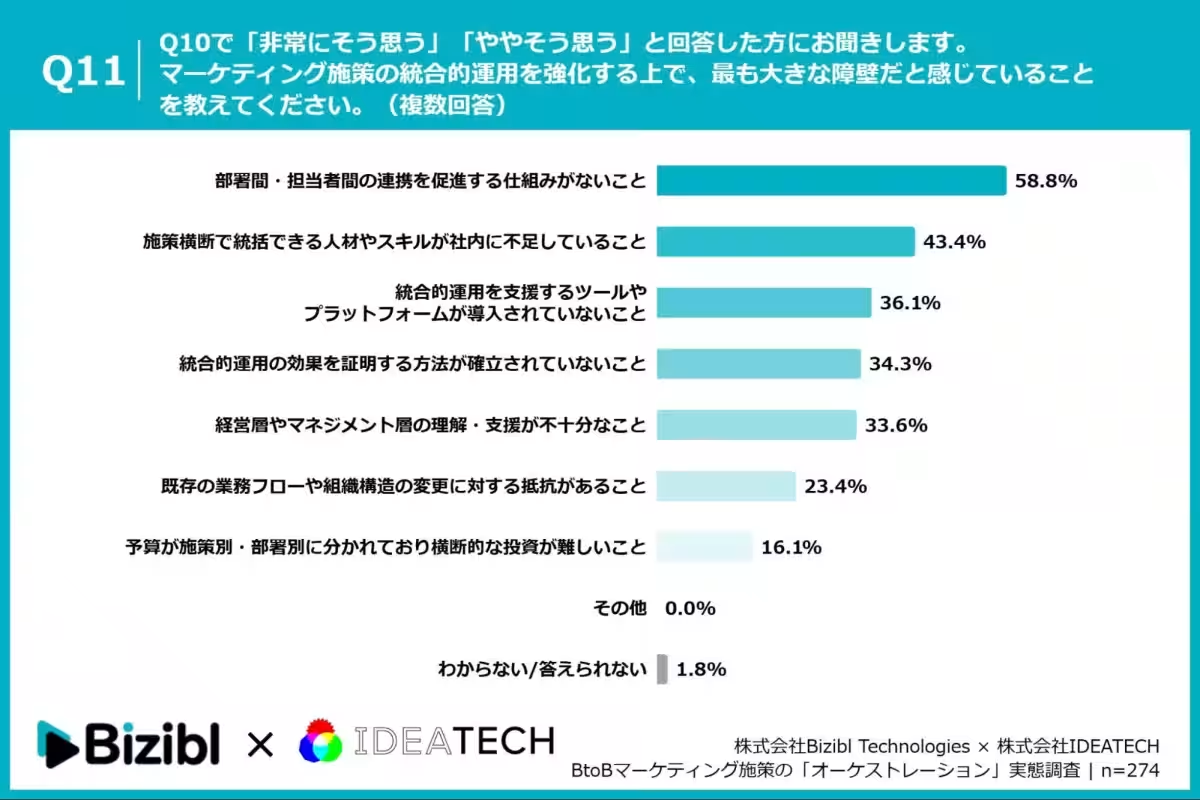
To navigate these challenges, nearly 58.8% of marketers signal a lack of structured mechanisms to promote inter-departmental collaboration as a major barrier. Additionally, there's a notable deficiency in skilled personnel capable of overseeing integrated marketing strategies, with 43.4% of respondents highlighting this issue.
Conclusion
The findings of this survey underscore the importance of prioritizing integrated marketing operations in the B2B sector. While awareness of the need for orchestration is high, many marketers are left grappling with fragmented approaches that undermine their efforts. To move toward effective marketing orchestration, companies must consider reevaluating their organizational structures, enhancing cross-channel collaboration, and investing in training that builds the necessary expertise to implement cohesive strategies.
Upcoming Conference
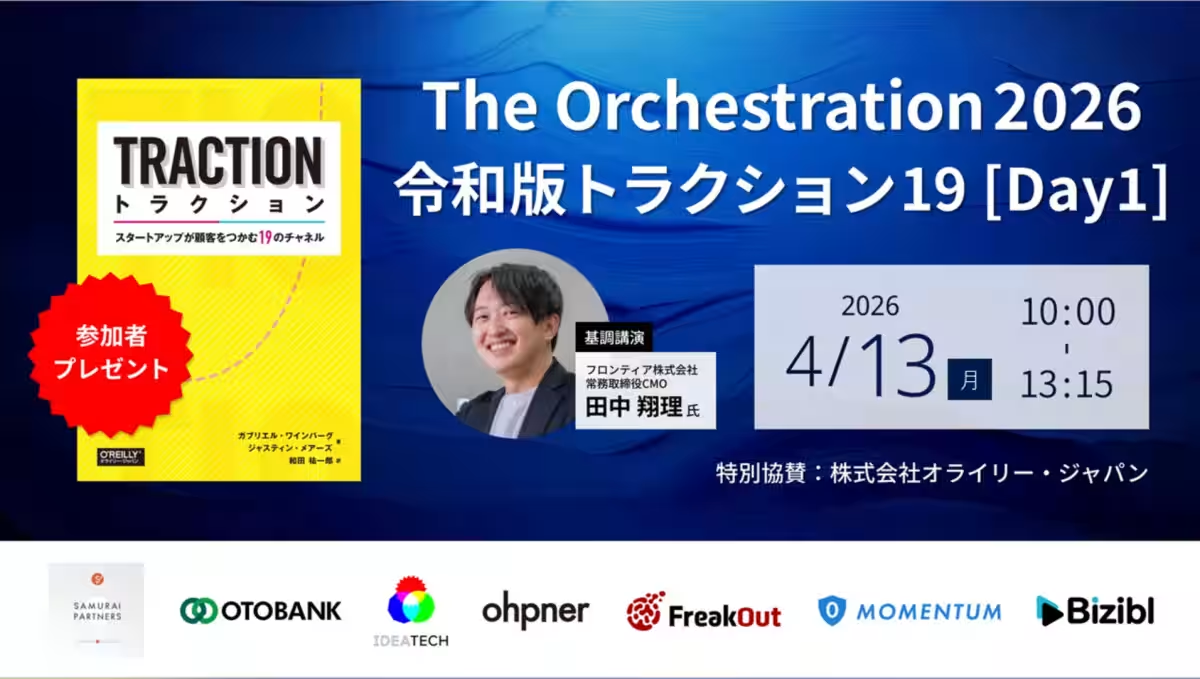
For those interested in exploring these insights further, an online conference titled "The Orchestration 2026" will delve deeper into topics related to integrated marketing strategies and innovative approaches to modern business environments. Event details can be found here.
By addressing the gaps identified in the survey, B2B marketers can effectively enhance their operational efficiency and drive significant improvements in their marketing outcomes.
Topics Business Technology)

【About Using Articles】
You can freely use the title and article content by linking to the page where the article is posted.
※ Images cannot be used.
【About Links】
Links are free to use.