



Long-term Trends in Household Salt Consumption in Japan Analyzed
Long-term Trends in Household Salt Consumption
The Japan Salt Business Center, located in Shinagawa, Tokyo, has released a newsletter titled "Household Salt Consumption (Part 3)" on its official website. This newsletter continues from earlier issues, focusing on the consumption patterns of salt in households over an extended period, specifically from 2000 to 2024, utilizing data from the Ministry of Internal Affairs and Communications' "Household Survey" and the "Shio MAP®" database.
The Japan Salt Business Center is dedicated to investigating and disseminating information about salt consumption trends. Earlier newsletters (Part 1 in August 2021 and Part 2 in November 2021) set the stage for this comprehensive analysis. The insights provided in this newsletter offer a detailed look at how salt is purchased and consumed within households, highlighting significant changes over the years.
Decrease in Salt Usage Across Various Dishes
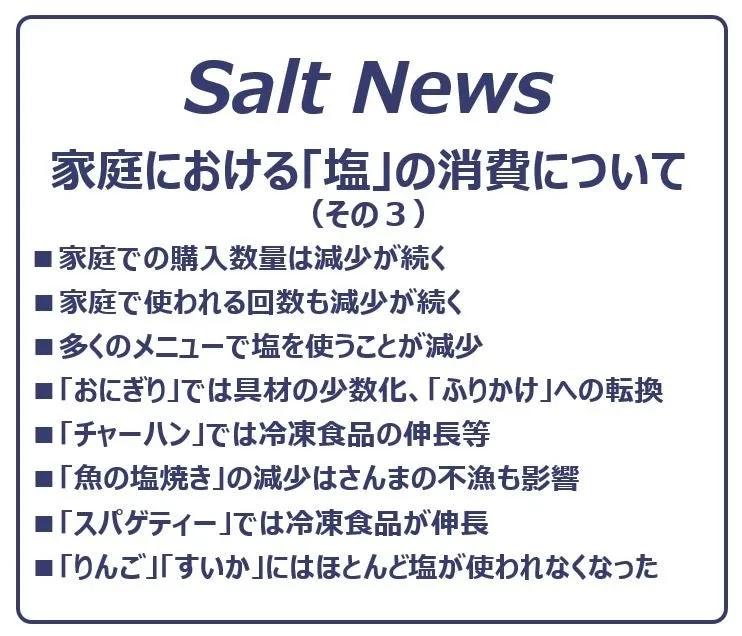
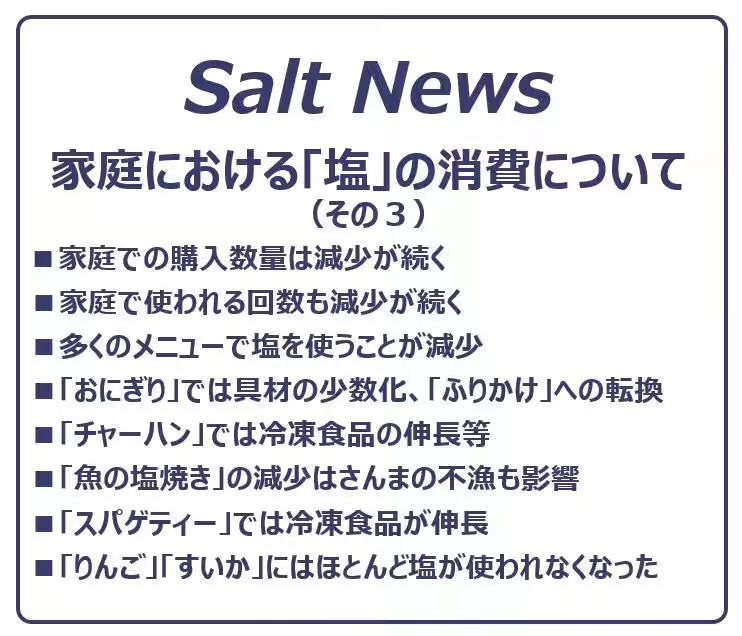
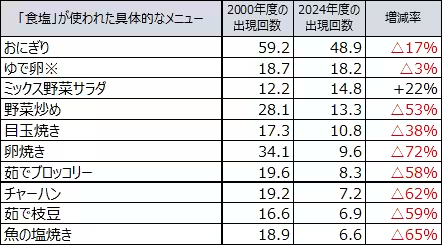
One of the most noteworthy findings is the reduction in the use of salt in many popular dishes. According to data from the "Shio MAP®", the leading dish using salt is rice balls (onigiri), yet the frequency of salt use has declined across almost all dishes when comparing 2024 data to that from the year 2000.
The frequency of menu occurrences, as measured per 1,000 households, indicates this trend vividly; for instance, if a household uses salt for breakfast and dinner, it accrues to a cumulative occurrence, contributing to the measured frequency.
The reduction in the total number of dishes utilizing salt is significant. For example, while rice balls remain a staple, the proportion of households incorporating multiple ingredients into their preparation has significantly decreased, resulting in lower overall salt usage.
Changes in Onigiri Preparation
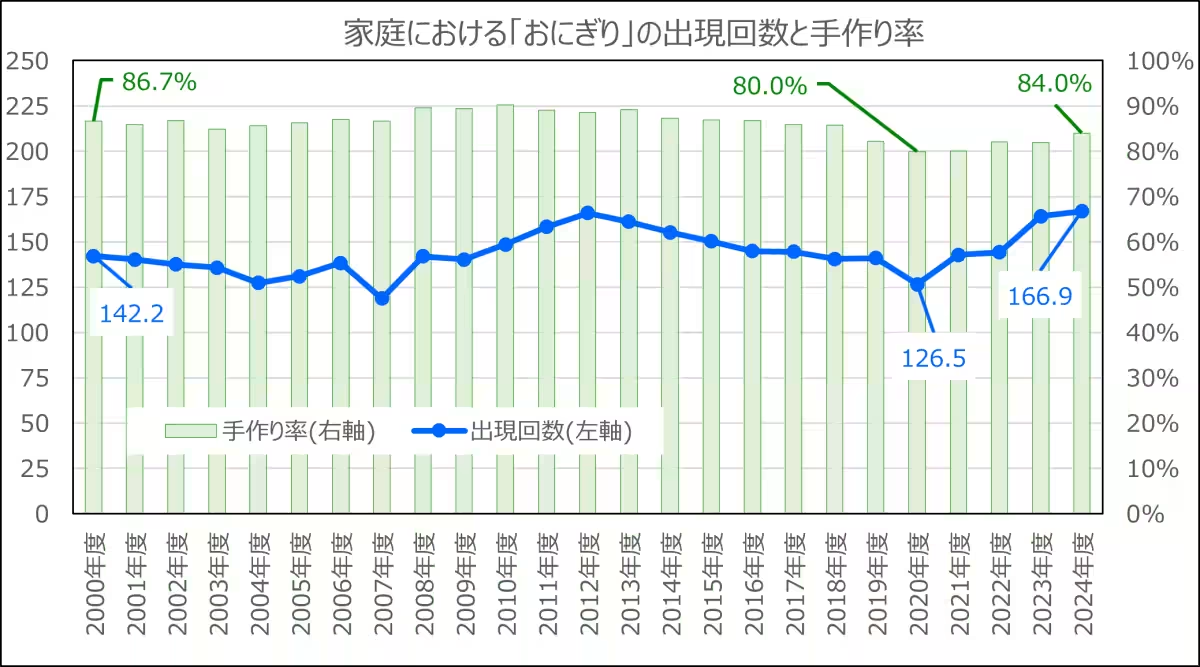
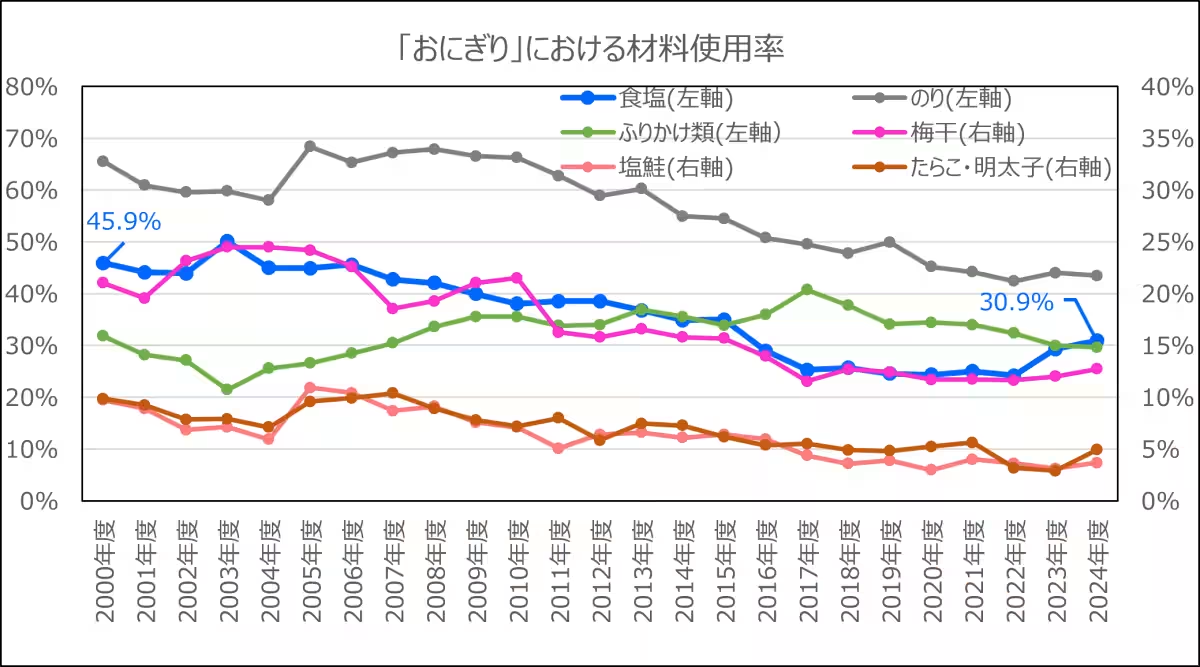
Interestingly, while the frequency of onigiri appearing on tables has slightly increased, the materials used for its preparation indicate a shift towards less salt usage. Comparing the 2000 data with that of 2024 shows that the ratio of households preparing onigiri from scratch has remained relatively stable. However, the materials used have changed.
The growth of convenience food and garnishes like furikake (rice seasoning) has contributed to this transformation. Families are increasingly finding alternatives to seasoning rice with salt, favoring ready-to-use options.
This trend suggests that rather than utilizing multiple salt-based ingredients, households are simplifying the ingredients in their onigiri, potentially switching from traditional ingredients like nori and umeboshi to over-the-shelf options that provide similar flavors without the need for added salt.
Implications of Findings
The insights offered by the Japan Salt Business Center shed light on a clear trend – as people become more health-conscious, they appear to be moving away from excessive salt usage in everyday cooking. This evolution in dietary habits may reflect broader health initiatives aimed at reducing sodium intake across Japanese households.
For a more detailed look at these findings and the complete data, readers are encouraged to visit the official website of the Japan Salt Business Center. The newsletter offers graphs and tables that illustrate these changes effectively.
For those wishing to cite the information from this article or use any accompanying graphics, please reference the newsletter "Household Salt Consumption (Part 3)" from the Japan Salt Business Center. Requests for usage of 'Shio MAP®'-based charts should be directed to the Center directly for permission.
Contact Information
- - Japan Salt Business Center
Phone: 03-5743-7711
Fax: 03-5743-7775
Official Website
Chairman: Kyoichi Saito
Established: July 1, 1996
Activities: Research on salt, provision of household salt, etc.
This report emphasizes the evolving culinary trends in Japan, especially concerning salt use, reflecting a growing awareness around health.
Topics Consumer Products & Retail)
【About Using Articles】
You can freely use the title and article content by linking to the page where the article is posted.
※ Images cannot be used.
【About Links】
Links are free to use.