



Introducing Player One Astronomy's New Line of CMOS Cameras for Astrophotography
Player One Astronomy's New CMOS Camera Release
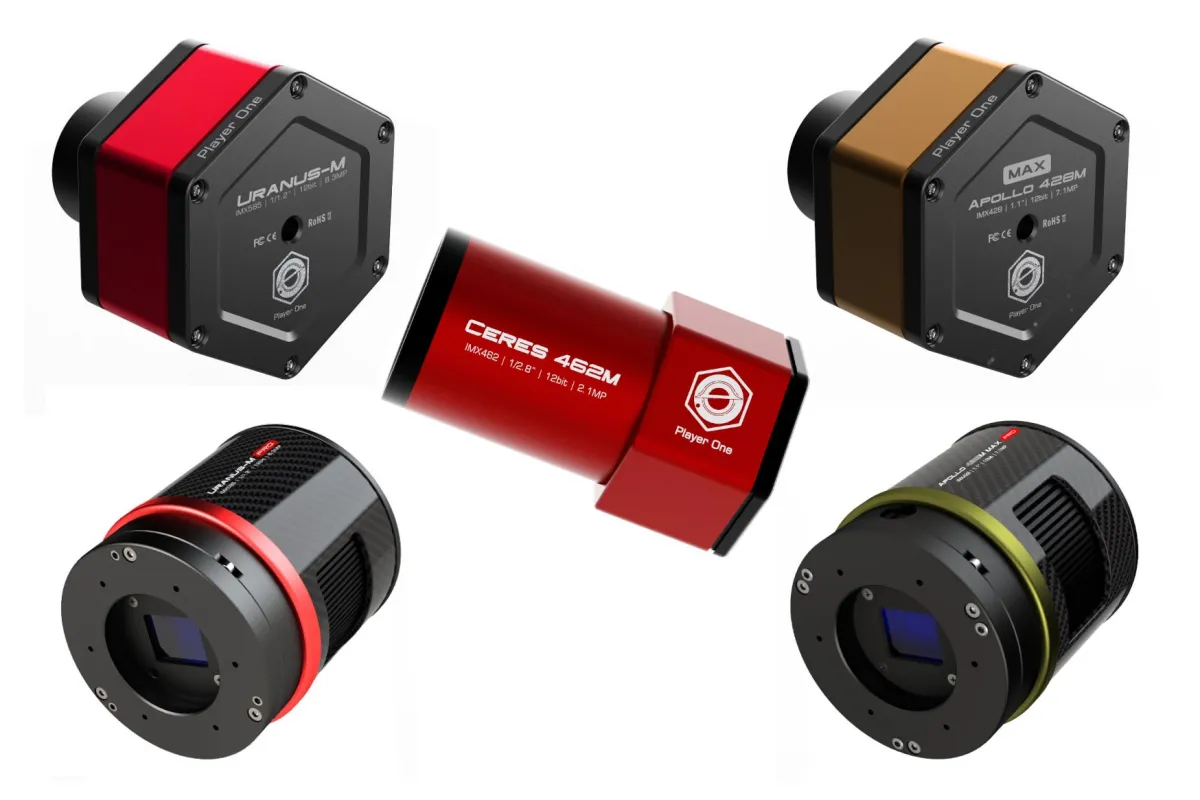
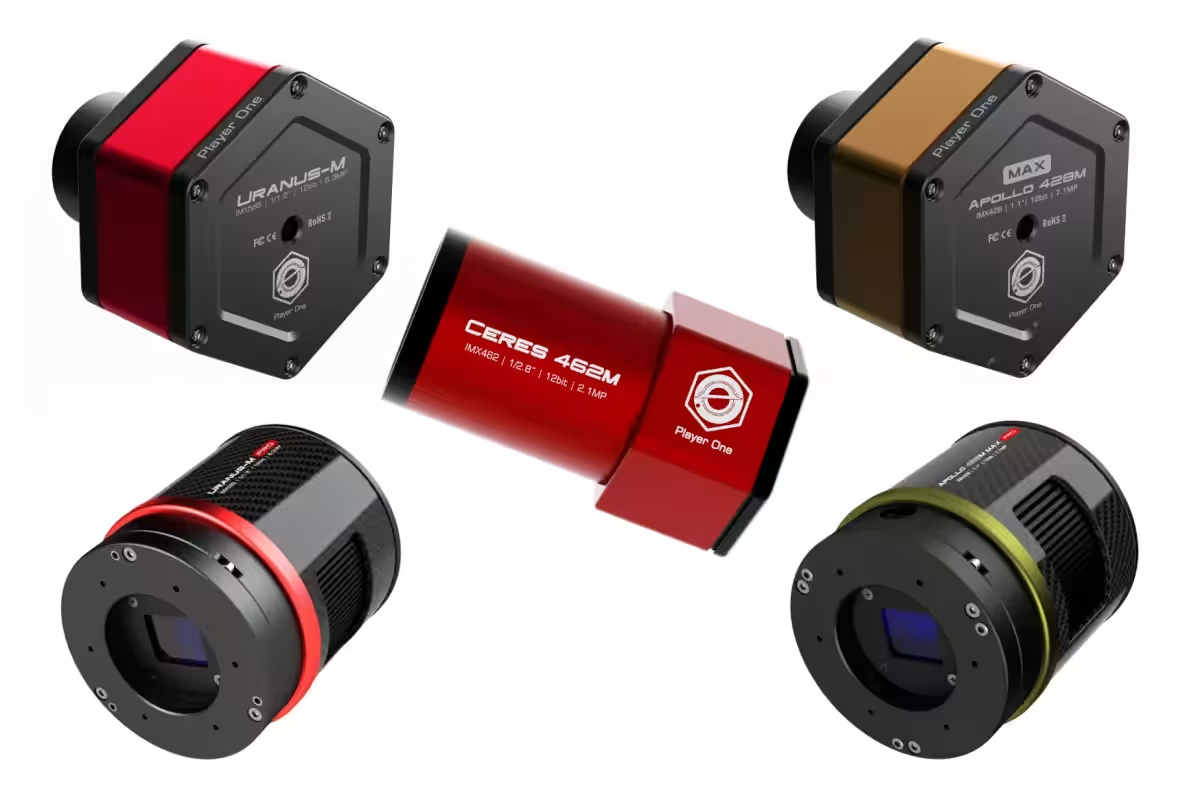
In an exciting announcement, Sightron Japan has unveiled the latest series of CMOS cameras developed by Player One Astronomy. Set to launch on May 7, 2025, the lineup includes five models: the Uranus-M, Uranus-M Pro, Apollo 428M MAX, Apollo 428M MAX Pro, and Ceres 462M. These advanced cameras promise to enhance the experience for amateur and professional astrophotographers alike.
The Uranus Series
Uranus-M and Uranus-M Pro Features
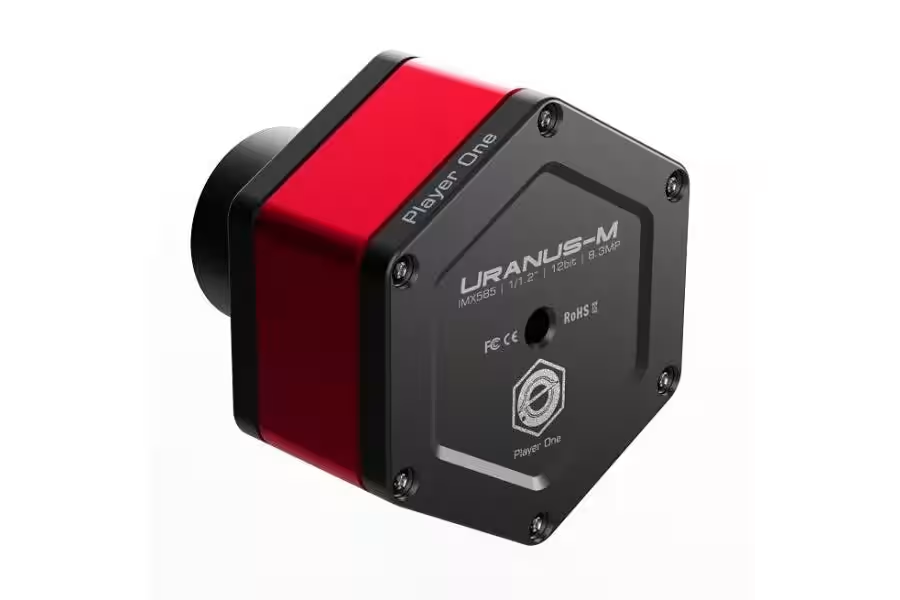
The Uranus-M series features a back-illuminated monochrome CMOS sensor, the IMX585, from Sony, which offers around 8.3 million pixels. This makes it ideal for capturing nebulae, the Sun, the Moon, and various planets.
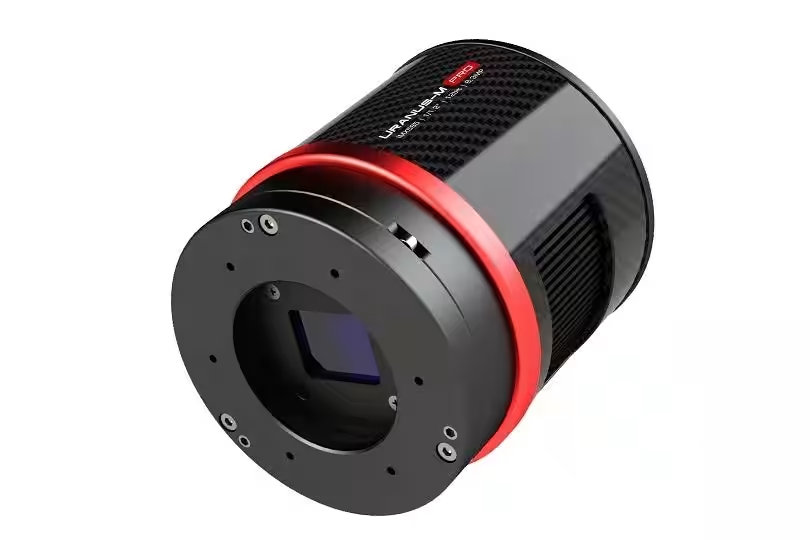
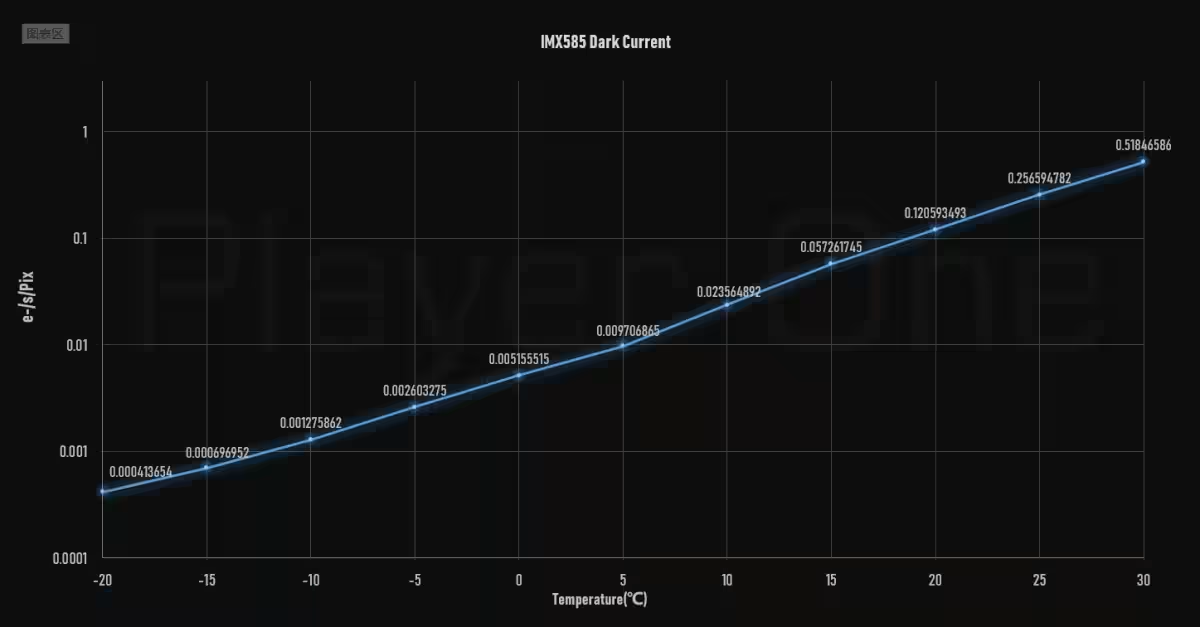
- - Uranus-M Pro comes equipped with a cooling function that minimizes noise during long exposure sessions, ensuring high-quality imagery.
- - The pixel size of 2.9μm allows for stunning detail and resolution.
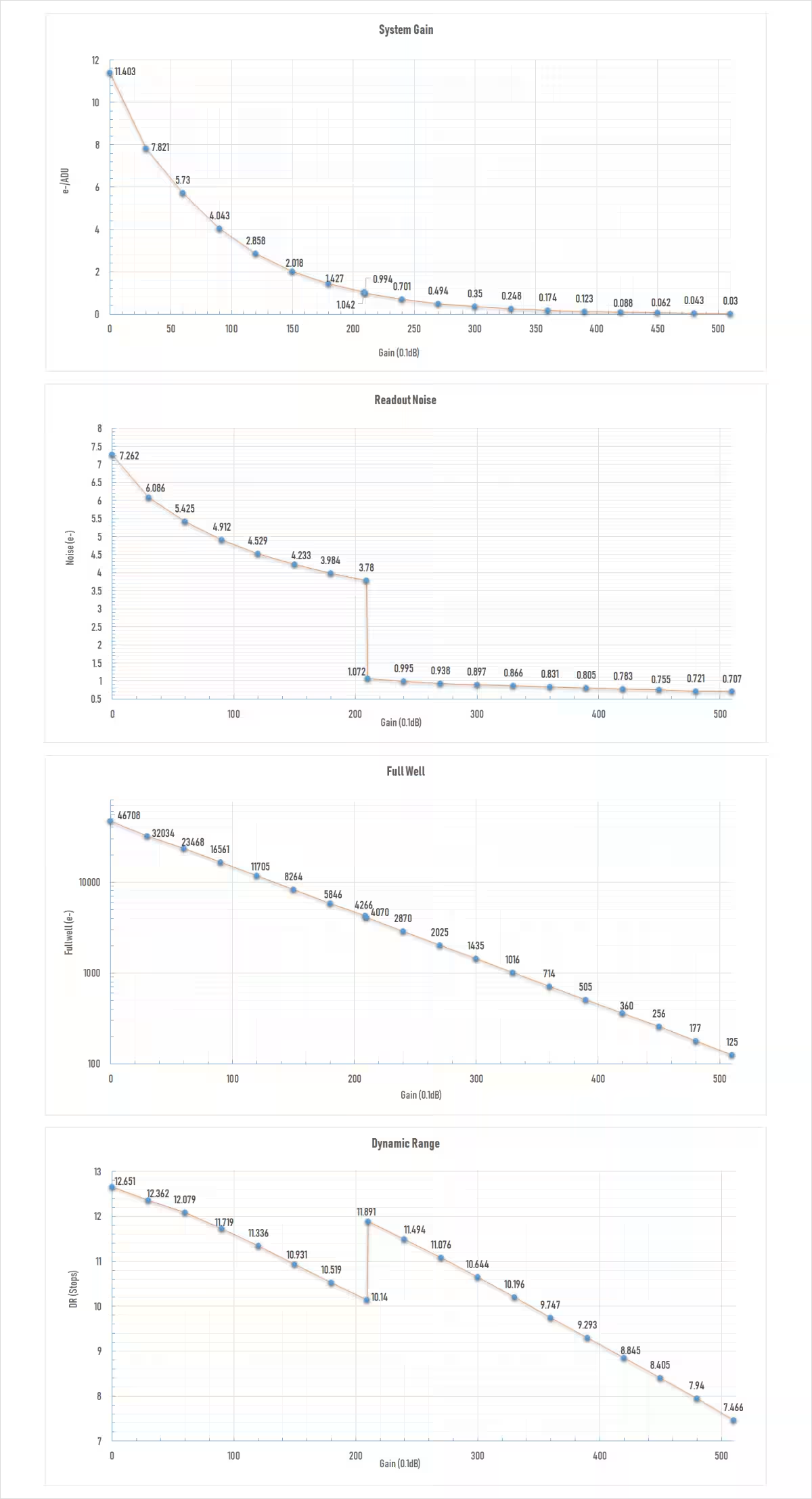
- - With a maximum full well capacity of 47ke-, it provides a broad dynamic range for rich tone representation.
- - The automatic switching to High Conversion Gain (HCG) mode at a gain above 210 helps reduce read noise to an impressive low of 0.7e-, capturing subtle details with precision.
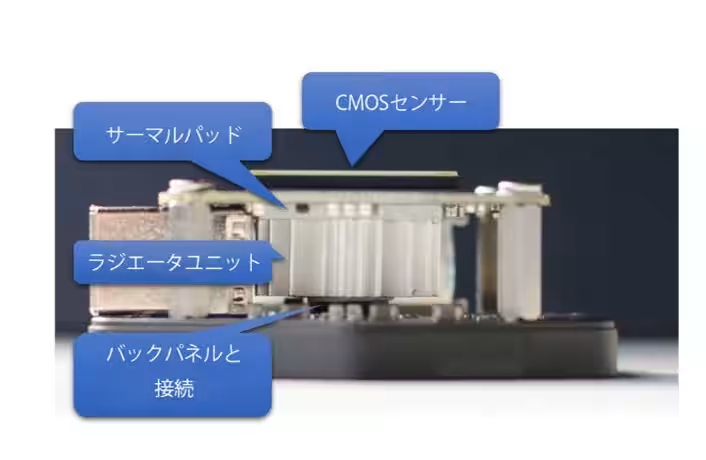
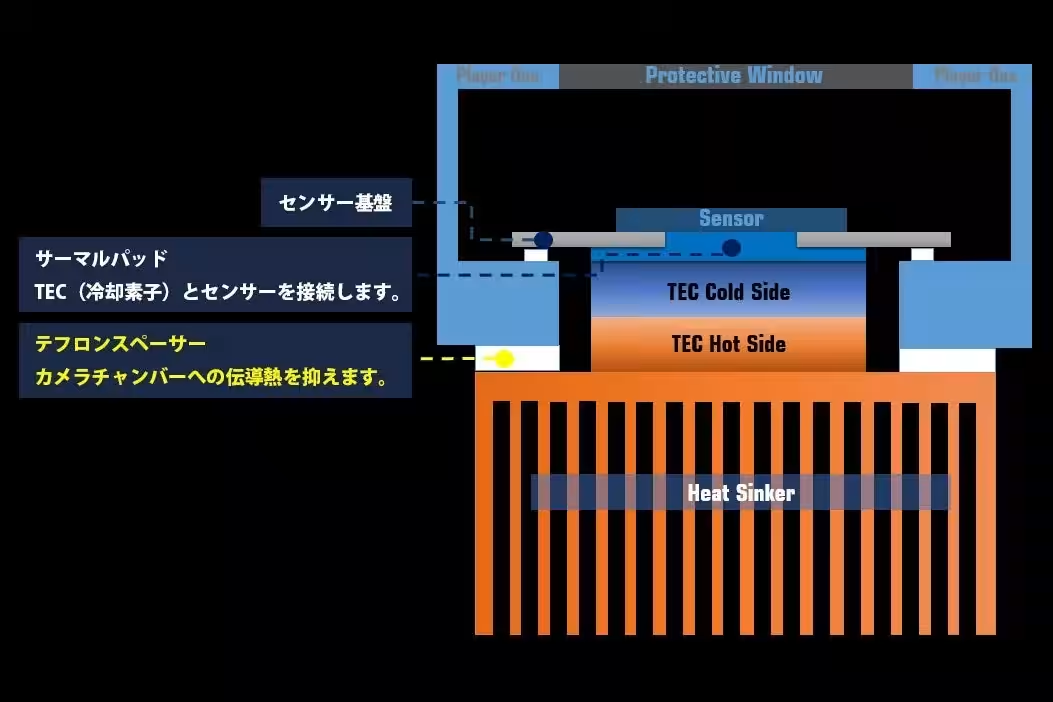
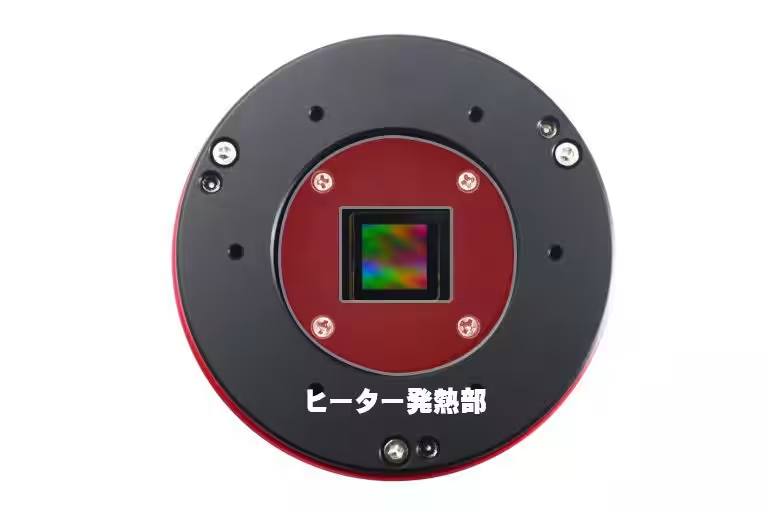
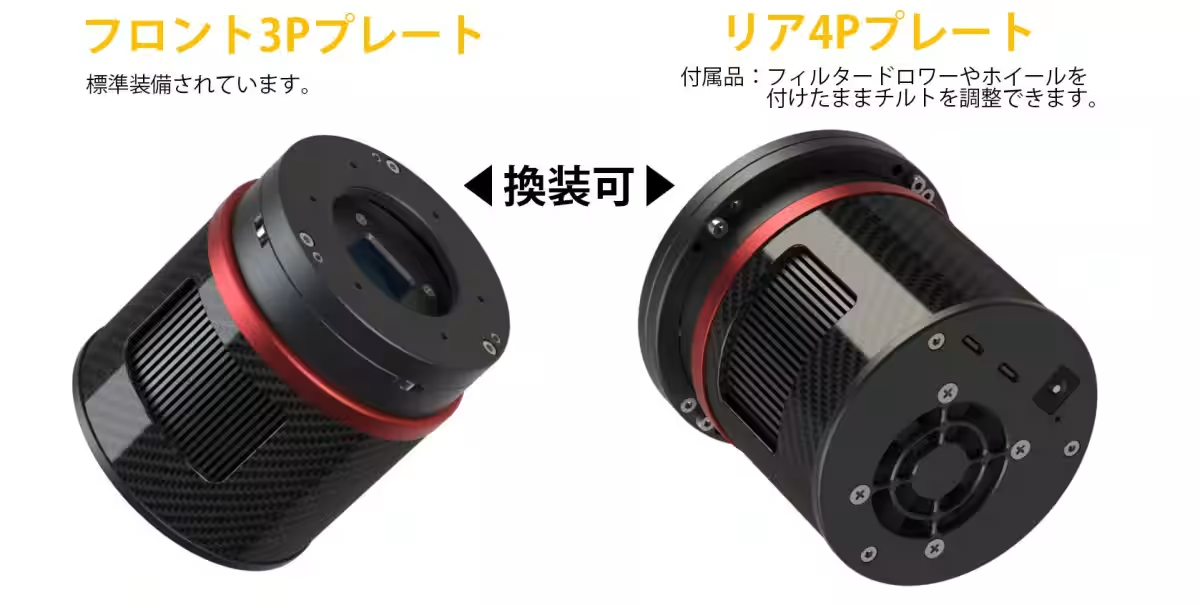
The cameras also feature a Non-Amplified Glow function that effectively suppresses heat and infrared noise, crucial for long exposure astrophotography. The Uranus-M model includes a passive cooling system to enhance thermal conductivity and maintain stable performance. On the other hand, the Uranus-M Pro features a dual TEC cooling system that can achieve cooling performance of -35°C below the ambient temperature, ensuring optimal operation.
Advanced Functionality
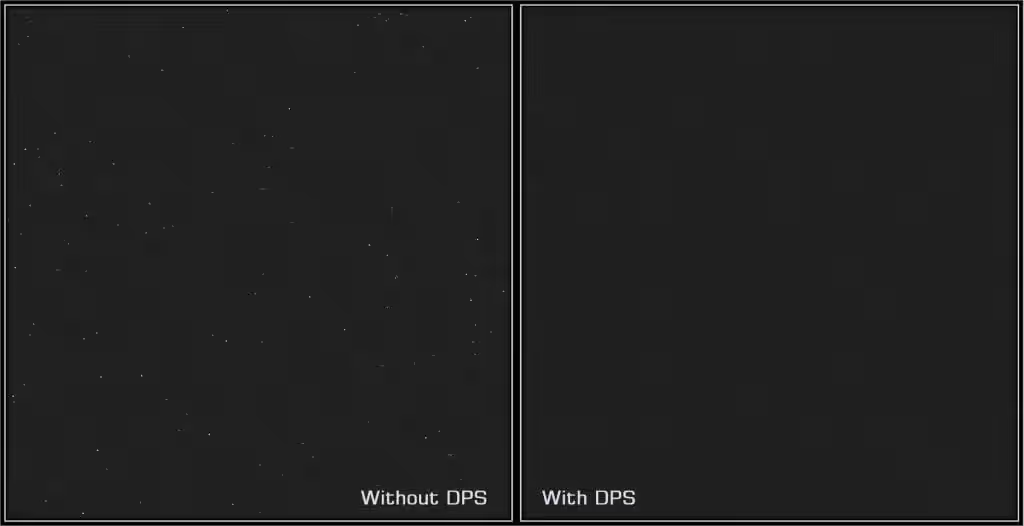
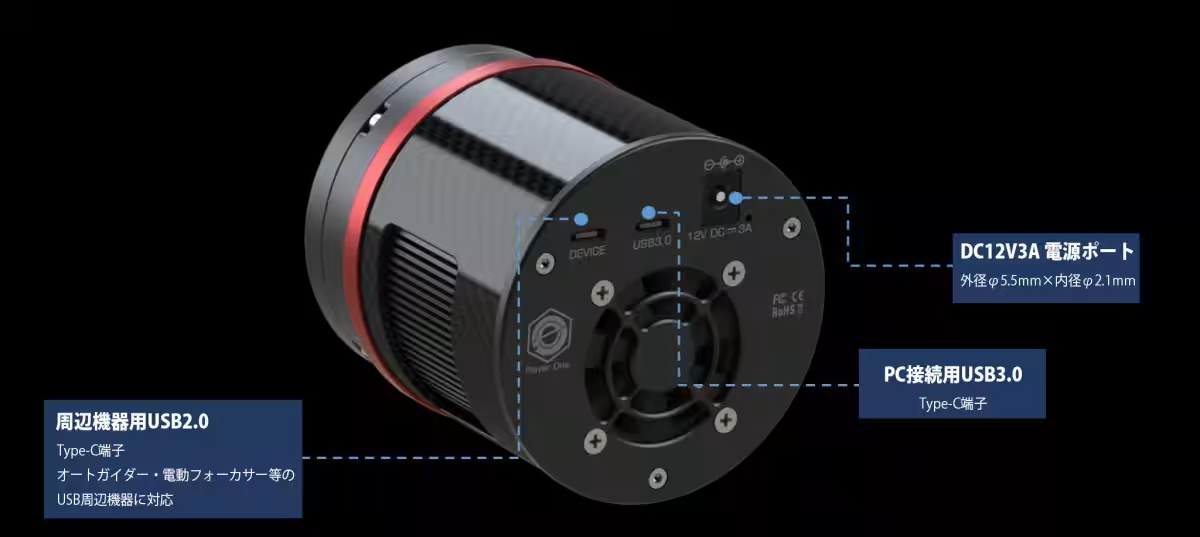
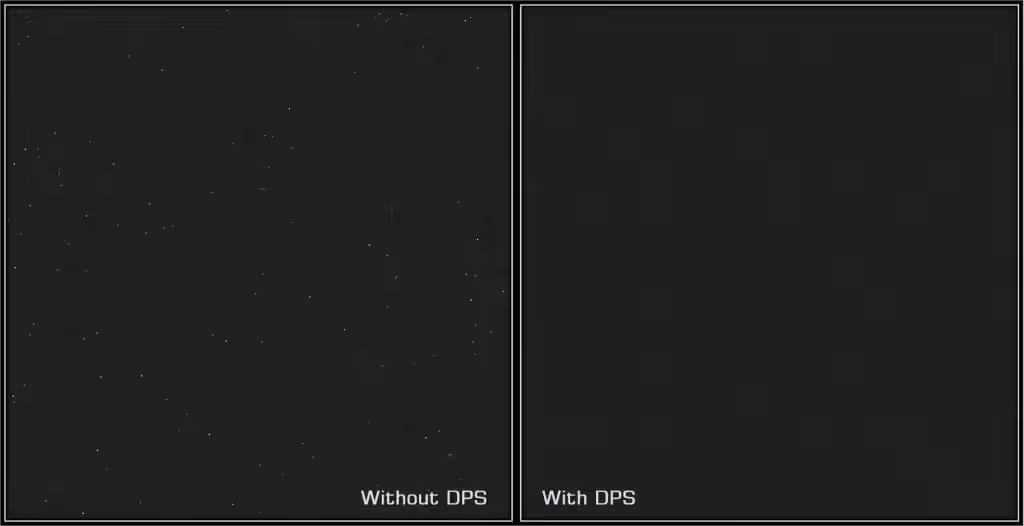
Both models are equipped with Dead Pixel Suppression (DPS) technology to automatically correct hot and cold pixels, significantly lowering post-processing workloads. The Uranus-M Pro also features advanced USB Type-C connectivity for rapid data transfer, ensuring a swift and reliable connection to computing devices.
The Apollo Series
Apollo 428M MAX and Apollo 428M MAX Pro Highlights
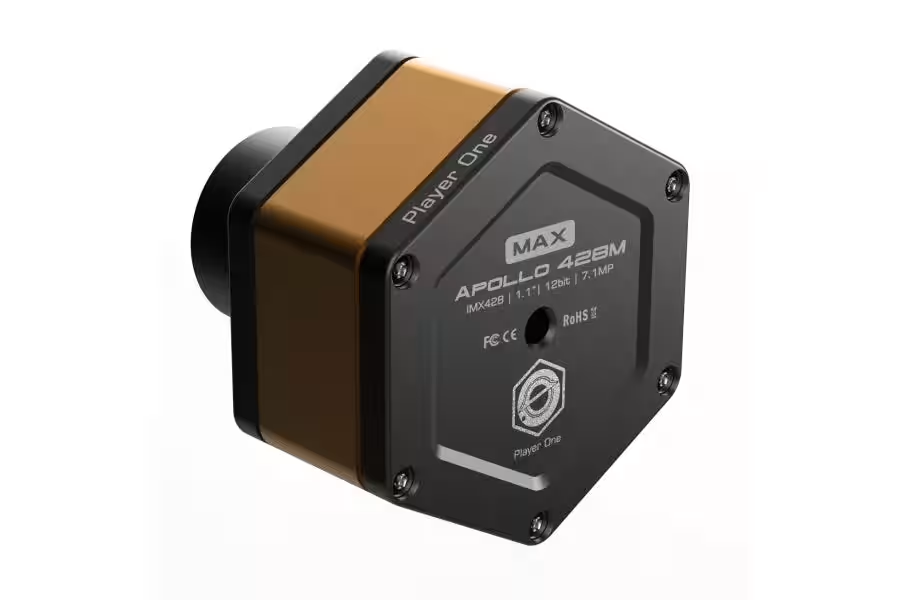
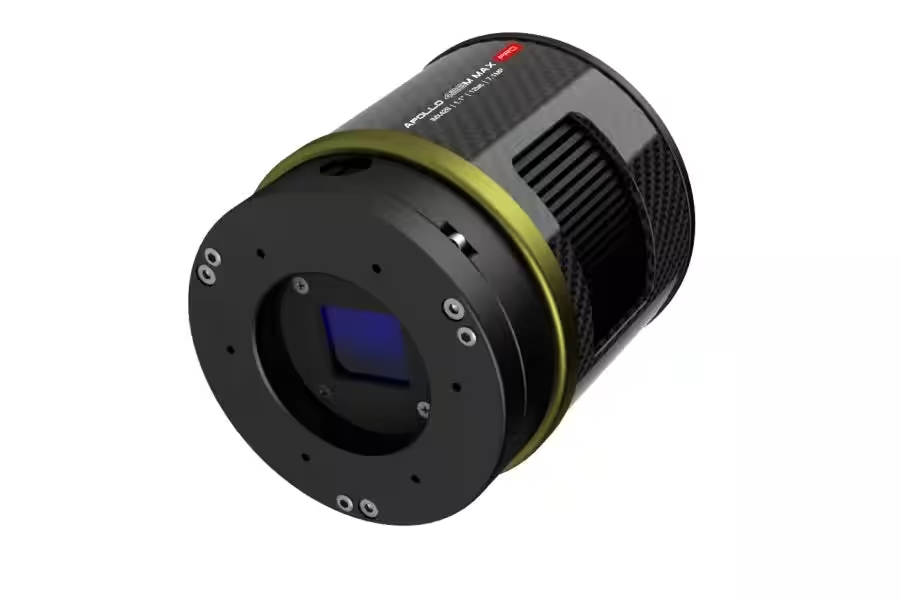
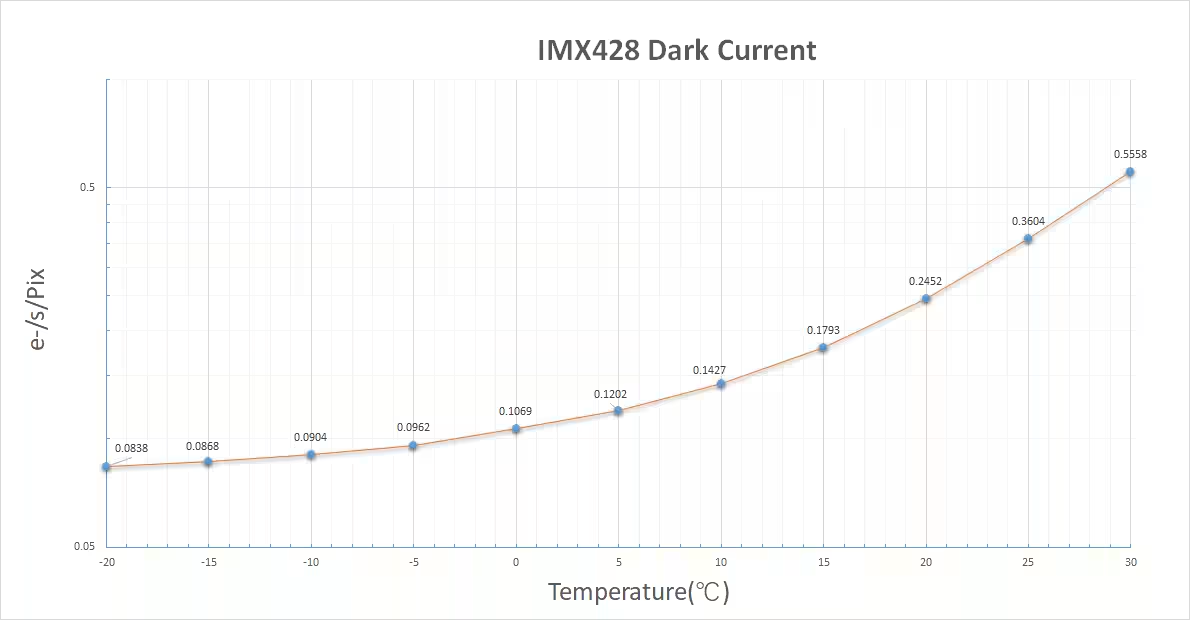
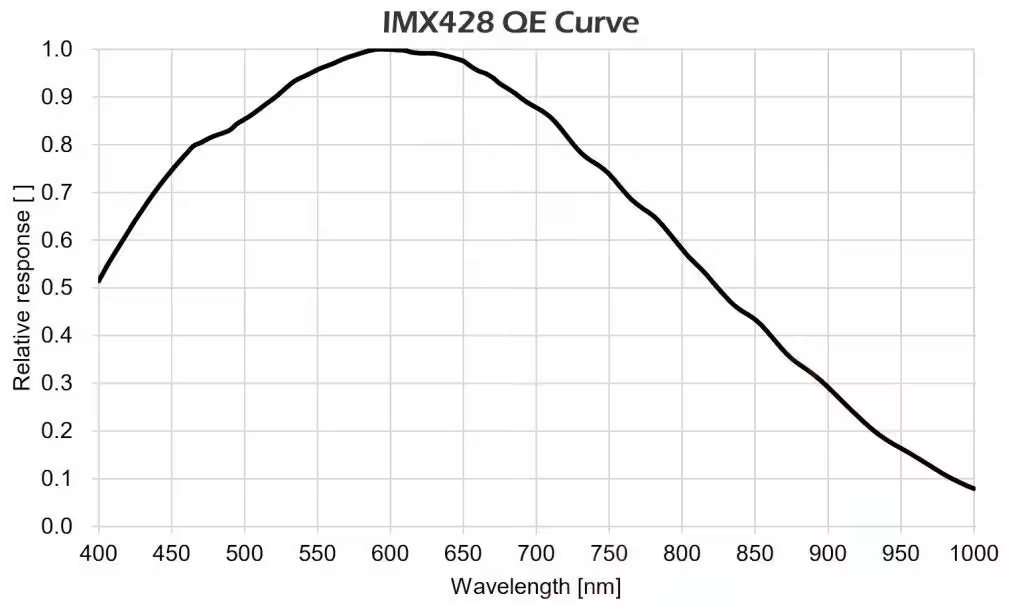
The Apollo 428M MAX series utilizes the IMX428 CMOS sensor with global shutter technology, specializing in maintaining high image quality while offering compact design and high frame rates. It is particularly effective for solar imaging, providing parameter settings that allow for flexibility and adaptability.
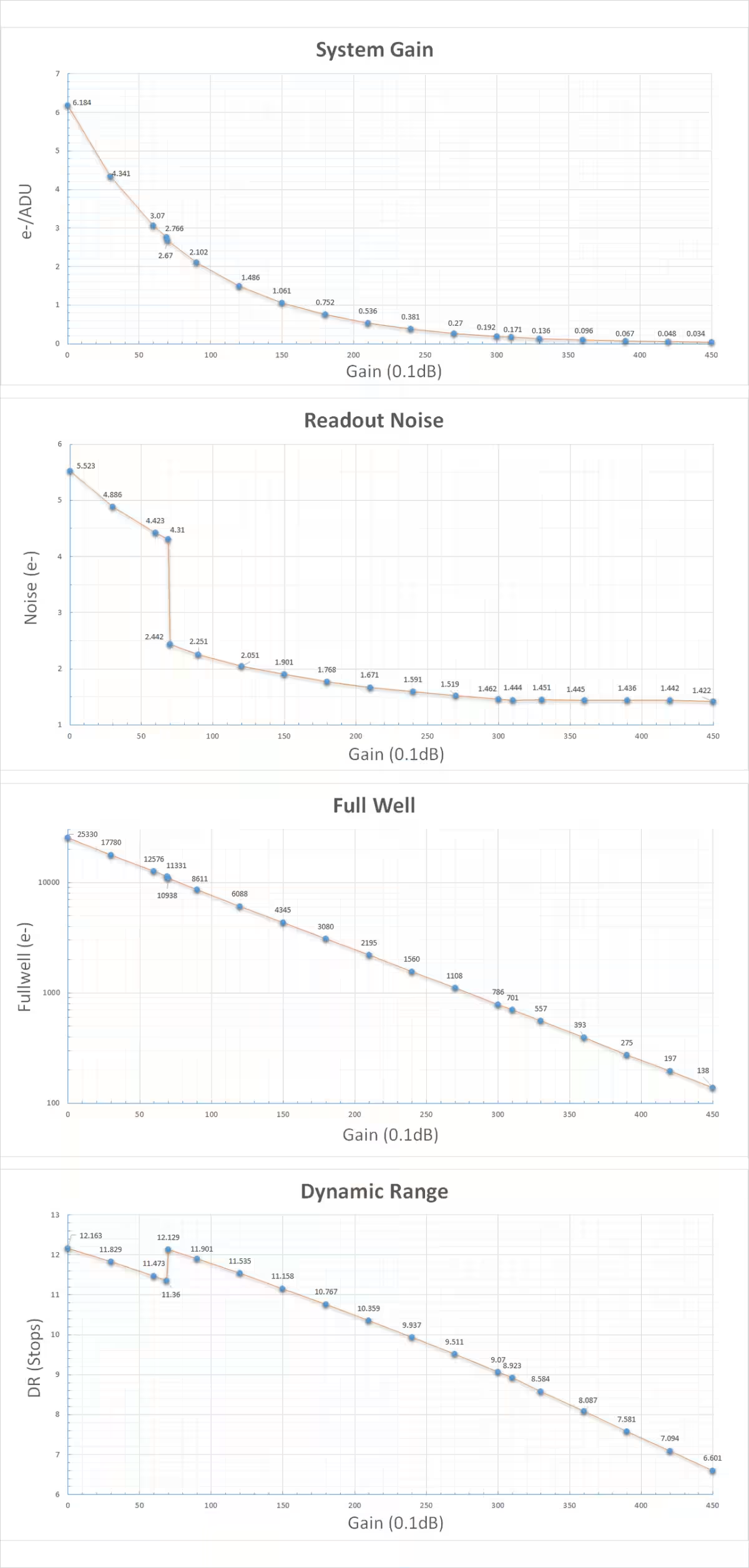
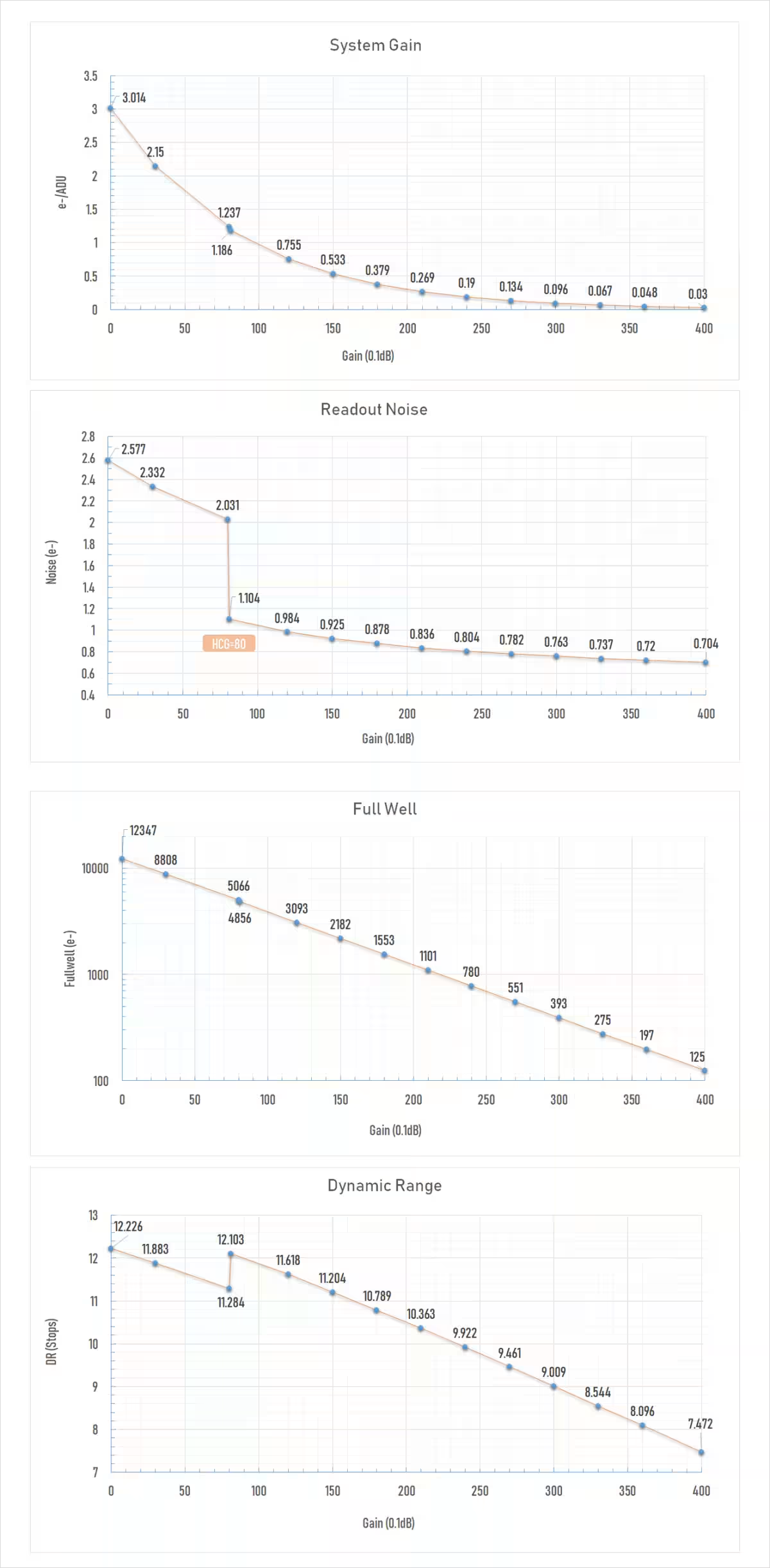
- - Featuring a saturation capacity of 25.3ke-, this series supports up to 51 frames per second, with performance metrics reaching 135 FPS in specific modes.
- - Similar to the Uranus series, the Apollo range includes DPS to enhance image quality by minimizing unintentional pixel errors.
The Versatile Ceres 462M
Latest Developments in the Ceres Line
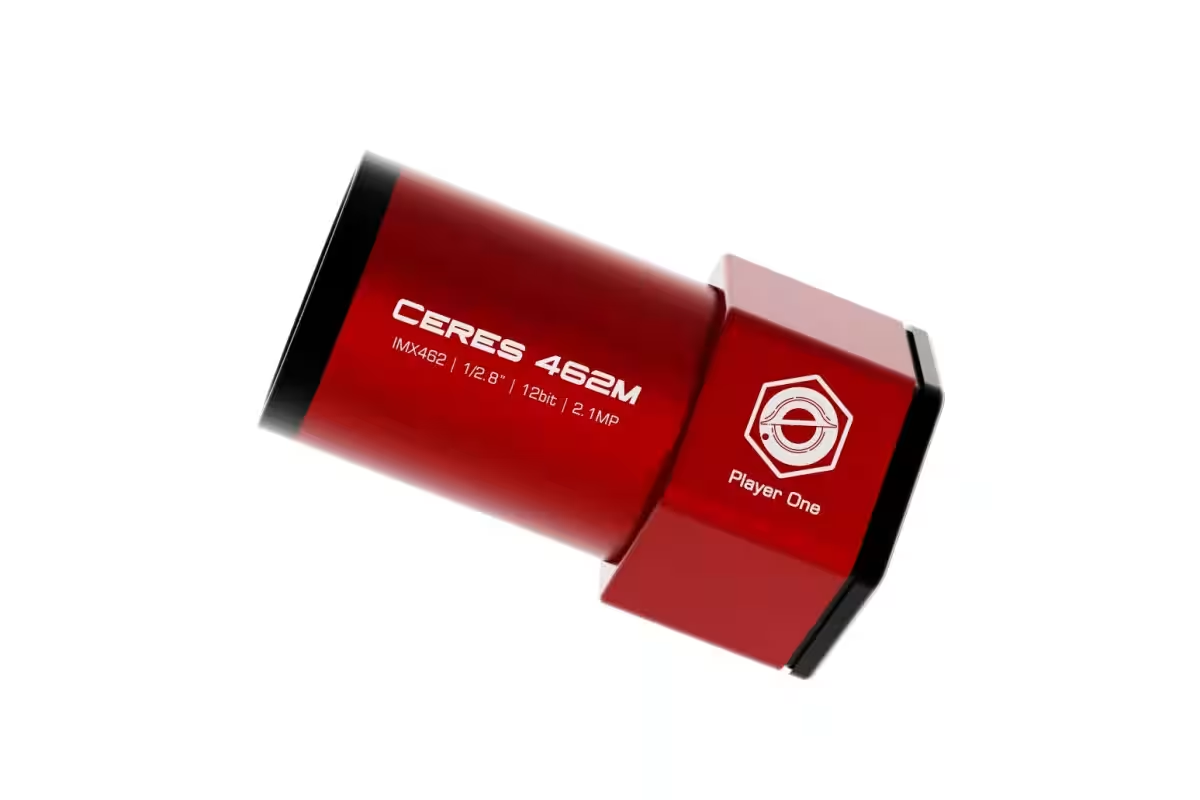
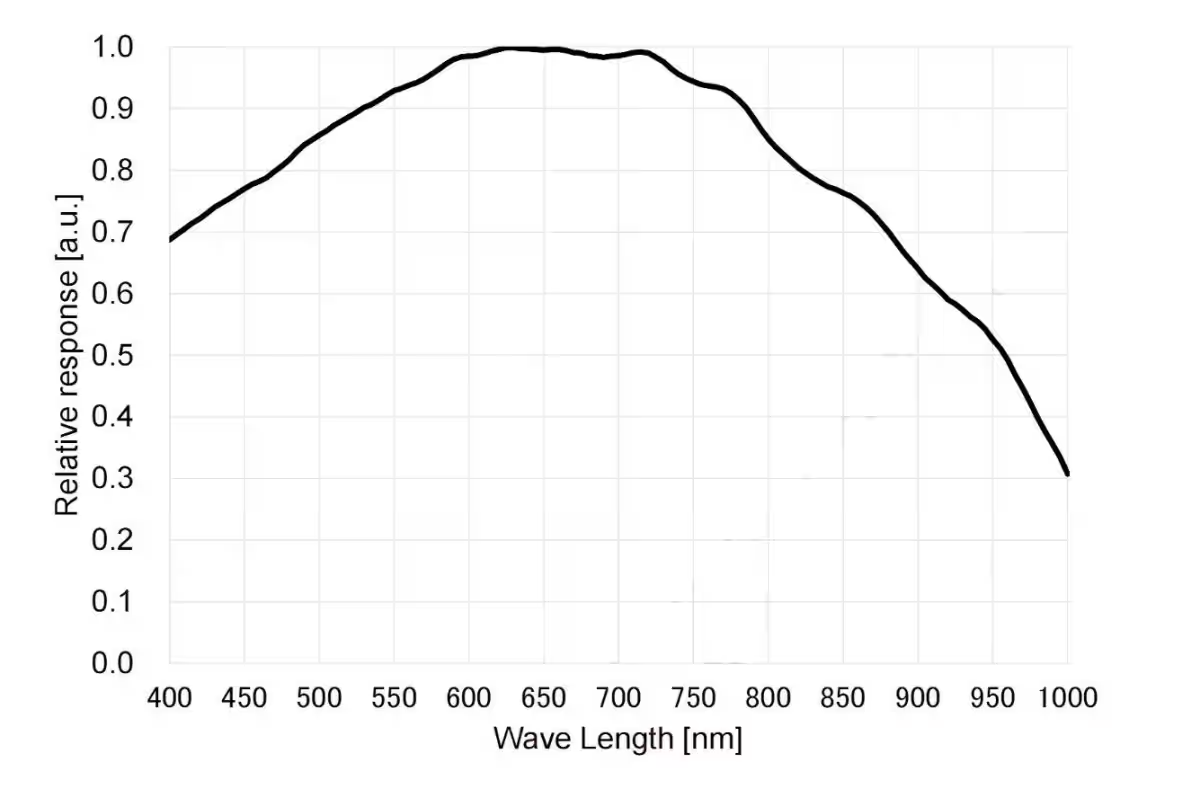
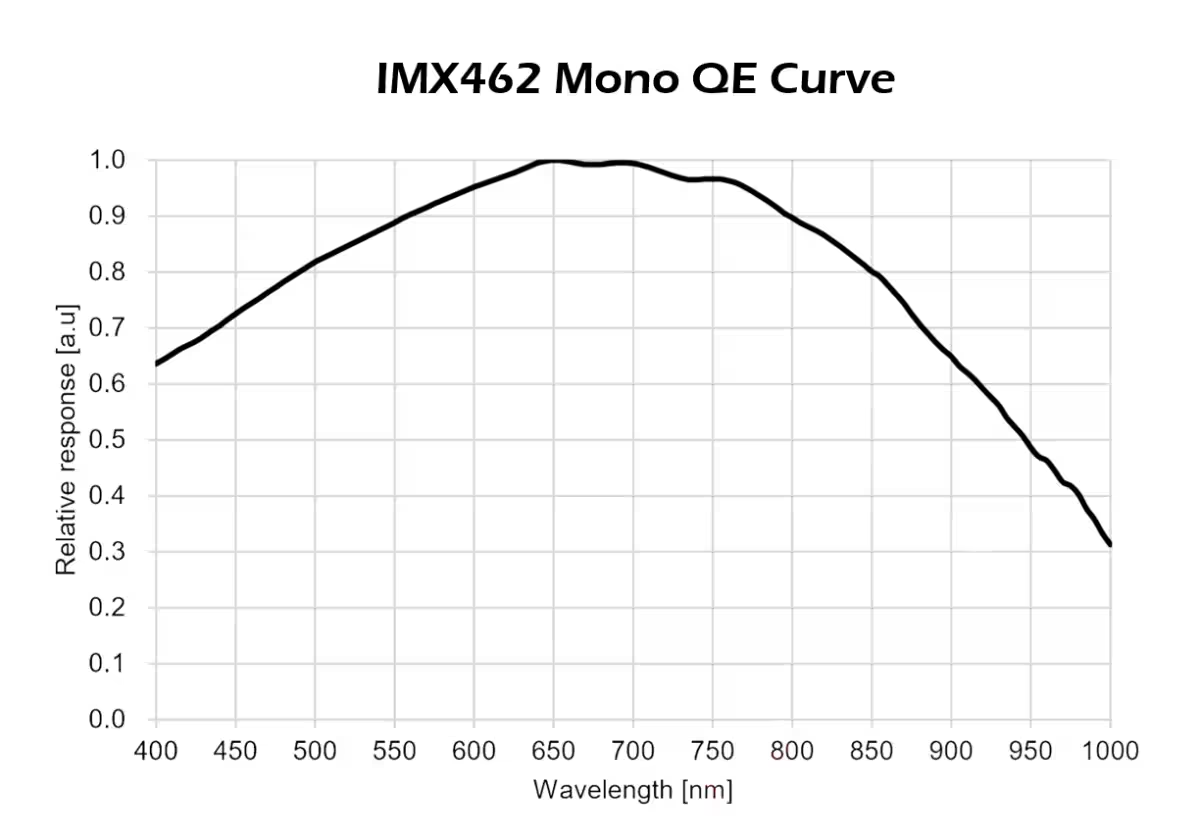
The new Ceres 462M guide camera is a significant upgrade from its predecessor, featuring a 1/2.8-inch, 2.1-million-pixel IMX462 CMOS sensor. Its design is optimized for a wide range of applications including autoguiding, electronic finders, and planetary imaging, demonstrating the versatility needed in a modern astrophotography toolkit.
- - The Ceres 462M maintains a compact design, fitting directly into 31.7mm sleeves without worrying about back-focus limitations.
- - A robust USB 3.0 data port facilitates high-speed data transfer, promoting efficient communications between the camera and computer systems.
Pricing and Release Information
Launch Overview
| Product Name | Suggested Retail Price | Estimated Market Price | Release Date |
|---|---|---|---|
| ----- | ----- | ----- | ------ |
| Uranus-M | Open Price | Around ¥90,000 | May 7, 2025 |
| Uranus-M Pro | Open Price | Around ¥130,000 | May 7, 2025 |
| Apollo 428M MAX | Open Price | Around ¥163,000 | May 7, 2025 |
| Apollo 428M MAX Pro | Open Price | Around ¥215,000 | May 7, 2025 |
| Ceres 462M | Open Price | Around ¥35,000 | May 7, 2025 |
The anticipated prices are indicative and may vary.
The products will be available exclusively through astronomy specialist retailers and Sightron Japan stores.
About Player One Astronomy
Player One Astronomy, based in Suzhou, China, is dedicated to developing innovative astrometry equipment under the



Topics Other)
【About Using Articles】
You can freely use the title and article content by linking to the page where the article is posted.
※ Images cannot be used.
【About Links】
Links are free to use.