



Insights on Nursing Student Career Trends: Use of ChatGPT and Workplace Preferences
Insights on Nursing Student Career Trends: Use of ChatGPT and Workplace Preferences
In a recent survey focused on the job-seeking behaviors of nursing students graduating in 2026, an interesting picture of the modern healthcare job market has emerged. Conducted by Culture Broadcasting Nurse Navi between January 28 and February 10, 2026, the study gathered responses from 178 nursing students to identify key trends and preferences among recent graduates.
Reliance on Educators and Career Centers
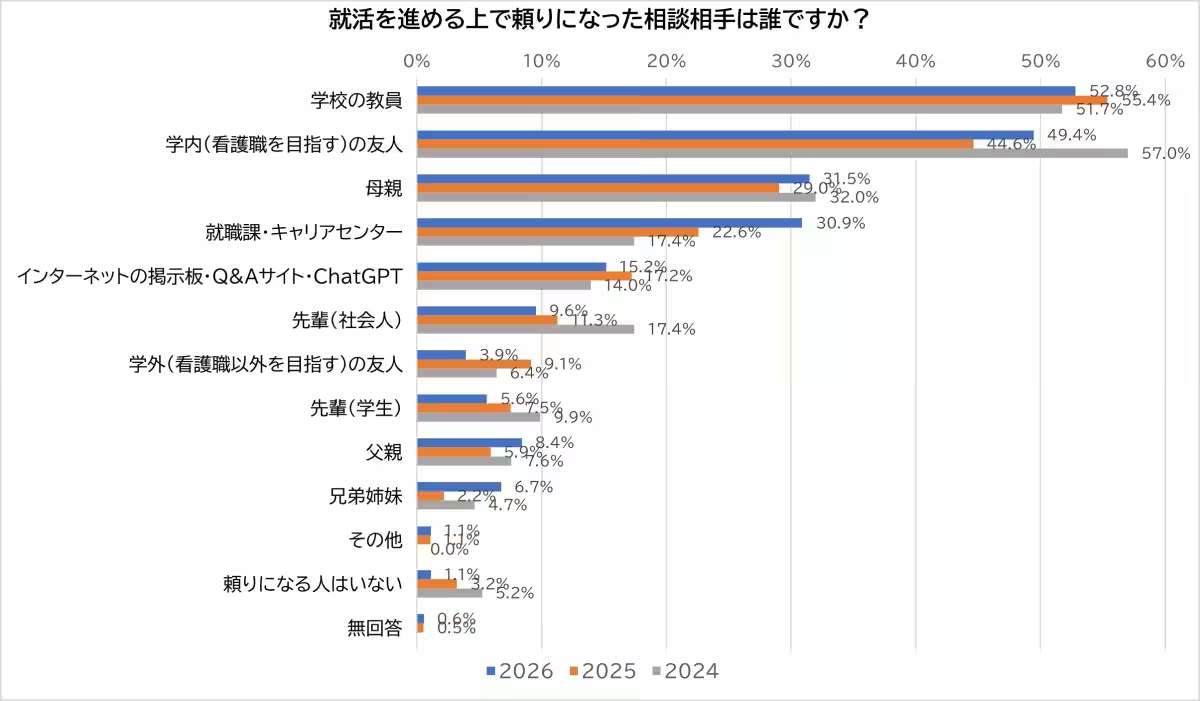
One notable takeaway from this survey is that nursing students continue to see their educators as the most reliable source of advice during their job search. This trust remains unshaken, with school faculty being ranked as the top counseling choice, closely followed by friends pursuing nursing, parents, and career centers. The increase in reliance on career services indicates a shift in attitudes towards structured support during job hunts.
ChatGPT's Limited Utilization
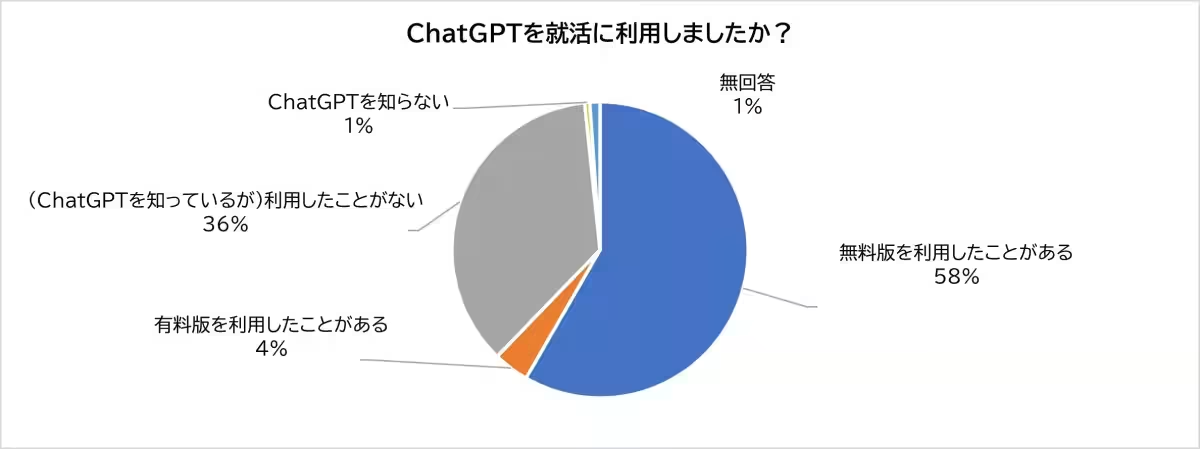
While ChatGPT has gained substantial traction in supporting academic and daily life, only about 60% of students reported using this AI tool for their job search. Many students prefer to seek advice from trusted individuals or rely on their own reasoning rather than solely depending on technological solutions. This indicates an enduring value placed on genuine, human insights over digital assistance in navigating their careers.
Time and Cost Efficiency Awareness
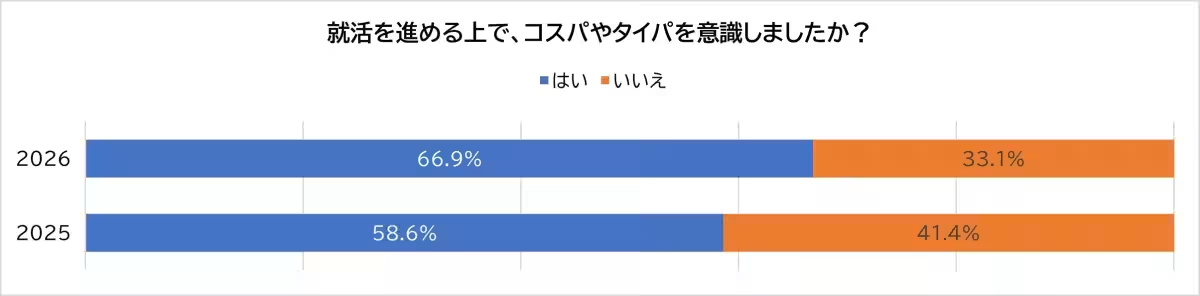
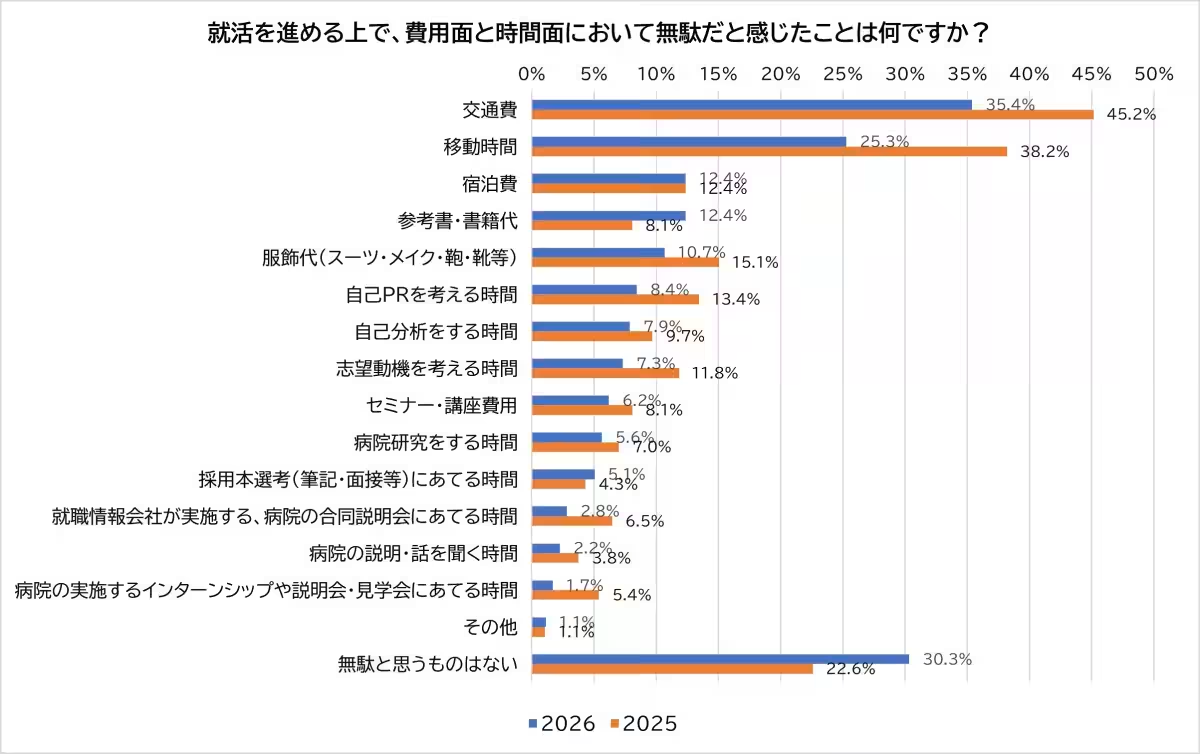
Around 70% of students expressed awareness of both time performance (タイパ) and cost performance (コスパ) in their job-seeking efforts, a significant increase compared to previous years. Despite a notable number of students acknowledging inefficiencies, the overall sentiment indicates that they remain dedicated to making informed and meaningful choices in their future workplaces, even if that means encountering potential setbacks.
Workplace Culture as a Deciding Factor
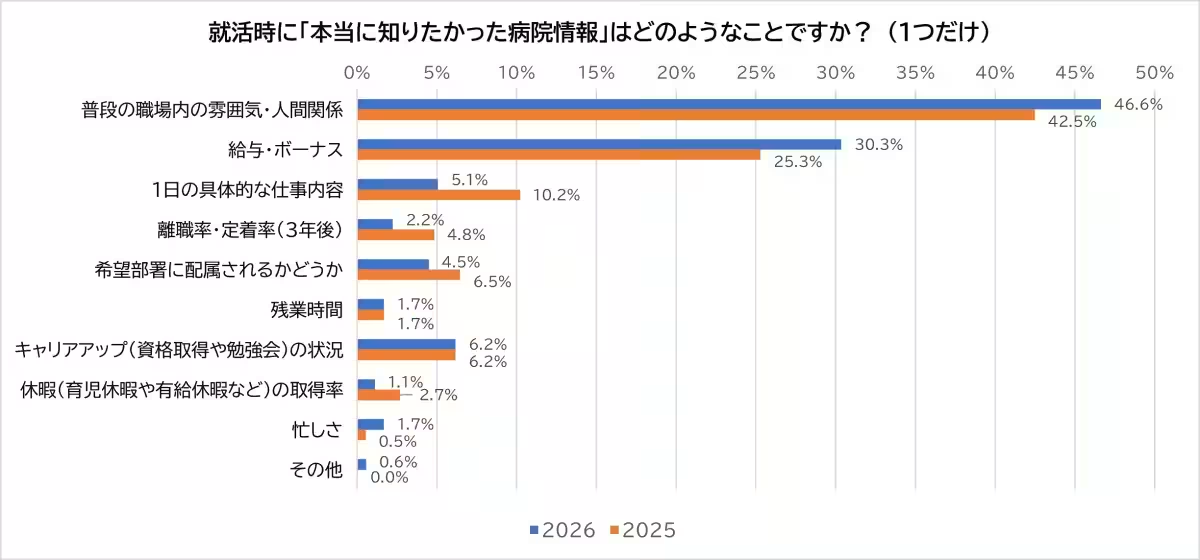
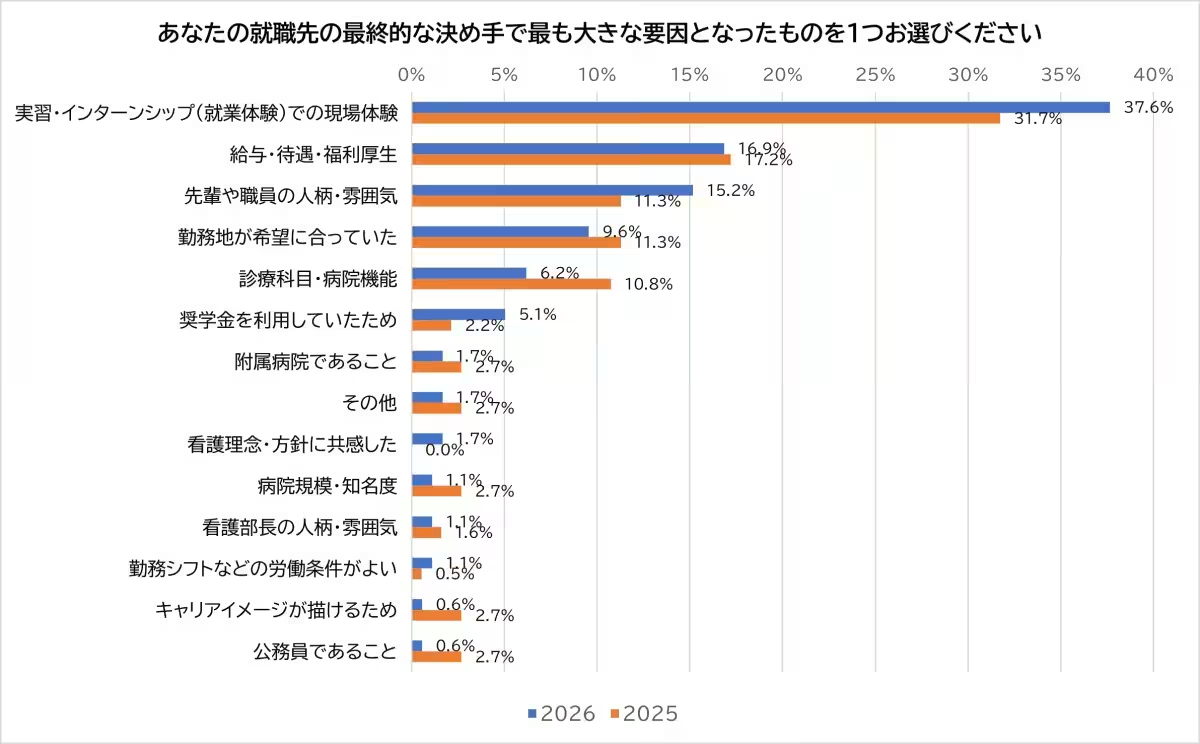
In terms of the crucial information students wished they had about potential employers, insights regarding daily workplace culture and relationships ranked highest for the second consecutive year. When asked about their main consideration for selecting a job, practical experiences during internships and training emerged as the most influential elements. In particular, students highlighted the importance of workplace atmosphere and interpersonal relationships in their future job satisfaction.
Stability as a Priority
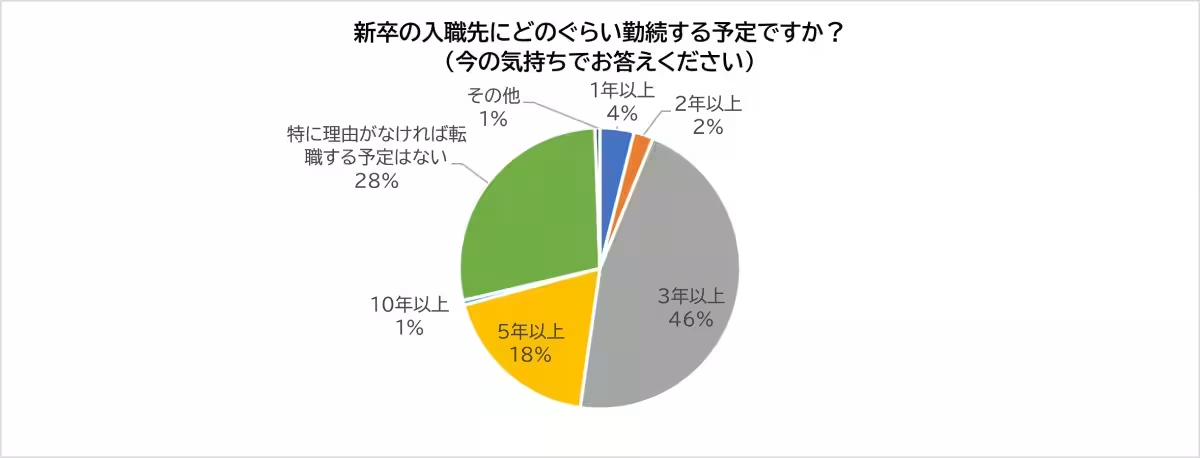
An encouraging trend seen in this year’s data is an increased inclination towards job stability. Almost 47% of students indicated they had no plans to change jobs without a compelling reason and are committed to staying with their initial employer for more than five years. Compared to previous cohorts, this reflects a growing desire among new graduates for long-term employment and commitment to the healthcare field.
Ideal Income Expectations
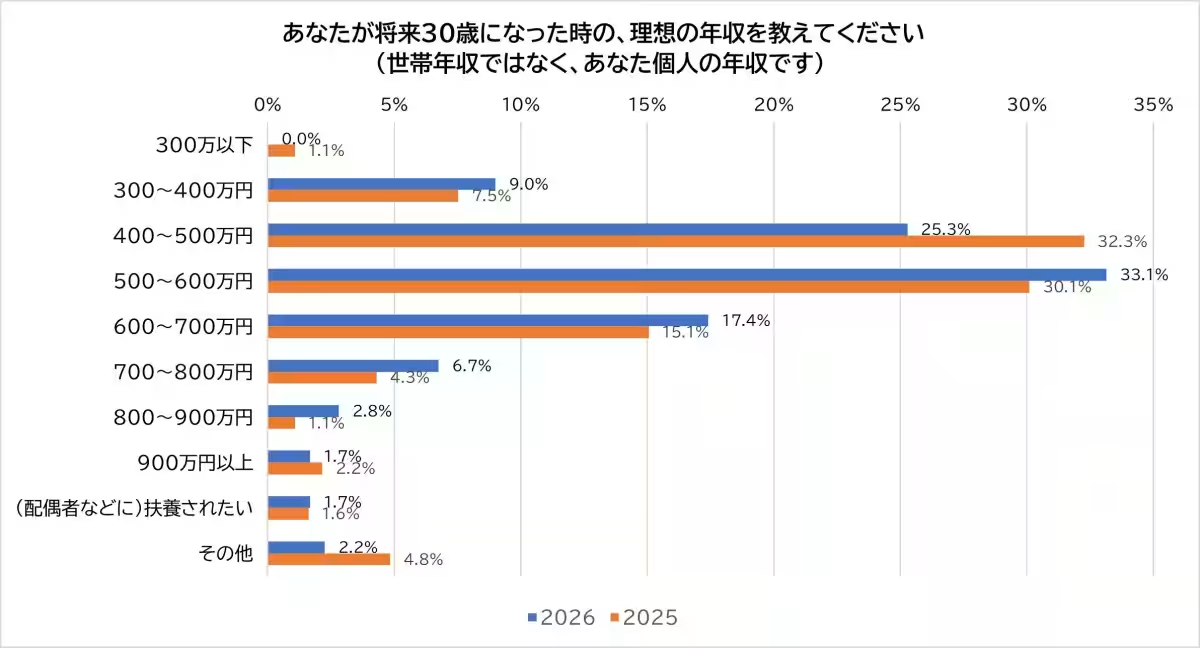
Regarding future earnings, over half of the respondents (50.5%) expressed an ideal annual income expectation of 5 to 7 million yen at age 30. Interestingly, there was also a noticeable rise in students anticipating earnings in the 7 to 9 million yen range, suggesting an optimistic yet pragmatic approach to their financial futures.
Increasing Dependency on Student Loans
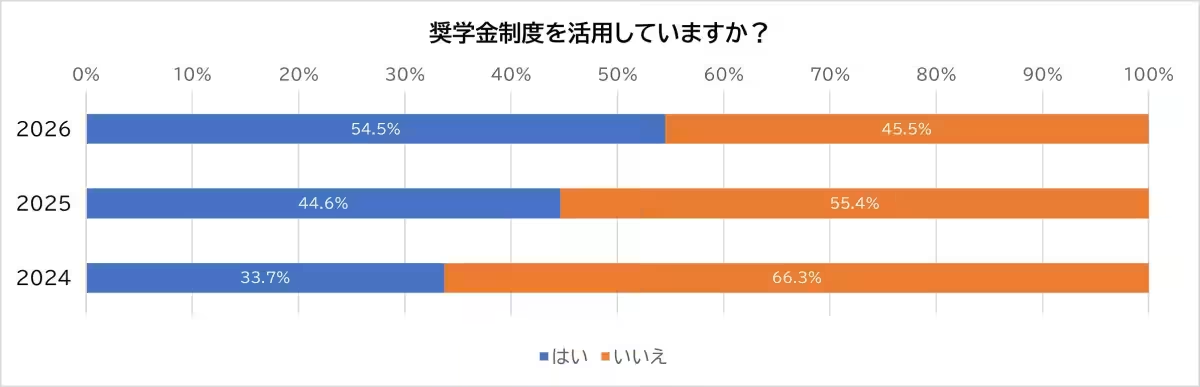
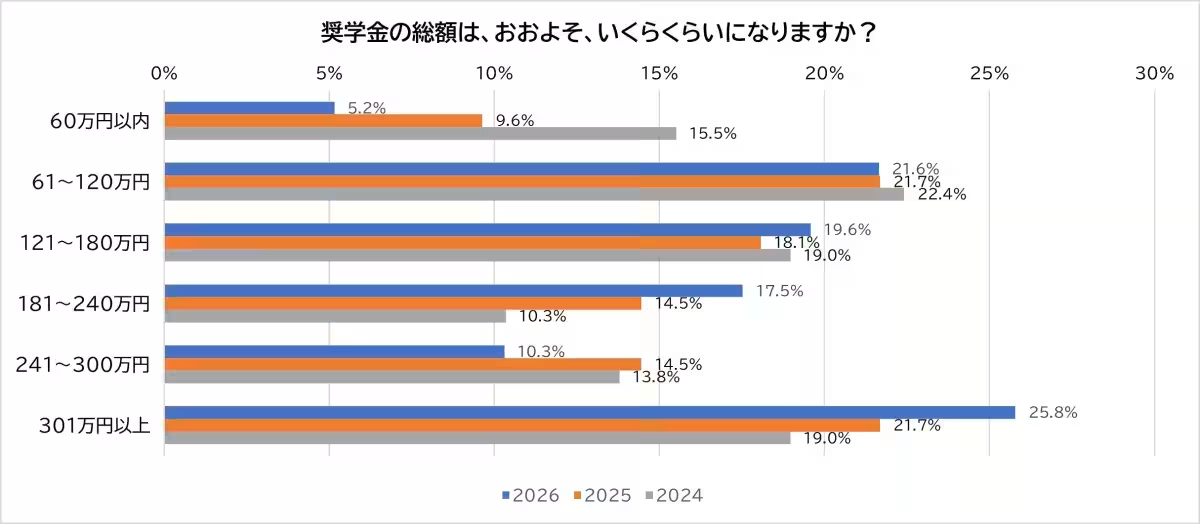
As financial burdens continue to grow, the number of nursing students utilizing student loans has climbed to over half (54.5%) of the surveyed group, a steady increase over the years. Moreover, the total borrowing amounts are also on the rise, with a significant number forecasting debts exceeding 3 million yen.
In summary, this survey provides valuable insights into the motivations, preferences, and challenges faced by nursing students as they transition from their educational environments to professional roles. The findings highlight a shifting landscape in career aspirations and the increasing influence of personal interactions over technological assistance in shaping their futures.
Contact for Further Information
For additional information regarding this survey, please contact:
- - Company: Culture Broadcasting Career Partners, Nurse Navi Editing Department
- - Contact Person: Monji
- - Email: [email protected]
- - Website: Cultural Broadcasting Careers
Topics People & Culture)




【About Using Articles】
You can freely use the title and article content by linking to the page where the article is posted.
※ Images cannot be used.
【About Links】
Links are free to use.