



Environmental Entrepreneurship: The 27-Year-Old Company Paving a Sustainable Future
Environmental Entrepreneurship: The 27-Year-Old Company Paving a Sustainable Future
In today’s fast-paced world, the question arises: Can efforts toward environmental sustainability thrive even without immediate profit? This inquiry leads us to Tsuginohi Co., Ltd., a trailblazing company located in Okayama, Japan, boasting an average employee age of just 27. Since its inception, this environmental startup has committed to breathing new life into the idea of blending business practices with ecological responsibility.
The Challenge of Sustainable Business
The dilemma facing many environmentally-minded ventures is stark: beautiful ideals alone won’t drive industry. Without a sustainable and profitable model, societal issues related to resource depletion and environmental degradation often remain unaddressed. Tsuginohi aims to transform the notion of “doing good” into a profitable business strategy, addressing the pressing need for a system that allows for the healing of our planet while maintaining economic viability.
The core philosophy of Tsuginohi is encapsulated in its new management structure dubbed CSMV (Company, Statement, Mission, Value), which shifts the focus from merely espousing values to actively implementing solutions that address societal challenges. Their new foundational statements reflect this innovative approach, proclaiming:
- - Company: Tsuginohi Co., Ltd.
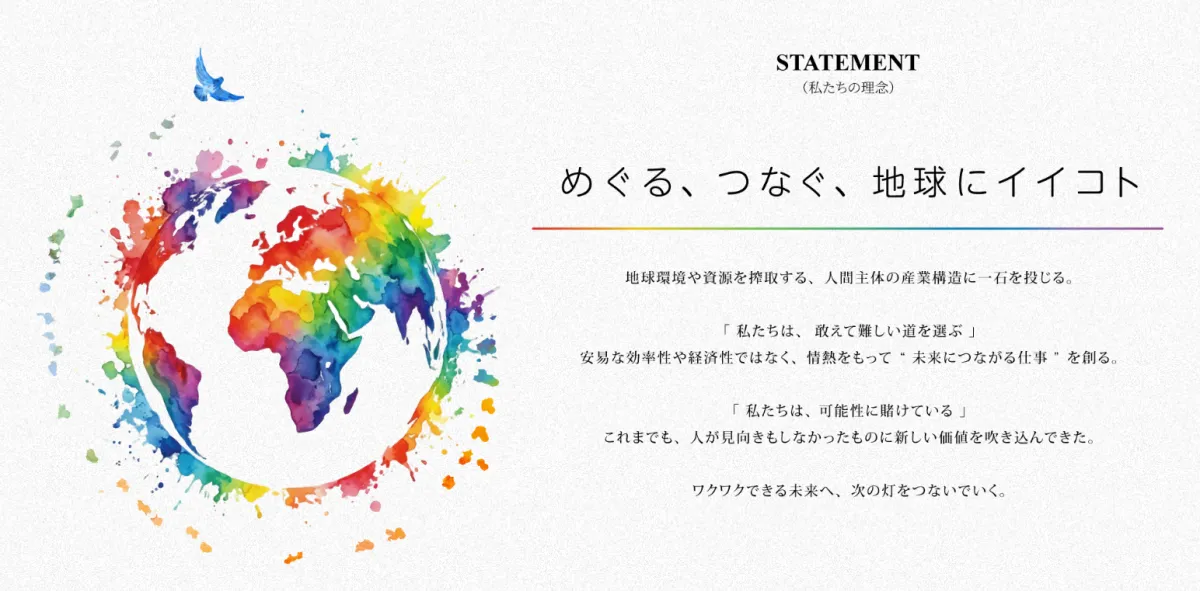
- - Statement: Revolving, Connecting, Good for the Earth
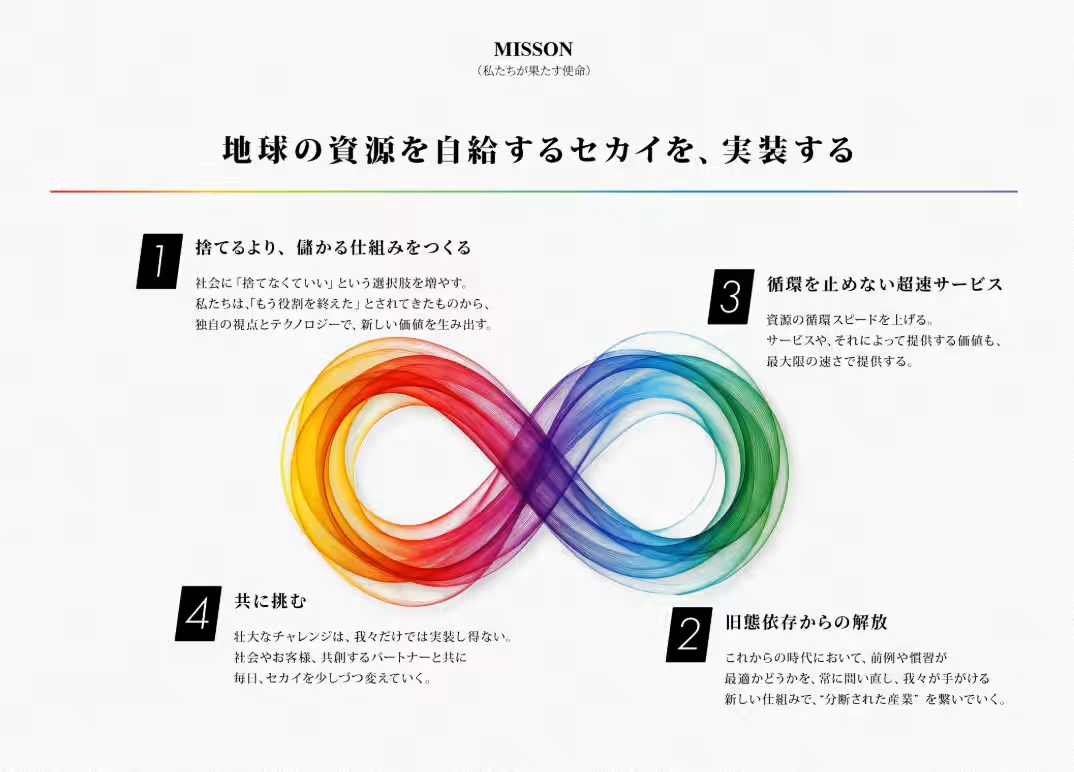
- - Mission: To implement a world where the Earth's resources are self-sustained
- - Value: Creating profitable mechanisms rather than discarding items, liberation from old dependencies, providing super-fast services that maintain cycles, and undertaking challenges together.
This framework goes beyond mere part sales, positioning the company as a key player in the resource circulation industry.
Young Employees with a Purpose
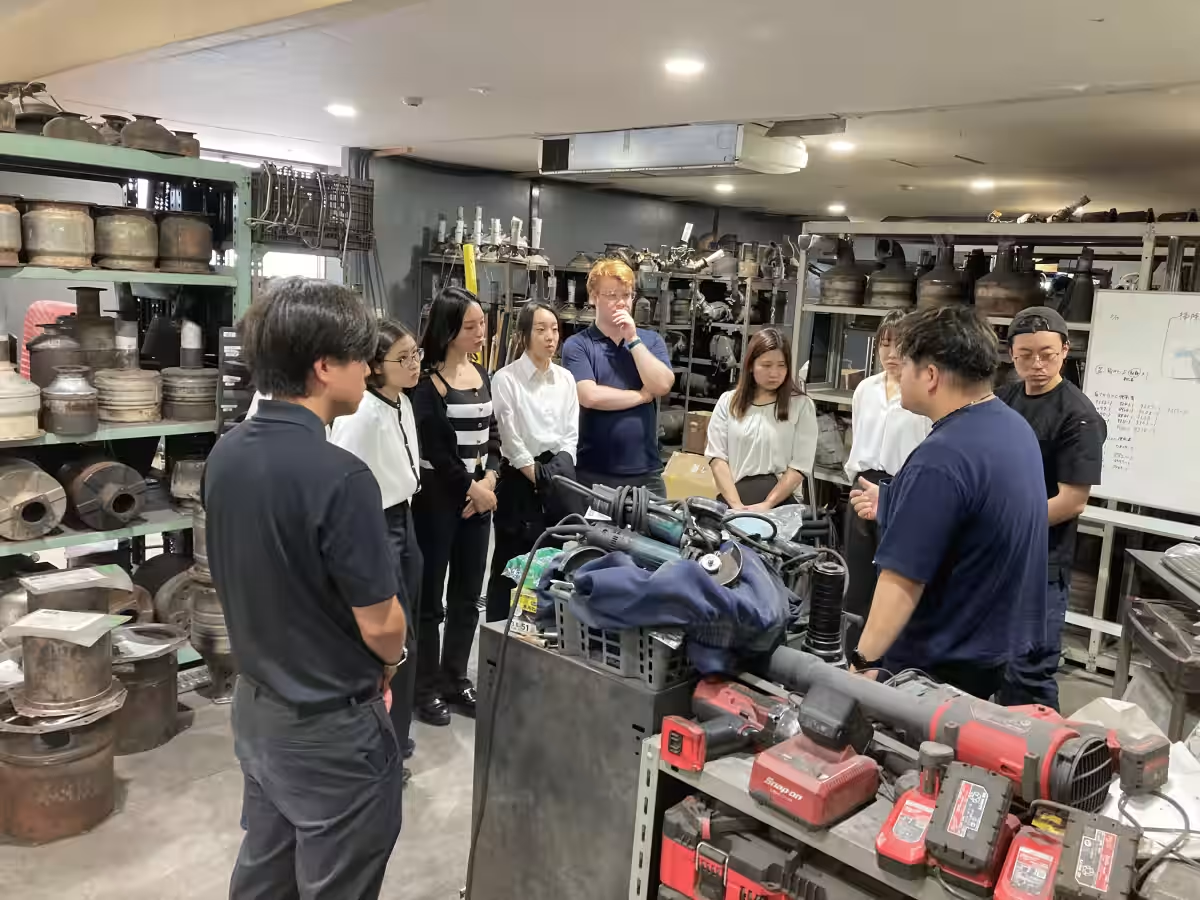
At Tsuginohi, young employees confront the concept of waste on a daily basis. They engage with components that may appear to be nothing more than discarded industrial materials. A poignant moment illustrates this when a new employee hesitates before an old catalyst, a piece generally perceived as waste. Yet, upon closer inspection, this seemingly useless object houses valuable platinum. The realization that abandoning such resources means losing them forever propels these young employees into action.
The hands that meticulously disassemble these parts don’t just support a flowing logistics framework; they safeguard our planet’s resources. This tactile connection to their work serves as the driving force behind the realistic enactment of CSMV, transitioning theoretical ideals into actionable realities.
The Okayama Model and Path to Resource Self-Sufficiency
Through the implementation of their management framework, Tsuginohi seeks to directly support Japan's


Topics Other)
【About Using Articles】
You can freely use the title and article content by linking to the page where the article is posted.
※ Images cannot be used.
【About Links】
Links are free to use.