



Understanding Senior Citizens' Concerns Over Fraud: A Comprehensive Survey Analysis
Survey Analysis on Seniors' Awareness and Concerns Regarding Fraud
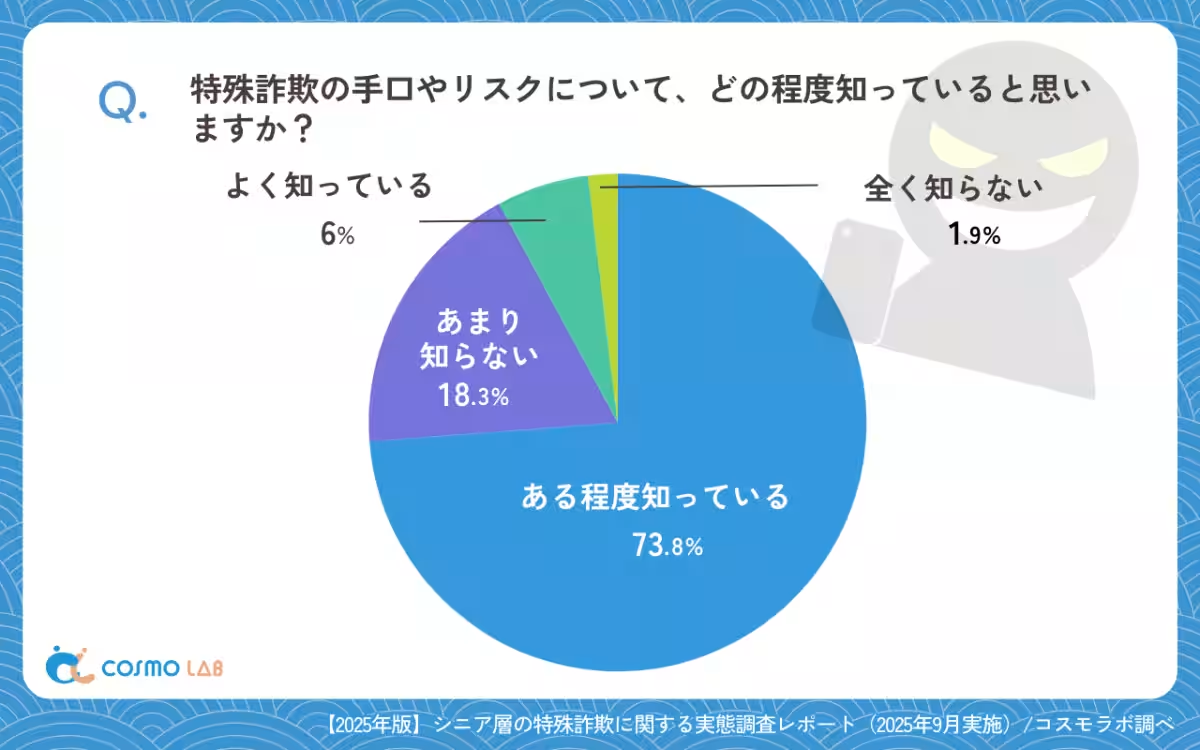
A recent report from CosmoLab, a marketing platform focused on seniors, unveiled concerning insights about the threats of specialized fraud targeting individuals aged 50 and above. This comprehensive survey, conducted on over 367 participants, explored the levels of awareness, anxiety, experiences with fraud, current preventative measures, and future service expectations among seniors. The findings highlight not only the risks embedded in daily life but also the strategies required from families and society at large to counter these threats.
Key Findings
Experience with Fraud
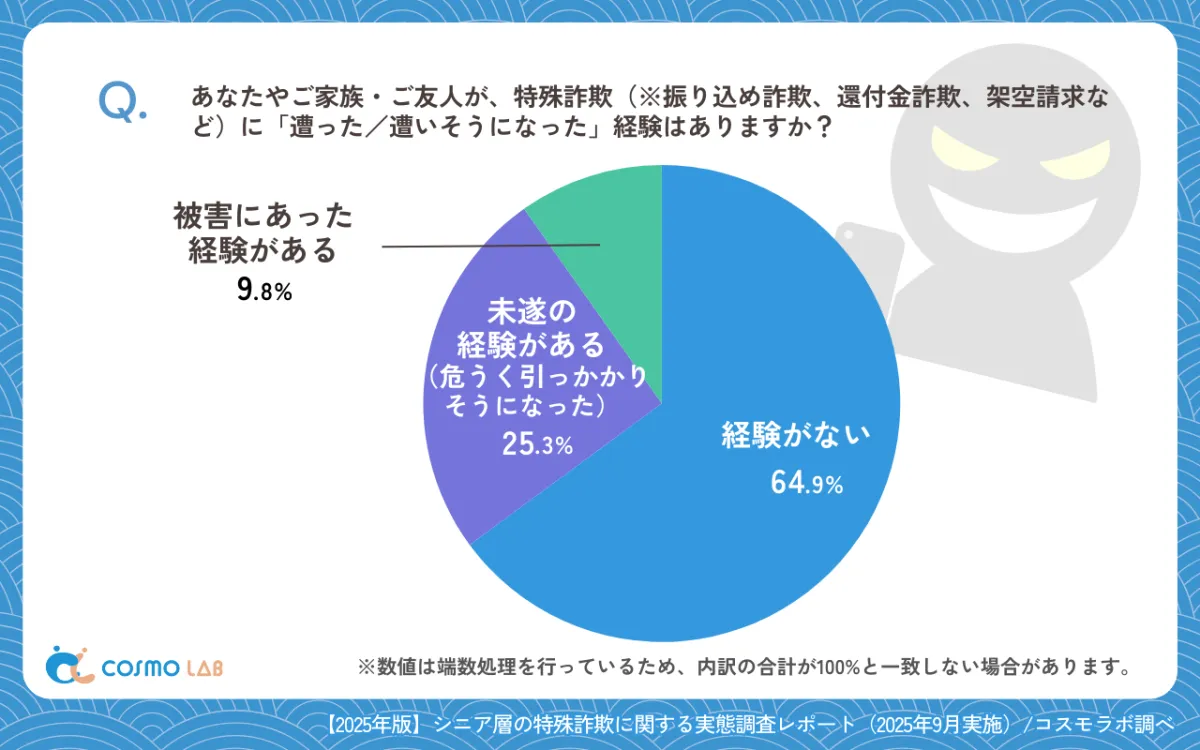
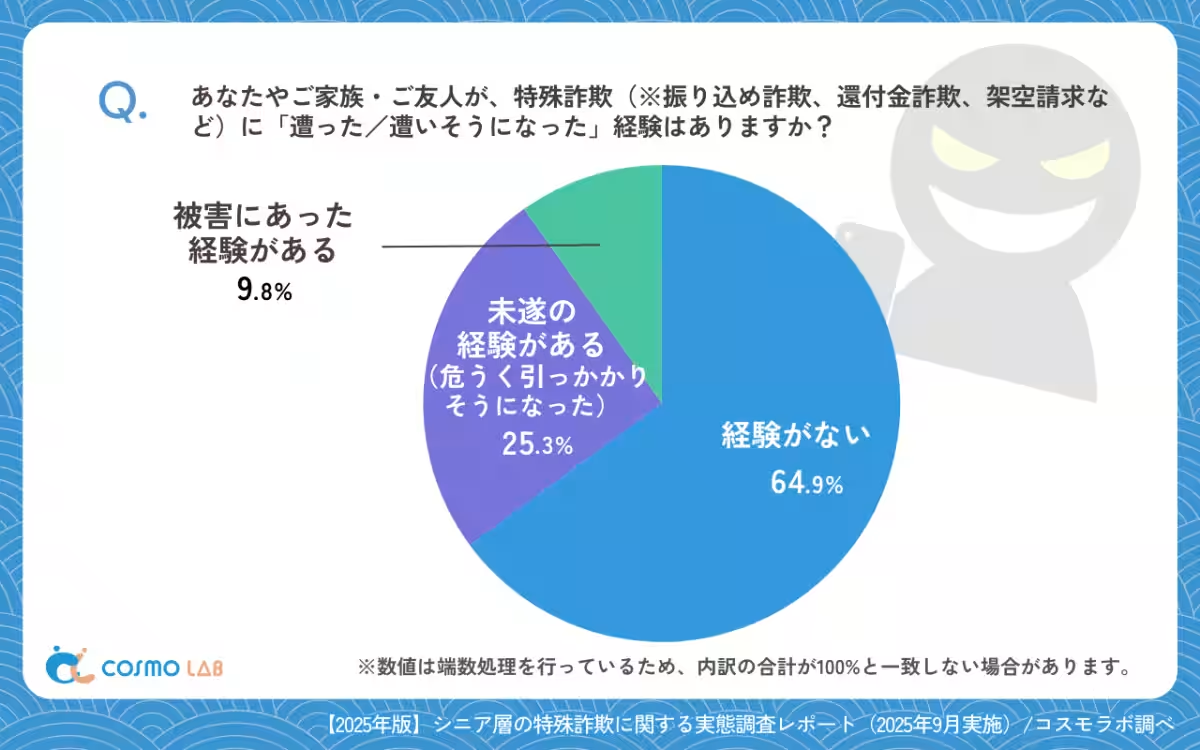
The data indicates that over 30% of seniors have either fallen victim to fraud or narrowly avoided becoming victims. Specifically, 9.8% reported actual experience with fraud, while 25.3% recounted situations where they almost became victims. These statistics reveal that fraud is not just an abstract fear but a real and present issue that affects a significant portion of the senior population. In contrast, 64.9% indicated they have had no such experiences, showcasing a crucial gap between awareness and actual encounters with fraudulent schemes.
Familiarity with Common Fraud Tactics
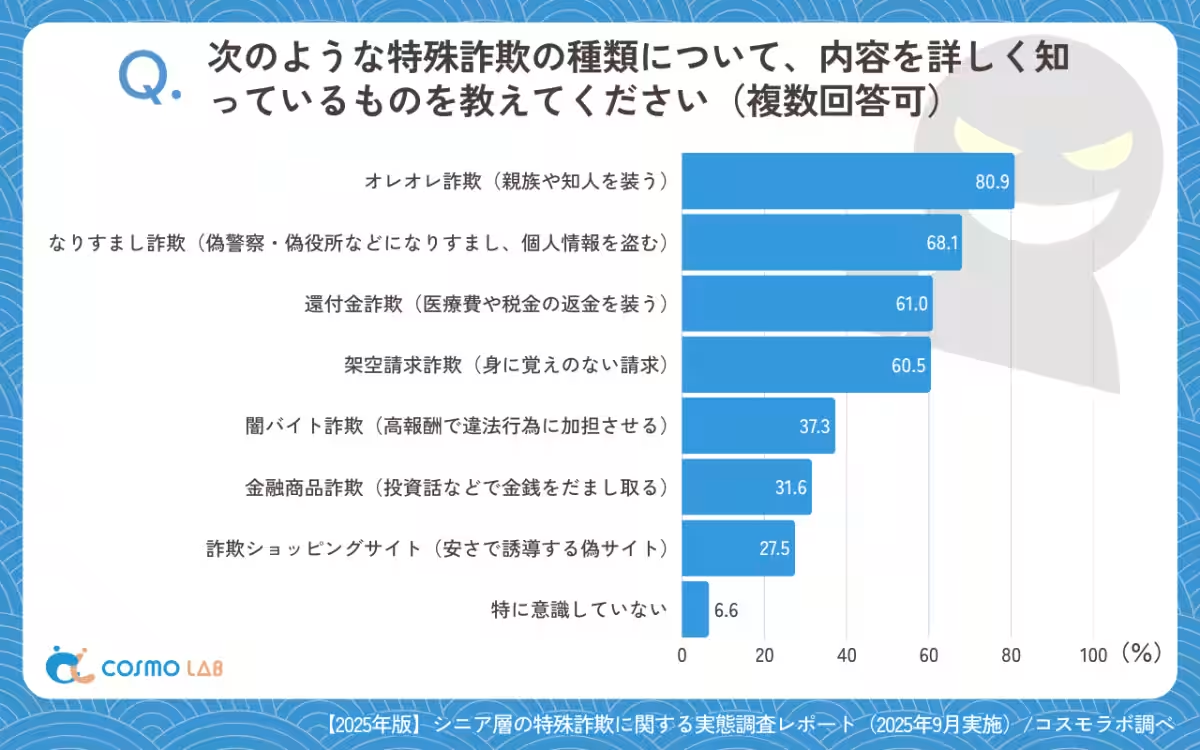
The survey revealed that while seniors are well-acquainted with common fraud tactics such as “Oreo Oreo” schemes (where impostors pose as relatives) at 80.9%, and impersonation fraud at 68.1%, their awareness of newer schemes is lacking. Only 27.5% are aware of fraudulent shopping websites, and a mere 31.6% recognize ponzi or investment fraud attempts. This indicates a pressing need for heightened awareness and preventive education focused on emerging fraudulent practices in the digital space.
Current Preventative Measures
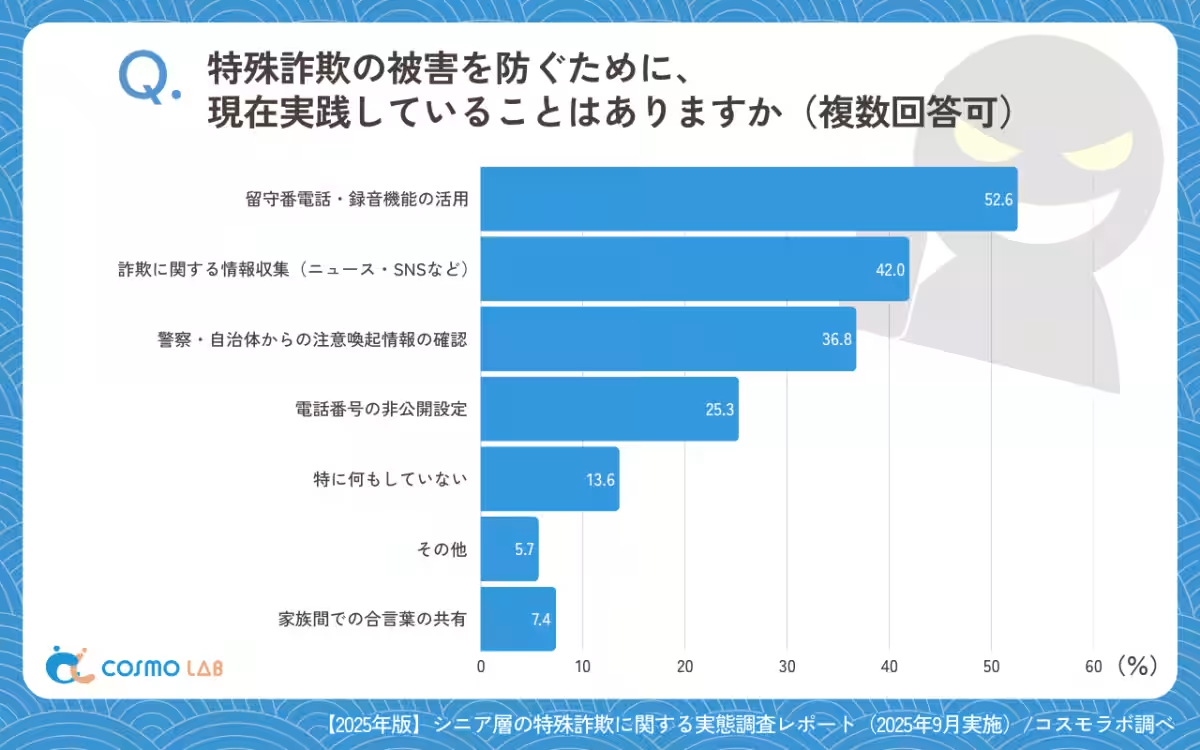
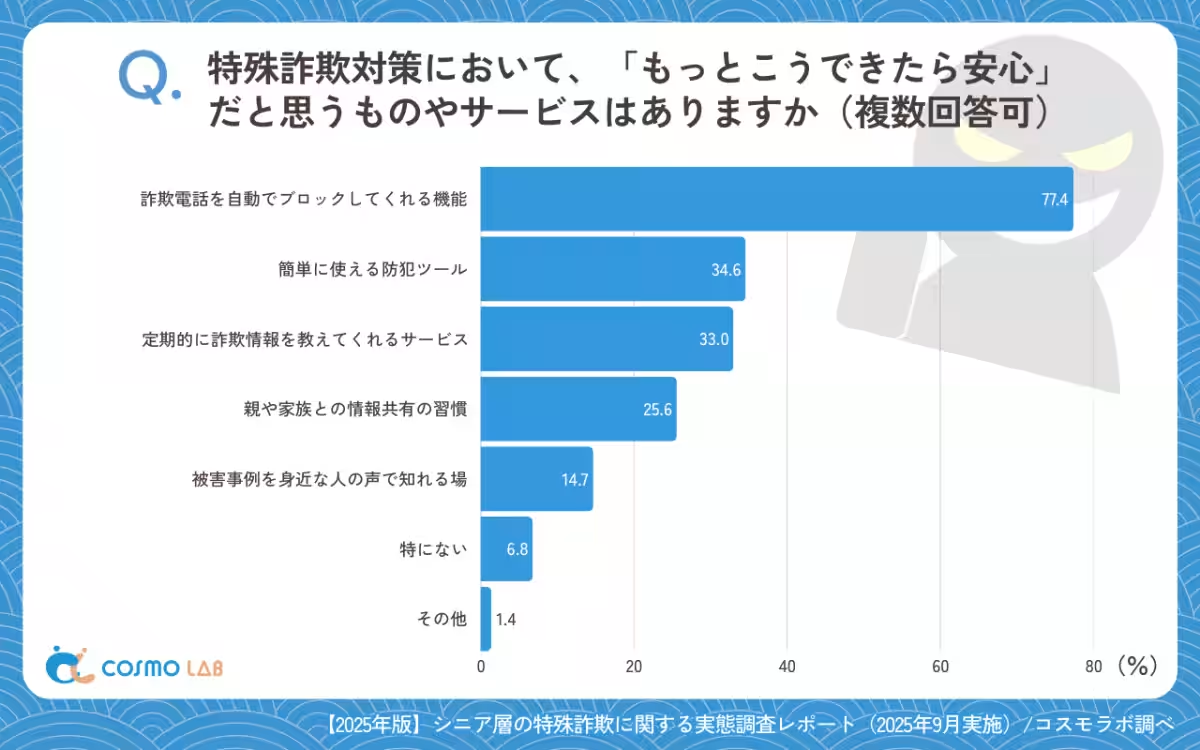
Surveyed seniors cited certain proactive measures they currently employ against fraud, including utilizing answering machines or call-recording features (52.6%) and staying informed through news and social media (42.0%). Interestingly, 77.4% expressed strong desire for features that automatically block fraudulent calls, signaling a need for technology that aligns with their everyday activities and enhances their security.
Heightened Anxiety
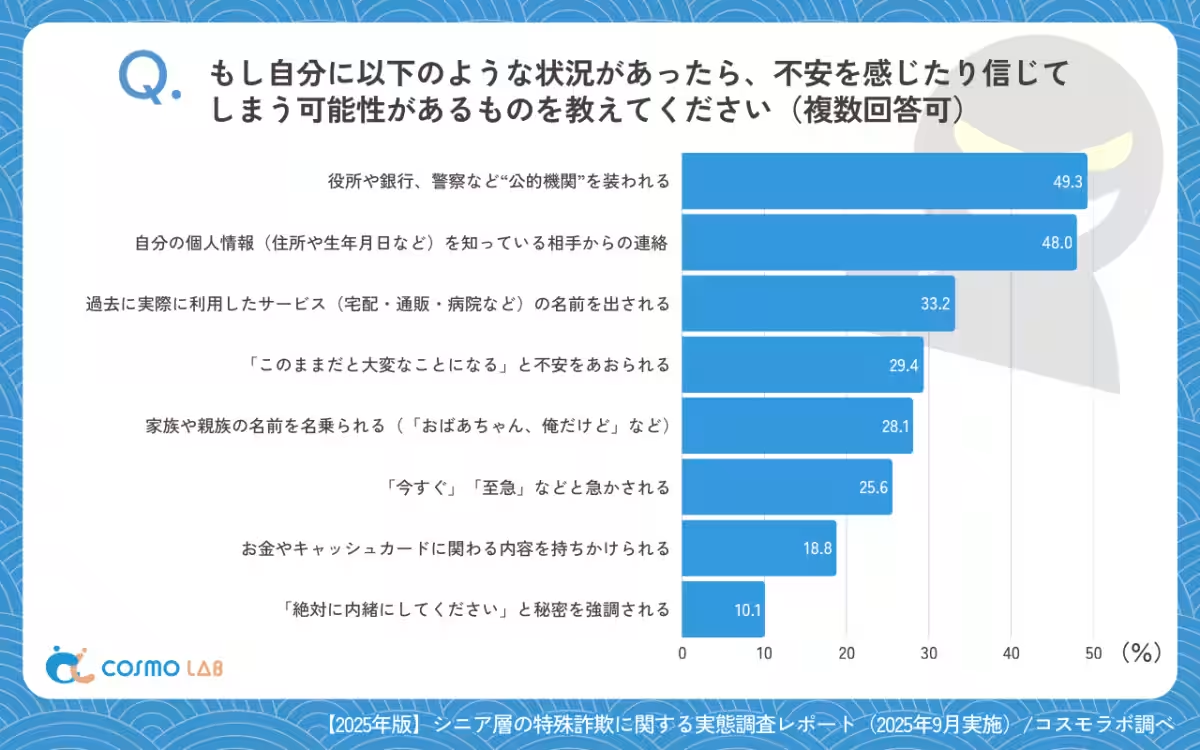
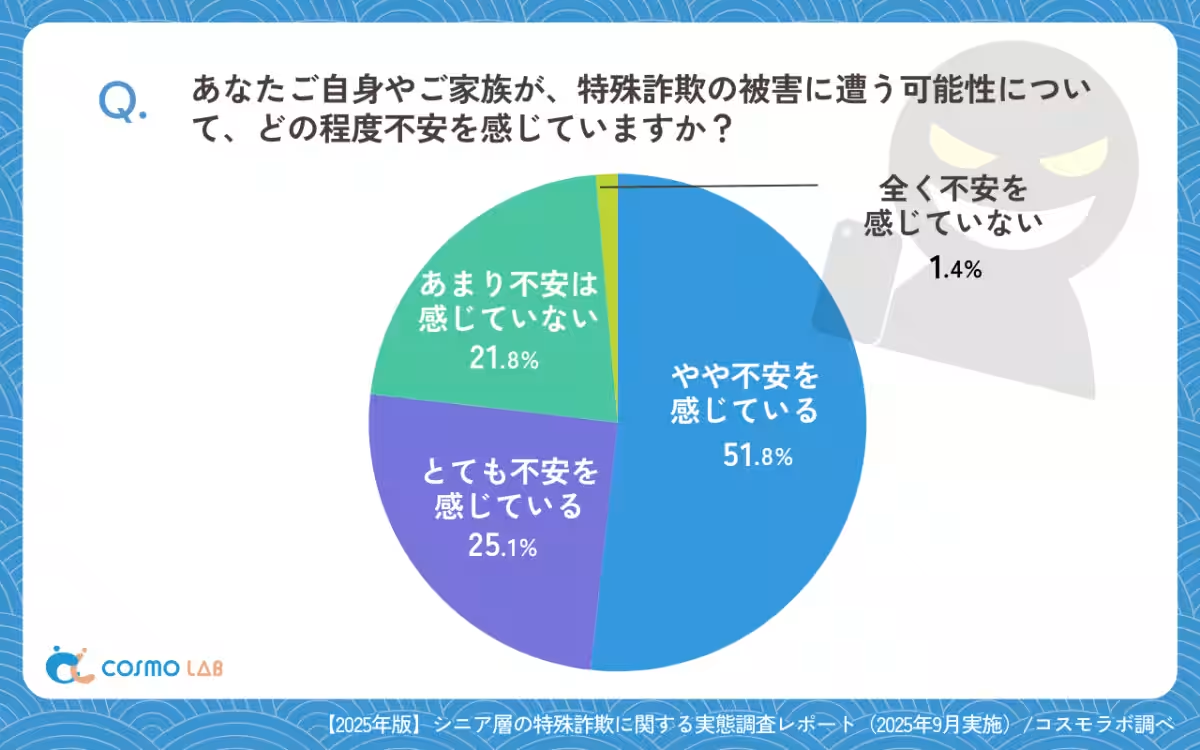
About 75% of respondents reported feeling some level of anxiety regarding the potential for victimization by fraud. A significant number (51.8%) indicated they are somewhat anxious, while 25.1% expressed significant concern. This pervasive anxiety is intricately linked to personal experiences and extensive media coverage surrounding fraud attacks, heightening the feeling that they or their loved ones could be targeted.
Encountering Suspicious Communication
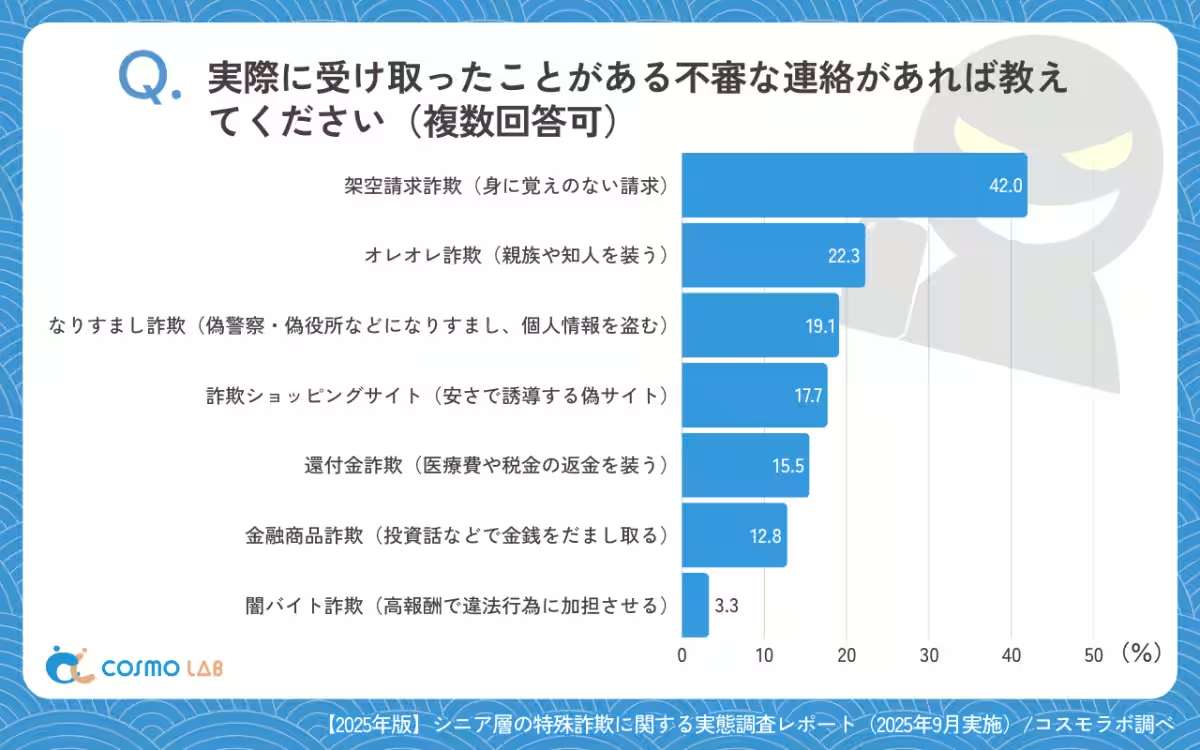
Nearly half of the respondents reported receiving dubious communications. The most frequent type was
Topics Consumer Products & Retail)
【About Using Articles】
You can freely use the title and article content by linking to the page where the article is posted.
※ Images cannot be used.
【About Links】
Links are free to use.