



Analysis of Summer Drowning Accidents in Japan: Trends and Findings
Drowning Accidents in Japan: A Two-Year Analysis
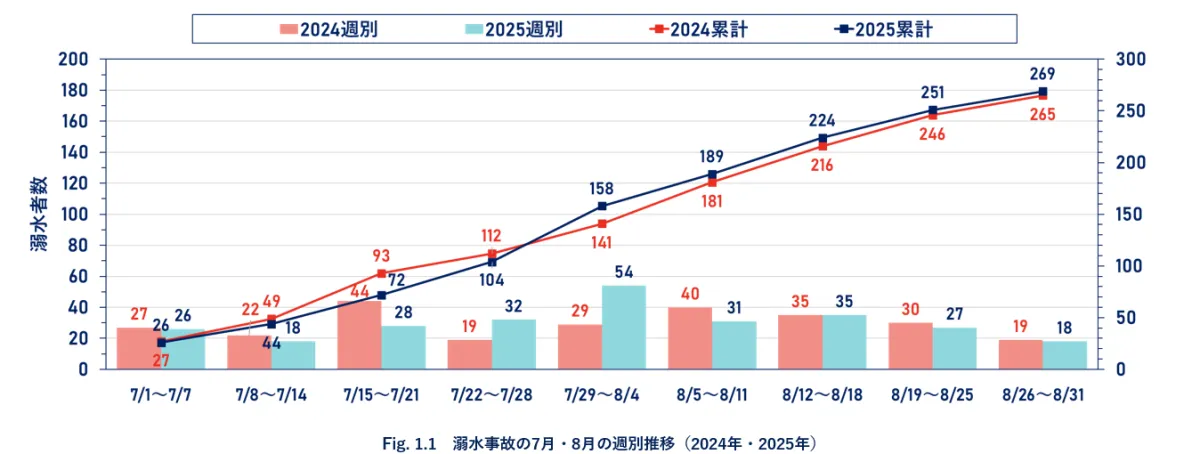
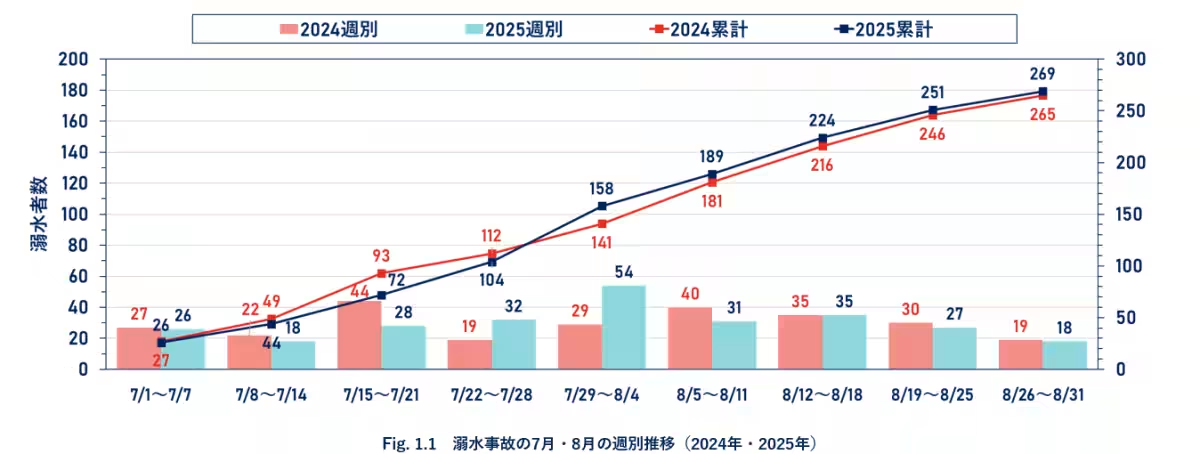
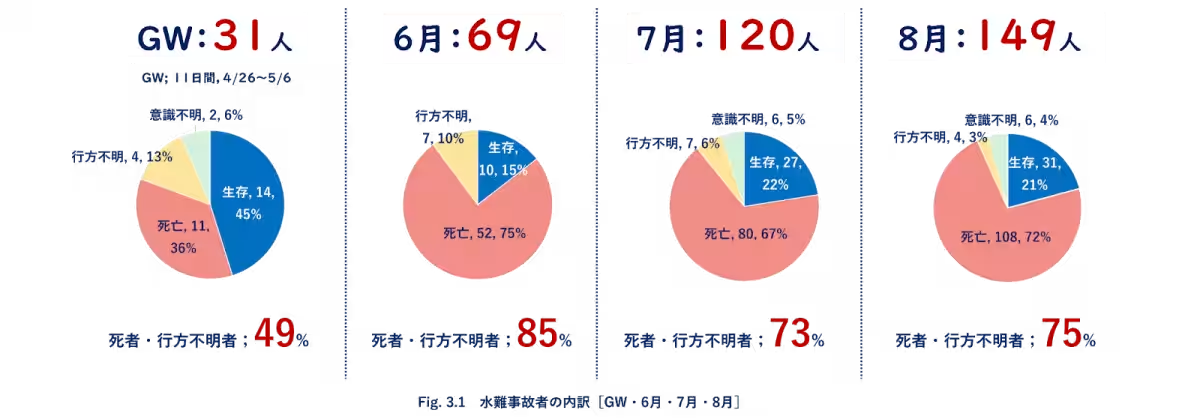
In a recent report by the Japan Foundation, a non-profit organization based in Minato City, Tokyo, it was revealed that the number of drowning accidents in Japan during the summer months has been consistently alarming, with 269 reported incidents this summer, nearly mirroring last year's count of 265. The analysis was part of the ongoing "Ocean Preparedness Project," initiated to significantly reduce children's drowning incidents starting in 2024. This data was compiled from an extensive media analysis, sifting through thousands of news articles to avoid duplication and ensure comprehensive coverage of the situation. The survey was conducted during key periods: from April 26 to May 6, 2025 (Golden Week) and from June 1 to August 31, 2025.
The findings indicate that the drowning incidents followed a similar pattern over the two-year period, highlighting how timing, location, and the characteristics of the victims play pivotal roles in these accidents. The Japan Meteorological Agency's seasonal forecasts suggested high temperatures in September, further emphasizing the necessity for continuous awareness regarding water safety and drowning prevention.
Key Findings from the Survey
1. Consistent Accident Rates: The data collected revealed that the number of drowning accidents between July and August remained relatively constant for both 2024 and 2025, showing that human behavior significantly impacts incident rates.
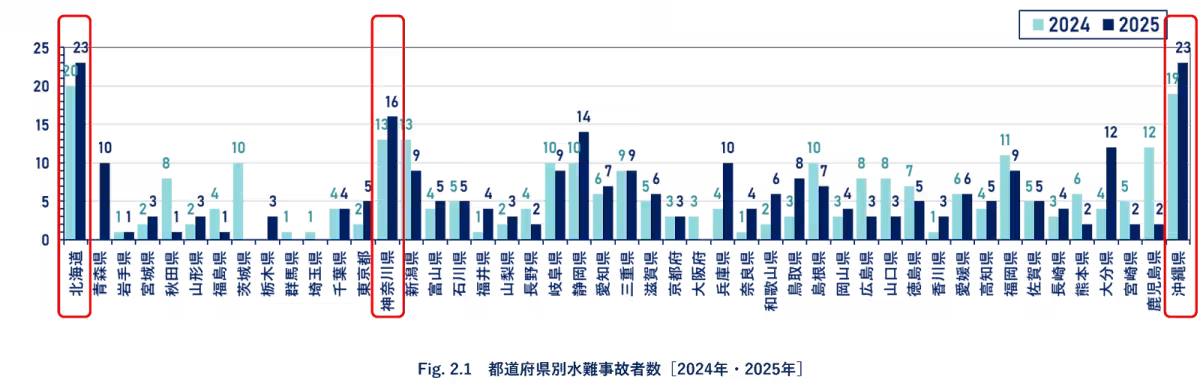
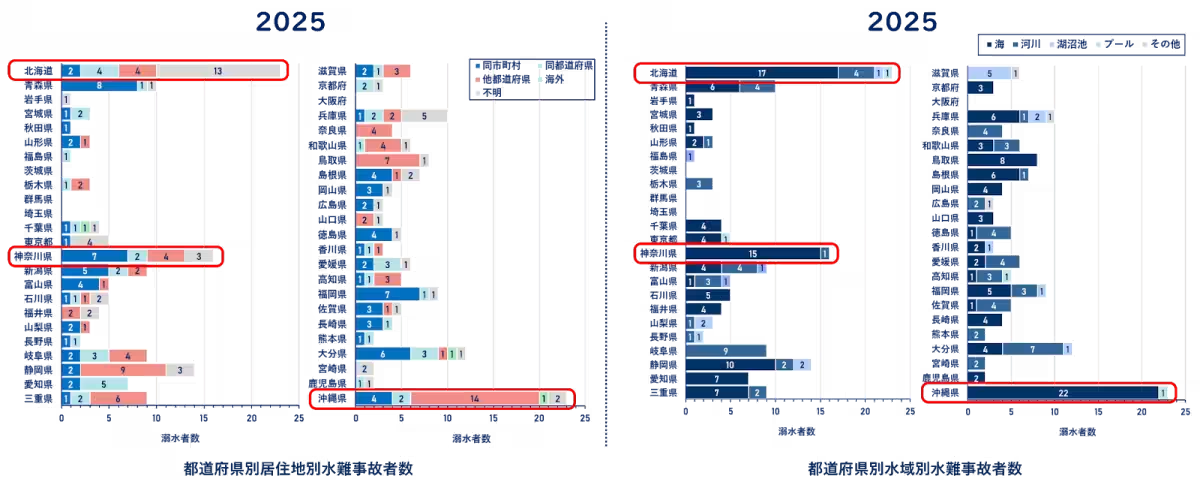
2. Geographic Patterns: The top three prefectures reporting the highest number of drowning accidents were Hokkaido, Okinawa, and Kanagawa. Notably, incidents in Hokkaido and Okinawa primarily involved tourists, while approximately 40% of incidents in Kanagawa involved local residents. The study suggests a need for more localized analysis to understand the unique characteristics of each region better.
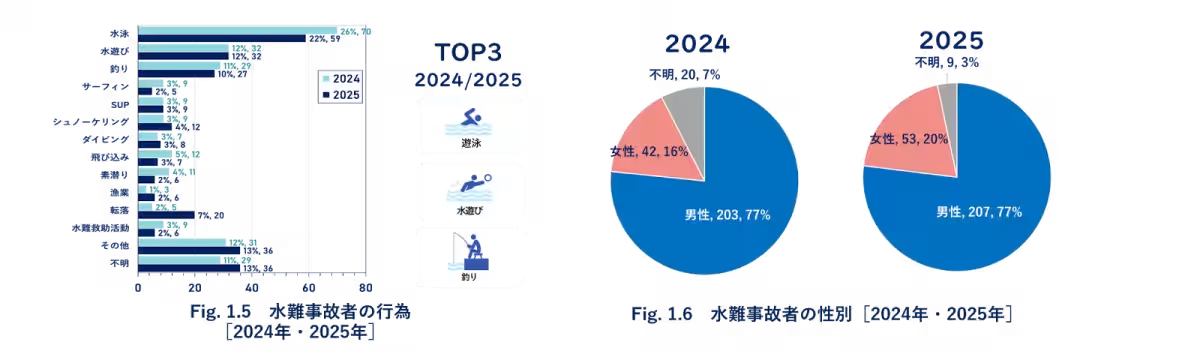
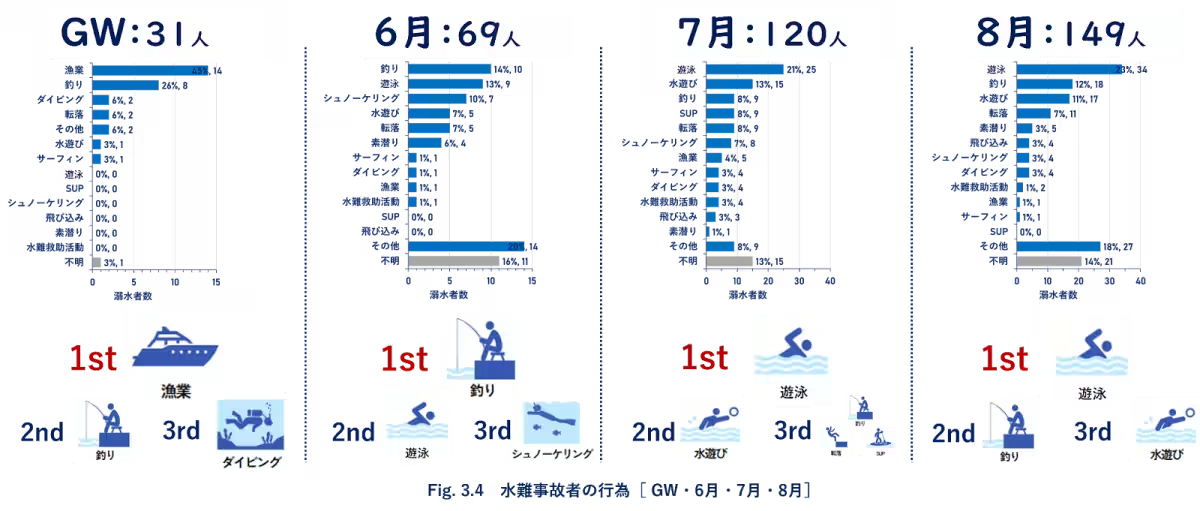
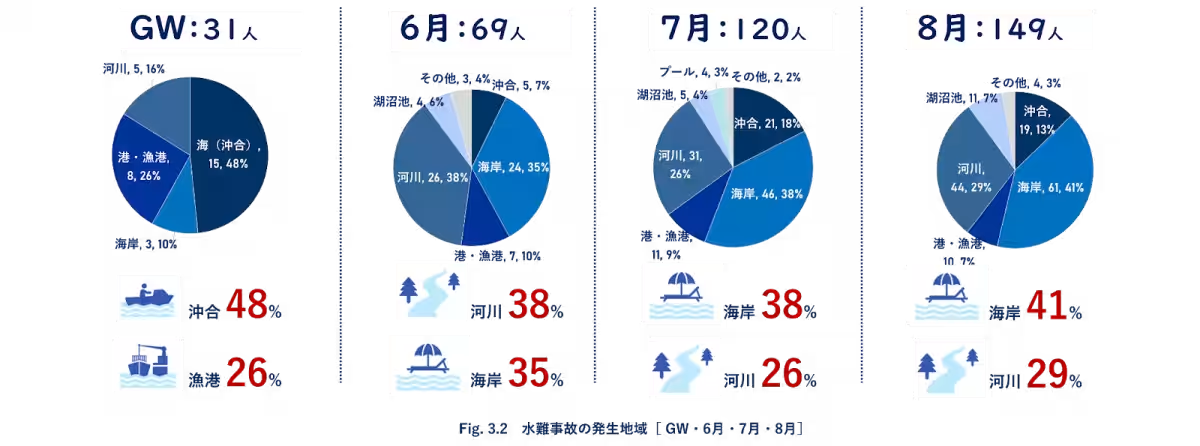
3. Variability by Season: The survey found that drowning incidents typically peaked in certain water environments during different seasons. Activities associated with the accidents also differed by time of year; fishing was prevalent during Golden Week, while swimming dominated the summer months.
4. Language and Communication Needs: Interestingly, the percentage of drowning victims who were foreigners remained stable, indicating a pressing need for multilateral communication strategies to enhance awareness and prevention measures effectively.
Future Directions
The analysis of the past two years highlights significant distinctions according to the time of year and demographics impacted by drowning incidents. Current initiatives under the Ocean Preparedness Project, such as the educational campaign “I Almost Drowned: 100 Lessons,” need to evolve to incorporate the specific data gathered from this survey. By tailoring educational efforts based on region, season, and target demographics, the project aims to foster effective communication that resonates with the public.
Research Overview
- - Survey Period: April 26 - May 6, 2025; June 1 - August 31, 2025
- - Accident Scope: Incidents occurring along coastal and aquatic areas.
- - Data Collection Methods: The study relied on articles from national newspapers, regional papers, and online news sources, utilizing specific keywords to gather comprehensive data on drowning incidents.
The Japan Lifesaving Association, in collaboration with the Japan Foundation, aims to enhance future communication methodologies regarding drowning prevention. Efforts include creating a media archive with educational materials available for communities, enhancing access to resources on drowning prevention, correct life jacket usage, and understanding rip currents among other topics.
For more insights and data, you can access the full report and utilize educational materials at the provided links.
Topics Health)
【About Using Articles】
You can freely use the title and article content by linking to the page where the article is posted.
※ Images cannot be used.
【About Links】
Links are free to use.