



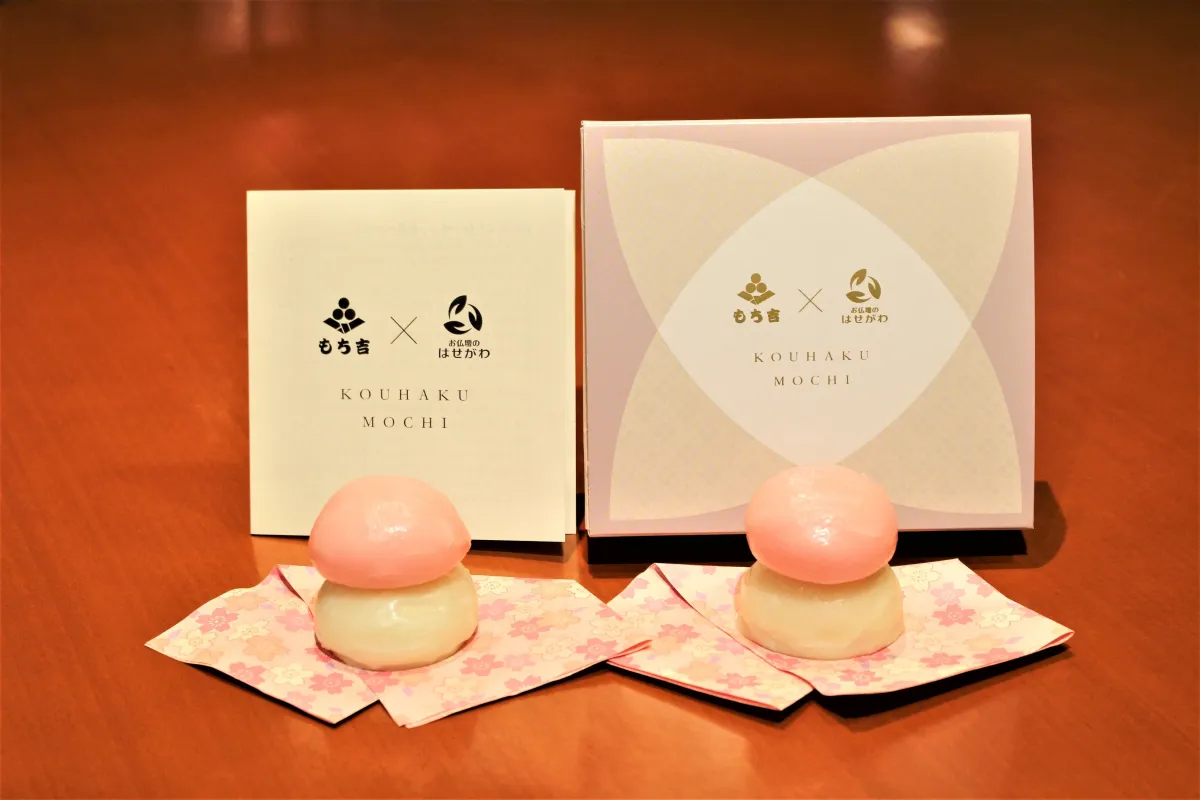
Hasegawa's Exclusive Red and White Rice Cakes Celebrate Tradition and Gratitude
Hasegawa's Exclusive Red and White Rice Cakes: Celebrating Tradition and Gratitude
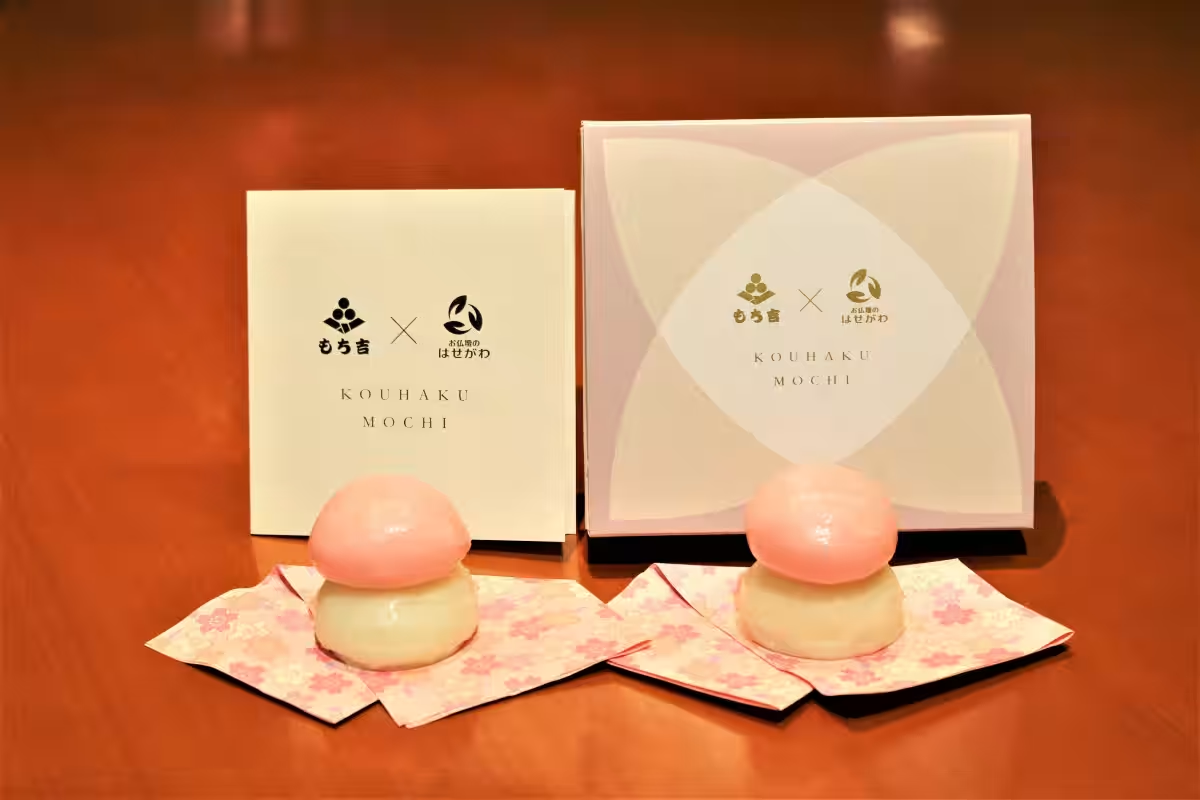
Hasegawa Co., Ltd., which specializes in selling Buddhist altars and gravestones, is set to unveil a unique product named "Red and White Rice Cakes" (Kouhaku Mochi) on September 25, 2025. These rice cakes will be available exclusively at Hasegawa stores in the western and Tokai regions of Japan, making them a special offering tied to cultural and religious traditions.
This collaboration with Mochikichi, a specialist store known for its rice crackers and rice cakes, plays a central role in the story behind these delicacies. Mochikichi, like Hasegawa, was established in 1929 in Nogata City, Fukuoka prefecture. Due to their shared roots, their collaboration is not only significant but also highlights the importance of maintaining traditional practices amid changing cultural landscapes.
Significance of the Red and White Rice Cakes
The Red and White Rice Cakes are deeply woven into the fabric of Japanese culture. Traditionally, these rice cakes symbolize the concepts of 'spirituality' and 'purity.' They are commonly used in ceremonies at Buddhist altars and at gravesites, signifying a celebration of life and a gesture of respect toward ancestors.
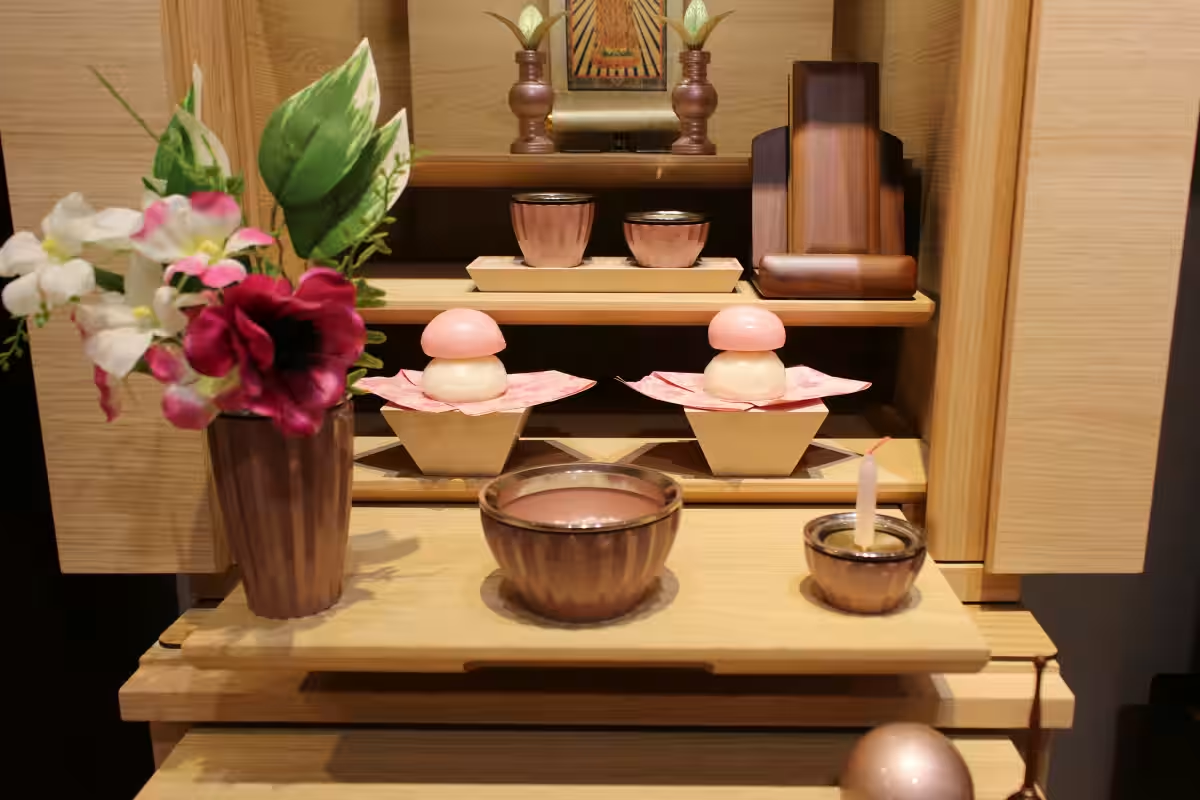
The custom of offering these rice cakes at the opening of a new altar (or at similar occasions) is still prevalent today. In Buddhist rites, these cakes represent heartfelt gratitude to ancestors and express the wish for peace within the family. The red rice cake symbolizes protection, joy of life, and peace, while the white one stands for purity, sincerity, and gratitude.
This meaningful connection makes the Red and White Rice Cakes an ideal offering during significant family gatherings or commemorative events. After being presented at the altar, these small-sized treats can be savored and shared among family members, embodying the tradition of sharing blessings.
Product Overview
- - Product Name: Red and White Rice Cakes
- - Price: 1,485 JPY (tax included)
- - Contents: Two rice cakes each of red and white (four pieces total). For offering, it is suggested to layer the red and white cakes together.
- - Sales Location: Exclusively at Hasegawa locations in the Kyushu and Tokai regions. Online shopping and stores in the Kanto area will not carry this product. You can find a list of stores at Hasegawa's official site.
In addition, Hasegawa shows its commitment to preserve and promote traditional Japanese culture while adapting to modern lifestyles through events like this. They aim to create a nuanced approach to memorial practices, reinforcing the connection between past and present.
About Hasegawa Co., Ltd.
Founded in 1929, Hasegawa Co. believes in empowering individuals through peace of mind and the strength to live. Their business operations include not just the sale of Buddhist altars and ornaments but also gravestones and support for end-of-life preparations. Hasegawa is dedicated to facilitating a calm and serene lifestyle for all customers while constantly evolving to meet the needs of contemporary society.
- - Company Registration: Established in December 1966
- - Stock Exchange: Listed on the Tokyo Stock Exchange Standard Market
- - Business Operations: Encompasses Buddhist altar and ornament sales, gravestone services, indoor cemetery operations, and more.
- - Capital: 4,037 million JPY (as of March 31, 2025)
- - Annual Revenue: Individual: 20,410 million JPY (for the fiscal year ending March 2025) / Consolidated: 21,228 million JPY
- - Number of Stores: 136 (as of May 2025, including their restaurant operations)
- - Employees: 1,197 (for the fiscal year ending March 2025)
- - CEO: MITSUSHIRO SHINKAI
- - Corporate Website: Hasegawa Corporate Site
- - Customer Site: Hasegawa Customer Site
The Red and White Rice Cakes stand as a testament to Hasegawa's dedication to cultural preservation and innovation, providing a meaningful link between generations that will continue to be cherished in Japanese households for years to come.

Topics Consumer Products & Retail)
【About Using Articles】
You can freely use the title and article content by linking to the page where the article is posted.
※ Images cannot be used.
【About Links】
Links are free to use.