



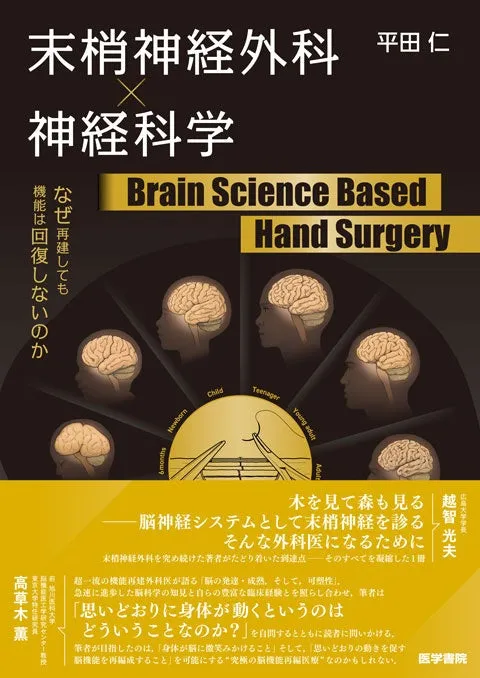
Relearning the Brain: Understanding Hand Surgery Through Neuroscience
Relearning the Brain: Insights into Hand Surgery from Neuroscience
In the world of orthopedic medicine, the interplay between the brain, peripheral nerves, and the muscular system is a vital focus. The upcoming release on April 20, 2026, titled 'Brain Science Based Hand Surgery: Why Reconstructive Surgery Does Not Restore Function' by Hitoshi Hirata, offers a revolutionary perspective on this topic. This book not only addresses the questions posed by many specialists regarding surgical outcomes but also emphasizes the crucial role of brain function in understanding peripheral nerve injuries.
The Challenge of Recovery
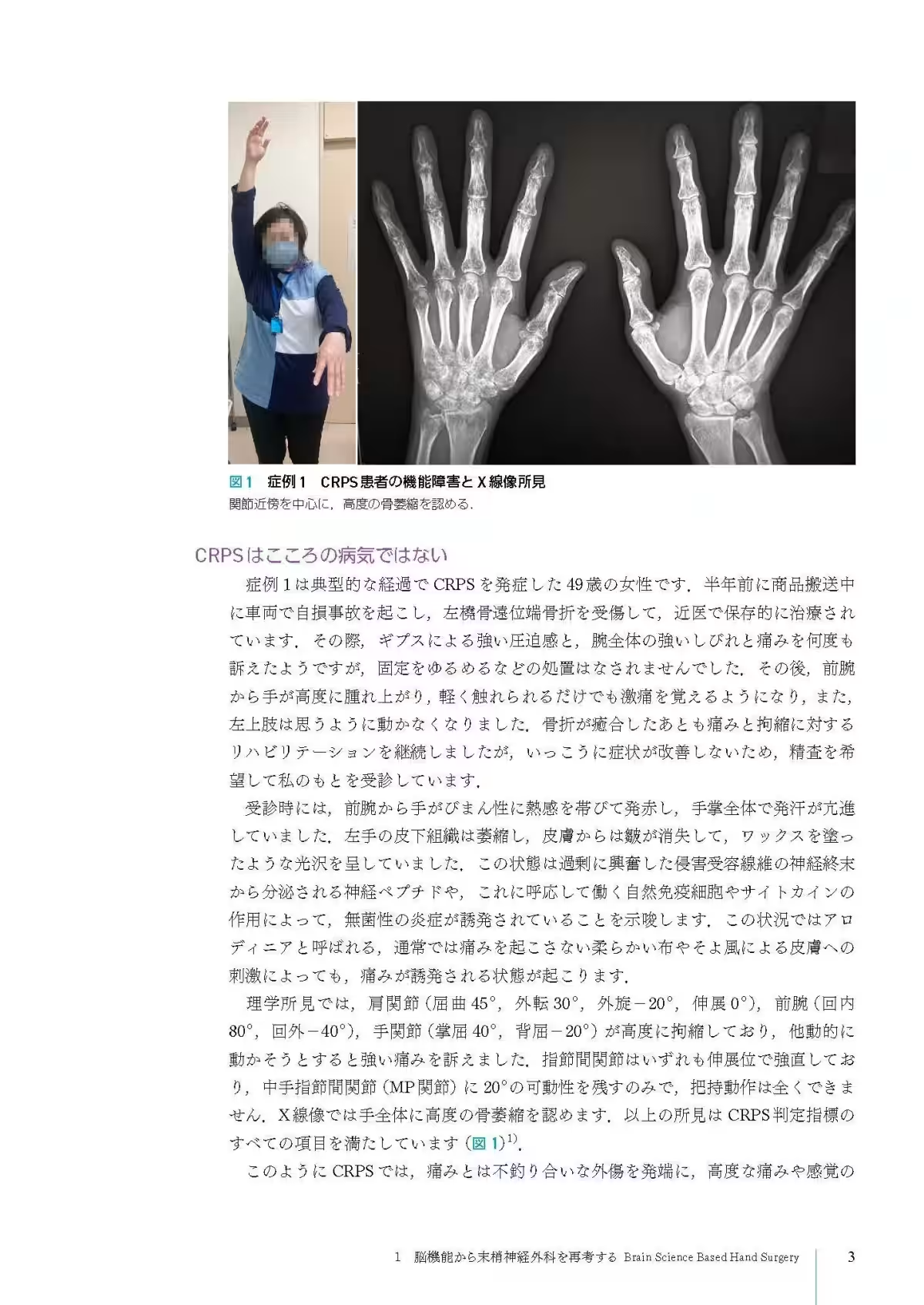
Despite successful surgeries and appropriate treatments, many patients experience challenges in regaining complete functionality in their limbs. Hirata posits that these challenges stem from changes in brain function, significantly impacting the rehabilitation process. This insight encourages medical professionals to rethink their approaches when treating such injuries, promoting a more integrated understanding of how central nervous system development and changes affect peripheral nerve injuries.
Clinical Experiences Redefined
Hirata, drawing on a wealth of clinical experience, revisits these pivotal moments from a new angle. His analysis encompasses stages from prenatal development to old age, providing healthcare practitioners with essential insights into treating peripheral nerve injuries effectively.
A New Perspective on Orthopedic Medicine
The book serves as a novel contribution to orthopedic practices, especially within the realms of peripheral nerve surgery and hand surgery. It advocates that sensorimotor system control is profoundly influenced by the development and deterioration of the brain. This perspective leads to a broader comprehension of various orthopedic conditions, including spinal disorders, musculoskeletal pain, joint diseases, and functional impairments stemming from trauma. By viewing these matters through the lens of brain function, Hirata reveals new strategies and understandings that can benefit practitioners and their patients alike.
Overview of Contents
1. Exploring Peripheral Nerve Surgery Through the Lens of the Central Nervous System
2. Understanding the Changes During Functional Recovery from Peripheral Nerve Injuries
3. Peripheral Nerve Injuries During Fetal Development
4. Peripheral Nerve Injuries in Newborns
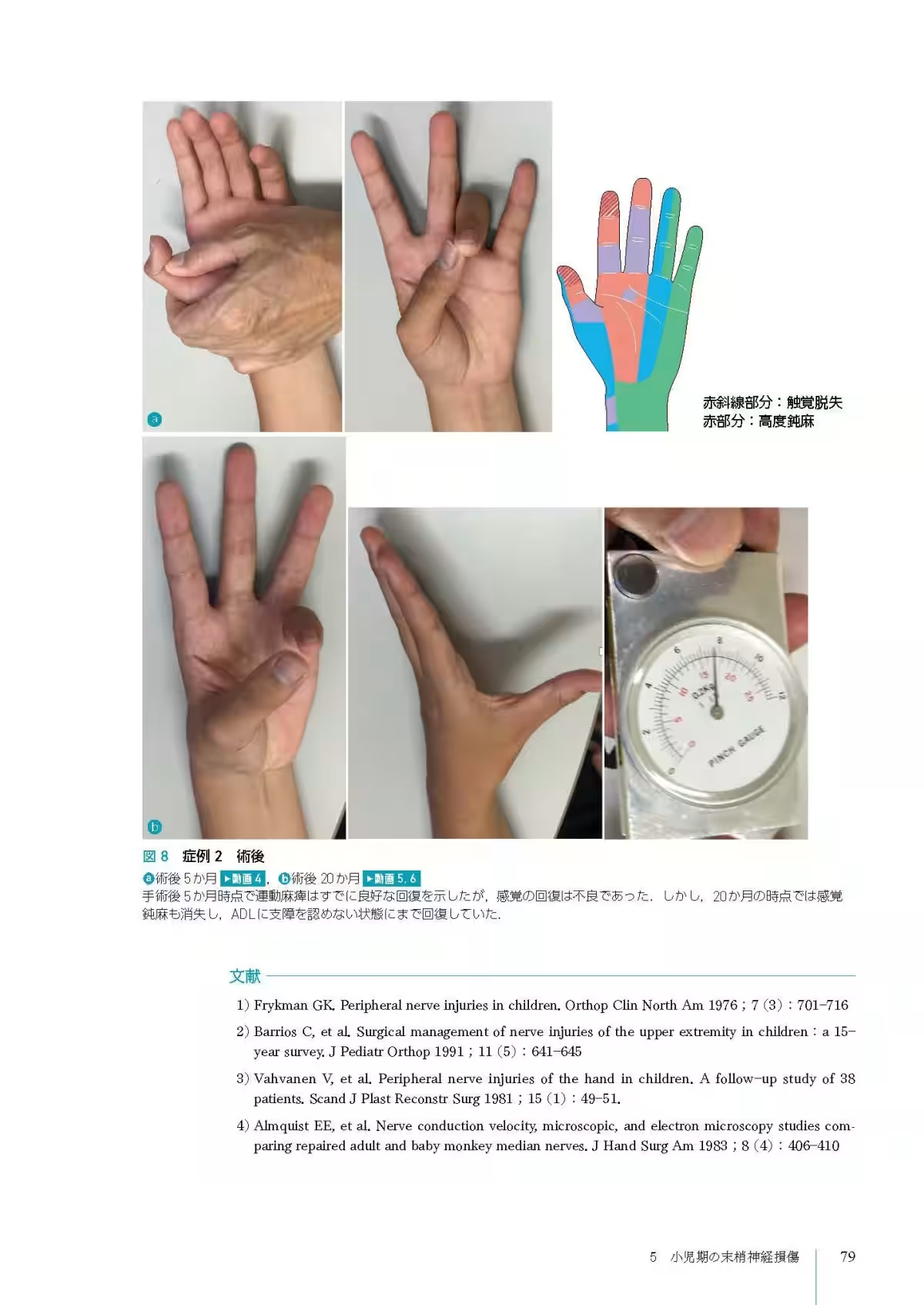
5. Peripheral Nerve Injuries in Children
6. Peripheral Nerve Injuries During Adolescence
7. Lessons from Iatrogenic Nerve Injuries in Adults
Neuroscience and Brain Plasticity
The insights extend into the realms of neuroscience, emphasizing the brain's capacity for plasticity. The following chapters outline how the brain's cortex interacts with peripheral nerves, supported by theories such as predictive coding models that explain sensory reconstructions. The book underscores:
- - The development of the cortex in relation to peripheral nerve functions
- - Mechanisms in episodic memory
- - Neural foundations for fine motor skills
Conclusion
In summary, Hitoshi Hirata's 'Brain Science Based Hand Surgery' shifts the focus in orthopedic treatment, encouraging a reevaluation of muscle movement and nerve function dynamics critical for patient care. Emphasizing the correlation between neurology and orthopedics, this work offers a wealth of knowledge for specialists aiming to advance their practice and improve patient rehabilitation outcomes. For those involved in the medical field, this book will serve as an invaluable resource for understanding and addressing the complexities of nerve injuries linked to brain function.
To learn more about this book, visit the publisher's website.
Topics Health)
【About Using Articles】
You can freely use the title and article content by linking to the page where the article is posted.
※ Images cannot be used.
【About Links】
Links are free to use.