



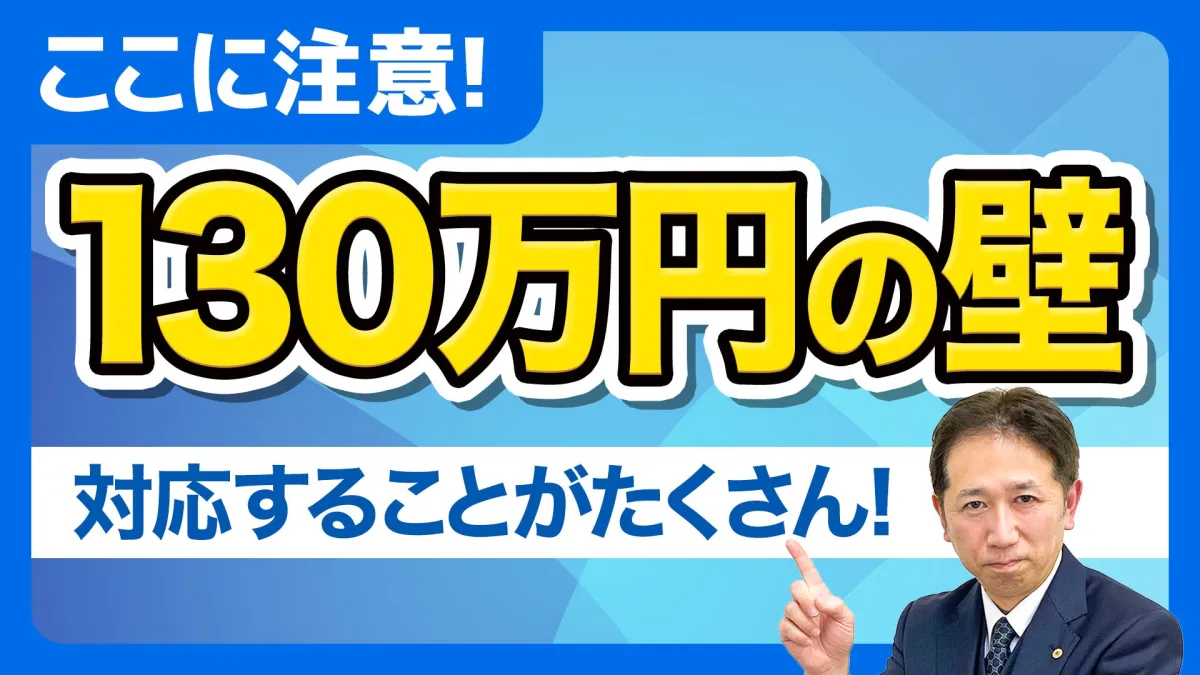
Essential Updates for Labor Conditions Under New 1.3 Million Yen Rule
Understanding the New 1.3 Million Yen Rule
The introduction of the new 1.3 million yen employment threshold has brought significant changes to labor condition notifications. Companies and organizations must now be particularly attentive to not just what they include but also what they omit in these documents to avoid invalidation.
Key Elements that Must Be Included
The following four critical aspects must be clearly detailed in all labor condition notifications:
1. Expected Annual Income: Companies need to indicate a projected salary amount to ensure clarity. This figure is now a mandatory component of any employment contract as it serves as a primary indicator of compensation and job expectations.
2. Commuting Allowance: Clarity regarding commuting expenses is vital. Employers should specify the amount of commuting allowance provided in clear terms to avoid misunderstandings.
3. Overtime Work Schedule: It is essential to define how overtime will be handled in the contract. An ambiguous overtime policy could lead to disputes or dissatisfaction among employees, thus affecting overall workplace harmony.
4. Bonuses: Contracts should also specify bonus arrangements, detailing any performance-related bonuses or regular bonuses. This transparency helps in ensuring mutual understanding of remuneration.
Failure to adequately address any of these components could jeopardize the legality of the employment contract, leading to potential disputes or invalidation.
Common Queries Addressed
Many employers have questions regarding these new requirements. Here are some frequently asked questions:
- - What specific items need revising?
- - Why is expected annual income essential?
- - To what extent should commuting allowances be outlined?
- - How should overtime be documented?
- - Why is it necessary to define bonuses?
- - How is annual income calculated for hourly employees?
- - What scenarios could lead to contract invalidation?
Seminar Overview
Join us on April 14, 2026, at 12:00 PM to learn from Jun Ono, a certified social insurance labor consultant with extensive experience in labor trainings. The seminar will address how to effectively implement legal requirements in practical settings, providing insights into the new rules and their implications for contract drafting. Flexibility in arrangements for media and individual interviews will be available.
About the Organizing Association
The Claire Human Resource Development Association, founded in 2023, specializes in employment, labor, and harassment prevention training. With over 750 people certified as Clean Employment Planners, they are dedicated to transforming workplace practices across various sectors.
For further details and registration, please visit their official site at https://koyo-clean.com/. Don't miss this opportunity to ensure your compliance with the new regulations and enhance your understanding of labor laws.
Topics People & Culture)





【About Using Articles】
You can freely use the title and article content by linking to the page where the article is posted.
※ Images cannot be used.
【About Links】
Links are free to use.