



New Insights on Keloid Treatment: Understanding the Differences and Benefits of Surgical Intervention
Keloids and Hypertrophic Scars: A Closer Look
Background
Keloids and hypertrophic scars are conditions that often emerge following surgeries or injuries. They not only affect appearance but can also be painful or itchy. Recent data indicates that a significant number of people are neglecting treatment for these conditions, believing it to be tied to their individual physiology. This article aims to shed light on this issue based on a survey conducted by the IC Clinic, which specializes in dermatological and surgical care. The findings have raised critical awareness regarding the options available for treatment.
Survey Overview
The survey targeted individuals aged 20 to 60 across Japan who had experienced raised scars. Conducted online from April 6 to April 15, 2026, the study incorporated responses from 300 people and revealed concerning trends regarding awareness and treatment of keloids and hypertrophic scars.
Key Findings
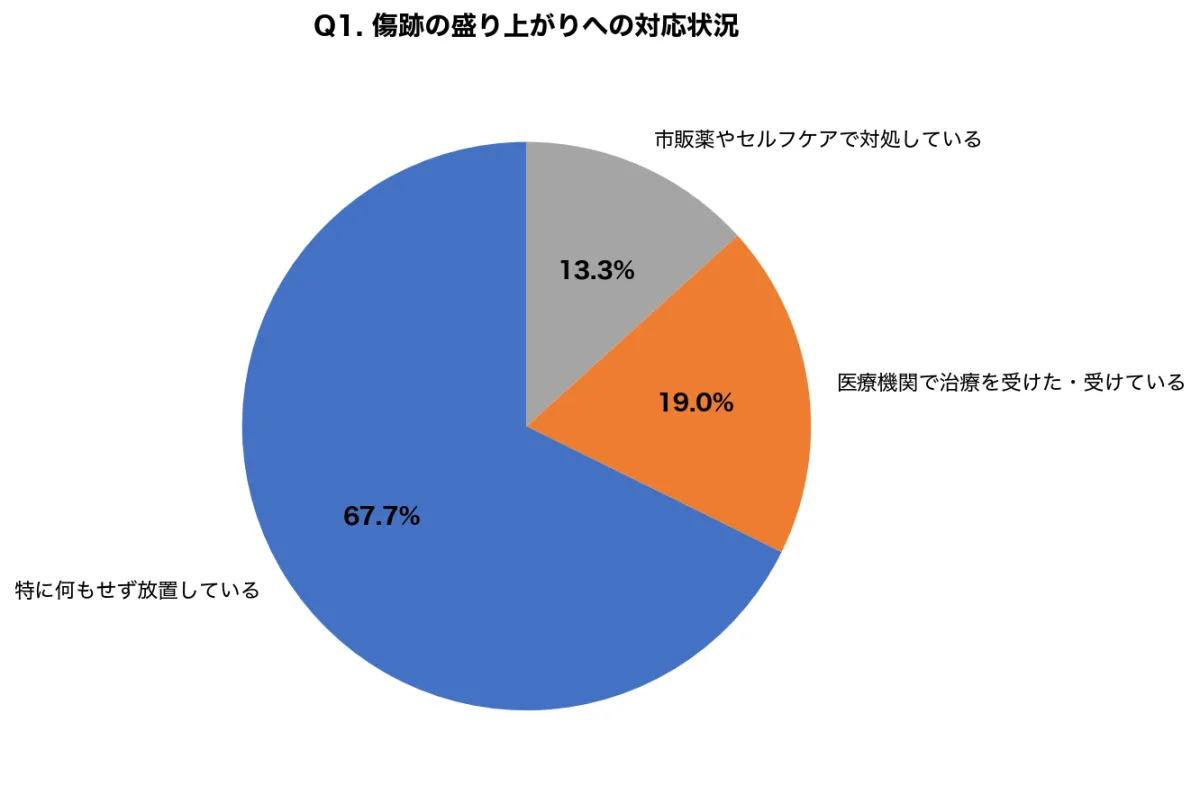
1. Majority Ignoring Treatment: A striking 67.7% of respondents admitted they left their raised scars untreated.
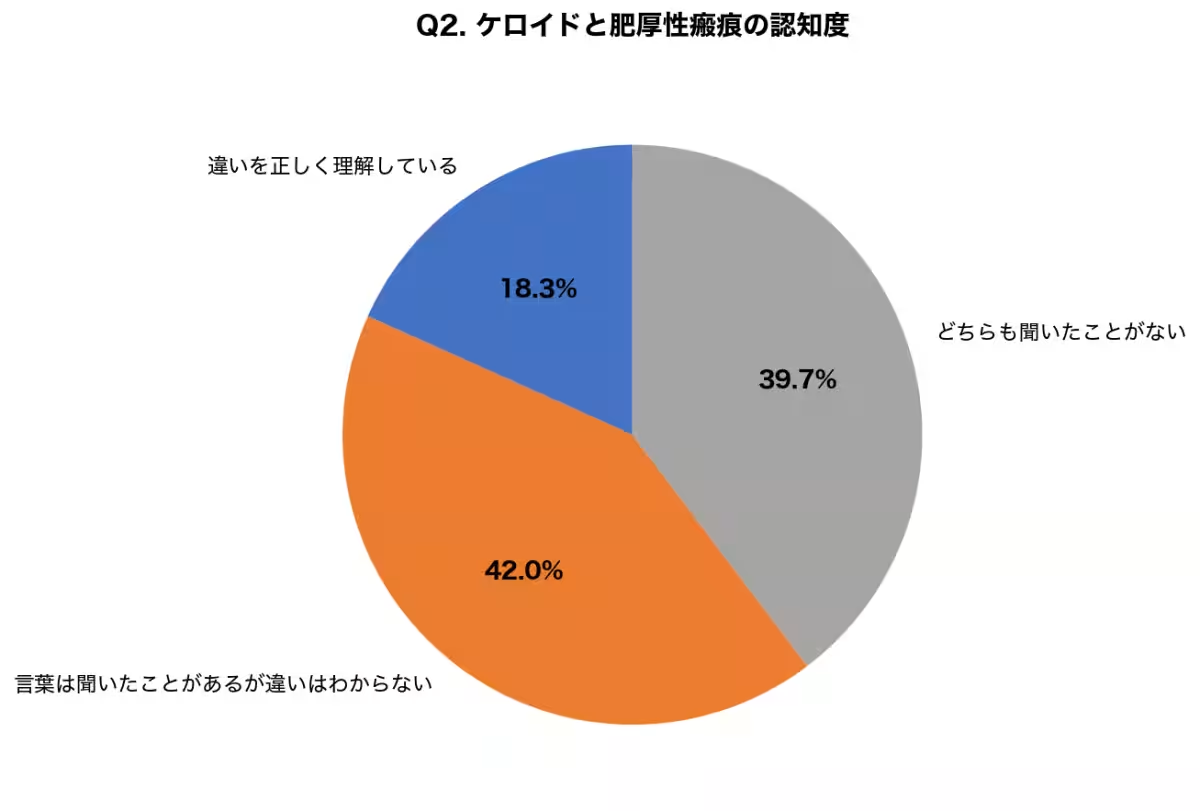
2. Lack of Knowledge: Only 18.3% correctly identified the differences between keloids and hypertrophic scars, which is alarming given the implications for appropriate treatment.
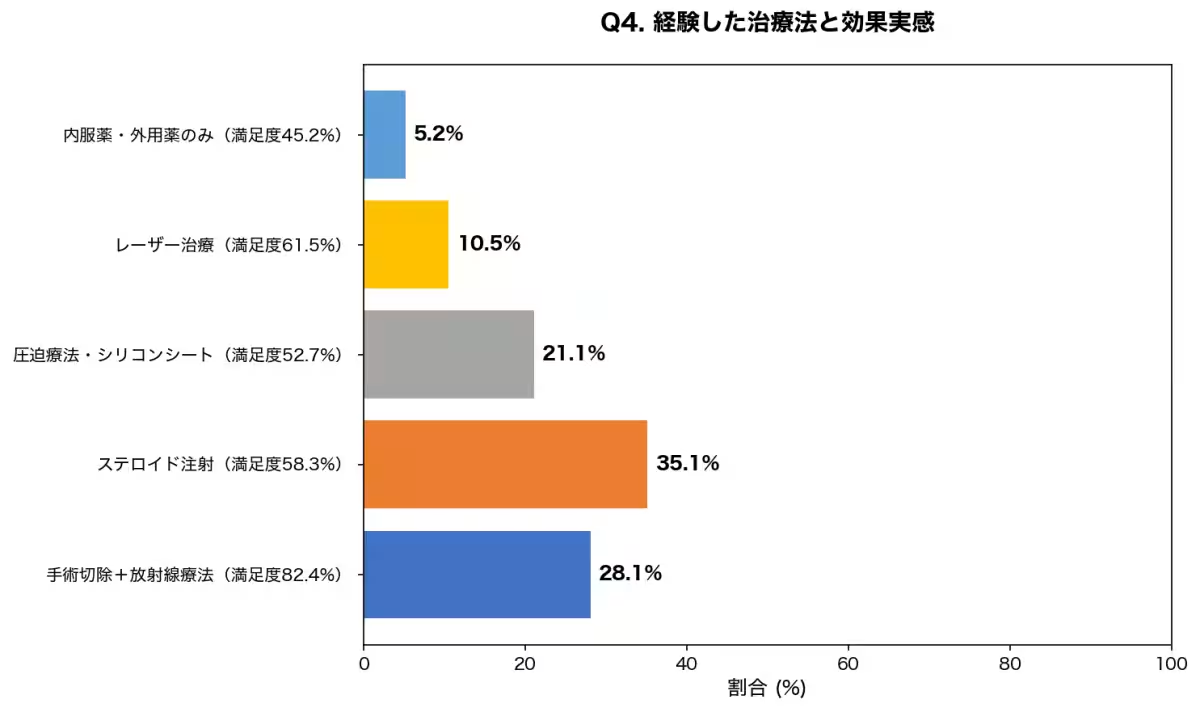
3. Treatment Satisfaction Disparity: Satisfaction rates for treatment showed stark contrasts; surgical removal combined with radiation therapy achieved an 82.4% satisfaction rate, compared to only 58.3% for those who received steroid injections alone.
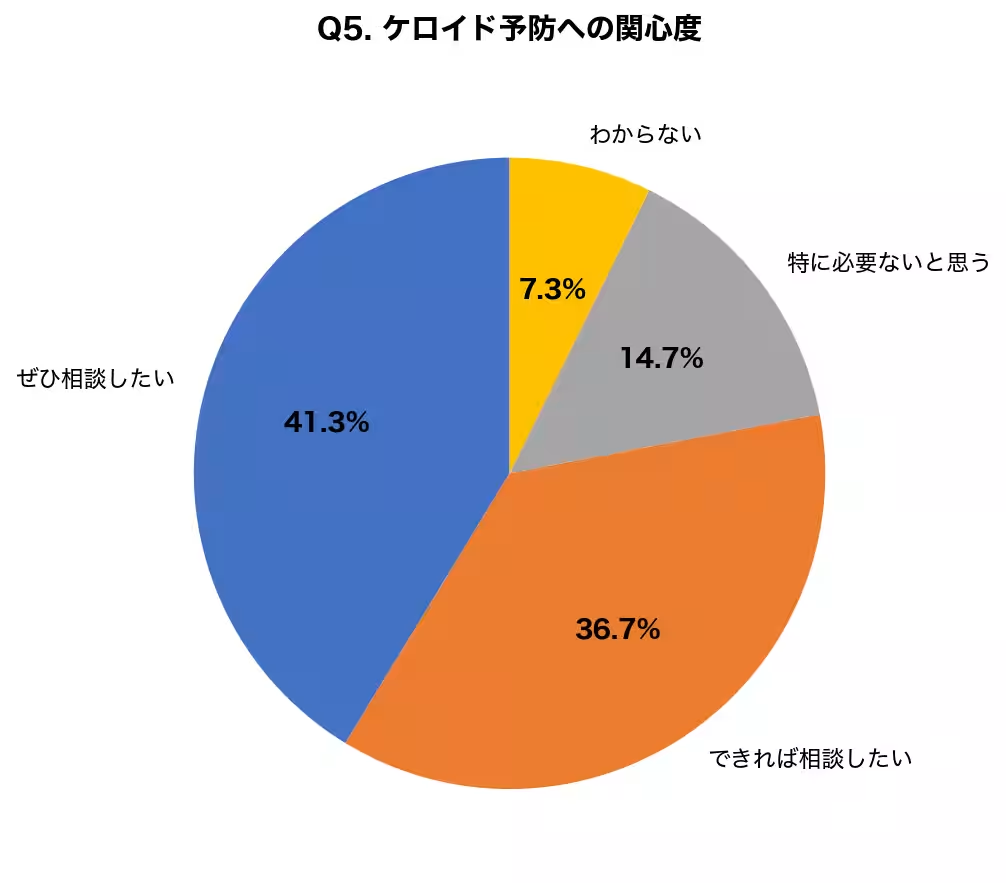
4. Consultation Before Surgery: About 78% expressed a desire for consultation regarding keloid prevention prior to any surgical procedures.
Understanding Keloids
Keloids arise when fibroblasts proliferate excessively during the healing process of a wound, resulting in scarring that extends beyond the original injury site. They rarely shrink on their own and are influenced by genetic factors. Keloids frequently appear on the chest, shoulders, and earlobes. In stark contrast, hypertrophic scars are thick, raised areas that remain within the confines of the original wound and tend to improve naturally over time, particularly with conservative treatments like pressure therapy or steroid injections.
Treatment Comparisons
The survey underscored significant differences among treatment modalities:
| Treatment Modality | Effectiveness | Recurrence Rate | Treatment Duration | Estimated Costs | Pain & Burden | Insurance Coverage |
|---|---|---|---|---|---|---|
| ----- | ---- | ---- | ---- | ---- | ---- | ---- |
| Steroid Injections | Mild to moderate effectiveness | 40-60% | 3-6 months | ¥500-¥1500 per session | Some pain during injection | Yes |
| Pressure Therapy | Mild effectiveness | 30-50% | 6 months to over a year | ¥1000-¥3000/month | Minimally painful | Yes |
| Surgical Removal + Radiation | Moderate to severe effectiveness | 10-20% | 1 day for surgery + 2-3 days for radiation | ¥15,000-¥50,000 | Pain for 1-2 weeks | Yes |
These findings highlight that while steroid injections and pressure therapy may provide relief for mild cases, those with moderate to severe keloids can greatly benefit from surgical intervention, particularly when paired with postoperative radiation therapy, which significantly lowers recurrence risks.
Importance of Early Intervention
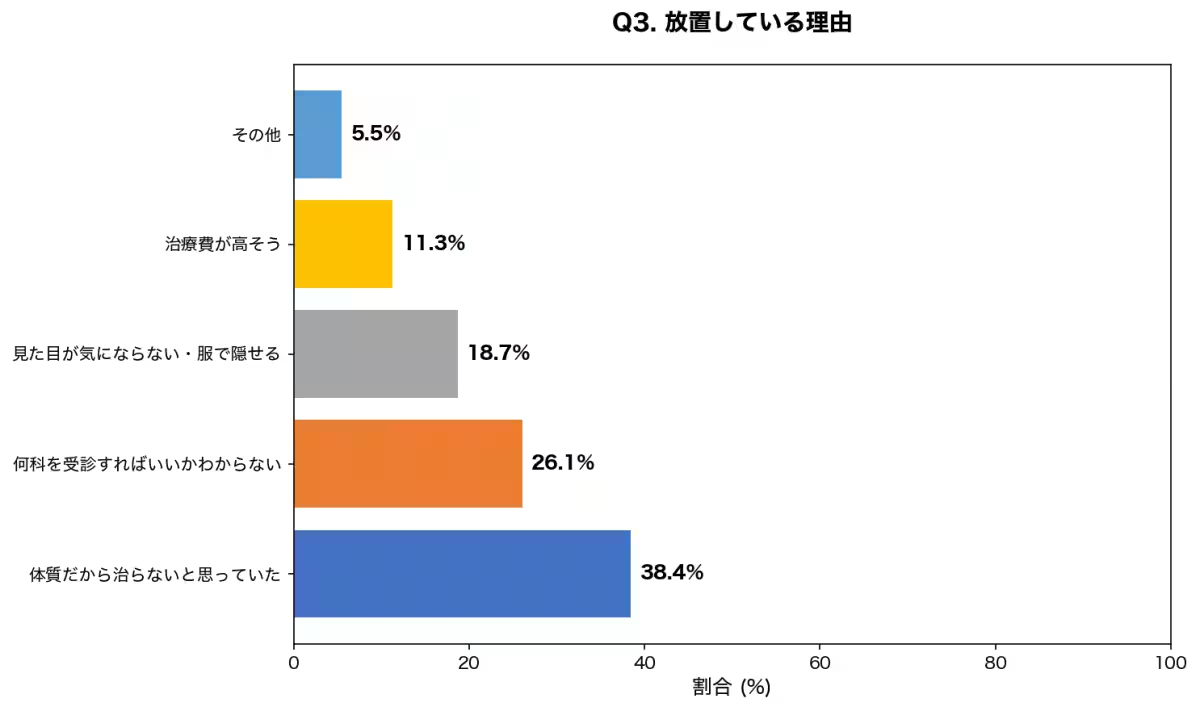
The survey highlighted a critical need for awareness about keloids. Many individuals mistakenly believe that their scars are merely a matter of genetics and thus avoid seeking treatment. Unfortunately, this belief may lead to worsening conditions and increased difficulty in addressing their scars. It is essential for patients to understand that both keloid and hypertrophic scars can be effectively treated and that timely intervention can lead to better outcomes.
Expert Commentary
According to Dr. Kouta Takakuwa of the IC Clinic, proper diagnosis is the first step towards effective treatment. “It's crucial to distinguish between keloids and hypertrophic scars, as their treatment strategies are markedly different. While steroid injections might suffice for minor cases, surgical removal combined with radiation therapy is the gold standard for severe keloids,” he notes.
Dr. Takakuwa emphasizes that misconceptions around keloids should not deter individuals from pursuing treatment. Insurance typically covers these treatments, making it accessible for those in need.
Conclusion
The survey conducted by the IC Clinic sheds light on a pressing health concern that many are unaware of. Keloids and hypertrophic scars require proper understanding and treatment strategies tailored to each individual's needs. Early consultation and specialized treatment are pivotal in ensuring optimal recovery and enhancing the quality of life for those affected by these challenging conditions. Individuals experiencing raised scars should not hesitate; seeking professional advice early can be life-changing.
For those in areas served by the IC Clinic, professional expertise is available. With established facilities in Shinjuku, Shibuya, Ueno, Ikebukuro, Tokyo, and Omiya, help is within reach. Consultations can pave the way for effective management of keloids and hypertrophic scars, encouraging informed decisions toward better health outcomes.
Topics Health)
【About Using Articles】
You can freely use the title and article content by linking to the page where the article is posted.
※ Images cannot be used.
【About Links】
Links are free to use.