



Survey Reveals Managers Are Aware of Cancer Risks but Neglect Routine Checks
Survey Findings on Cancer Awareness Among Executives
Introduction
In a revealing study conducted by CellCloud, a company based in Shibuya, Tokyo, 100 male executives aged 40 and over shared their experiences with cancer awareness and health management following friends' diagnoses. This article explores the vital findings shaping the attitudes of these leaders towards their health and the repercussions of external events such as a friend's cancer diagnosis.
Key Findings
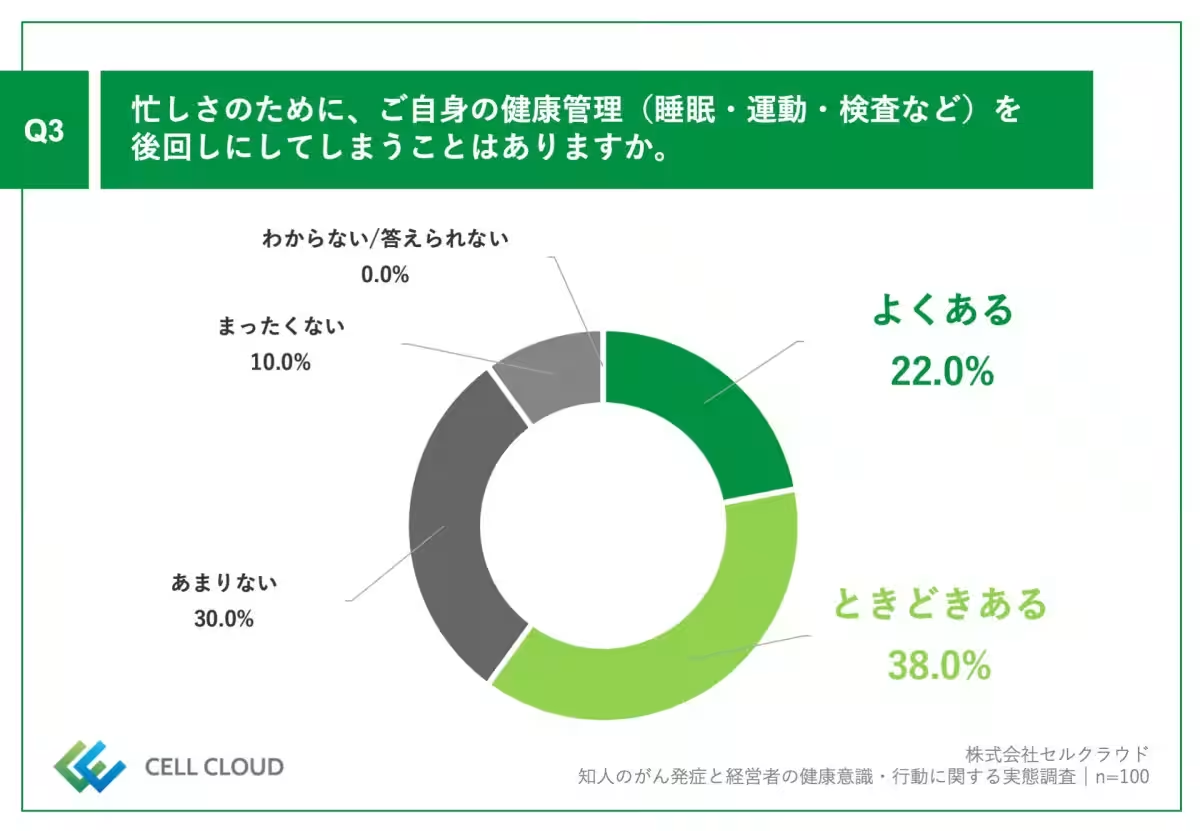
Work Hours Exceeding Limits
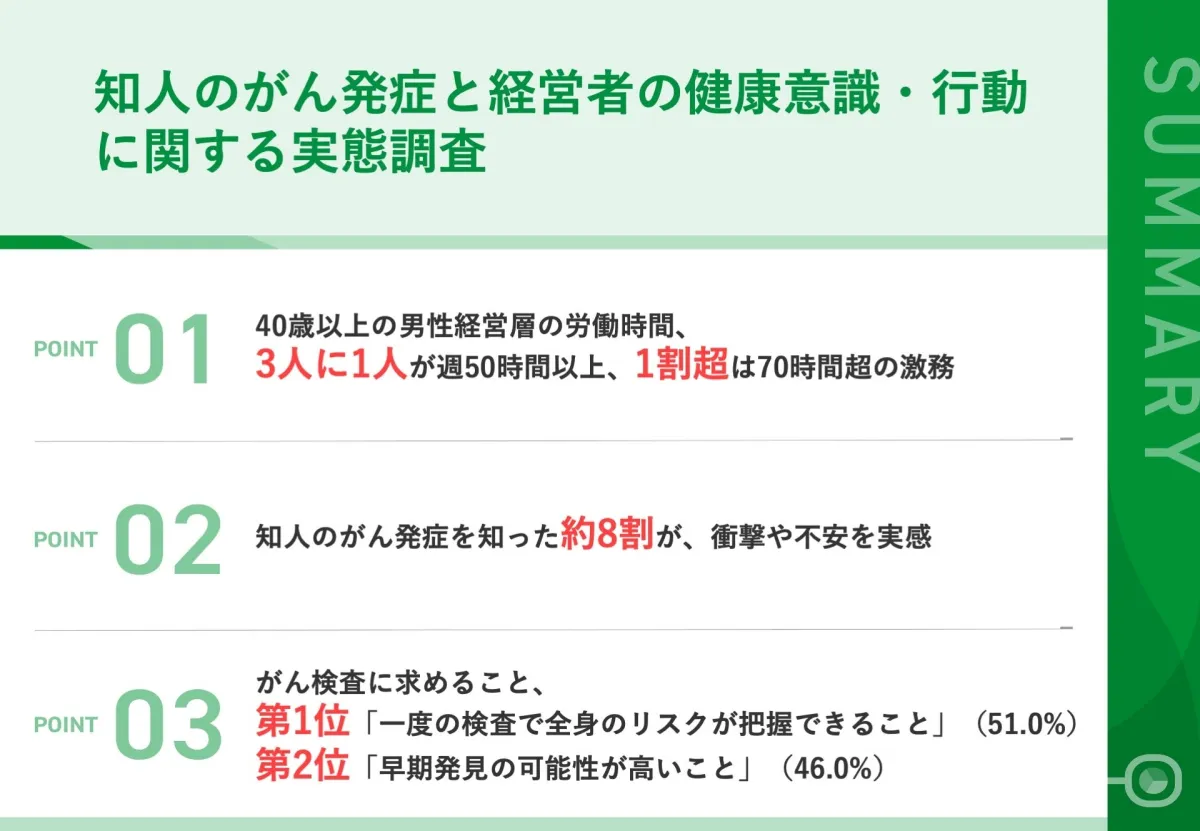
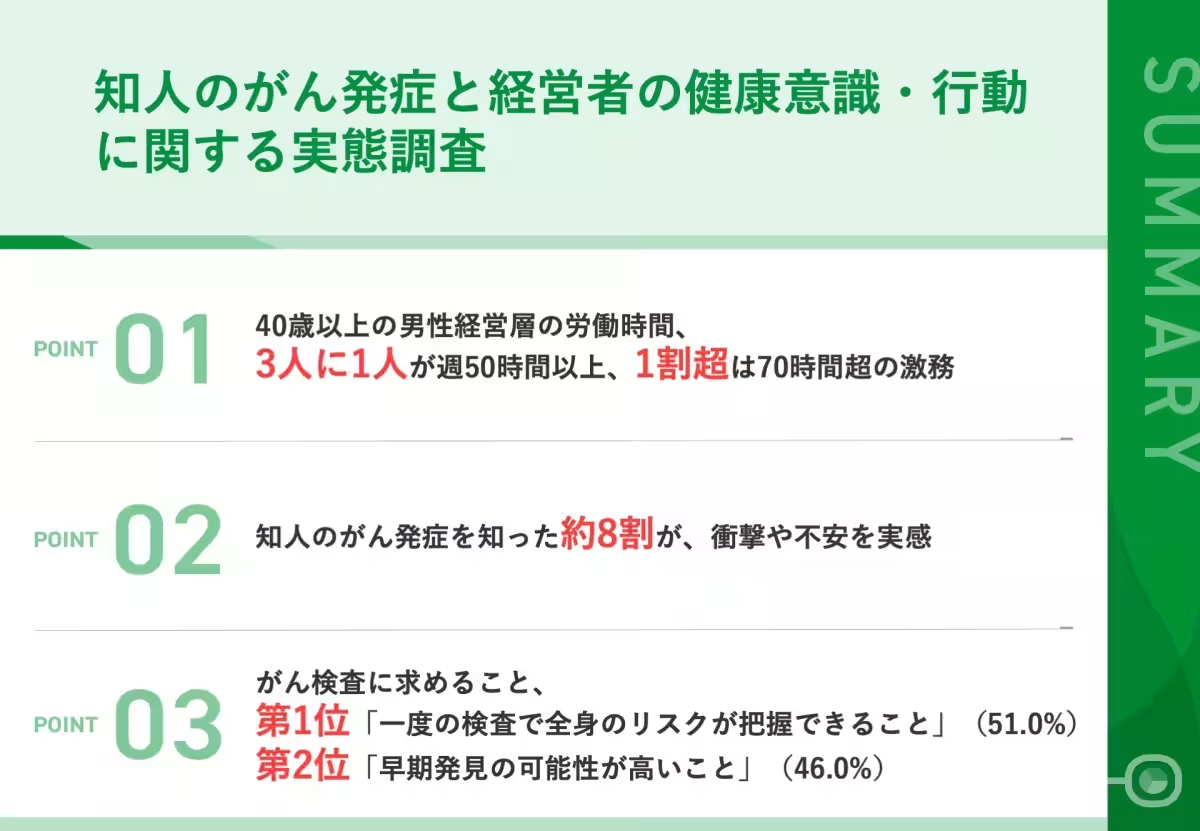
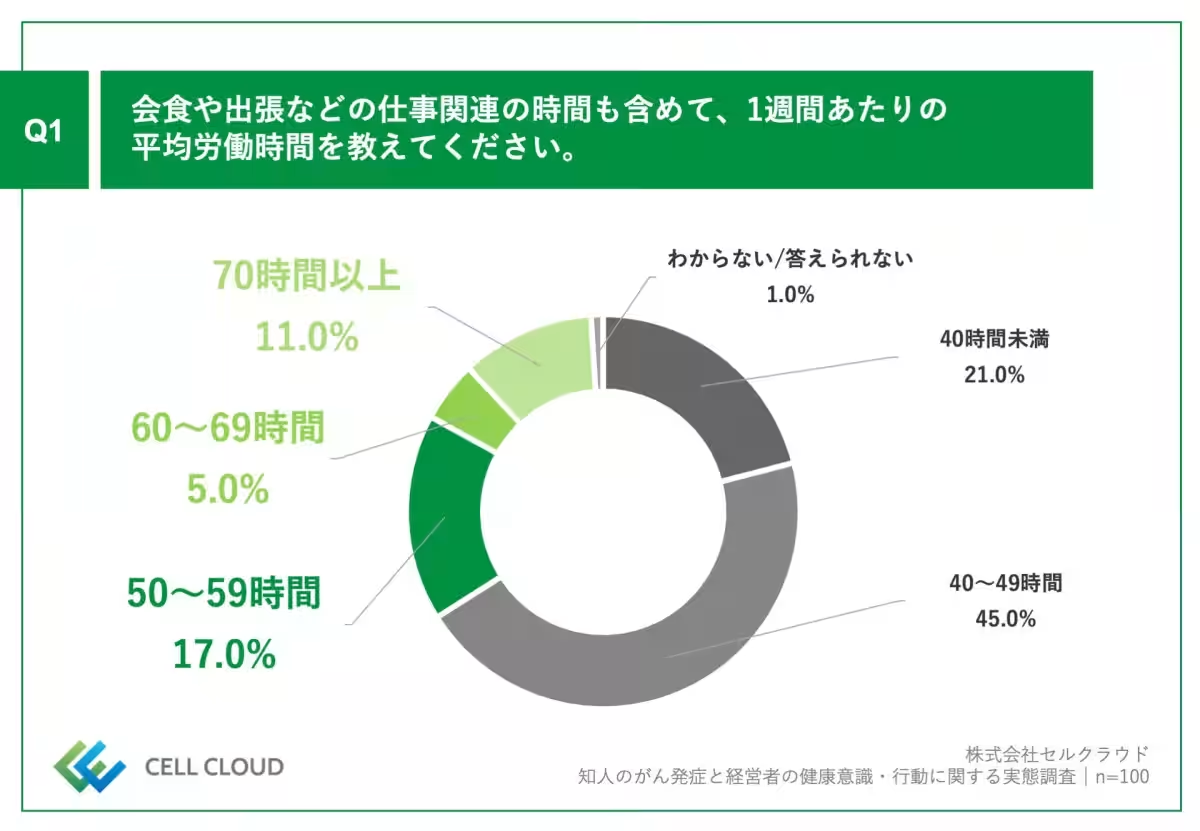
A significant 33% of respondents reported working over 50 hours a week, with more than 10% logging in over 70 hours. Such overwhelming work schedules pose serious concerns, as many individuals grapple to balance work-life with health responsibilities.
The Impact of Cancer Diagnoses
Approximately 76% of executives felt astonished or fearful upon learning about their acquaintance's cancer diagnosis. This emotional response amplifies the urgency to focus on health issues that might otherwise be postponed amidst their busy schedules.
Attitudes Towards Health
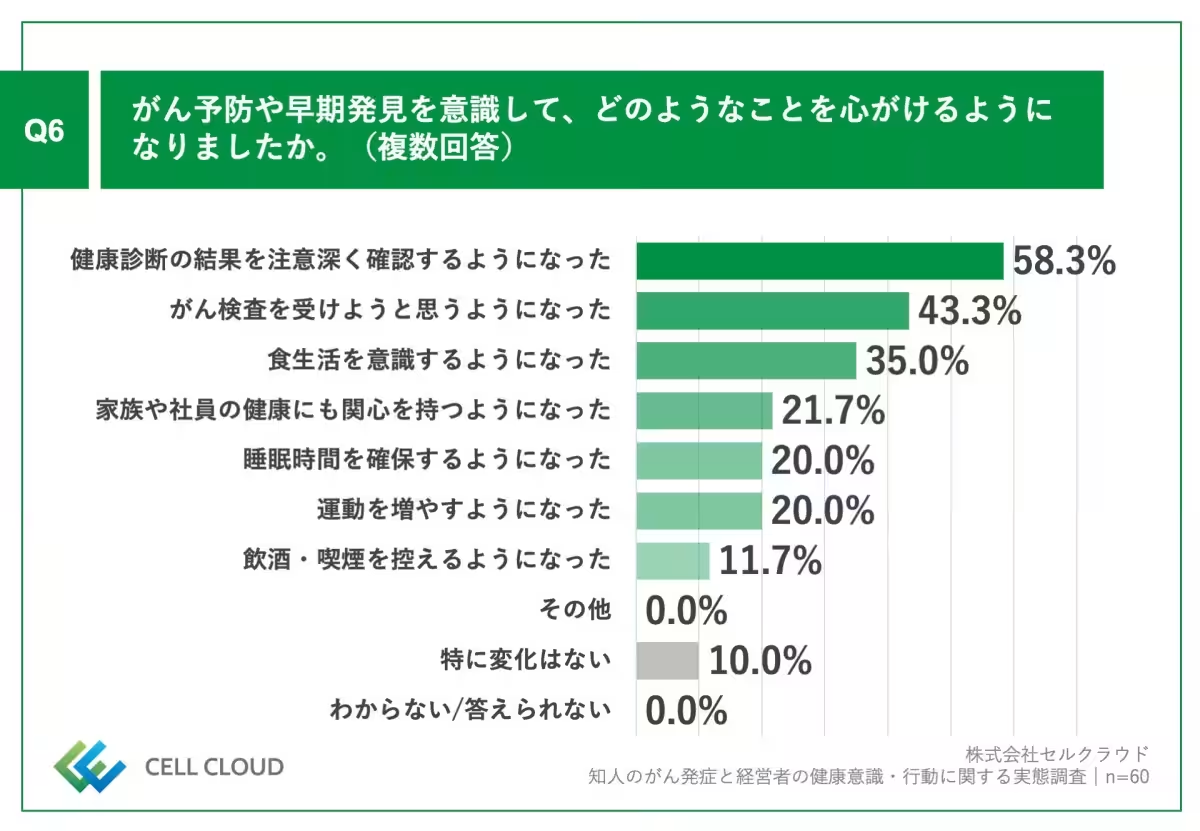
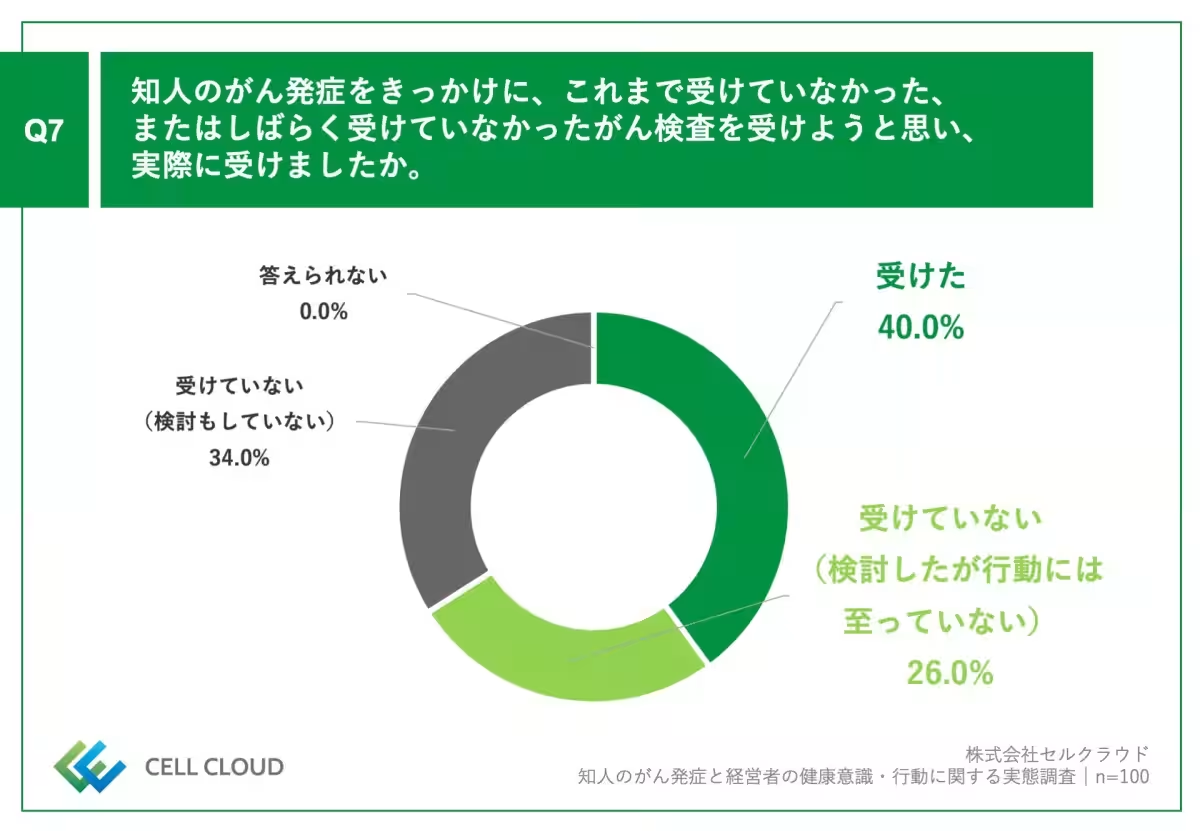
A startling 60% acknowledged that their cancer risk awareness has increased post-diagnosis of an acquaintance. However, despite heightened awareness, the actual take-up of screenings is alarming with only 40% undergoing cancer check-ups, illustrating a disconnect between awareness and action.
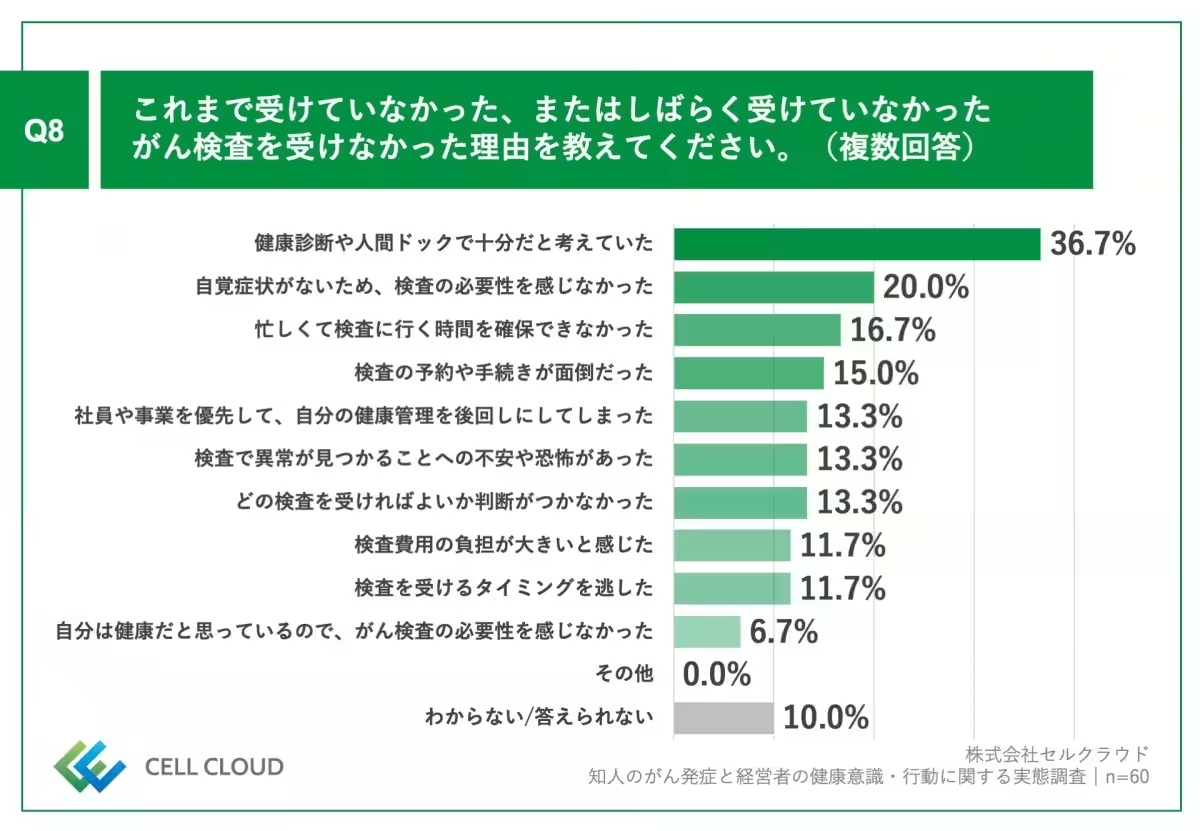
Reasons for Delayed Screenings
Despite the recognition of the necessity for health checks, many executives hesitate to schedule screenings. Top reasons include:
1. Belief in Sufficiency of Regular Health Check-ups: 36.7% of respondents felt that annual health screenings were adequate.
2. Absence of Symptoms: 20% cited a lack of physical symptoms as a reason for avoidance.
3. Time Constraints: 16.7% admitted that busy schedules made it challenging to find time for screenings.
Priorities for Future Check-ups
When navigating their healthcare paths, executives emphasized critical factors they desire from future cancer screenings:
- - Comprehensive Assessments: 51% voiced the need for tests that assess multiple risks at once.
- - Early Detection Potential: 46% preferred screenings that maximize early diagnosis opportunities.
- - Short and Efficient Testing: 31% wanted tests that reduced time and physical burden.
Conclusion
The study showcases that while awareness amongst executives about cancer risks is considerable, practical engagement in health management through regular screenings remains disappointingly low. This signals a call to action for better health policies, which accommodate time-efficient and comprehensive testing methods designed for busy professionals. As such, CellCloud’s innovative Micro CTC test, which identifies various cancer risks through a single blood draw, arises as a promising option for these executives looking to prioritize their health without compromising their responsibilities.
For further reading and access to the full report, visit CellCloud. This data elucidates the urgent need for sustainable health management practices among executives, driven by awareness but hindered by the realities of their demanding lifestyles.




Topics Health)
【About Using Articles】
You can freely use the title and article content by linking to the page where the article is posted.
※ Images cannot be used.
【About Links】
Links are free to use.