



Over 80% of Siblings Report Choices Driven by Family Priorities: Study Reveals Impact on Education and Marriage
Understanding the Lives of Siblings of Disabled Individuals
In a recent study led by Minerva Hospital, which operates under the guidance of CEO Hiromi Nakata, significant insights into the experiences of siblings who have grown up alongside disabled brothers or sisters were revealed. The term 'sibling’ refers specifically to those who have navigated childhood alongside a sibling with a disability, shedding light on a group often overlooked in discussions related to disability support and welfare.
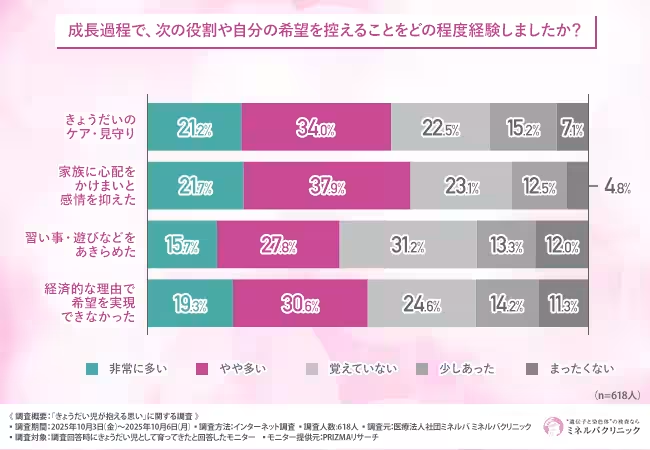
Despite their unique challenges and experiences, awareness of the term 'sibling' remains rather low in society. Typically, support systems focus primarily on individuals with disabilities, while their siblings often shoulder informal caregiving and guardianship roles within their families. This often requires them to prioritize their feelings and needs on behalf of their siblings, often resulting in substantial emotional sacrifices.
Survey Overview
The survey, labeled 'Feelings Carried by Siblings', aimed to bring forth the voices of these siblings to facilitate a more inclusive society where all children, regardless of disability, have the opportunity to flourish. The survey took place from October 3-6, 2025, and involved a total of 618 participants who identified as having grown up as siblings of individuals with disabilities. Conducted by PRIZMA through internet-based research, the responses provide a vital understanding of the dynamics and struggles faced by this community.
Key Findings of the Survey
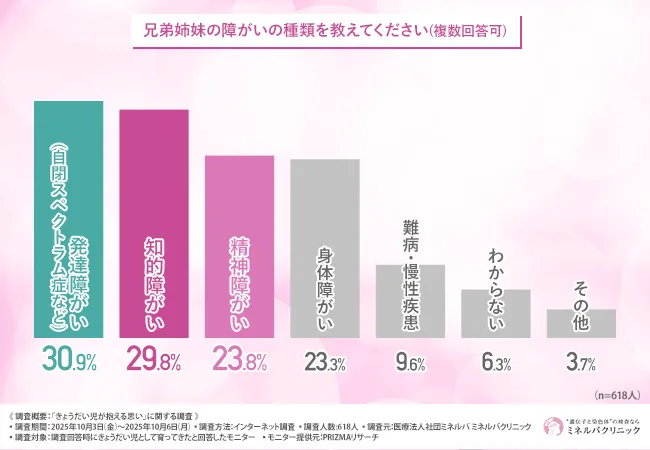
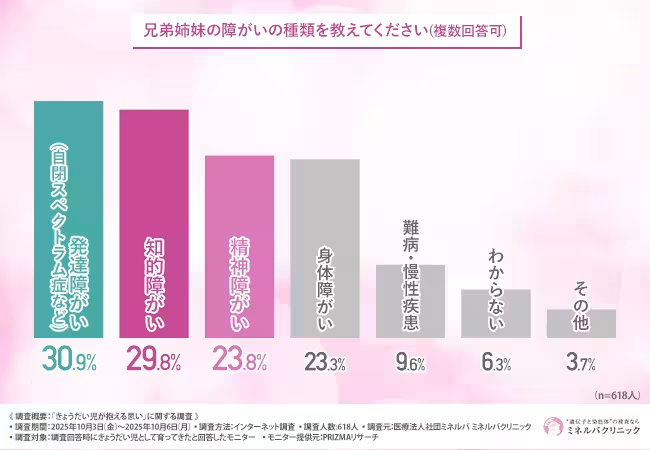
When looking into the types of disabilities present in their siblings, the most common was developmental disabilities like Autism Spectrum Disorder, with 30.9% of respondents indicating this, followed closely by intellectual disabilities and mental health issues at 29.8% and 23.8%, respectively. The survey highlights the necessity of comprehensive support tailored to the varied needs and experiences of these siblings.
Moving on to household dynamics, a significant number of respondents grew up in nuclear family settings where mothers (55.5%) and fathers (52.8%) were primary caregivers. This suggests that many siblings often found themselves in environments where caregiving roles were shared amongst family members, albeit with notable variations in styles of support.
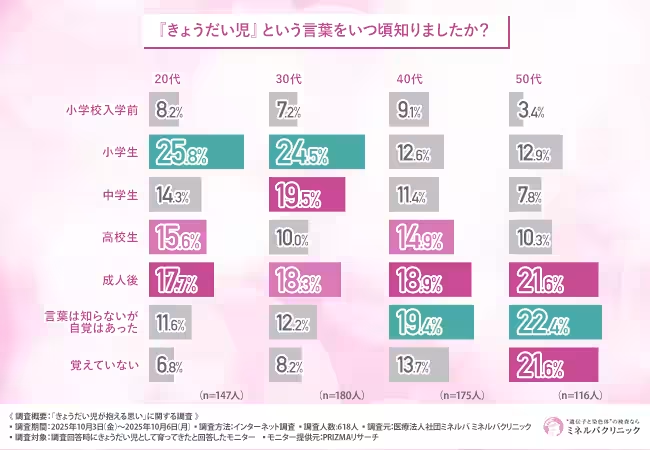
Interestingly, the time when these siblings became aware of the term 'sibling' formed a sharp generational divide; younger respondents, particularly those in their 20s and 30s, reported being introduced to the term during their elementary school years, while older respondents often had prolonged periods of unawareness, indicating a delay in societal recognition and discourse surrounding their unique experiences.
Emotional and Social Support Challenges
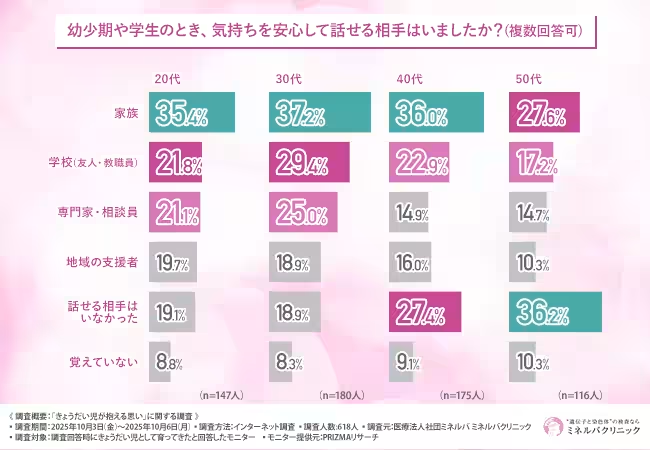
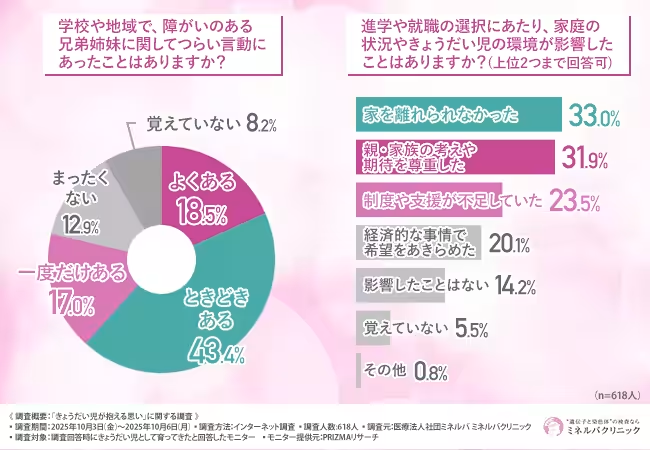
An alarming 80% reported having faced negative comments or behaviors related to their sibling's disability from peers or the community, further emphasizing the secondary trauma that accompanies caring for a disabled sibling. The support structures varied with age, where younger siblings expressed their feelings and concerns more openly compared to older cohorts who experienced isolation and had fewer outlets for emotional support.
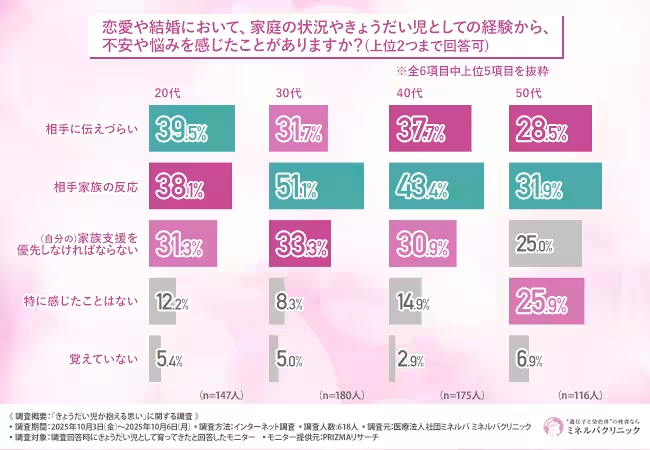
Life decisions, including education and career choices, were disproportionately affected by familial roles. Notably, more than 80% of respondents confirmed that their family circumstances affected their decisions related to schooling, jobs, and even romantic relationships, often prioritizing household needs over personal ambitions. The data suggests that 33% felt unable to leave home, while 31.9% respected family expectations when making these critical decisions, reflecting a broader pattern of self-sacrifice among this demographic.
The Path Forward: What Do Siblings Need?
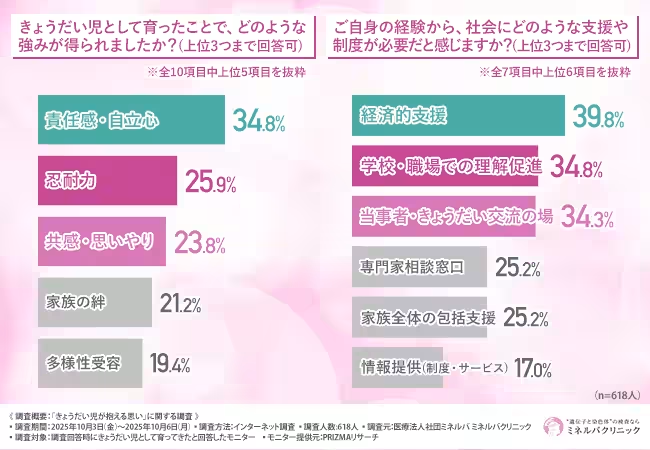
The findings from this survey reveal not only the profound emotional responsibilities shouldered by siblings but also highlight significant strengths developed from these experiences such as increased responsibility and empathy. Many respondents expressed the need for greater economic support (39.8%), improved awareness and understanding in schools and workplaces (34.8%), and opportunities for connections among siblings facing similar challenges (34.3%).
The importance of addressing both economic factors and emotional support systems cannot be overstated for these individuals who play critical roles within their families while striving to define their paths in life. As we continue to push for a culture of inclusivity, it is imperative for educational and occupational institutions, along with society at large, to foster environments that promote understanding and awareness of the unique experiences and needs of siblings of disabled individuals.
Conclusion
The insights from this study provide a roadmap for the necessary changes required to support siblings adequately. Bigger steps must be taken to address the systemic deficiencies in support systems, emphasizing the need for comprehensive, multifaceted approaches to care. This includes advocating for improved economic aid as well as promoting emotional and communal support structures through family, schools, and workplaces, ensuring every individual can thrive in a supportive environment.
Minerva Hospital remains committed to this mission—aiming to provide 'medical care that supports families' and working towards a society where all members, including those with disabilities and their siblings, can feel secure, understood, and empowered.

Topics Health)
【About Using Articles】
You can freely use the title and article content by linking to the page where the article is posted.
※ Images cannot be used.
【About Links】
Links are free to use.