



Exploring the Positive Perspectives of Japanese Parents on a Multicultural Learning Environment for Children
Understanding Japanese Parents' Perspectives on Multicultural Learning and Working Environments
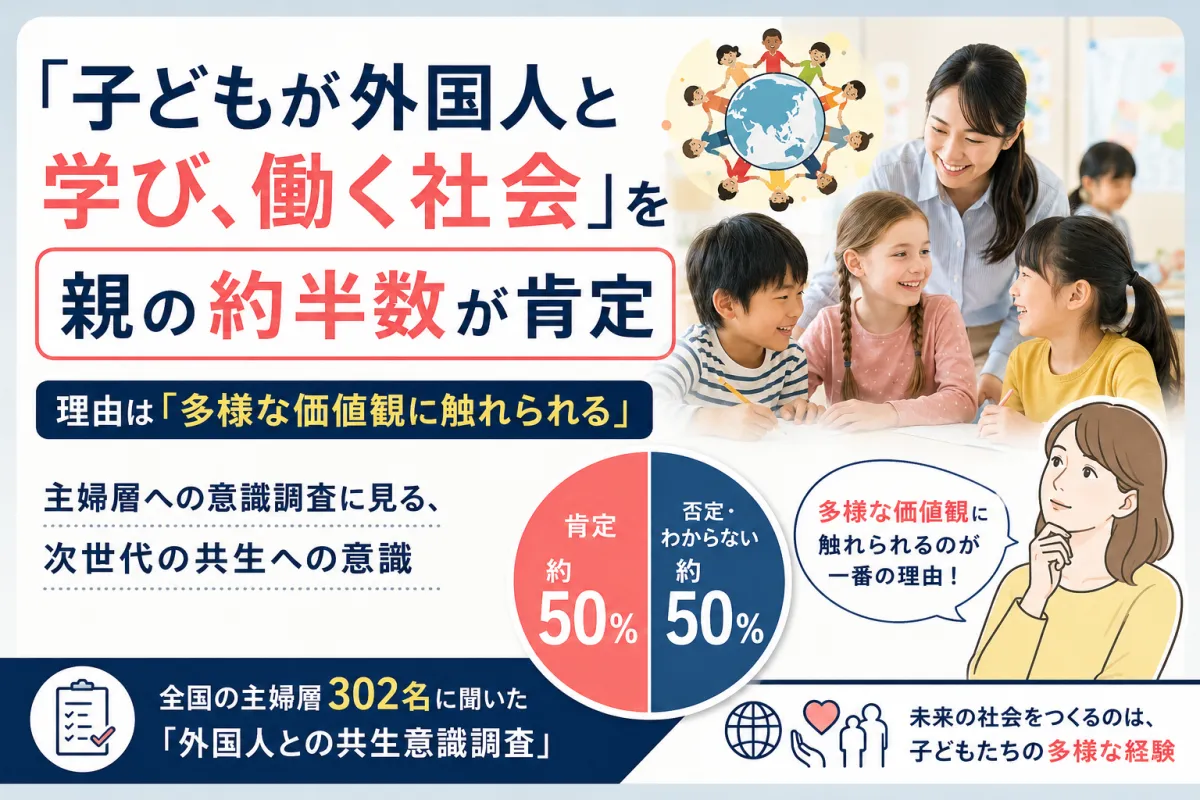
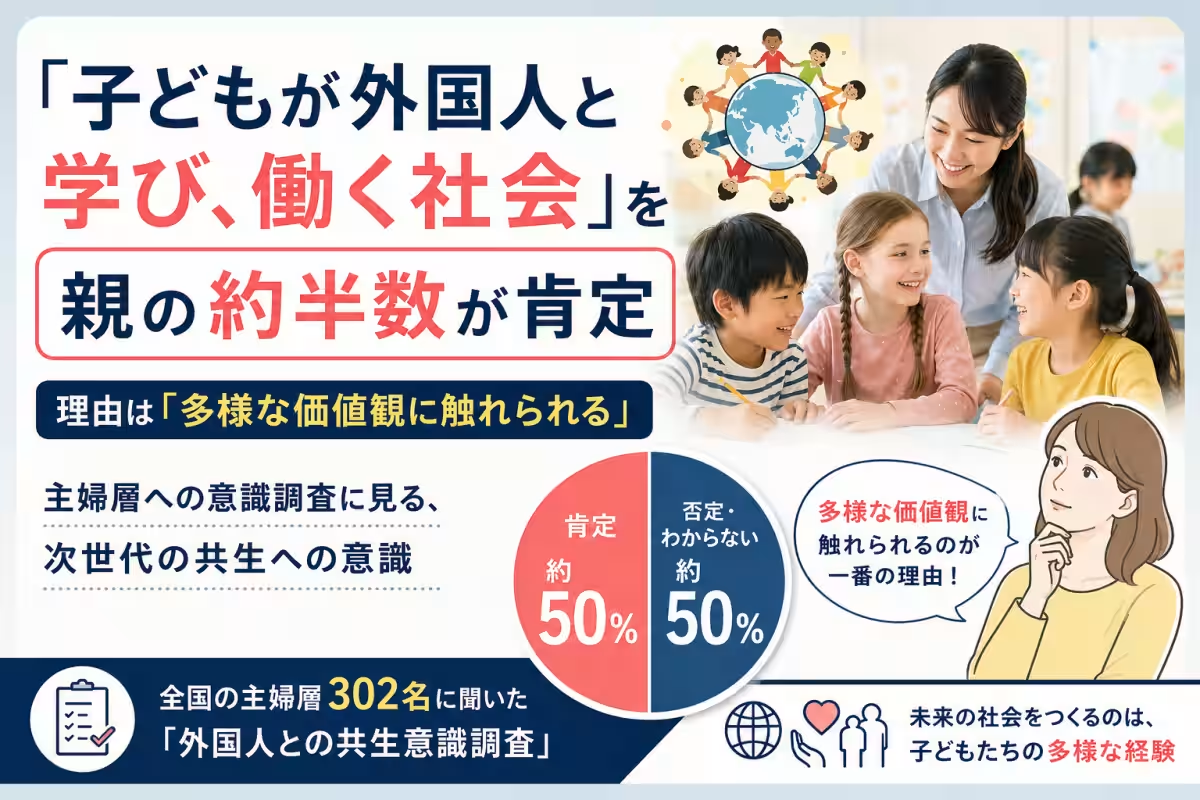
In today's globalized society, the interaction between different cultures is increasingly vital. Recent findings by the 21st Century Manpower Business Cooperative highlight an encouraging trend among Japanese parents regarding the integration of foreign children into educational settings. According to a survey conducted with 302 housewives across Japan, approximately 49.2% of respondents view a society where their children learn and work alongside foreign nationals positively.
The survey aimed to gauge attitudes toward multiculturalism, especially concerning future generations' educational experiences. From the results, it becomes evident that many perceive this integration not just as a benefit but as an investment in the future.
Reasons for Approval
Among those who support this multicultural approach, several reasons were cited. Notably, 69.9% of parents expressed that exposure to diverse values is crucial for their children's growth. Additionally, 54% noted that having foreign children in schools could stimulate interest in language learning, while 53.1% believed it would foster a global mindset among students. These insights underline a significant shift in mindset, viewing cultural diversity as enriching rather than problematic.
Concerns Raised
Despite this positive outlook, there are valid concerns that must be addressed. A significant 79.5% of parents expressed apprehension about cultural differences, indicating a fear that these variations might introduce potential conflicts or misunderstandings. Other concerns included worries about the influence on educational classrooms (57.7%) and an increased burden on schools (53.9%). Acknowledging and addressing these worries will be crucial as institutions navigate the complexities of a multicultural educational environment.
Importance of Supportive Measures
To enhance the positive impact of multicultural education, stakeholders must collaboratively create an environment that resonates with both the benefits and concerns outlined by parents. It is essential that educational institutions provide adequate support to address the challenges that arise, ensuring that every child has the opportunity to thrive in a cooperative learning atmosphere.
The 21st Century Manpower Business Cooperative emphasizes that their study reflects a broader desire among families to see foreign integration as an opportunity for cultural enrichment and international awareness for future generations. With the upcoming implementation of the new employment training system in April 2027, aimed specifically at skill development, the cooperative's initiatives align closely with promoting language and cultural education from the onset of foreign nationals' stay in Japan.
Conclusion
Through fostering environments where both local and foreign children can learn together, the vision of a harmonious multicultural society becomes closer to reality. To achieve this vision, the 21st Century Manpower Business Cooperative remains committed to ensuring that foreign nationals can engage in educational and community settings confidently and profitably, paving the way for a cohesive future environment.
Survey Overview
Survey Title: Awareness Survey on Multicultural Society among Housewives
Target Group: Nationwide housewives (both genders)
Valid Responses: 302 responses
Method: Internet survey
Conducted: August 20-25, 2026
Conducted By: 21st Century Manpower Business Cooperative (self-conducted survey)
About the 21st Century Manpower Business Cooperative
Established on May 1, 2006, the 21st Century Manpower Business Cooperative operates on the principles of mutual assistance, offering support for the acceptance of foreign trainees and skilled workers. Primarily serving individuals from Myanmar, Vietnam, and Indonesia, the cooperative facilitates compliance with relevant legal regulations while also helping foreign nationals acquire skills, knowledge, and cultural integration in Japan. With approximately 170 member companies, the cooperative strives to nurture a peaceful, collaborative living environment for foreign workers to contribute meaningfully to Japanese society.


Topics People & Culture)
【About Using Articles】
You can freely use the title and article content by linking to the page where the article is posted.
※ Images cannot be used.
【About Links】
Links are free to use.