



Remote Work Preferences: How Much Salary Reduction Are Workers Willing to Accept?
Understanding Salary Trade-offs in Remote Work
In a recent survey conducted by LASSIC’s Telework Institute, aimed at understanding the value placed on remote working conditions, intriguing insights emerged about workers' willingness to accept salary reductions in exchange for the flexibility of remote work. The survey asked 1,005 individuals who have experience with telework about their openness to a decrease in salary if they could transition to a fully remote role.
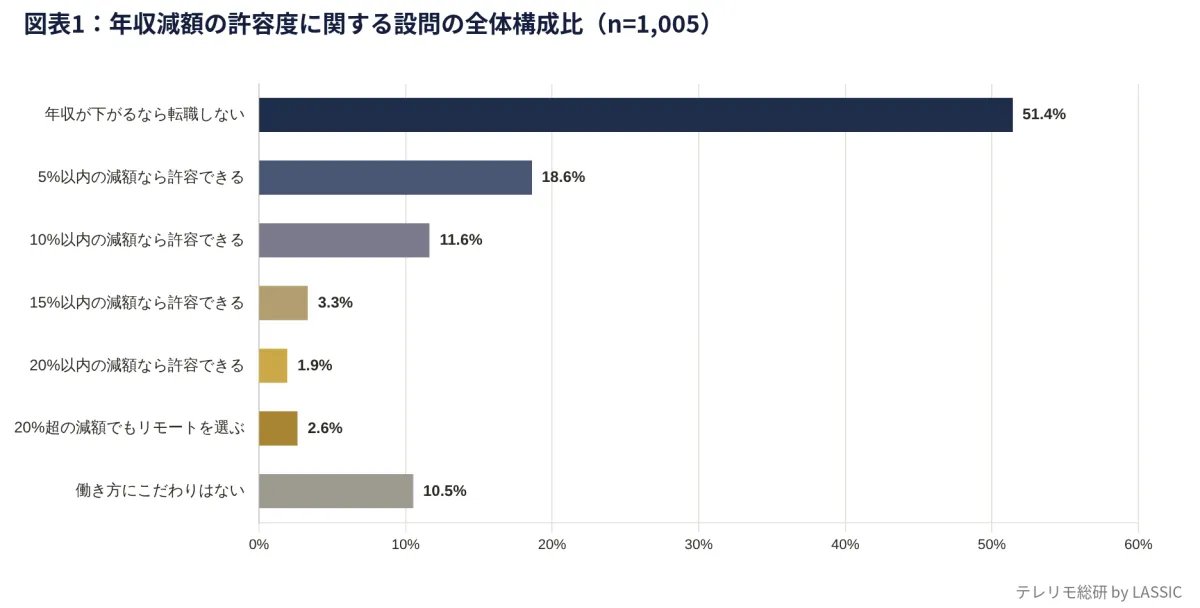
The findings revealed that a substantial portion of respondents, specifically 38%, were willing to accept some form of pay cut. Notably, 2.6% of those surveyed indicated they would even consider a reduction exceeding 20%. This suggests that some individuals would take a significant financial hit for the sake of working remotely.
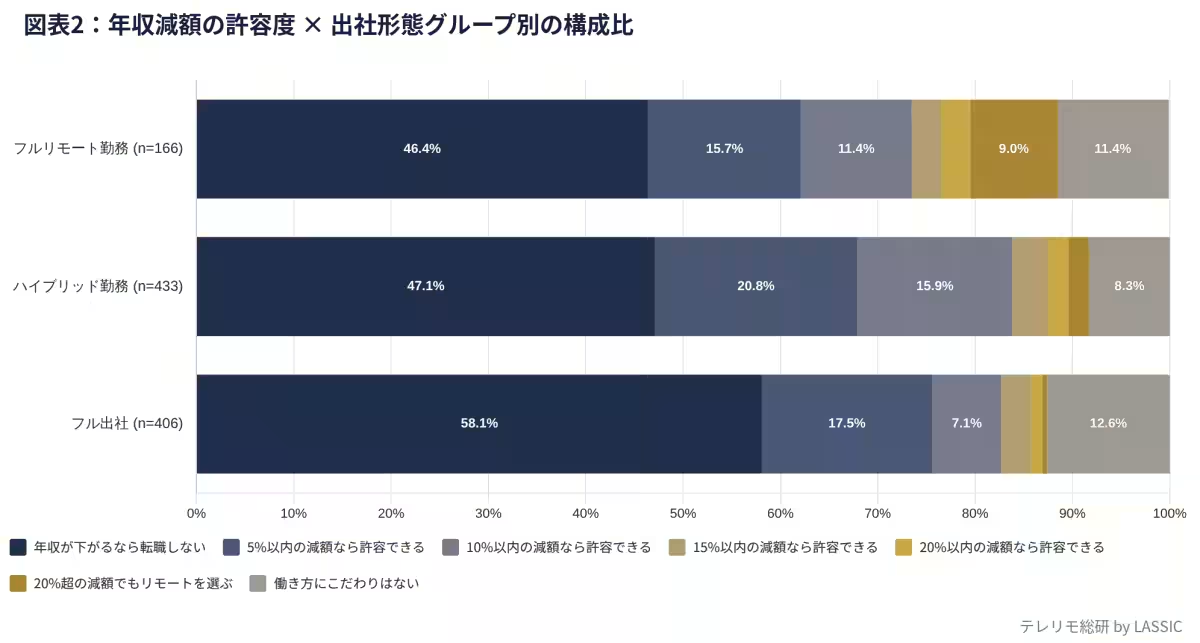
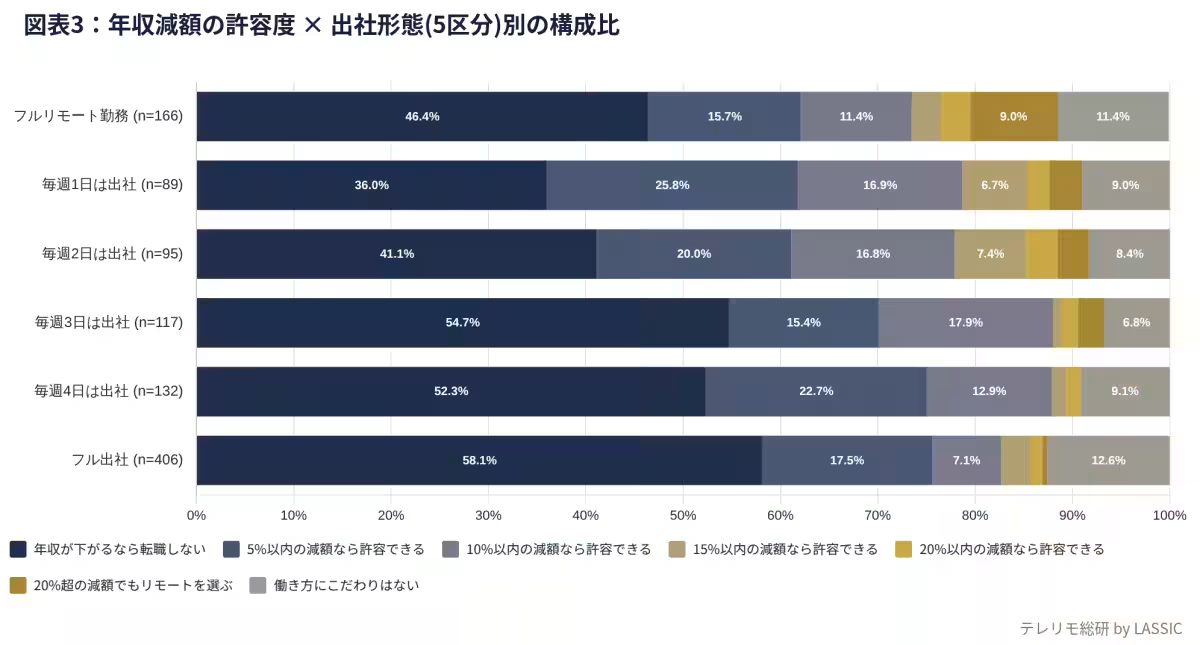
Interestingly, the survey identified stark differences in responses based on various factors, including current work status. Among those working fully remote, 9% were prepared to accept salary cuts exceeding 20%, indicating a clear preference for remote work over traditional settings. In contrast, only 0.5% of those who work entirely in an office environment shared this sentiment. This disparity underscores how previous work experiences can shape attitudes toward remote work.
Detailed Survey Breakdown
The survey presented respondents with the question, “If you could transition to a fully remote job, how much of a salary reduction would you be willing to accept?” Results showed that the largest group (51.4%) responded that they would not consider a job that offered lower pay, highlighting a common attitude toward salary expectations in job transitions.
Among those willing to accept a salary cut, the most significant portion (18.6%) indicated they could manage a reduction of 5% or less, while 11.6% said they would accept a cut of 10% or less. The willingness to sustain greater reductions seemed limited, with 1.9% okay with a decrease of 20%. However, the presence of the 2.6% who would consider more substantial cuts speaks to a strong preference for remote work.
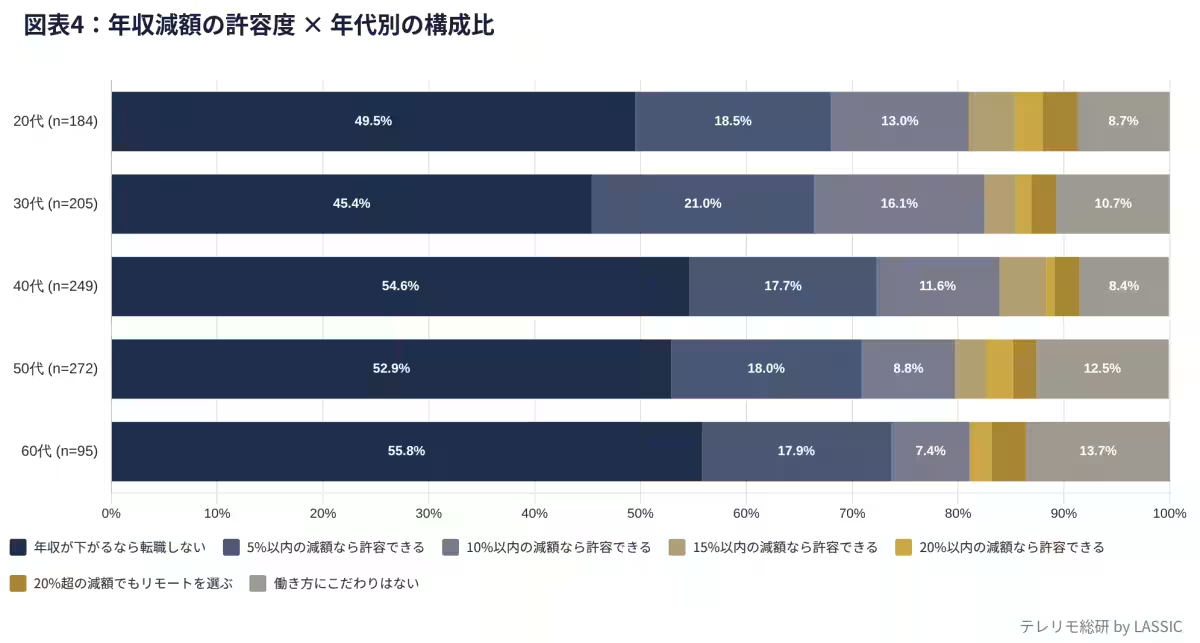
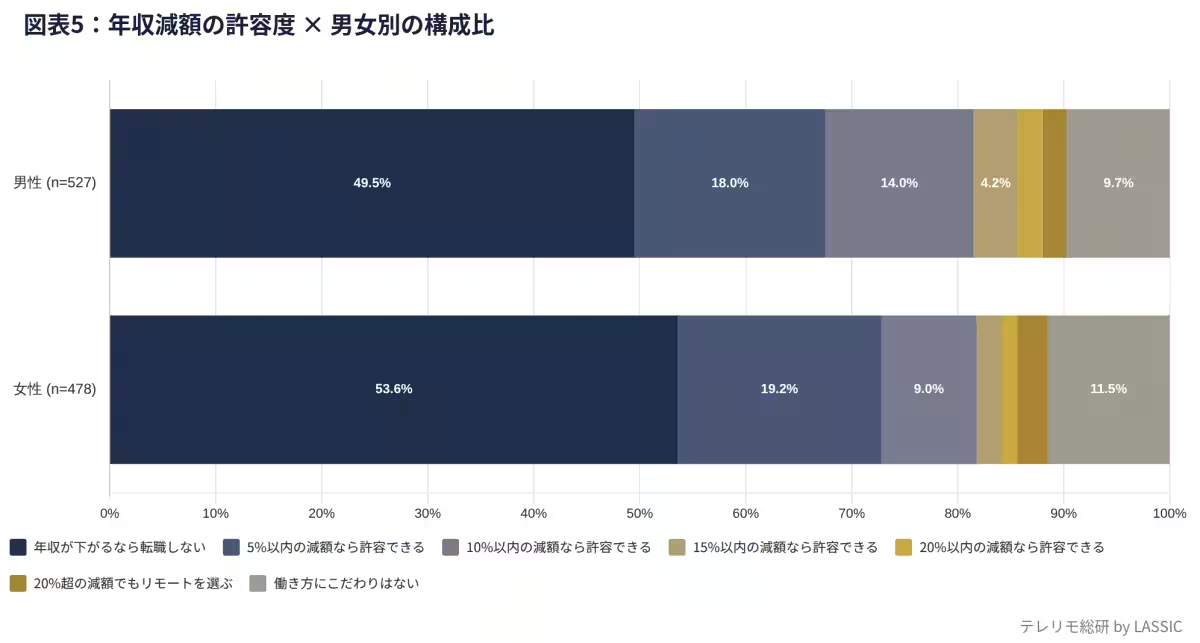
Diving deeper into the data, responses varied significantly across different work arrangements. For hybrid workers, 44.6% were open to salary reductions, a notable contrast to 29.3% of those strictly adhering to full office attendance. Furthermore, age and gender factors also played a role in shaping these preferences. For instance, nearly 43.9% of respondents in their 30s were open to salary cuts for remote work, while men were slightly more inclined (40.8%) than women (34.9%) to accept reductions in their pay for the flexibility of remote positions.
Trends Across Age and Gender
The survey results also highlighted age-related trends, with younger generations more likely to favor remote work even at the expense of their salary. The correlation was particularly strong in participants aged 30, with a 43.9% acceptance rate for salary reductions. In contrast, the willingness decreased with age, as only 30.5% of respondents in their 60s indicated openness to accepting lower pay for remote work.
In terms of gender, males were slightly more open to salary reductions than females, highlighting a nuanced difference in work-life balance priorities among diverse demographics. Male participants showed a preference (40.8%) over female participants (34.9%) when considering a lower salary for remote work opportunities.
Final Thoughts
The findings from LASSIC’s survey shed light on the evolving attitudes toward remote work and salary expectations. With nearly 38% of individuals willing to accept pay cuts for the flexibility that remote work proffers, this signals a shifting landscape in employment philosophies. The data suggests that remote work is not merely seen as a perk but is now a significant factor in employment decision-making and lifestyle choices.
As remote work continues to gain traction, employers may need to re-evaluate their compensation models and consider how they can attract talent not just through salary, but through the quality of work-life balance they offer. The acceptance of lower salaries for remote work flexibility might become a defining feature of contemporary employment in the near future.
For further insights and detailed analysis, the complete survey report by LASSIC is available for those interested in the intricate balance between salary and remote working preferences.



Topics Consumer Products & Retail)
【About Using Articles】
You can freely use the title and article content by linking to the page where the article is posted.
※ Images cannot be used.
【About Links】
Links are free to use.