



The Surprising Truth About Gut Health Foods: Are They Failing Us?
The Surprising Truth About Gut Health Foods: Are They Failing Us?
In an era where gut health is touted as the cornerstone of overall well-being, recent findings have revealed some startling statistics. According to a survey conducted by Nomura Dairy, a significant 30% of individuals engaging in gut health practices have reported experiencing digestive disturbances, raising questions about the effectiveness of many popular gut health foods. The survey was aimed at both individuals who have tried gut health foods and gastroenterology specialists, seeking to uncover the reality behind the seeming paradox of feeling unwell despite engaging in gut-promoting dietary habits.
What’s at Stake with Gut Health?
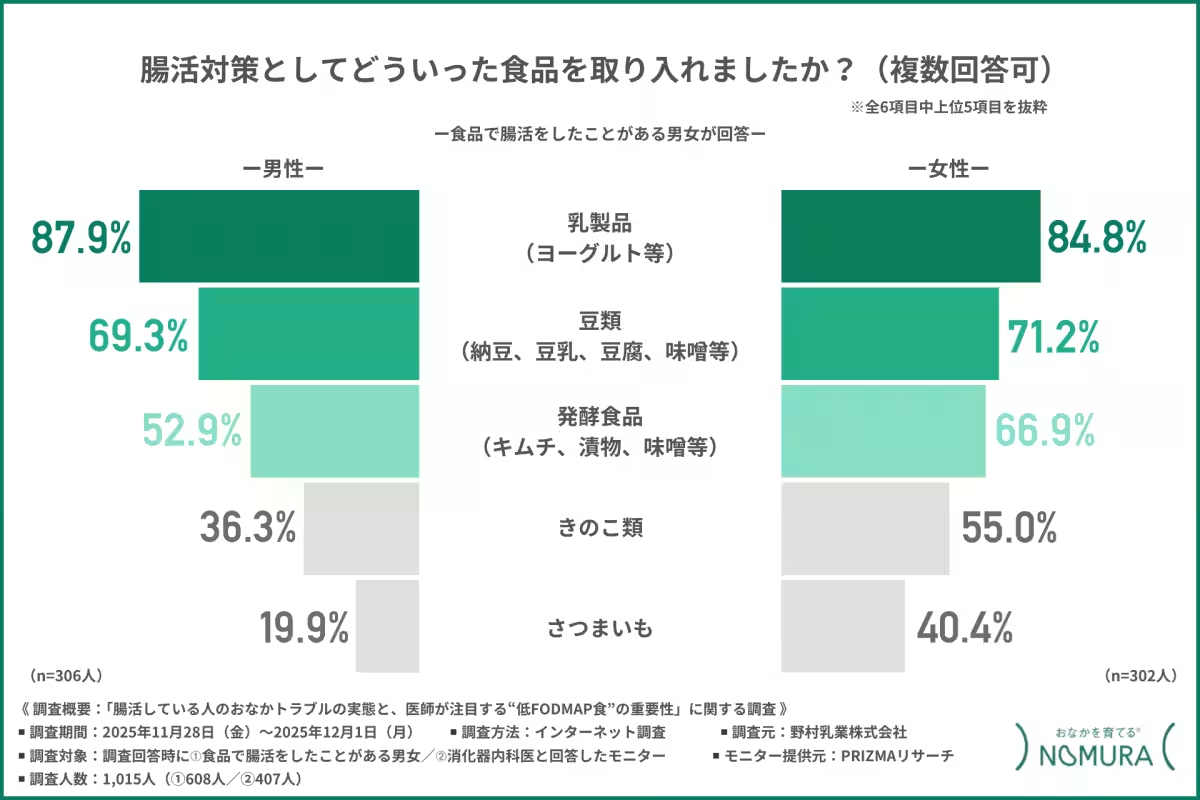
Gut health has become a buzzword in health and wellness communities, with people gravitating towards foods like yogurt, fermented products, and fiber-rich options, perceived as beneficial. However, this survey surfaces the issue that not everyone experiences the anticipated positive outcomes from these foods. Interestingly, certain ingredients recognized for their gut-friendly properties can actually lead to discomfort due to their content of FODMAPs — a group of carbohydrates that many individuals find difficult to digest. This raises the essential question: How well-versed are we in the principles of gut health?
The Hidden Costs of Following Gut Health Trends
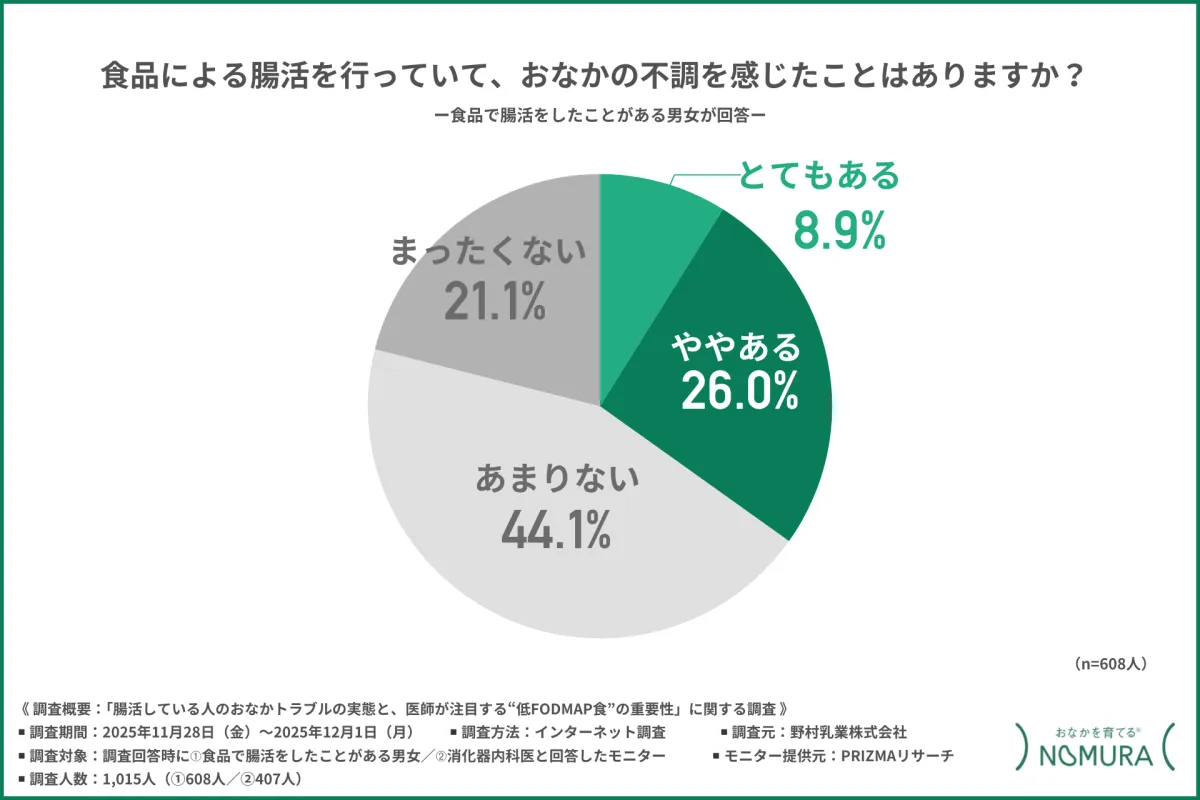
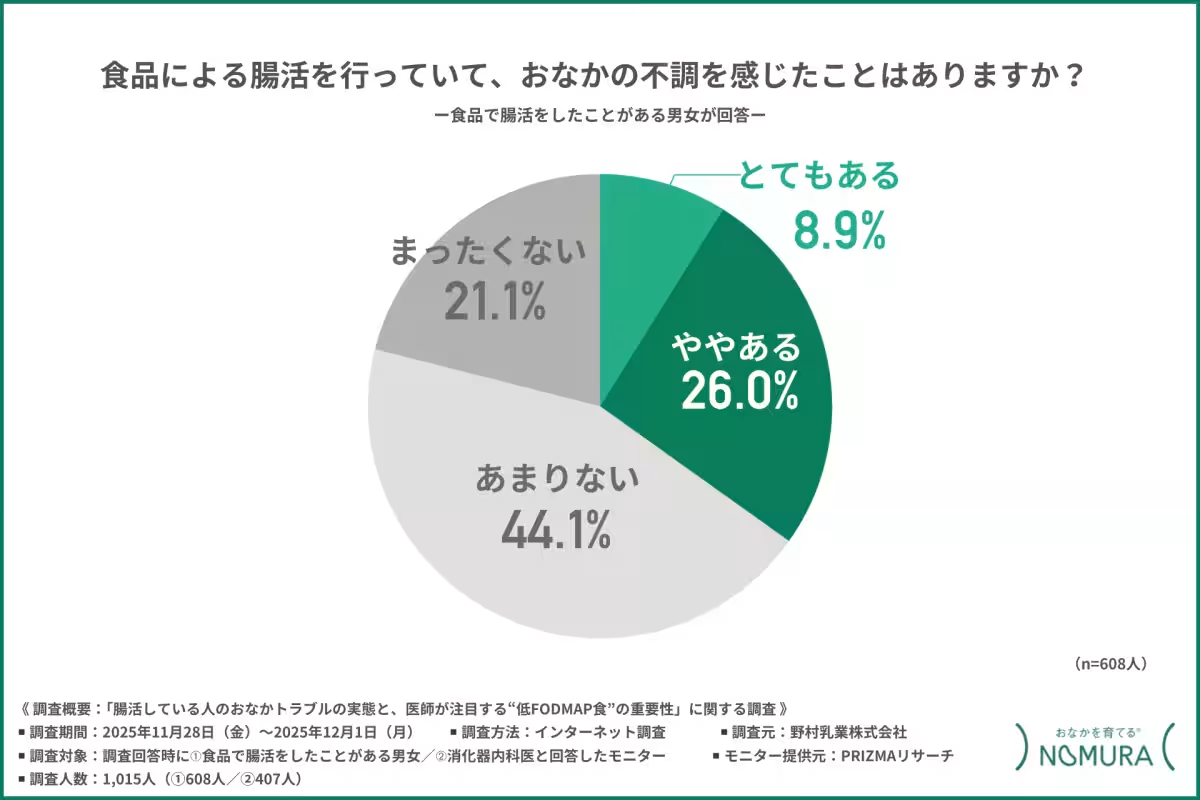
When individuals were asked whether they ever felt unwell due to gut health foods, the findings were revealing. 8.9% indicated they felt this very often, while 26% reported they sometimes felt discomfort. In contrast, 44.1% replied they rarely experienced issues, and 21.1% claimed they never did. The stark contrast indicates that while many are optimistic about gut health improvements, a considerable number are unaware that their digestive issues could stem from the very foods they're consuming in hopes of better gut health.
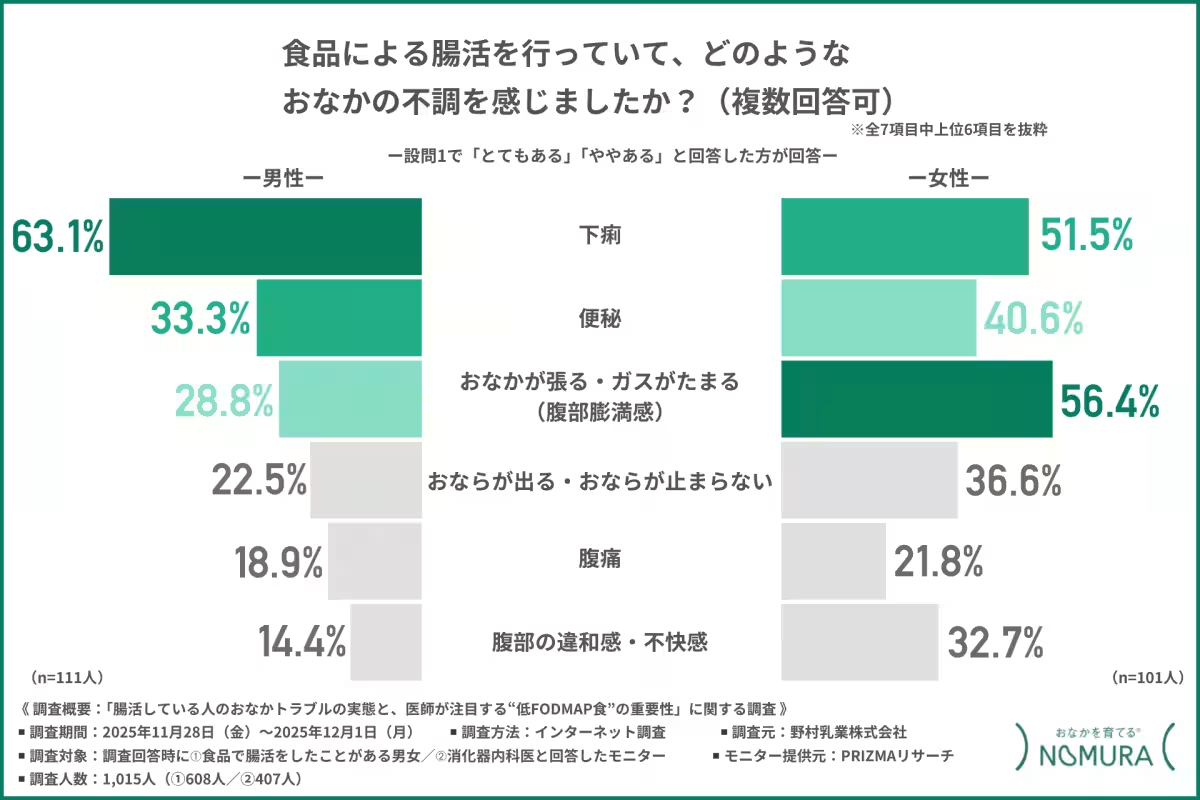
The survey also delved deeper into the types of digestive disturbances experienced. Among men, diarrhea was the most reported issue, accounting for 63.1%, followed by constipation at 33.3%, and abdominal bloating at 28.8%. Conversely, women reported bloating or gas build-up at 56.4%, diarrhea at 51.5%, and constipation at 40.6%. It seems the digestive dynamics definitely differ between genders, perhaps influenced by biological factors and lifestyle choices.
The Role of FODMAPs in Digestive Discomfort
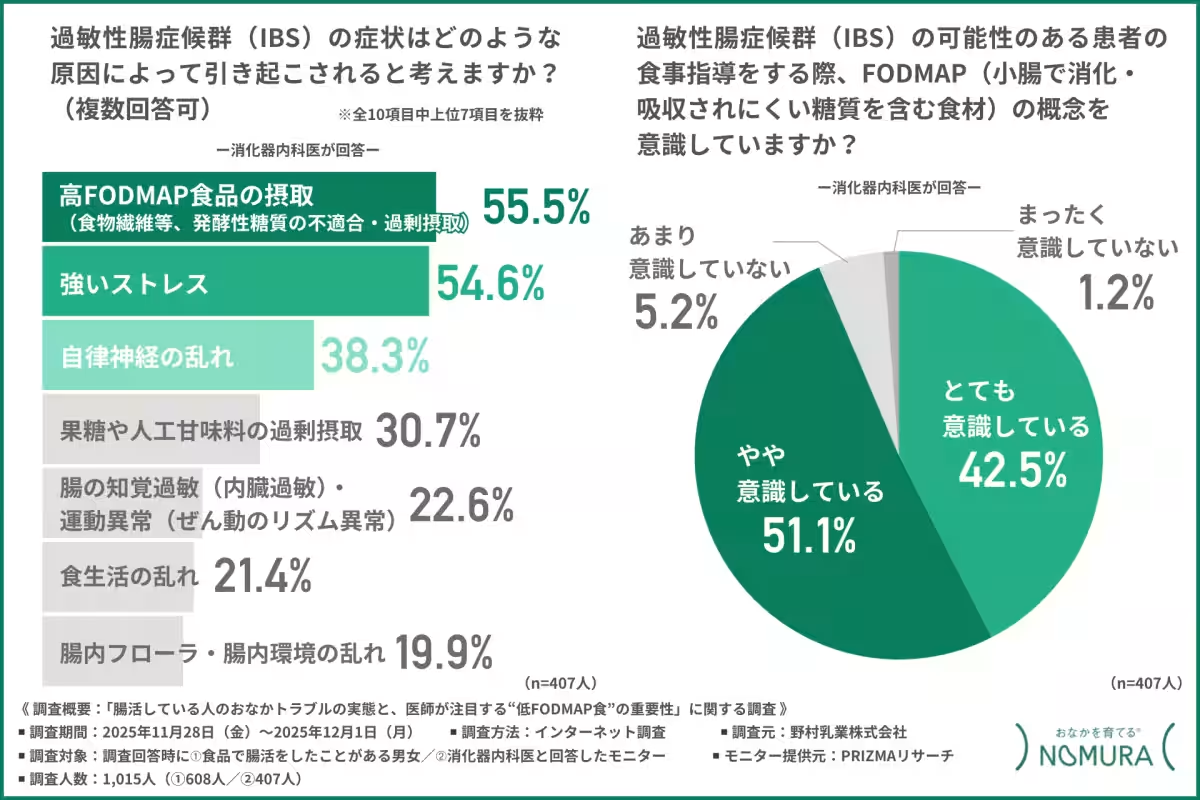
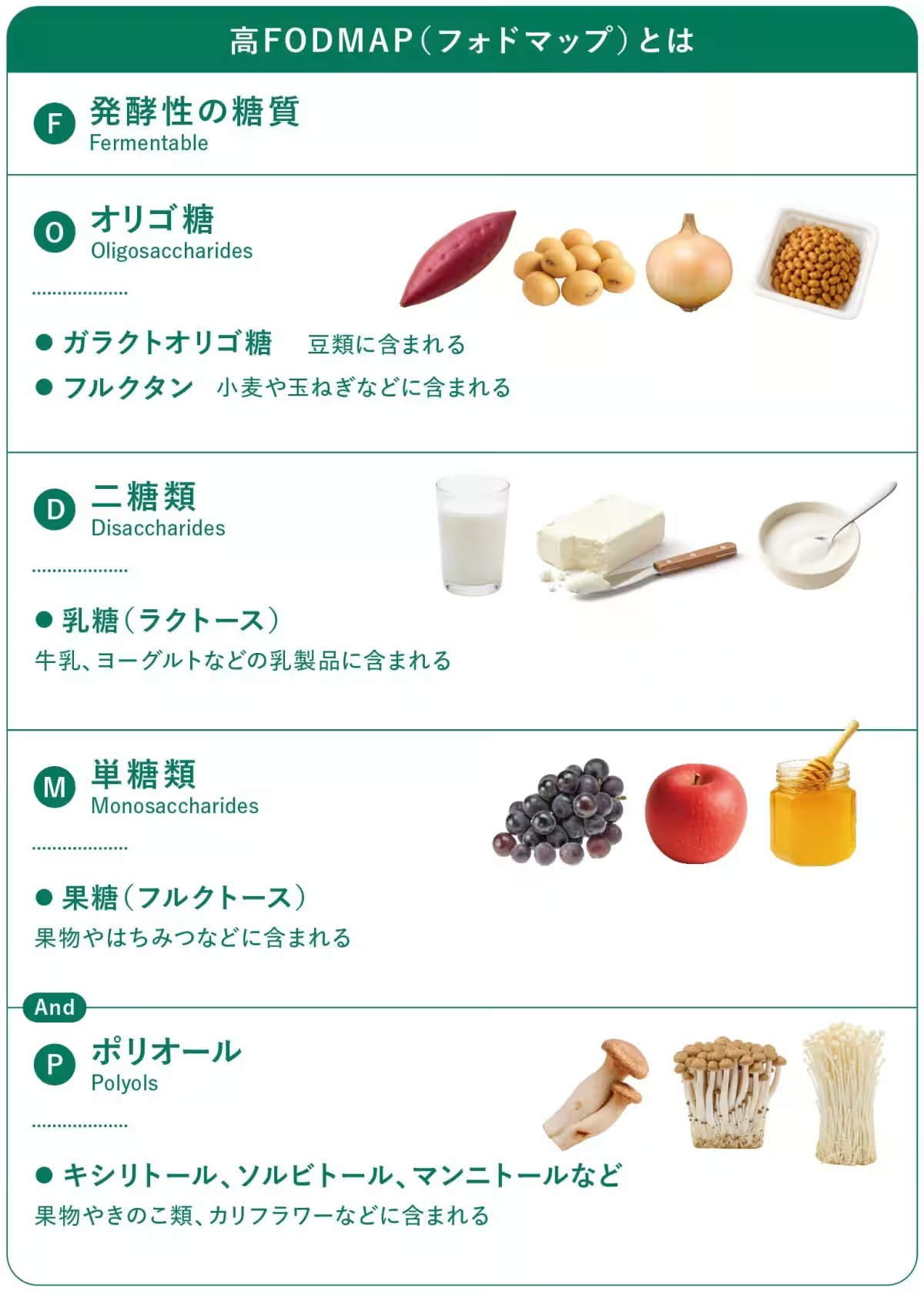
A critical factor at play here is the presence of FODMAPs in food. FODMAP stands for Fermentable Oligosaccharides, Disaccharides, Monosaccharides, and Polyols. These carbohydrates can ferment in the intestines, often leading to symptoms like bloating, gas, and even changes in bowel habits. Many doctors involved in the survey consider high FODMAP food intake a principal contributor to conditions like Irritable Bowel Syndrome (IBS). This insight highlights a significant disconnect: while gastroenterologists recognize the impact of FODMAPs, many engaging in gut health practices don't yet understand their implications.
How Do We Improve Awareness About FODMAPs?
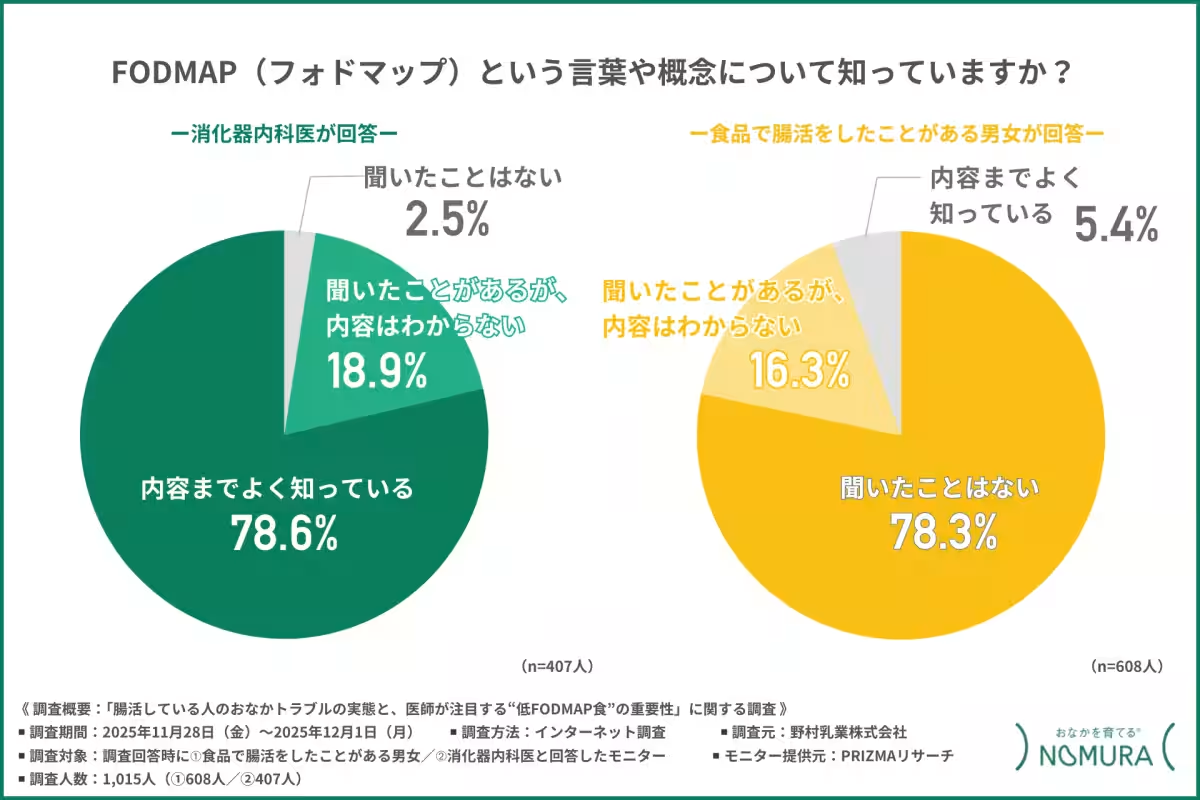
Statistically, gastroenterologists have a solid understanding of FODMAPs, with over 78% indicating they were familiar with the concept. However, the survey indicated a concerning trend among individuals practicing gut health: approximately 78.3% reported being unaware of FODMAPs. This knowledge gap could potentially lead to misguided dietary choices, which in turn exacerbate digestive issues rather than alleviate them.
The Benefits of Low-FODMAP Diet for IBS Management
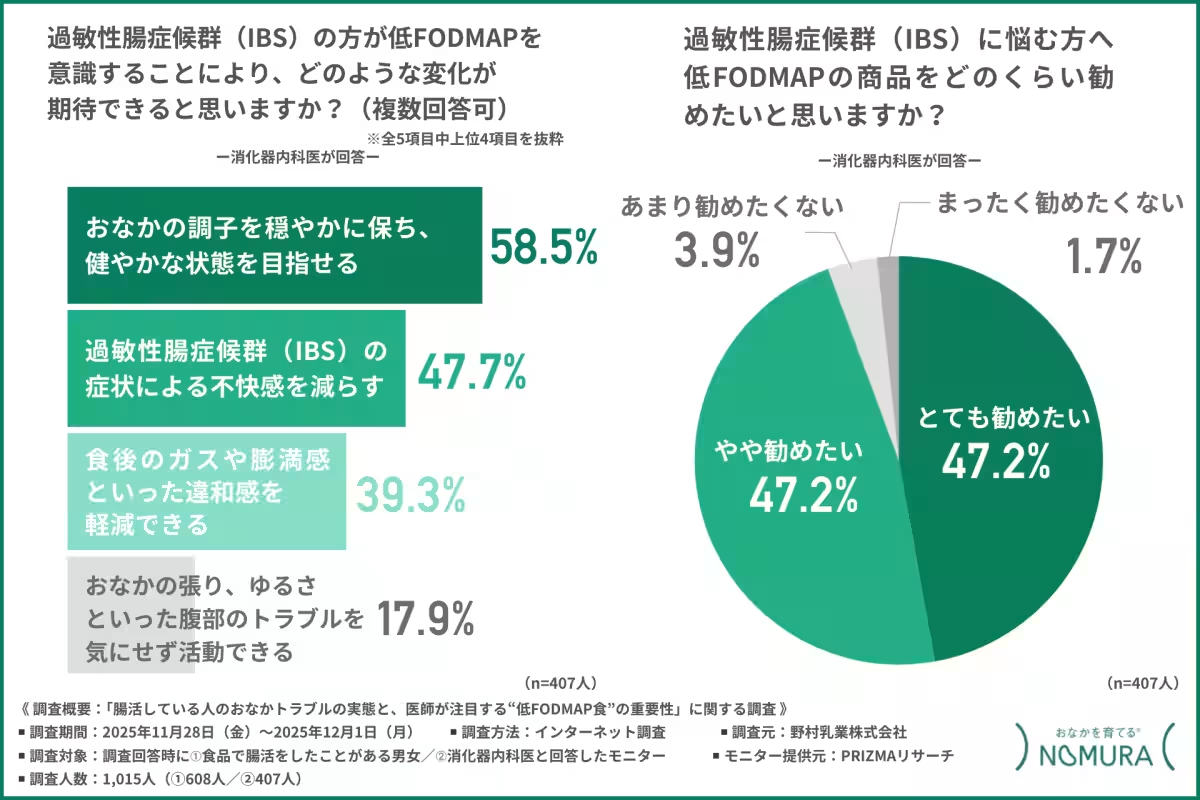
Experts stress the importance of a low-FODMAP diet, particularly for those suffering from IBS. The survey revealed that most physicians (about 93.6%) are inclined to recommend low-FODMAP products, citing their effectiveness in managing IBS symptoms. These findings suggest that increasing public knowledge about FODMAPs and their dietary implications is crucial for enhancing gut health.
A Path Forward with ‘My Flora Free’
Nomura Dairy also emphasizes the spotlight on their product, ‘My Flora Free,’ the first beverage in Japan certified FODMAP Friendly. This product offers a glimmer of hope for those managing their gut health by focusing on ingredients that are more easily digestible. With its formulation being thoughtful about specific sugars that can provoke digestive upset, ‘My Flora Free’ positions itself as a strong option for those aiming to support their digestive health effectively.
Conclusion: The Need for Knowledge in Gut Health Practices
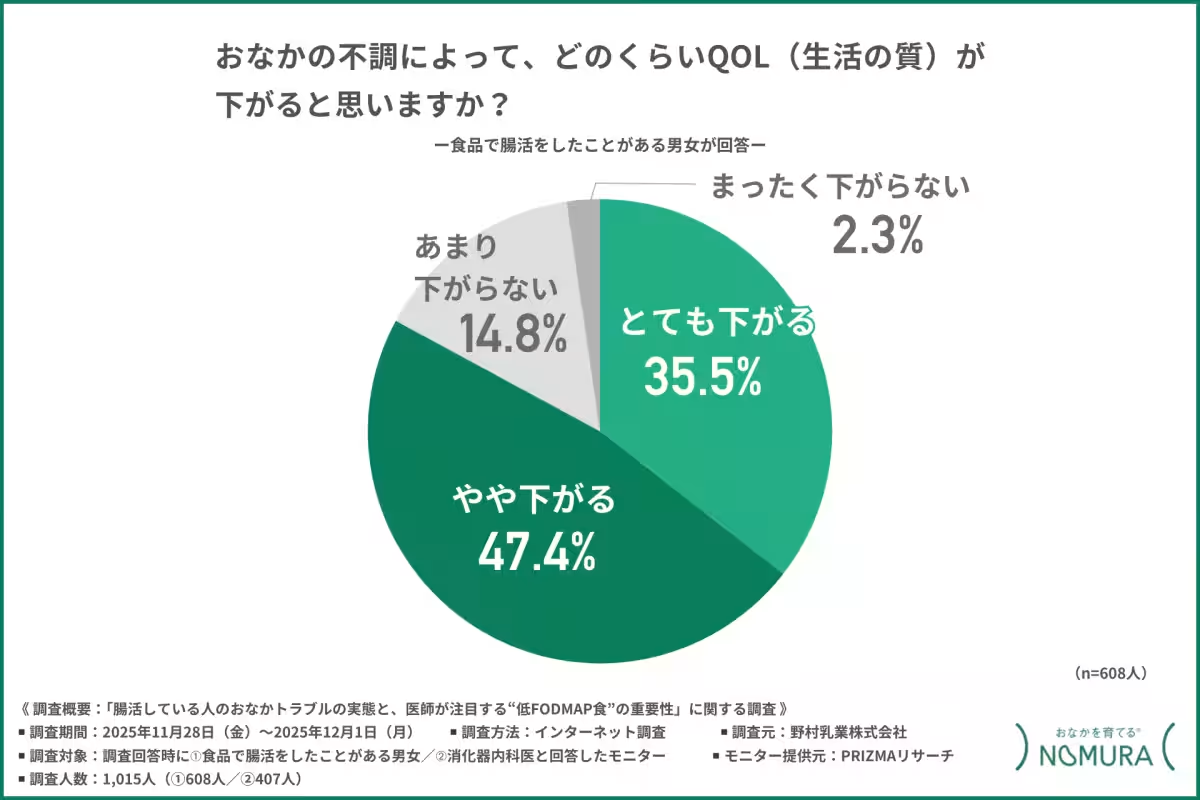
In conclusion, while many people genuinely engage in gut health practices, it's vital to recognize the need for informed decisions regarding food choices. As digestive health significantly impacts overall quality of life, gaining a comprehensive understanding of how different foods affect the gut — especially the role of FODMAPs — is essential. Learning to navigate these dietary waters not only boosts digestive comfort but serves as a motivating factor for individuals aiming to improve their overall health. As the research unfolds, the demand for low-FODMAP options will likely increase among health-conscious consumers looking for reliable solutions for a happier gut.


Topics Health)
【About Using Articles】
You can freely use the title and article content by linking to the page where the article is posted.
※ Images cannot be used.
【About Links】
Links are free to use.