



The Struggles of Balancing Work and Fertility Treatments: Insights from an International Survey
The Struggles of Balancing Work and Fertility Treatments: Insights from an International Survey
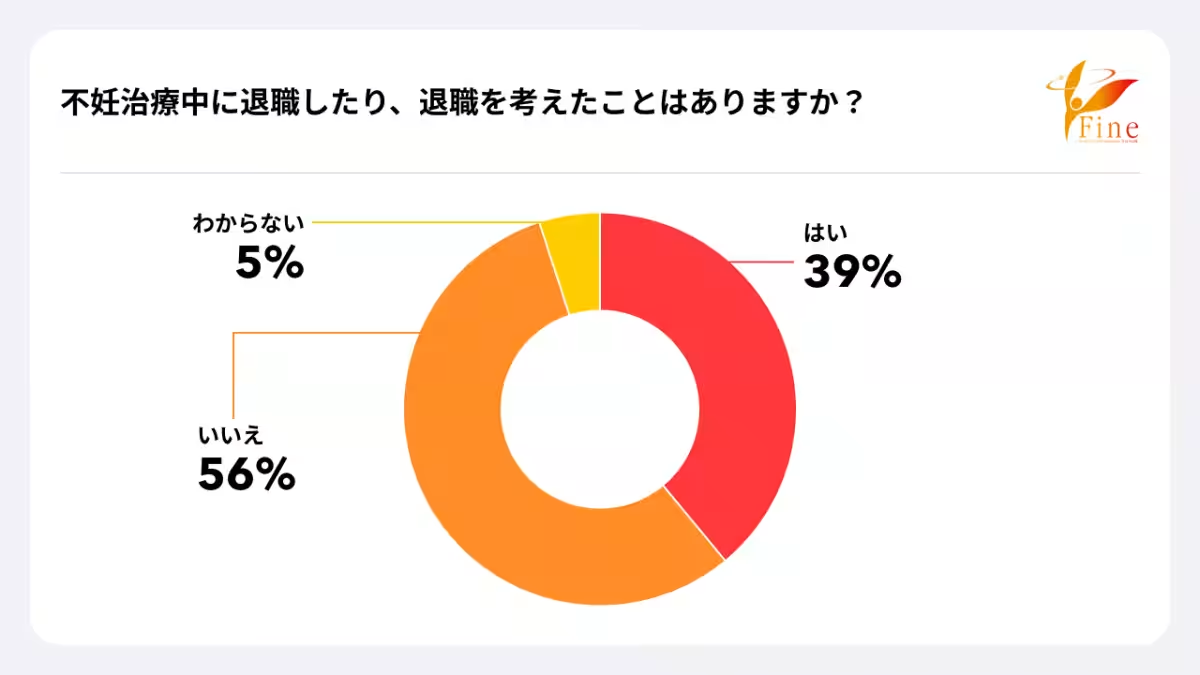
In a recent international survey, it was found that nearly 40% of individuals undergoing fertility treatments while working have considered leaving their jobs. This alarming statistic raises concerns about the support offered by corporations in Japan and other countries for employees navigating the challenges of infertility.
The survey was conducted by two non-profit organizations: Fine and Forecia, in collaboration with international fertility support groups such as Fertility Matters at Work from the UK, Collectif BAMP from France, Nasz Bocian from Poland, and Pink Elephants from Australia. The study explores the perceptions of employees undergoing fertility treatments and the response from employers regarding workplace accommodations.
Key Findings from the Survey
A significant revelation from the survey indicates that 39% of respondents have either resigned or contemplated resigning due to their challenging situation. Despite this, only 27% of employees felt that their workplace recognized infertility treatment as an important life event. On the flip side, around 75% of employers believed they acknowledged these issues at an organizational level, showcasing a stark gap between perceived support and actual recognition.
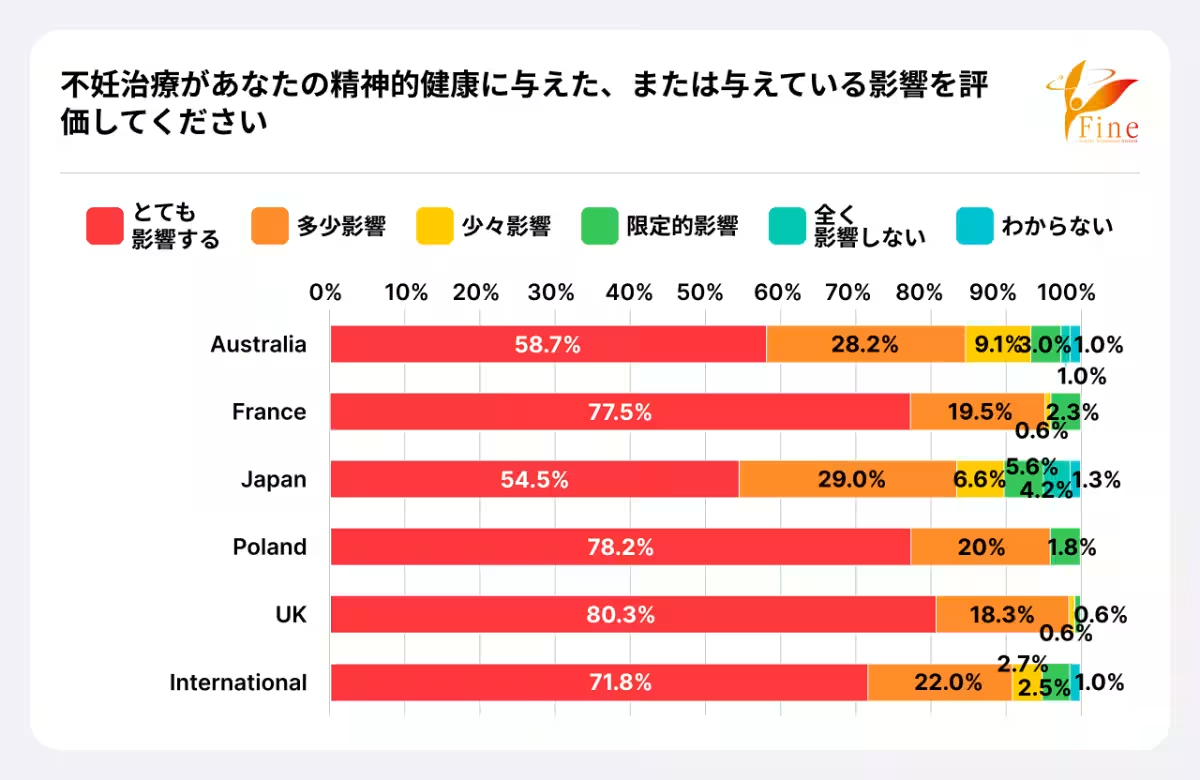
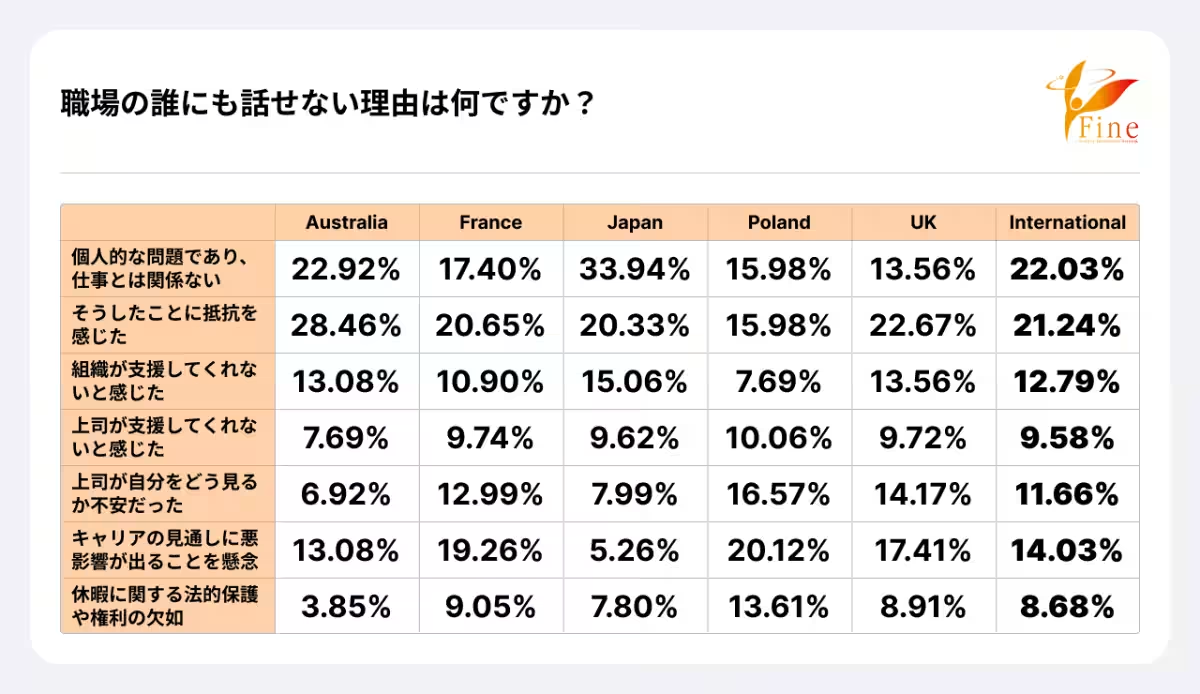
Interestingly, 84% of Japanese respondents reported that infertility treatments had impacted their mental health, but 43% chose not to disclose their treatment status to anyone at work. The predominant reasons for not sharing this personal information include feelings that it might be viewed as a private issue (33.9%), anxiety about communication (20.3%), and the belief that they could not expect support from their workplace (15.0%).
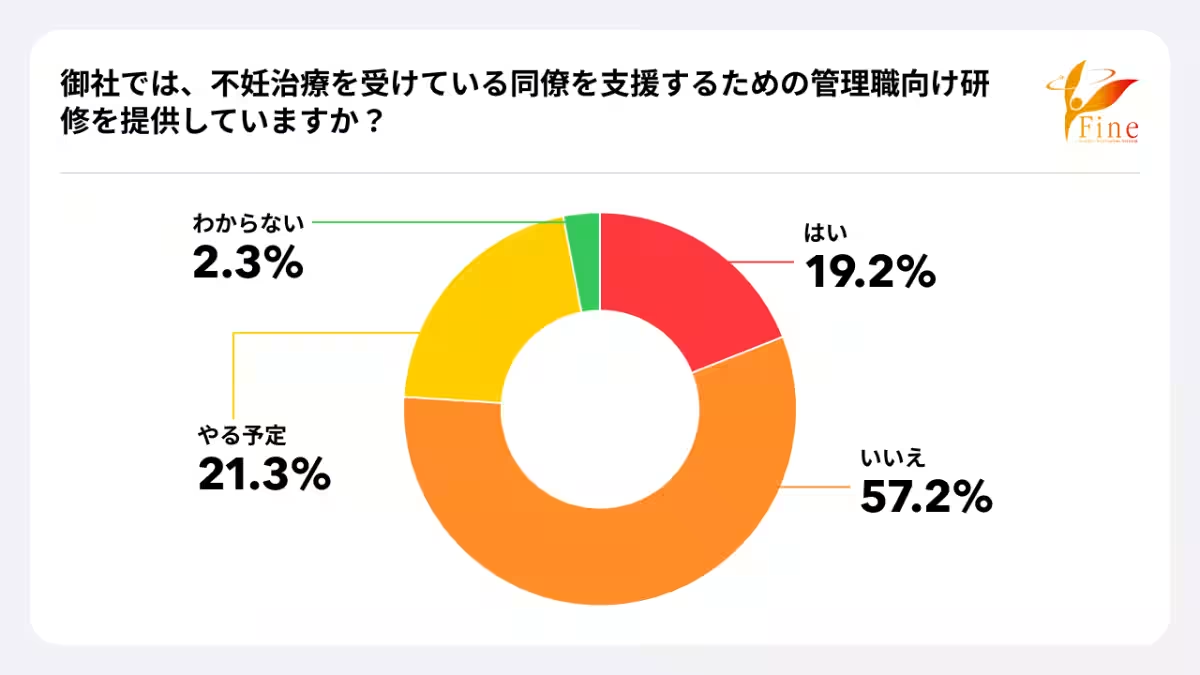
Moreover, only 19.2% of companies provided training for managers on how to support employees undergoing fertility treatments. This indicates a crucial gap in awareness and infrastructural support at the managerial level, contributing to ongoing challenges for those affected.
Cultural Barriers in Japan
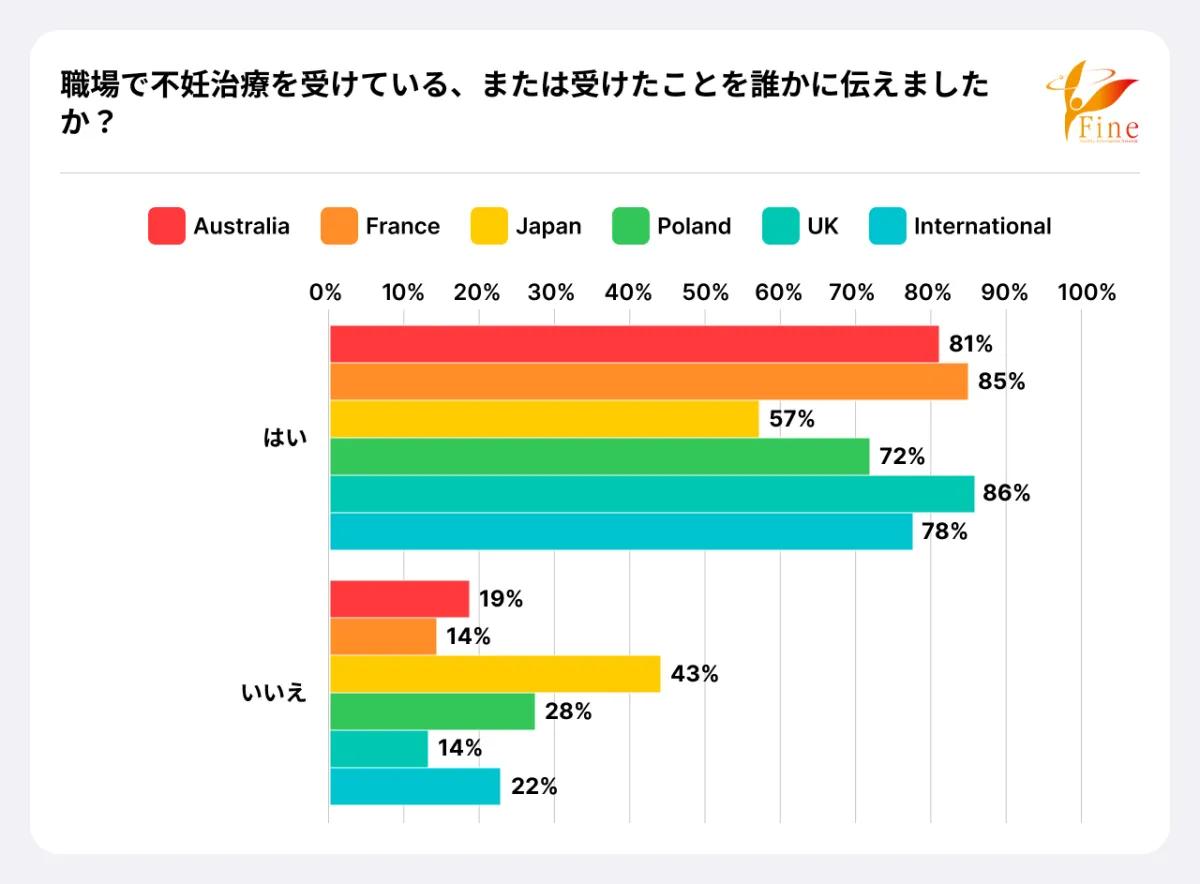
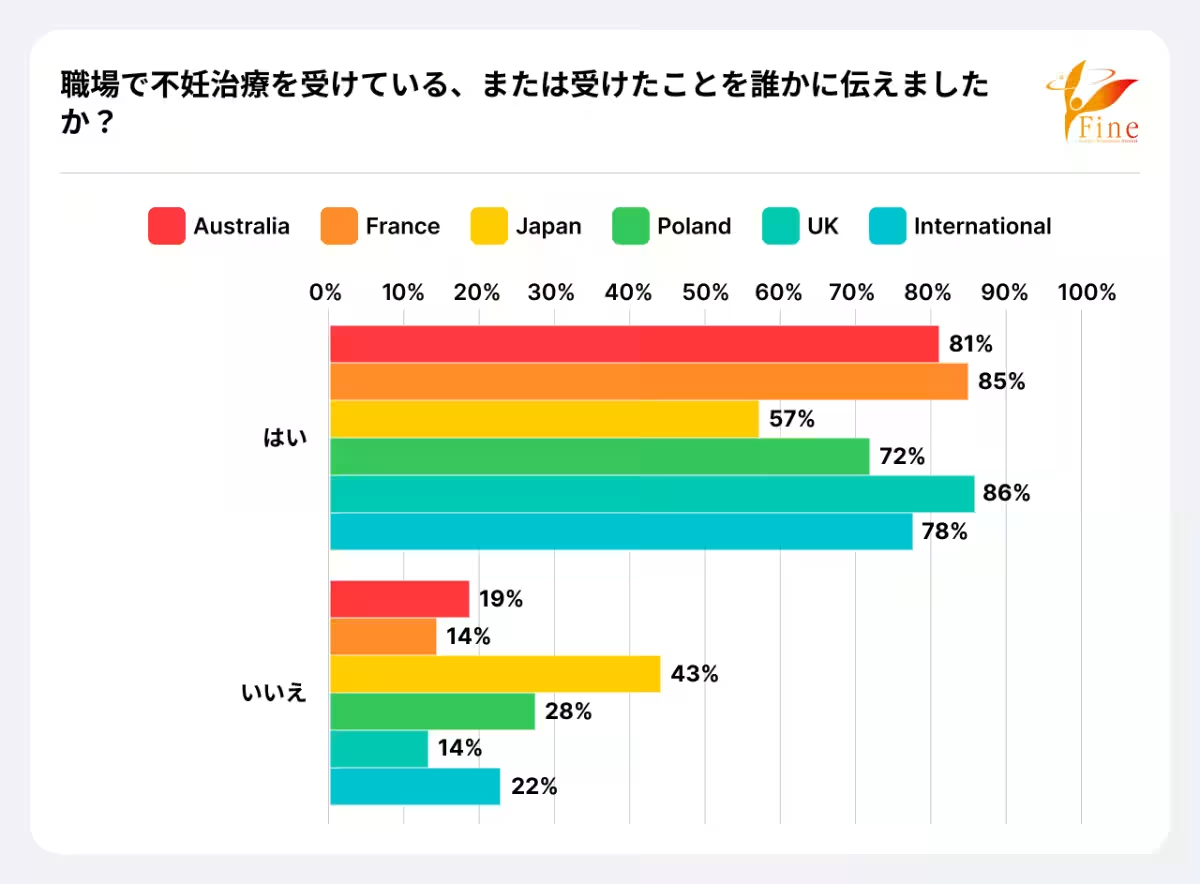
In Japan, there is a unique cultural barrier that makes it difficult for employees to disclose their fertility treatment status at work. The data shows that Japan's disclosure rate stands at a mere 57%, significantly lower than countries like the UK (86%) and France (85%). This low rate reflects a broader issue where personal matters are often considered unsuitable for workplace discussion. It implies that individuals might miss out on available support, preventing them from receiving the help they need during such a challenging time.
Supporting Employees: A Call to Action
The findings emphasize the necessity for companies to transition from viewing infertility as a personal problem to recognizing it as a significant life event that warrants attention and support. Organizations are encouraged to promote understanding among all employees, including managers, and foster a workplace environment where individuals feel safe to discuss their situations without fear of negative consequences.
To improve retention and engagement, it is vital for organizations to implement better training and resources that acknowledge the challenges faced by employees undergoing fertility treatments. Doing so not only supports individual employee needs but also addresses broader corporate challenges like employee retention and engagement.
As we move forward, organizations must engage in continual learning about effective policies that support employees undergoing fertility treatments. By leveraging data from international findings, Japanese companies can refine their approaches and create a more supportive atmosphere for workers facing fertility issues.
In conclusion, the survey indicates an urgent need for both cultural change and structural reform in the workplace regarding how fertility treatments are perceived and managed. It serves as a reminder of the importance of open dialogue and support systems within corporate settings, ultimately benefiting both employees and employers.
Acknowledgment
This survey is a collaborative effort to bring attention to the often-overlooked intersection of infertility treatment and work life. By sharing insights and recommendations, we hope to encourage meaningful conversations and actions within organizations across the globe.
Topics People & Culture)






【About Using Articles】
You can freely use the title and article content by linking to the page where the article is posted.
※ Images cannot be used.
【About Links】
Links are free to use.