




The Challenge of Staying Active: Insights from Loyalty Marketing's Research on Physical Activity
Understanding the Reality of Physical Activity
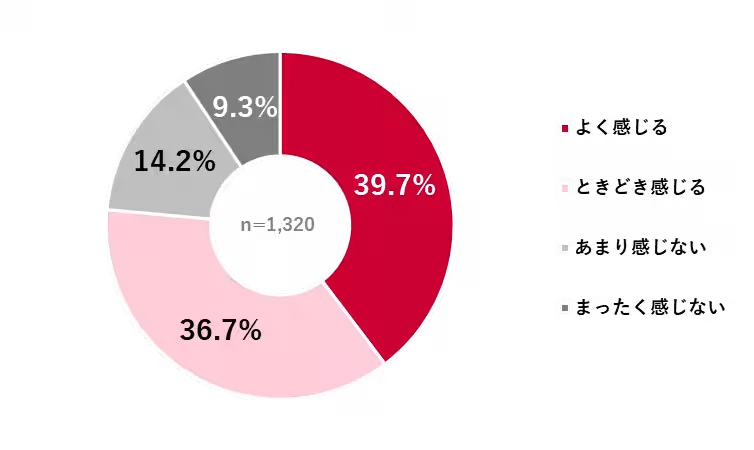
Recent research conducted by Loyalty Marketing, known for the Ponta rewards service, surveyed individuals aged 15 to 79 regarding their exercise habits. The findings shed light on a pervasive issue: approximately 80% of respondents acknowledge that they experience a lack of physical activity. This article explores the results of the survey, delving into the barriers to exercise and the motivations behind starting physical activity.
Survey Insights
The survey, conducted from September 8 to September 12, 2025, revealed several key trends:
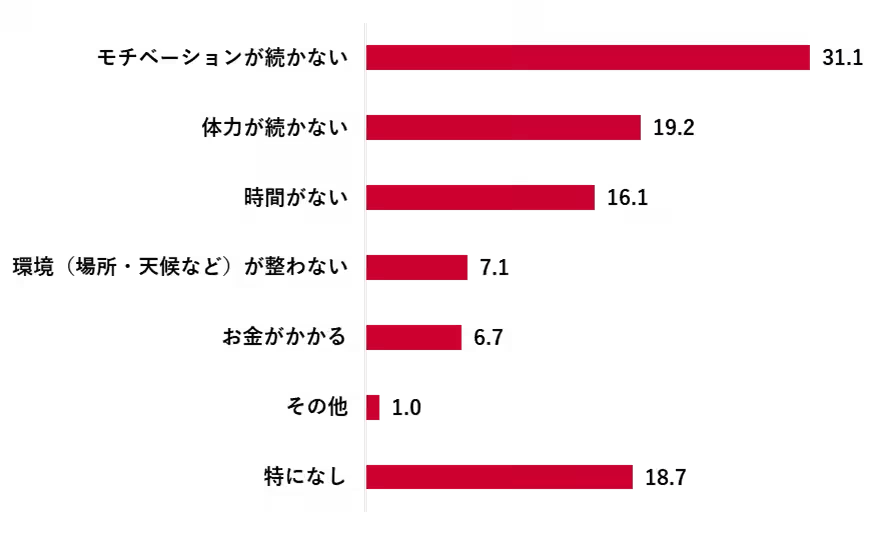
1. Motivation is Key: When asked about their feelings towards physical activity, 39.7% of respondents said they often feel inactive, while 36.7% said they occasionally feel this way. The primary barrier to consistent exercise was identified as a lack of motivation, with 31.1% of participants agreeing. Moreover, other reasons included physical stamina (19.2%) and time constraints (16.1%).
In terms of support for maintaining an exercise routine, respondents expressed a desire for easily accessible facilities (37.2%) and companionship during workouts (23.7%).
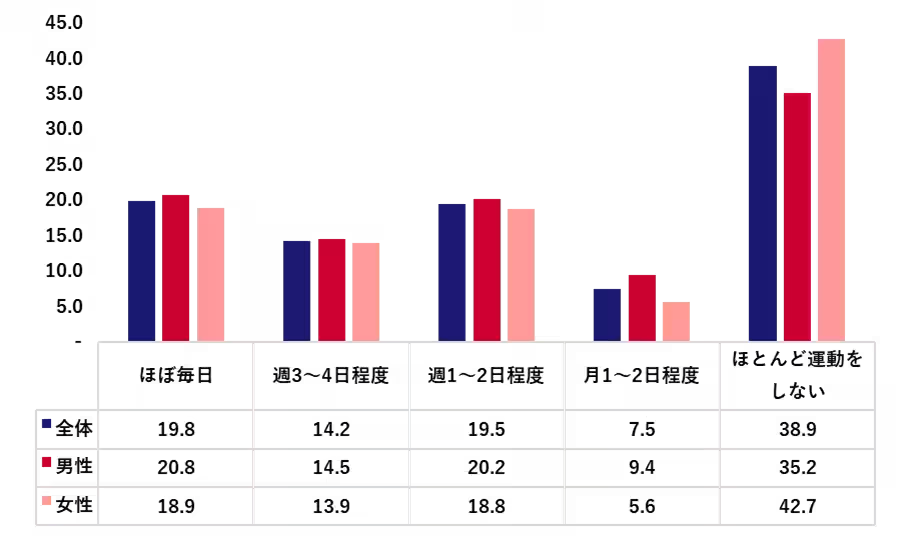
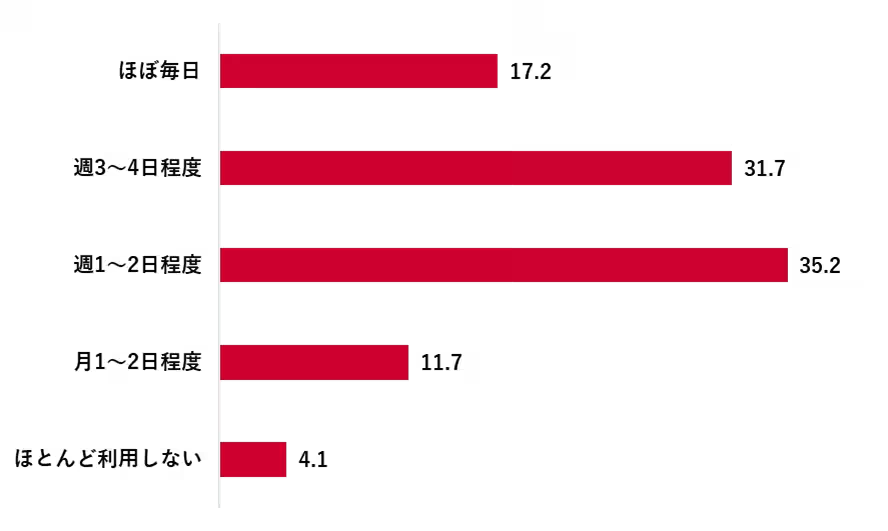
2. Exercise Frequency: Close to 40% of respondents stated they engage in little to no regular exercise. However, among those who do partake in physical activities, over half reported exercising habitually at least once a week. Notably, men were found to have a tendency to integrate exercise into their routines more than women, indicating a significant gender gap in physical activity habits.
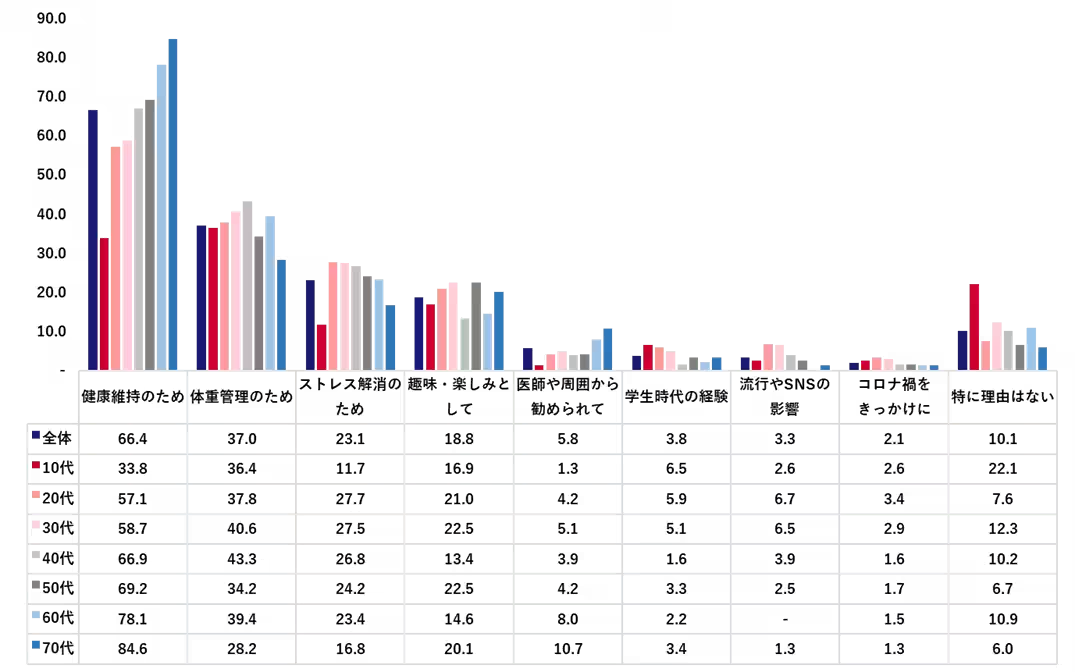
3. Health as a Motivation: The main reason people cited for starting to exercise was the desire to maintain their health, with this motivation dominating across age groups—84.6% of individuals in their 70s listed health maintenance as their primary motivation. This contrasts with younger age groups, where managing weight was more prevalent.
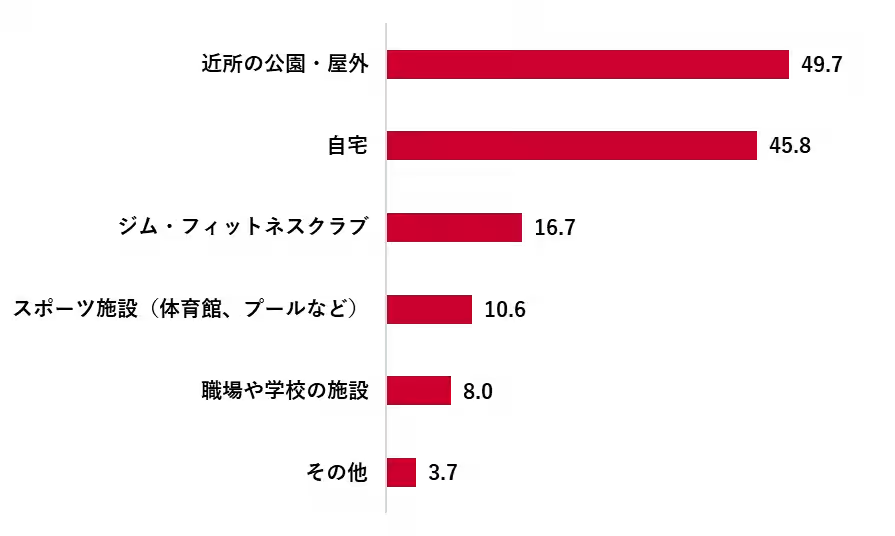
4. Exercise Locations: The most common places for exercising were local parks and outdoor settings (49.7%) and home (45.8%). While the use of gyms and fitness clubs remains popular, with 16.7% of respondents utilizing these facilities, frequency of visits varied widely, indicating diverse exercise environments.
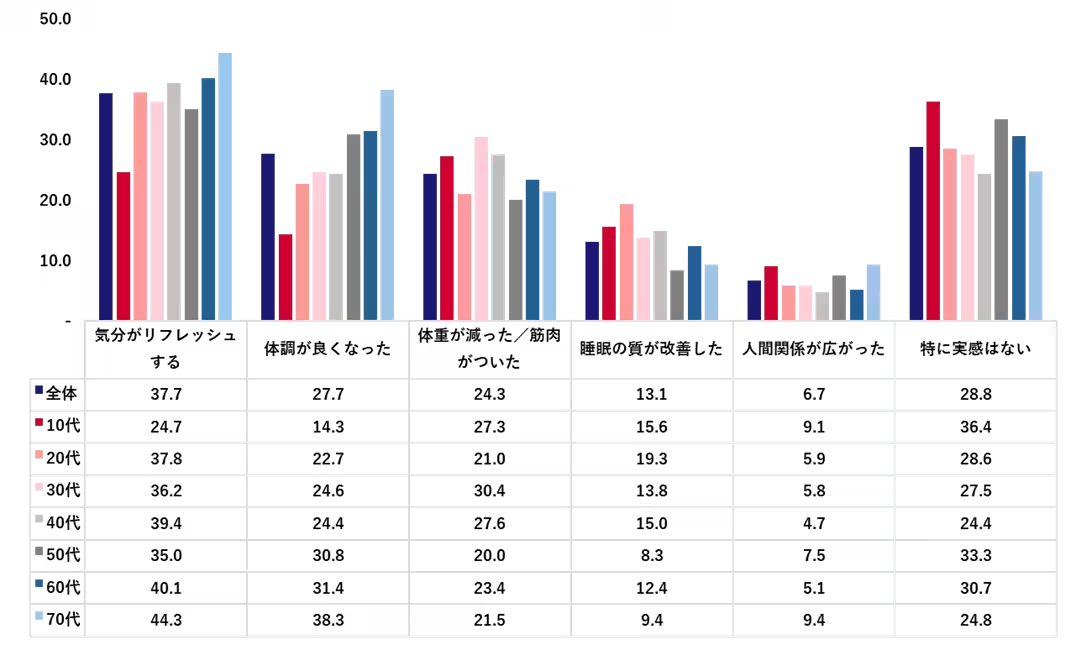
5. Benefits of Exercise: Participants reported various benefits from exercising, with the most common being improved mood (37.7%). Notably, the older demographic stepped up to recognize improvements in their health, with nearly 40% of those aged 70 and above feeling they had benefited significantly from their physical activities.
Conclusion and Recommendations
As the data illustrates, while many individuals are aware of their inactivity, motivation remains a crucial factor in overcoming barriers to regular exercise. To foster a more active lifestyle, it's vital to provide accessible exercise options and encourage social supports. As more people recognize the mental and physical benefits of physical activity, initiatives that prioritize these aspects may cultivate a healthier society.
For more information on this research, please refer to the official reports provided by Loyalty Marketing's Ponta Research. Links to the detailed report and additional resources are available at their official website.
This analysis highlights the need for sustained efforts to engage individuals in physical activity, addressing their concerns, and creating supportive environments for exercise to thrive.


Topics Health)
【About Using Articles】
You can freely use the title and article content by linking to the page where the article is posted.
※ Images cannot be used.
【About Links】
Links are free to use.