



Factory Heat Stress Mitigation Efforts: A Comprehensive Survey Analysis of Management Insights
Comprehensive Analysis of Factory Heat Stress Mitigation
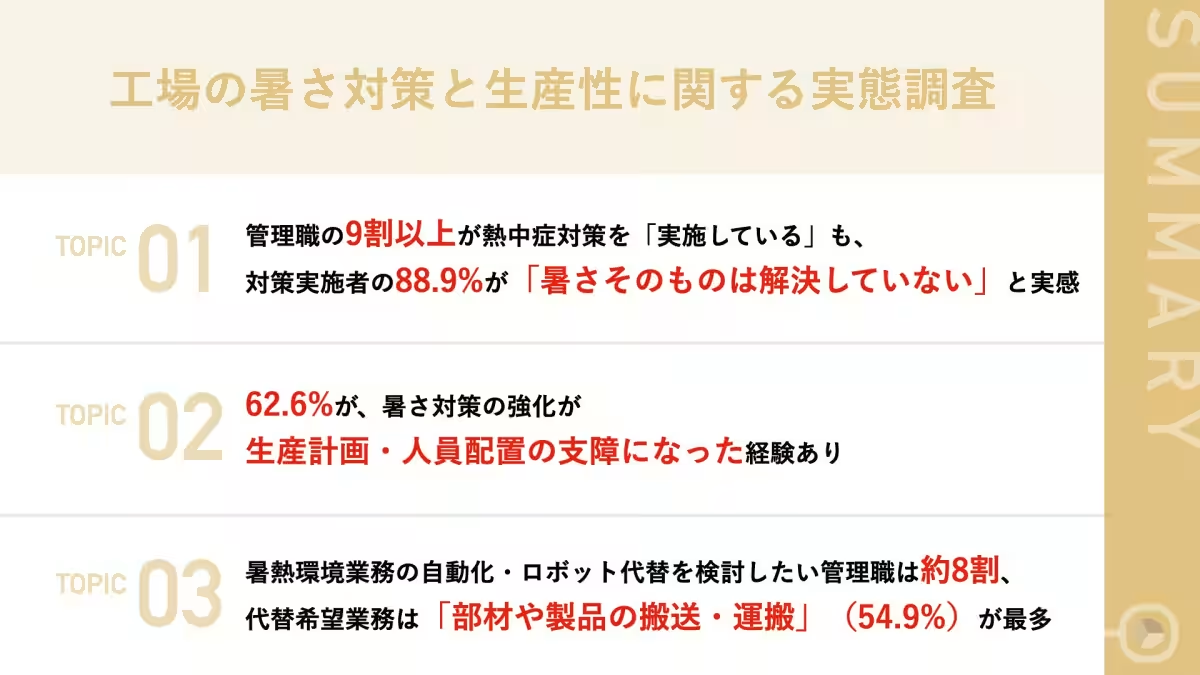
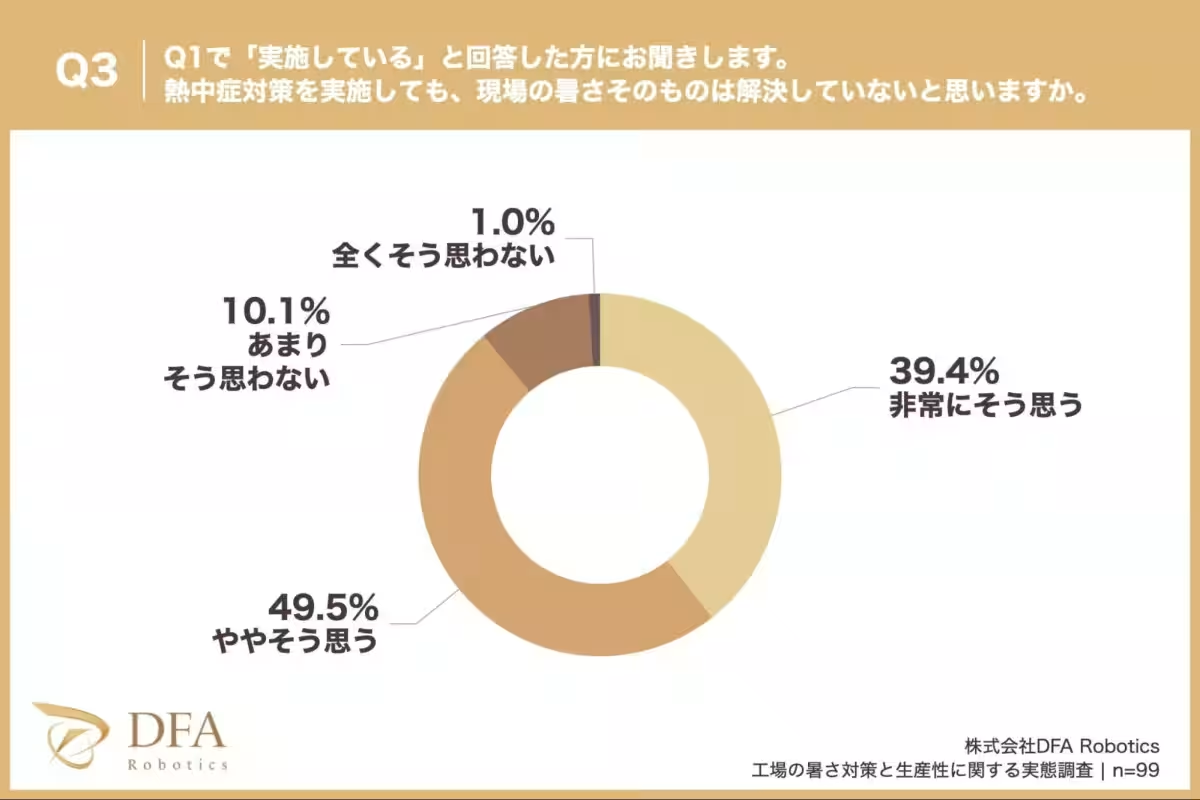
DFA Robotics recently conducted a detailed survey among over 100 factory managers involved in production and operations to unveil the realities surrounding heat stress in manufacturing environments. The findings underscore a concerning trend: while over 90% of management indicates that heat-stroke prevention measures are being implemented, a staggering 88.9% express that these efforts do not effectively resolve the underlying heat issues.
Key Findings from the Survey
Heat Stress Countermeasure Implementation
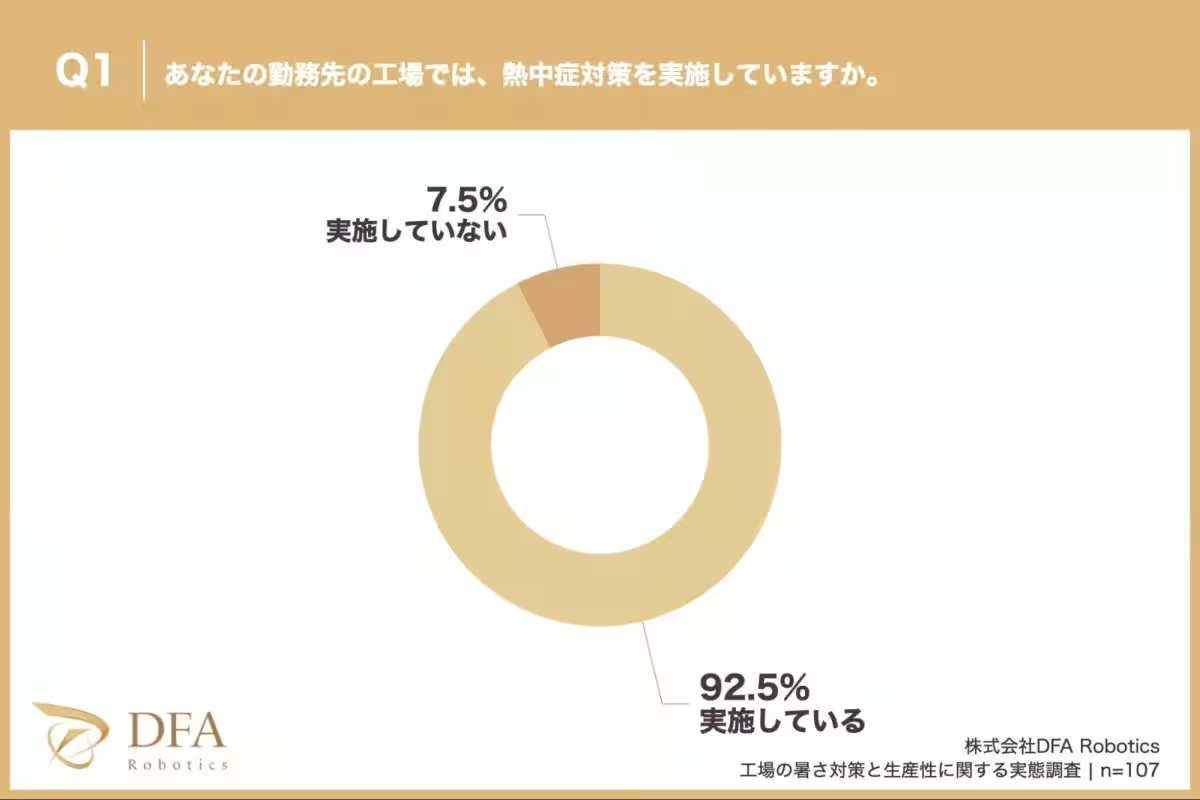
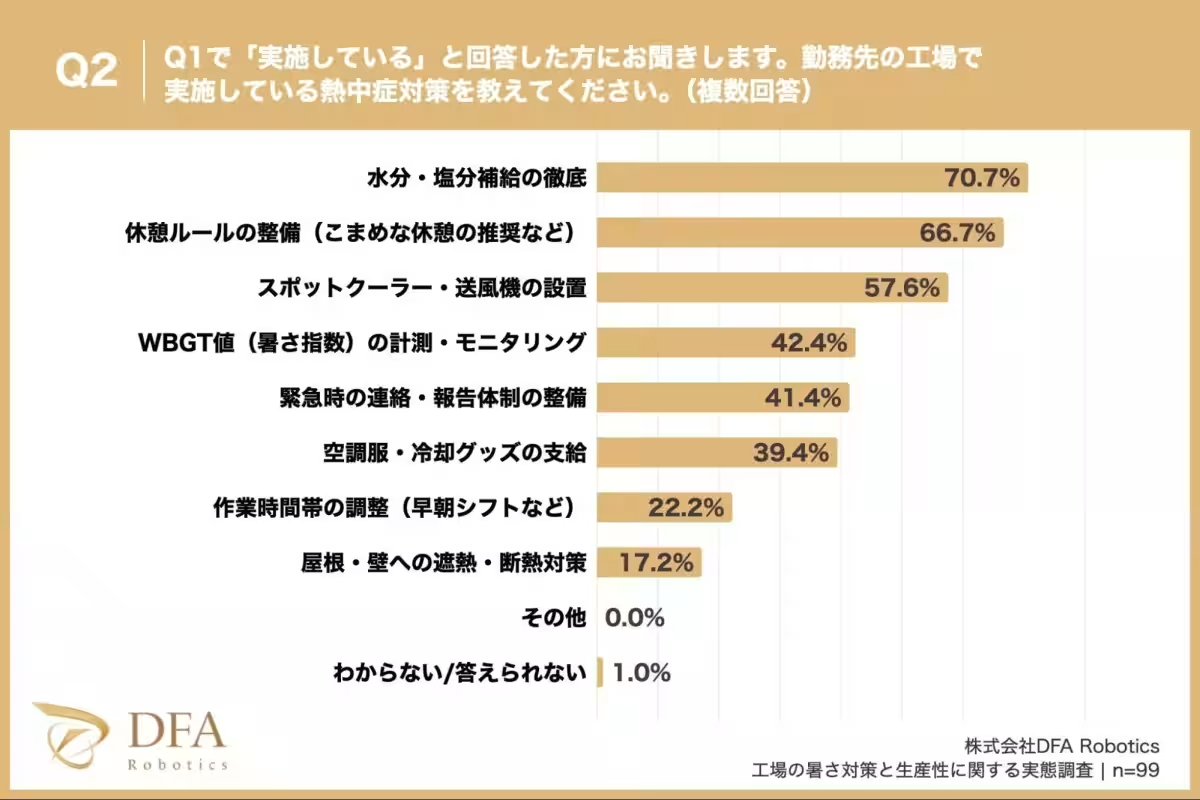
The survey revealed that an impressive 92.5% of respondents have adopted heat stress prevention strategies, including essential practices such as:
- - Hydration and electrolyte replenishment (70.7%)
- - Structured break schedules (66.7%)
- - Installation of cooling systems like spot coolers and fans (57.6%)
This data illustrates a strong commitment among managers to foster a safer working environment through established hydration protocols and rest policies. However, the feedback suggests that tangible improvements in working conditions remain elusive.
Perceived Ineffectiveness of Measures
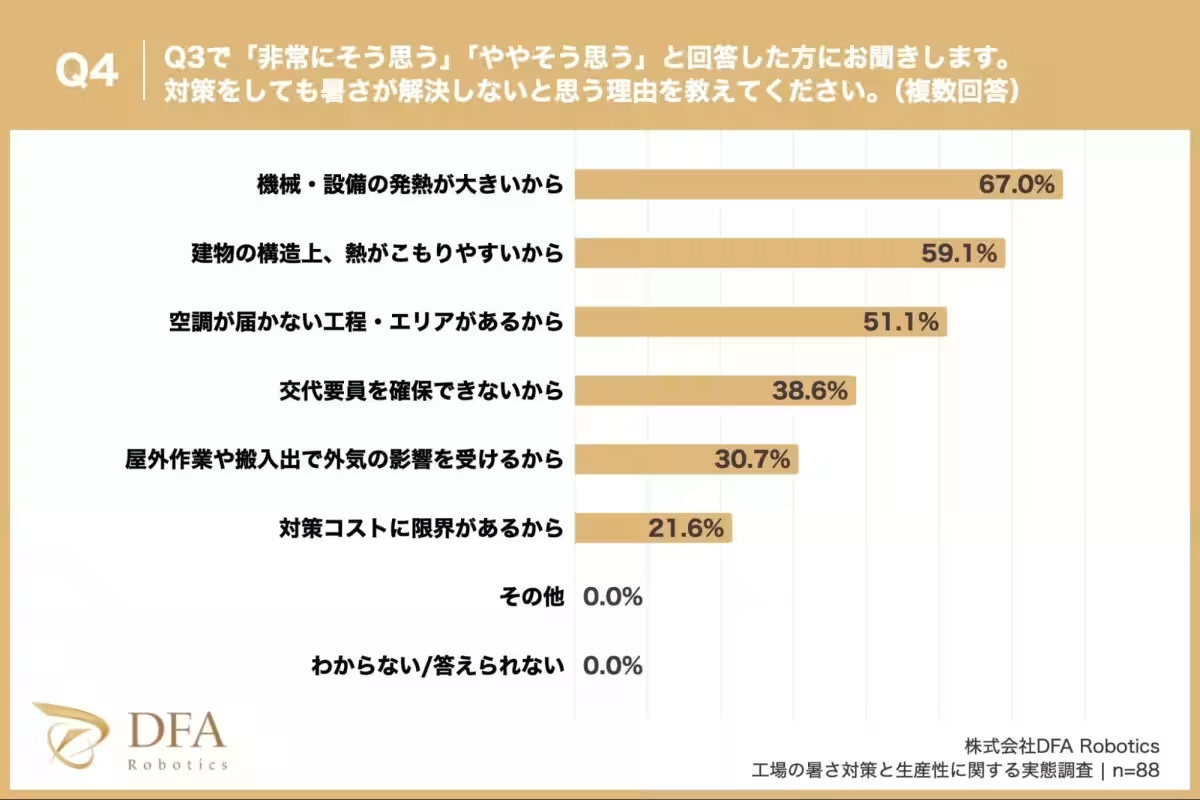
The overwhelming sentiment among management is that, despite implementing preventive measures, the heat itself persists. About 88.9% of respondents affirmed this notion. When asked for reasons, the top responses included:
- - Excessive heat from machinery and equipment (67.0%)
- - Building structural issues leading to heat accumulation (59.1%)
- - Inefficiencies in climate control affecting certain areas of the facility (51.1%)
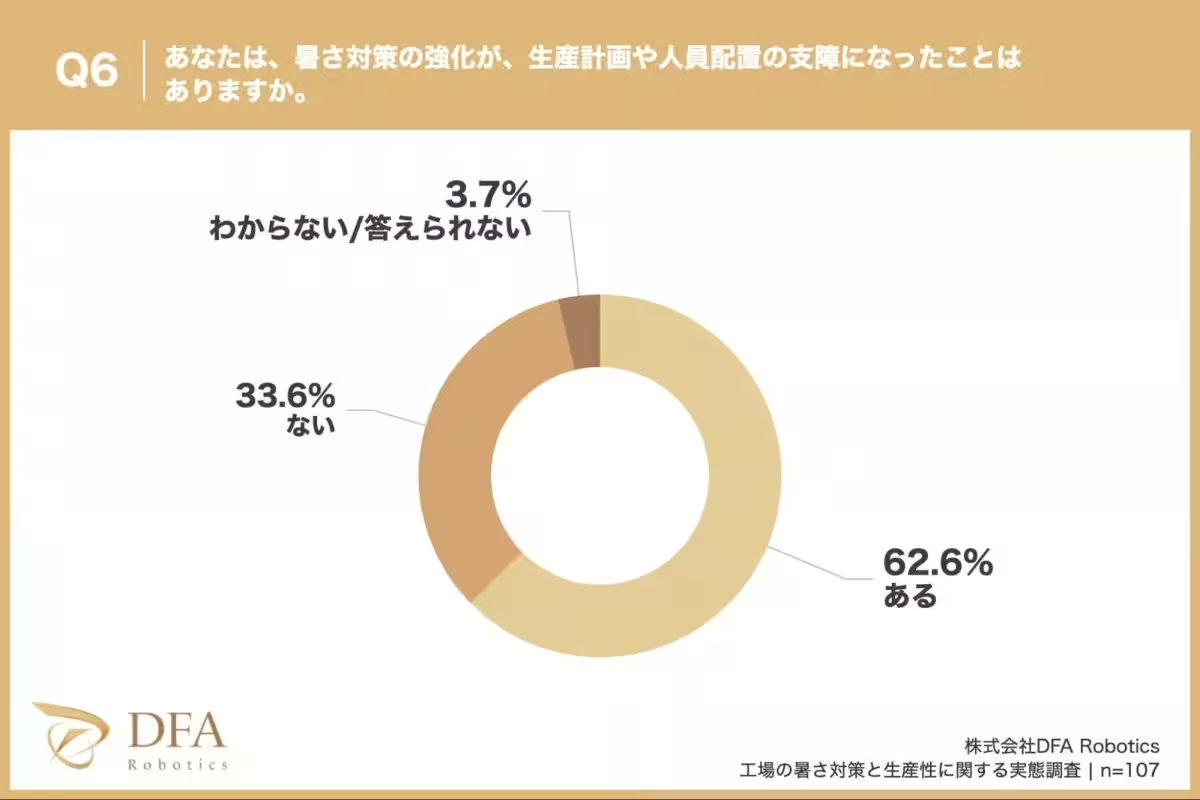
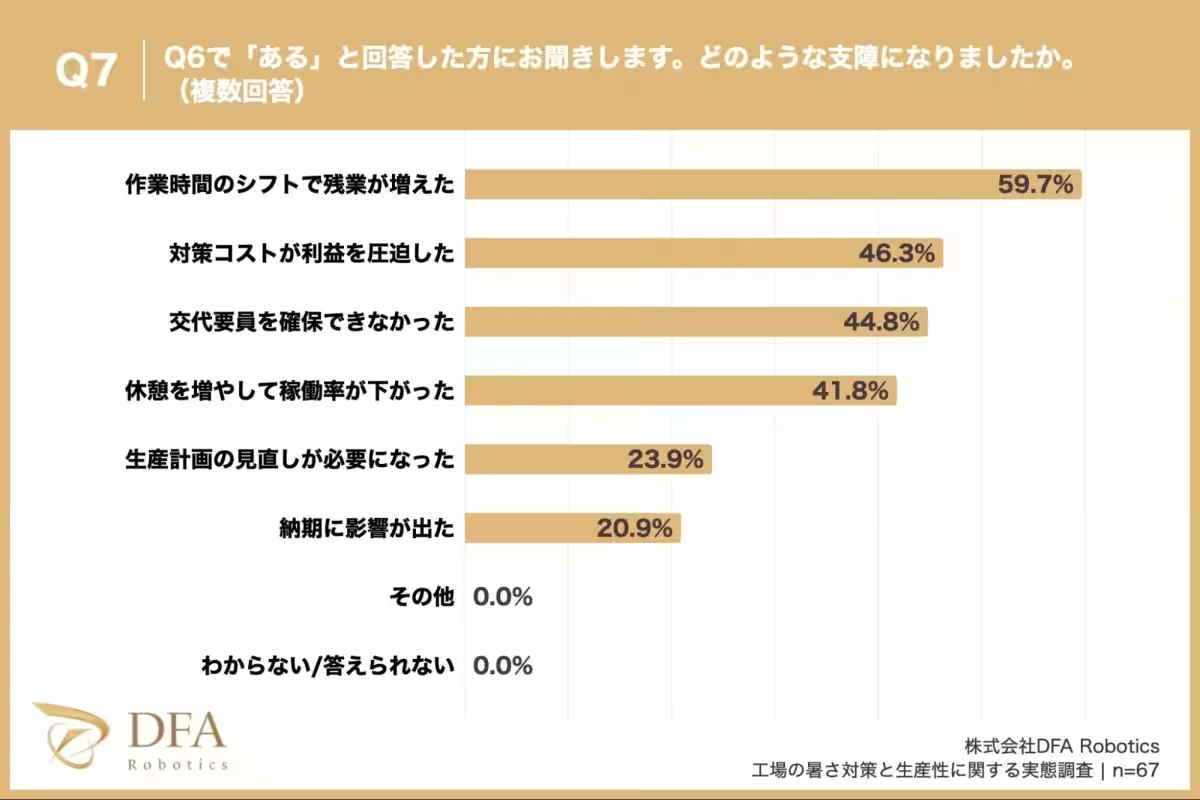
The structural and environmental factors highlighted above indicate a deep-rooted issue that cannot be fully mitigated through present countermeasures alone. As a result, 62.6% of managers reported that coping strategies for heat hindered production schedules and labor deployment. The conflict between ensuring employee safety and maintaining productivity is striking, with 59.7% noting increased shifts and overtime due to heat stress responses.
The Shift Towards Automation
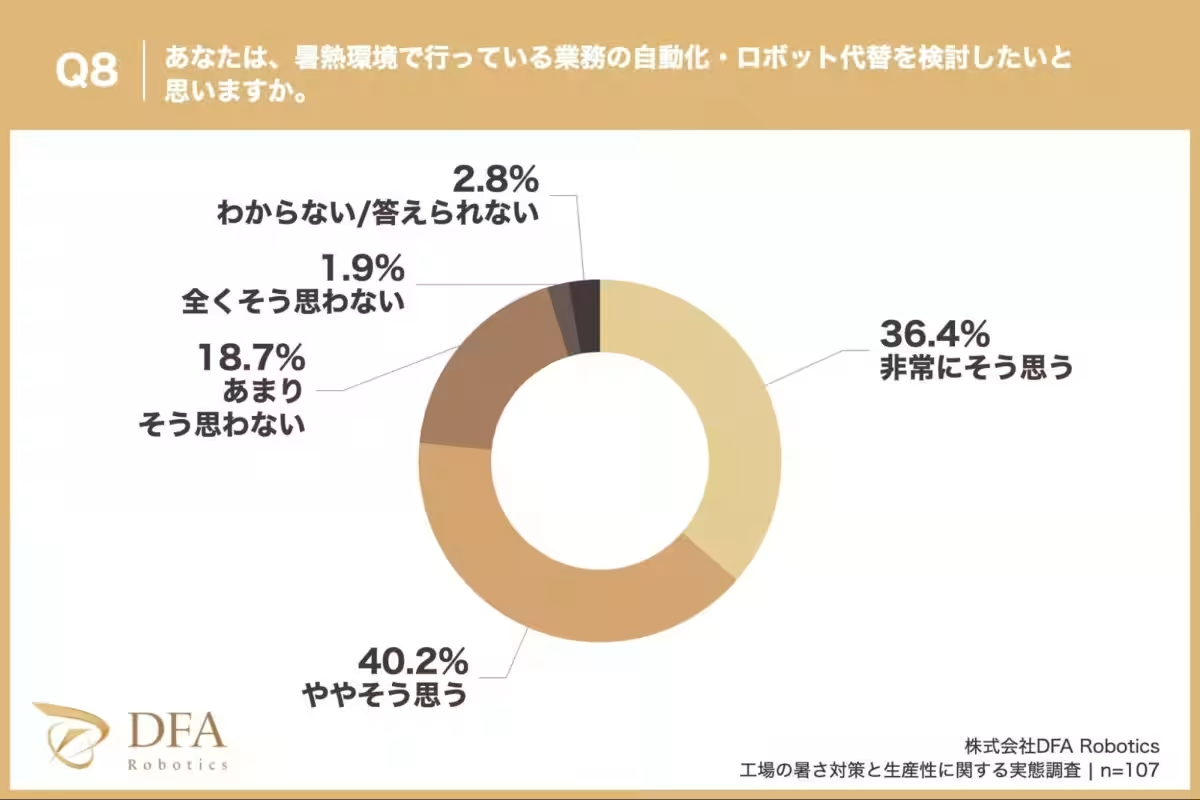
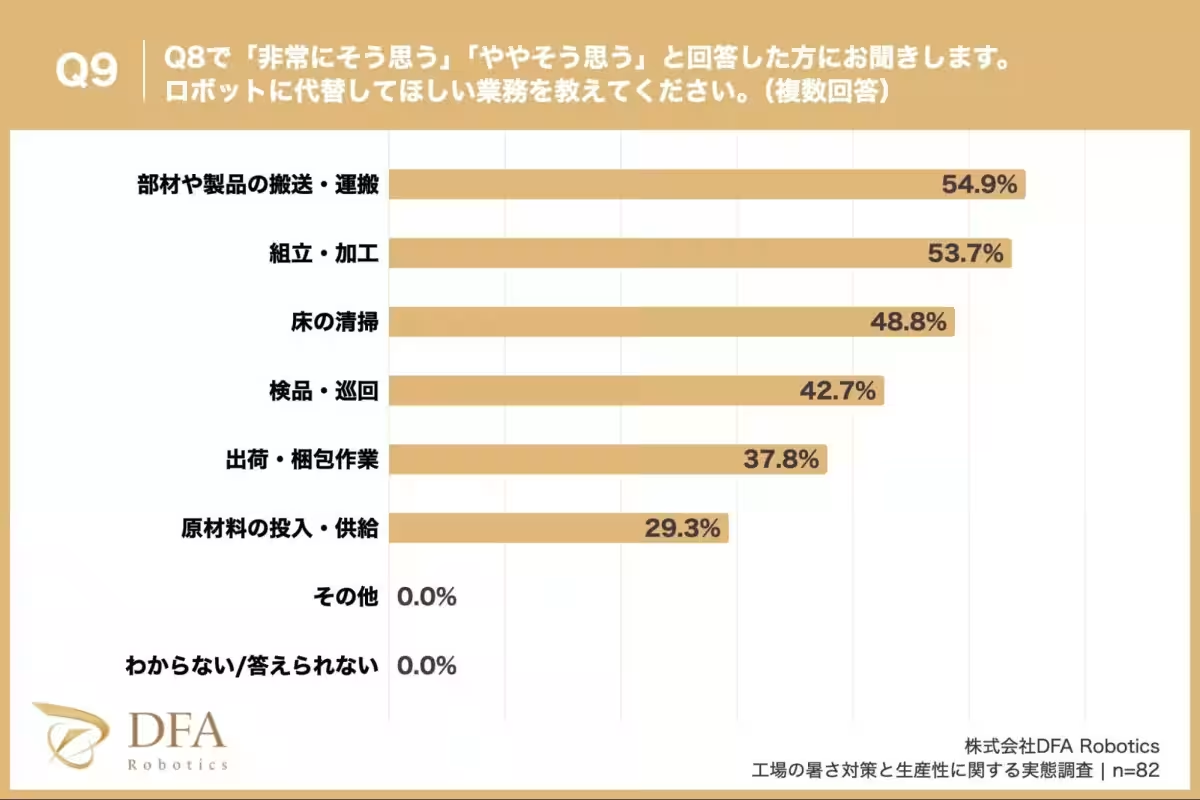
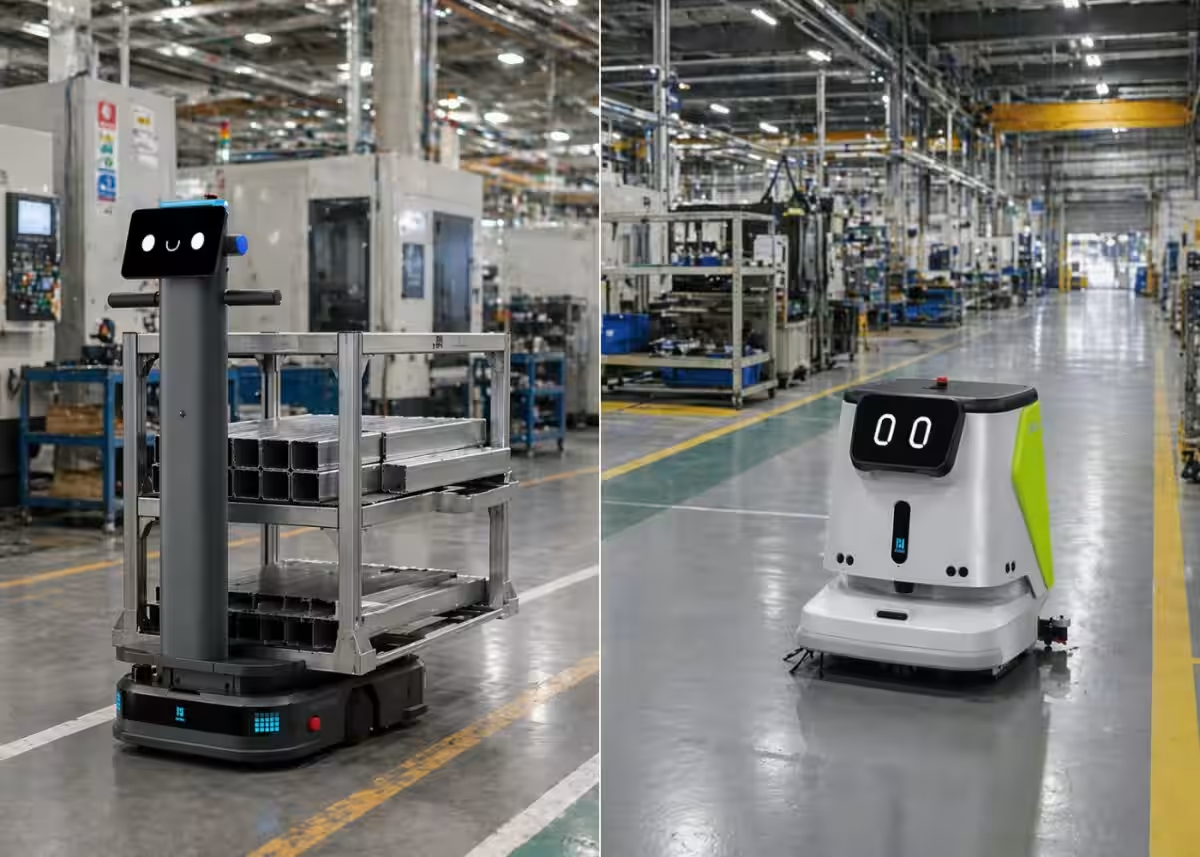
The survey also revealed that about 76.6% of the participants are eager to explore automation, particularly through robotic solutions, to manage tasks in hot environments. Notably, the most desired tasks for automation include:
- - Transporting materials and products (54.9%)
- - Assembly and processing (53.7%)
- - Cleaning floors and maintaining workspaces (48.8%)
Robotic automation presents a promising potential to alleviate the strain of manual labor in excessive heat, thereby improving employee safety and enhancing productivity outcomes. This shift not only aims to reduce the direct impact of high temperatures but also aligns with the broader goal of sustaining operations effectively with fewer human resources in inhospitable working conditions.
Cost-Effectiveness and Suitability of Robotic Solutions
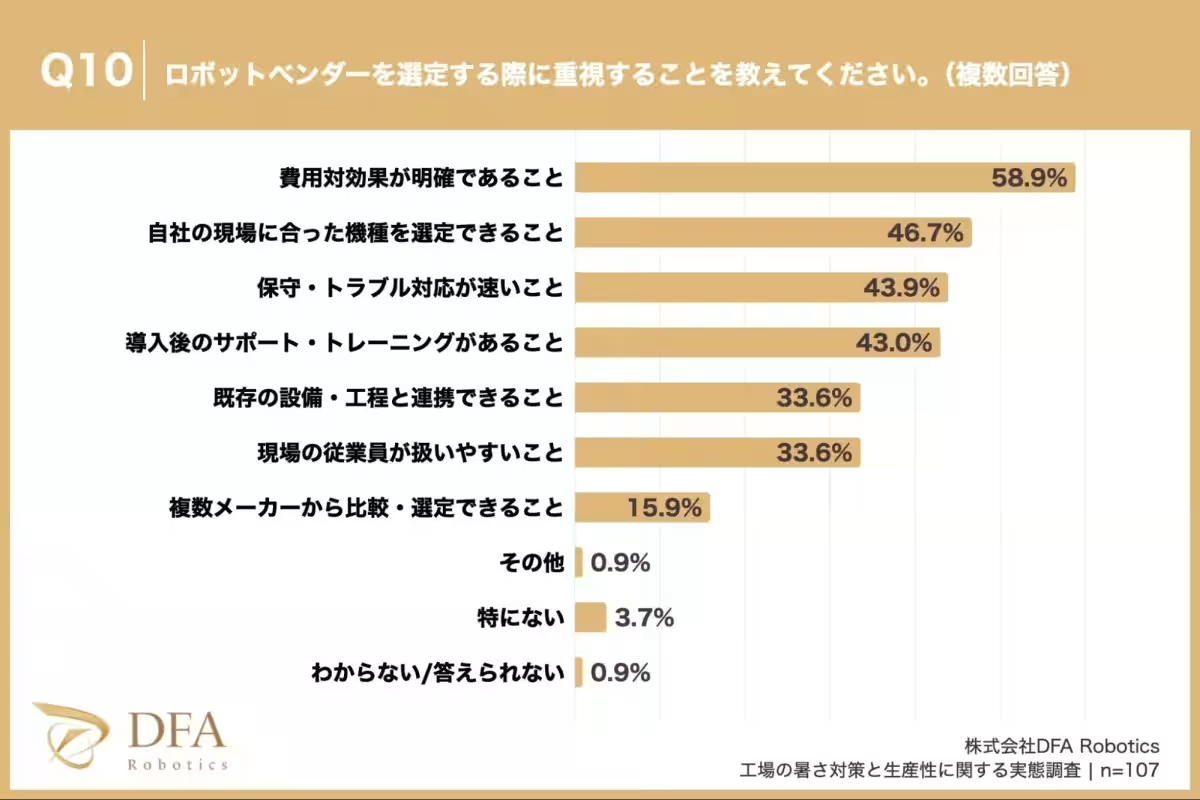
When considering robotic vendors, decision-makers prioritize factors such as clear cost-effectiveness (58.9%) and the ability to select models compatible with their specific operational needs (46.7%). The inclination towards automation represents a proactive strategy to balance employee health and optimize production efficiency amid ongoing challenges posed by high temperatures.
Conclusion
The “Factory Heat Stress Mitigation and Productivity Survey” elucidates the dual challenge faced by management in safeguarding employee wellbeing while striving for manufacturing efficiency. Despite extensive efforts to address heat-related risks, significant hurdles remain, primarily influenced by infrastructural constraints and operational challenges. Automation and robotic solutions emerge as viable pathways to advance productivity and worker safety, as documented by the solid groundwork laid by DFA Robotics in providing innovative solutions tailored for diverse industries.
For further insights and to explore robotic solutions for improving factory operations, you can visit DFA Robotics.

Topics Consumer Technology)
【About Using Articles】
You can freely use the title and article content by linking to the page where the article is posted.
※ Images cannot be used.
【About Links】
Links are free to use.