



Effective Solutions for Tooth Discoloration: Understanding Causes and Treatments
Understanding Tooth Discoloration
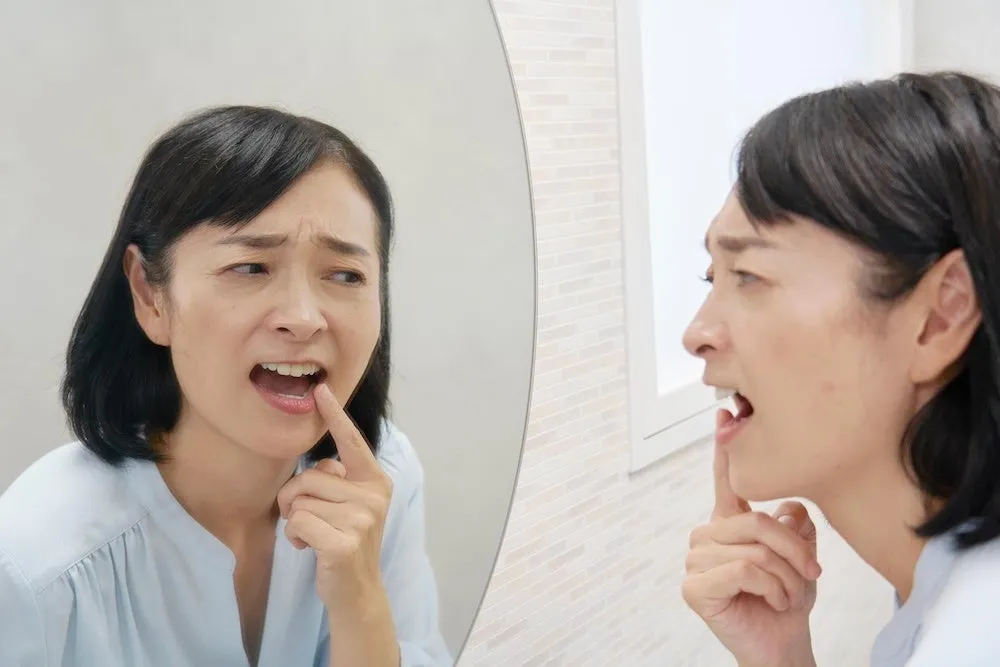
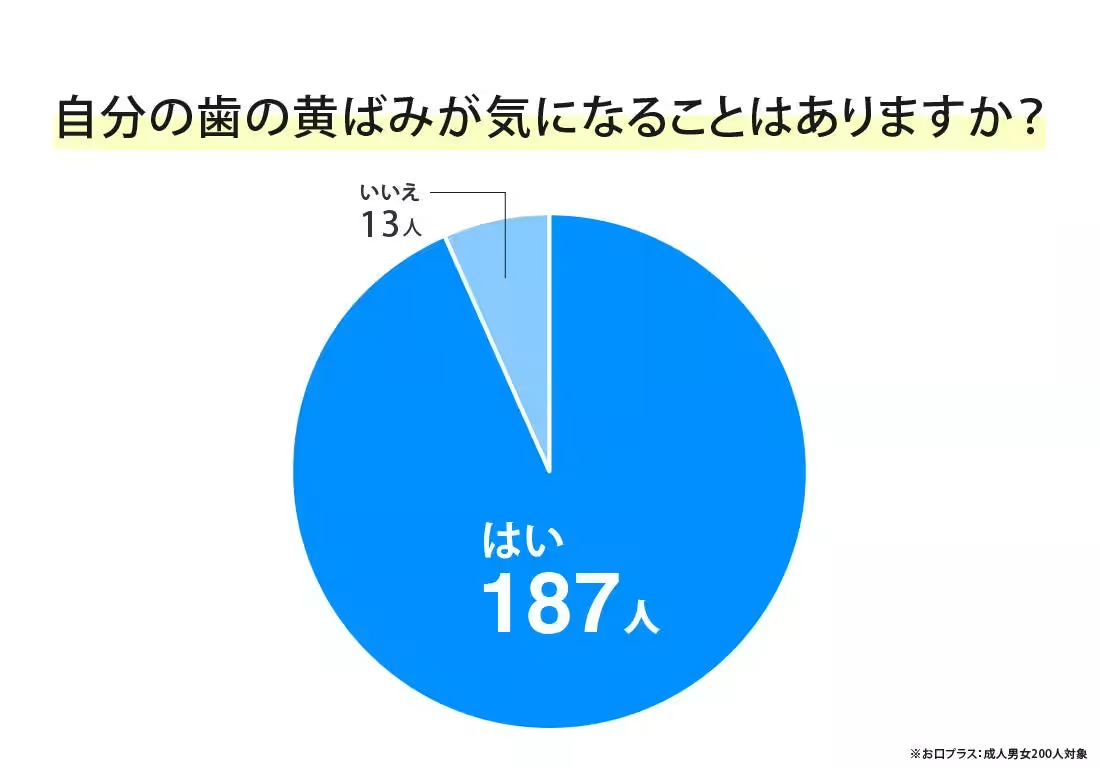
Discolored teeth can significantly impact one's appearance and lead to a negative first impression. Many individuals strive for a bright, white smile, leading to a rising interest in discovering effective methods for removing stains. In this article, we explore the findings from a recent survey conducted by Okuchi Plus, which targeted 200 adults regarding their concerns about tooth discoloration.
1. Survey Findings: Concerns about Tooth Discoloration
An impressive over 90% of participants expressed that they were worried about the discoloration of their teeth. This statistic highlights that many individuals face this common issue, prompting a desire for remedies.
2. Causes of Tooth Discoloration
But what leads to the yellowing of teeth?
2.1 Intrinsic Factors
Intrinsic discoloration can stem from genetic factors. The color of teeth is influenced by the thickness of the enamel, the teeth's outermost layer. Those with genetically thinner enamel often display a yellowish appearance due to the underlying dentin showing through. Japanese individuals are commonly found to have thinner enamel, making tooth discoloration more apparent.
Aging is another intrinsic factor that contributes to yellowing. As we age, enamel wears down, revealing the dentin beneath, which can lead to a yellowish hue.
2.2 Extrinsic Factors
Extrinsic factors include dietary choices and lifestyle habits that contribute to tooth stains. Some common culprits include:
- - Beverages: Coffee, red wine, and tea contain polyphenols, which bind to the enamel and form stains over time.
- - Smoking: The tar in cigarette smoke can easily attach to the enamel, leading to significant discoloration over time.
- - Poor Oral Hygiene: Incomplete brushing can leave food particles that bacteria feed on, leading to plaque buildup. When plaque hardens into tartar, it can lead to yellowing.
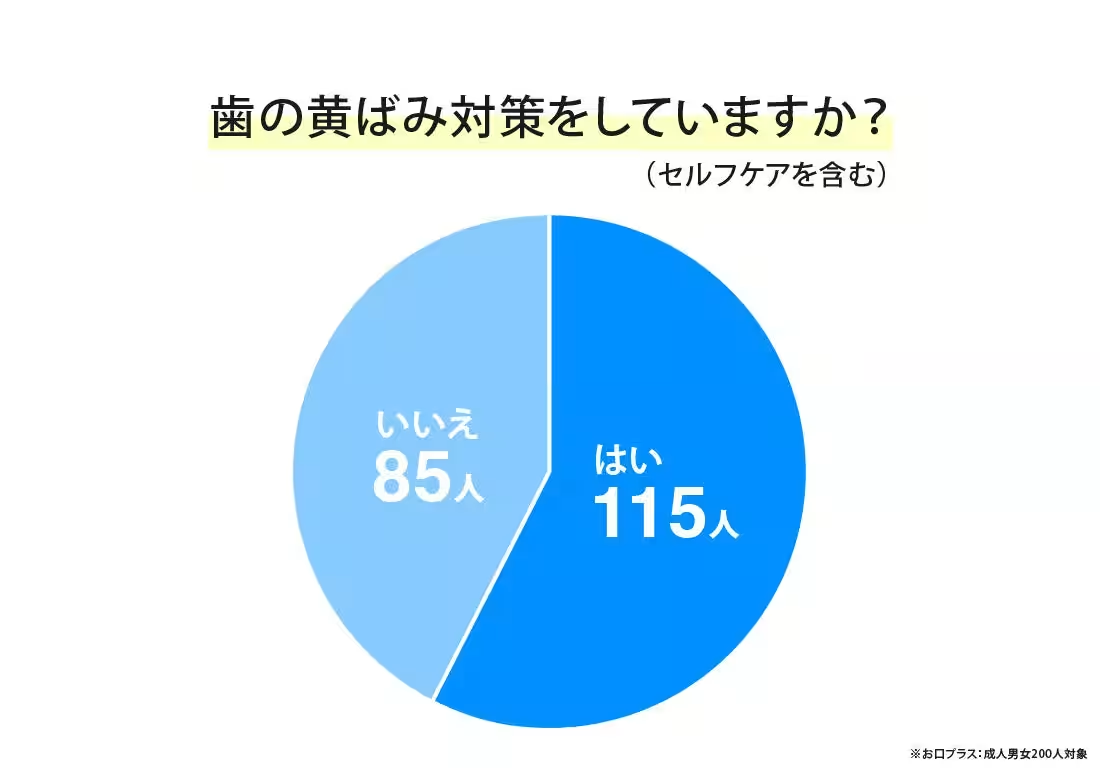
3. 60% of Individuals Actively Combat Tooth Discoloration
When asked about their efforts to combat tooth discoloration, nearly 60% of respondents reported taking action. This indicates a proactive approach among a considerable portion of the surveyed individuals.
4. Self-Care Methods for Tooth Whitening
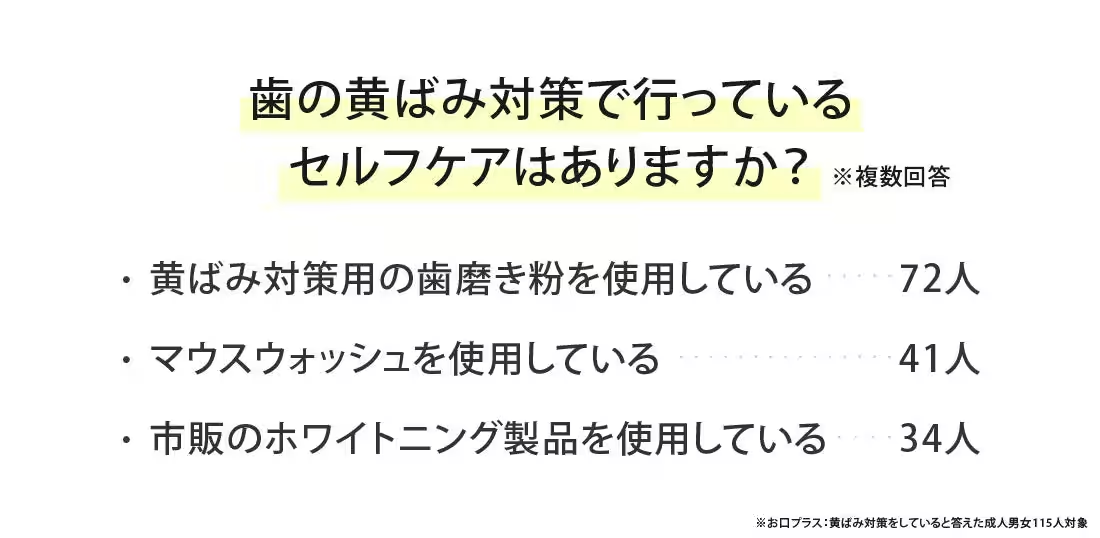
Among those who actively manage tooth discoloration, most reported using whitening toothpaste. While these products can help remove surface stains, they generally lack bleaching agents that ensure significant color changes.
Some also reported using mouthwashes or over-the-counter whitening treatments. However, the effectiveness of these self-care methods is often limited, leading some to seek professional help for better results.
5. Professional Treatments for Tooth Discoloration
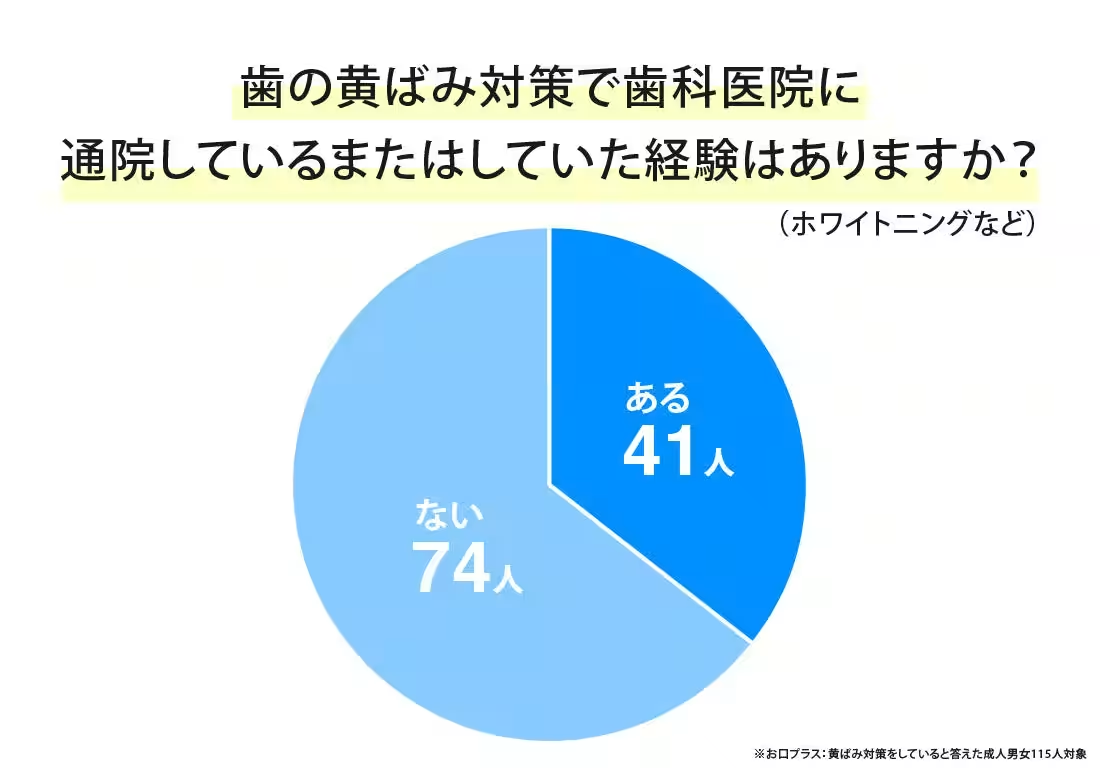
Approximately 30% of respondents have sought professional treatments for tooth discoloration. Professional dental care can effectively address these concerns, offering procedures such as:
- - Home Whitening: Guided by a dentist, patients can use custom trays at home to gradually whiten their teeth. While effective, this method may take time and requires diligence.
- - Office Whitening: Conducted in clinics, this procedure uses potent whitening agents for immediate results. However, the costs can range between ¥20,000 to ¥50,000 per session, and results may not last long.
- - Dual Whitening: This combines home and office whitening methods for better and longer-lasting results, ideal for those wanting significant whitening.
Conclusion: Striving for Whiter Teeth
The desire for a bright smile is not merely cosmetic; it influences personal and professional interactions. Taking a holistic approach to dental care, including self-care and professional treatments, is essential for achieving and maintaining a whiter smile.
Research Overview
- - Method: Online survey
- - Target Group: Adults aged 20 and above, 200 respondents
- - Conducted on: April 2, 2025
- - Conducted by: Okuchi Plus


Topics Health)
【About Using Articles】
You can freely use the title and article content by linking to the page where the article is posted.
※ Images cannot be used.
【About Links】
Links are free to use.