



Exploring Chiropractic Care: Insights from Japanese and American Experts
Exploring Chiropractic Care: Insights from Japanese and American Experts
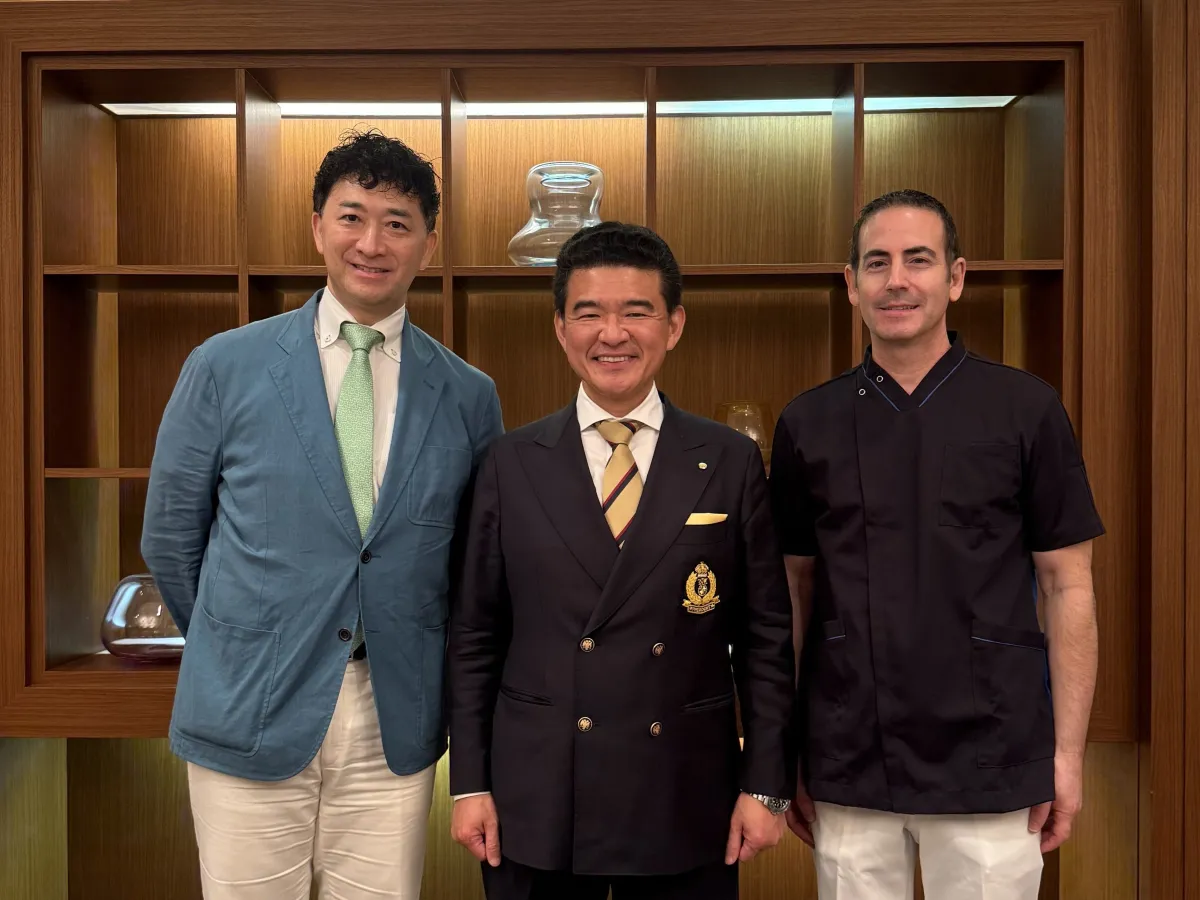
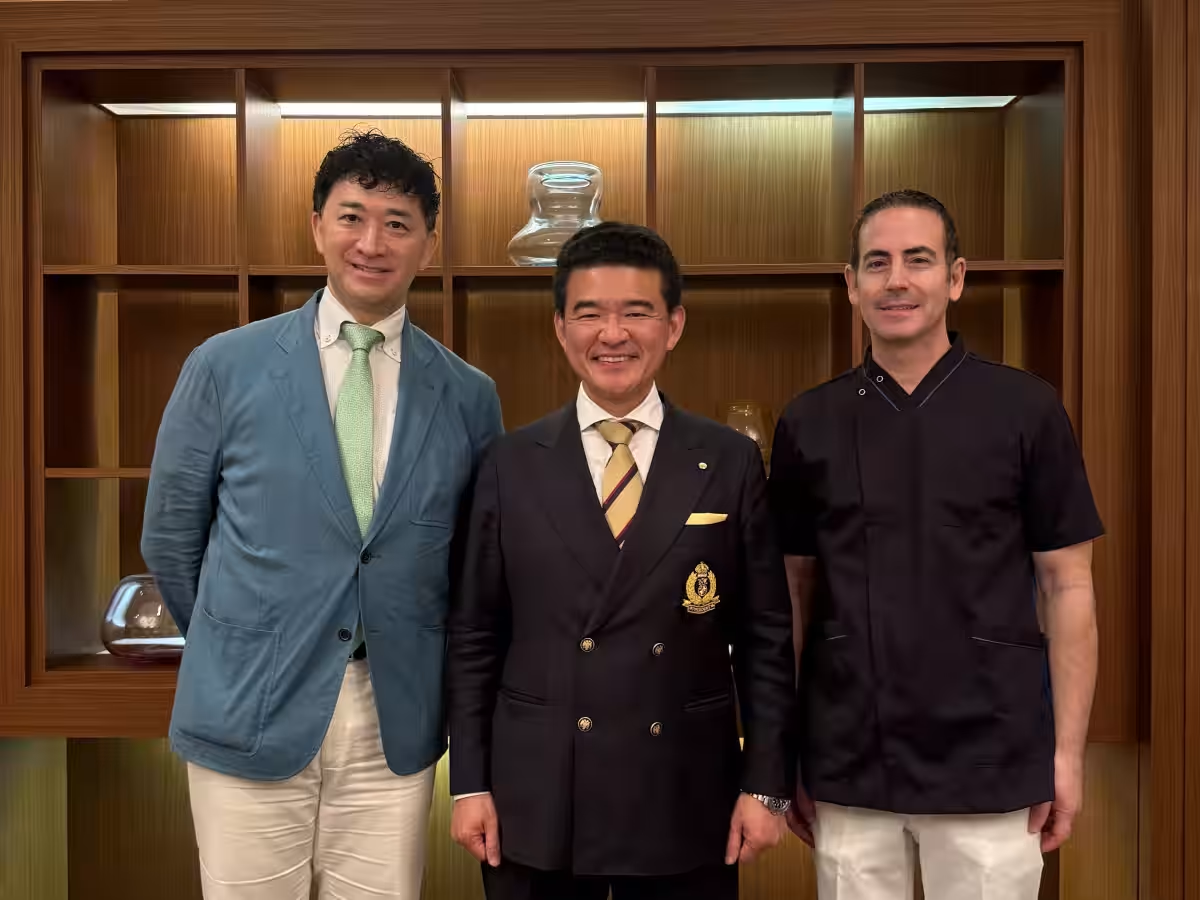
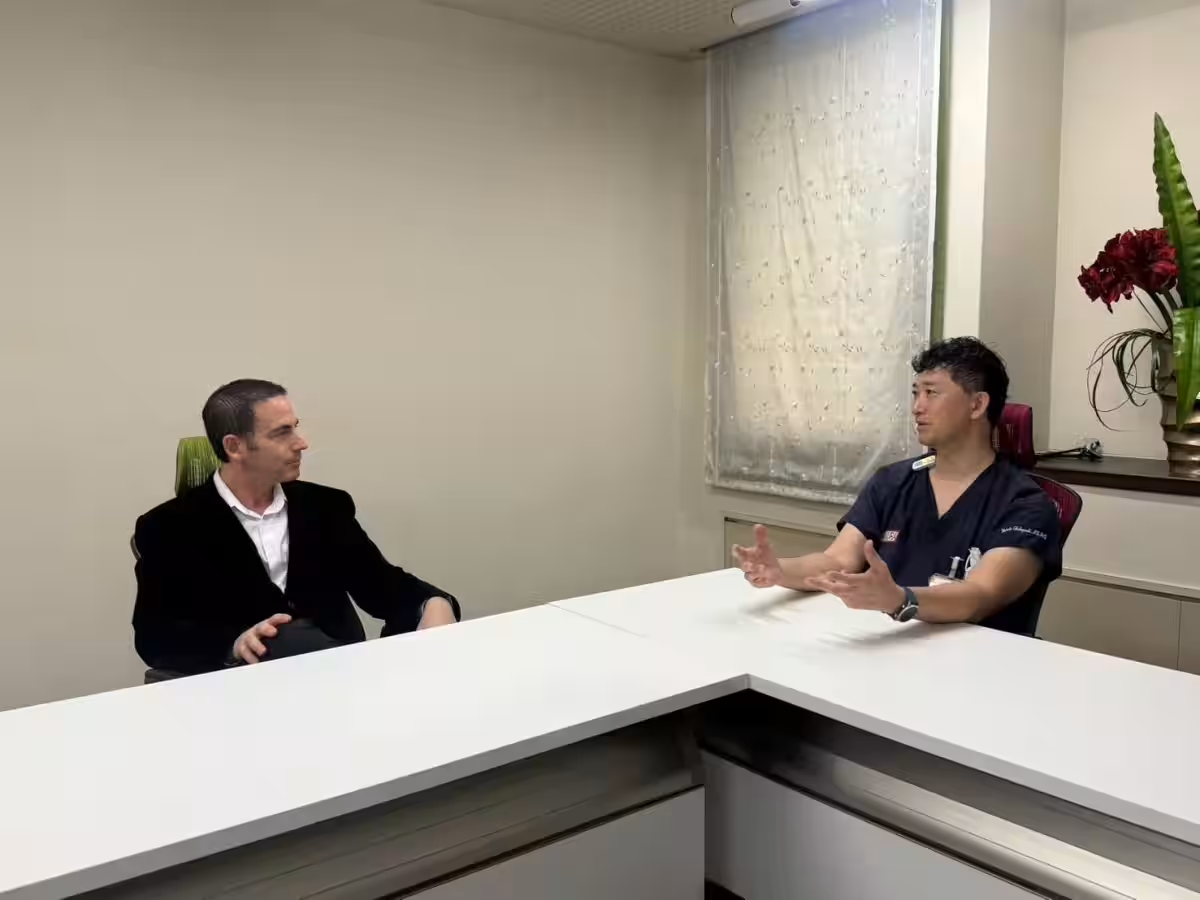
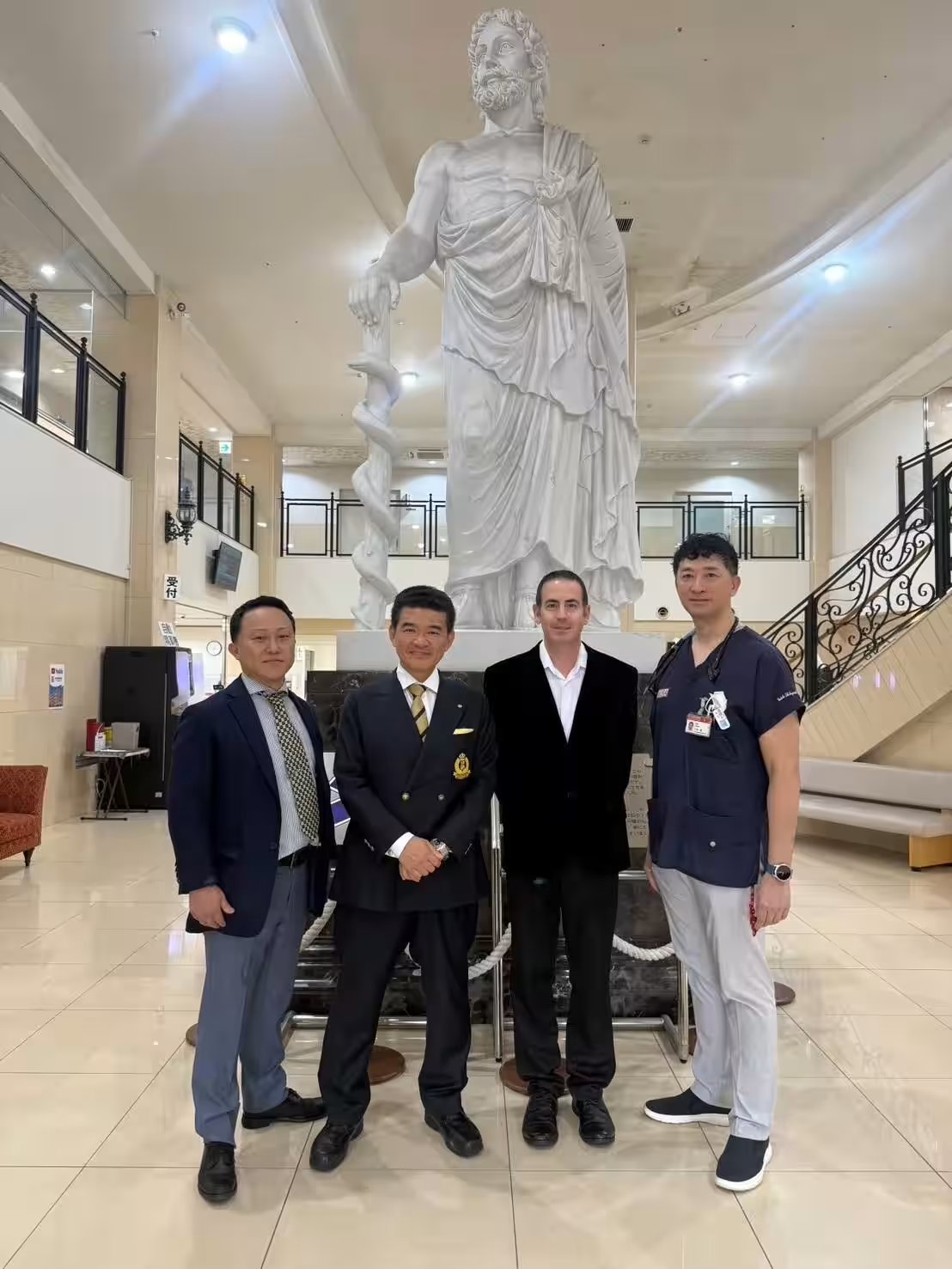
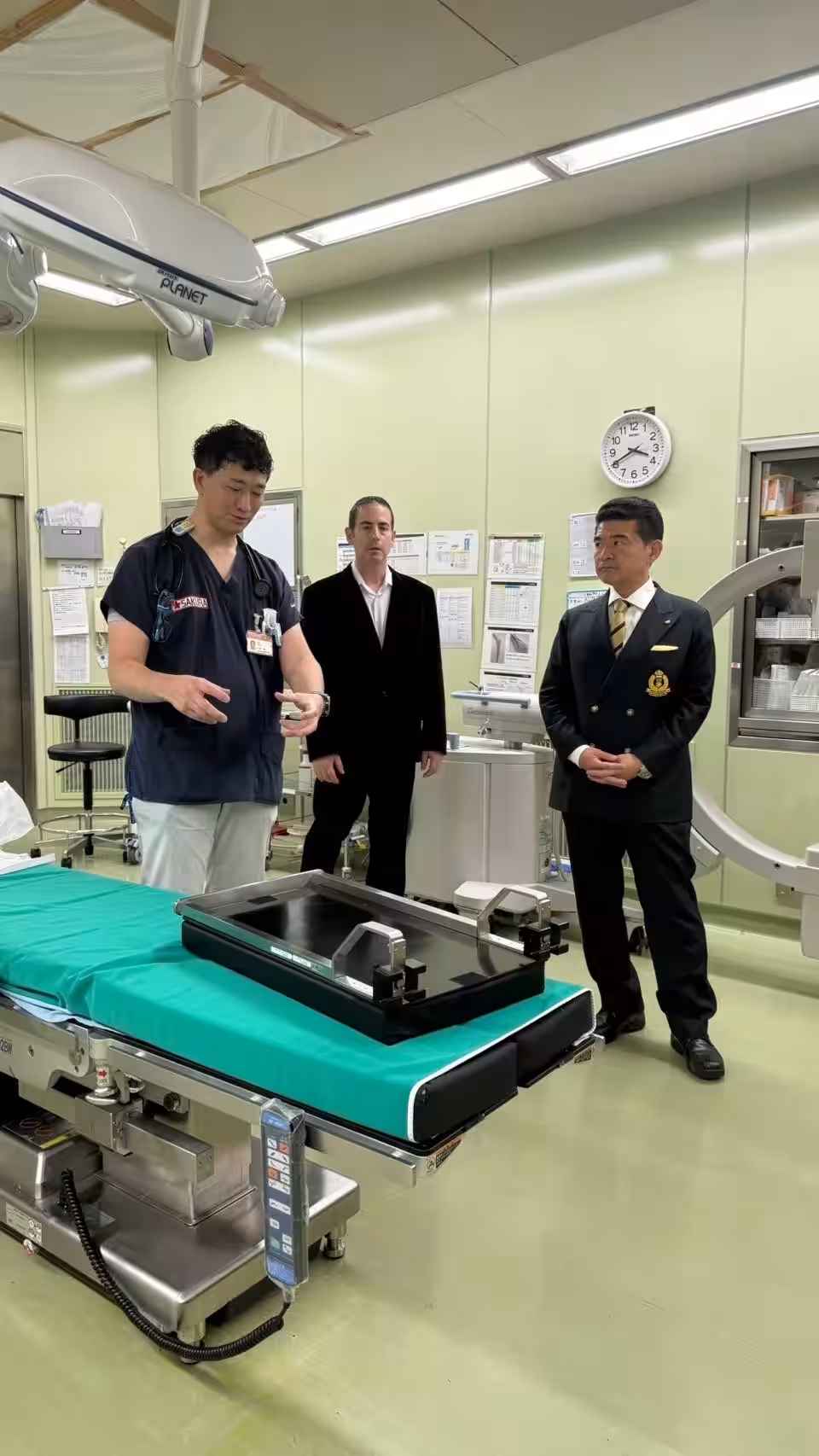
In a compelling dialogue, Toyotaka Kobayashi, director of Sakura General Hospital and advisor to the JCA, joined forces with Larry Smith, D.C., an international lecturer for JCA and faculty member at Texas Chiropractic College, to explore various dimensions of chiropractic care in the context of healthcare in Japan and the United States.
Chiropractic in Hospitals
The conversation began with a focus on the status of chiropractic within hospital systems. Kobayashi questioned whether chiropractic care is offered in intensive care units in American hospitals. Smith clarified that while intensive care units do not typically provide chiropractic services, many medical professionals, particularly orthopedic surgeons, often utilize chiropractic treatment themselves. “Even those who are publicly skeptical often seek chiropractic care for its benefits,” he noted.
Kobayashi expressed his belief that hospitals should integrate chiropractic services more comprehensively, suggesting it would improve both patient outcomes and hospital efficiency, potentially reducing overall healthcare costs. Smith supported this notion, citing that reliance on chiropractic treatment could significantly lower the hospitalization rates for spinal-related ailments by as much as 50%. This implies a reduced need for surgeries and prescribed medications, leading to overall savings for patients.
Preventive Healthcare and Systemic Differences
Shifting the focus to preventive medicine, Kobayashi highlighted Japan’s robust health screening regimen, which includes popular procedures like chest X-rays, ECGs, and mammograms aimed at early cancer detection. In contrast, Smith explained that in the U.S., preventive measures such as colonoscopies are generally reserved for high-risk individuals, along with some screening CT scans that are covered by insurance.
Kobayashi pointed out the stark differences in healthcare systems between the two nations, noting Japan’s universal health insurance contrasted with the fragmented system in the U.S. He raised concerns about Japan's social security system, which has struggled despite years of stagnation in physician income. Smith elaborated, indicating that many American hospitals operate as businesses, which sometimes results in management decisions being made by non-medical administrators. He also emphasized how insurance companies exert significant influence over patient management and care pathways. He raised a relatable comparison, mentioning how the cost of Tylenol is approximately ¥100 in Japan compared to about ¥2,000 in the United States, showcasing the dramatic differences in healthcare expenses.
Future of Chiropractic in Japan
When asked about the future of chiropractic in Japan, Smith acknowledged that while chiropractic is recognized as a state-approved profession in the U.S., it still lacks formal acknowledgment in Japan, leading to low public awareness. He stresses that enhancing public knowledge is essential, urging for stronger media presence, public awareness campaigns, strategic use of social media, and the development of relatable products and services that demonstrate tangible benefits.
Kobayashi concurred, stressing that the growth of the profession ultimately relies on individual practitioners’ professional development and skill enhancement. Smith reinforced this idea, stating that both systemic changes and individual advancements in qualifications and abilities are vital for the evolution of chiropractic.
Future Outlook
Through this enlightening dialogue, it has become evident that Kobayashi’s new role as an advisor in the JCA is marking a robust movement towards improving the social standing of chiropractic within Japan. The JCA is poised to continue fostering international perspectives, bridging the gap between traditional medicine and chiropractic practices, all while advocating for a more integrated approach to healthcare that benefits patients and practitioners alike.
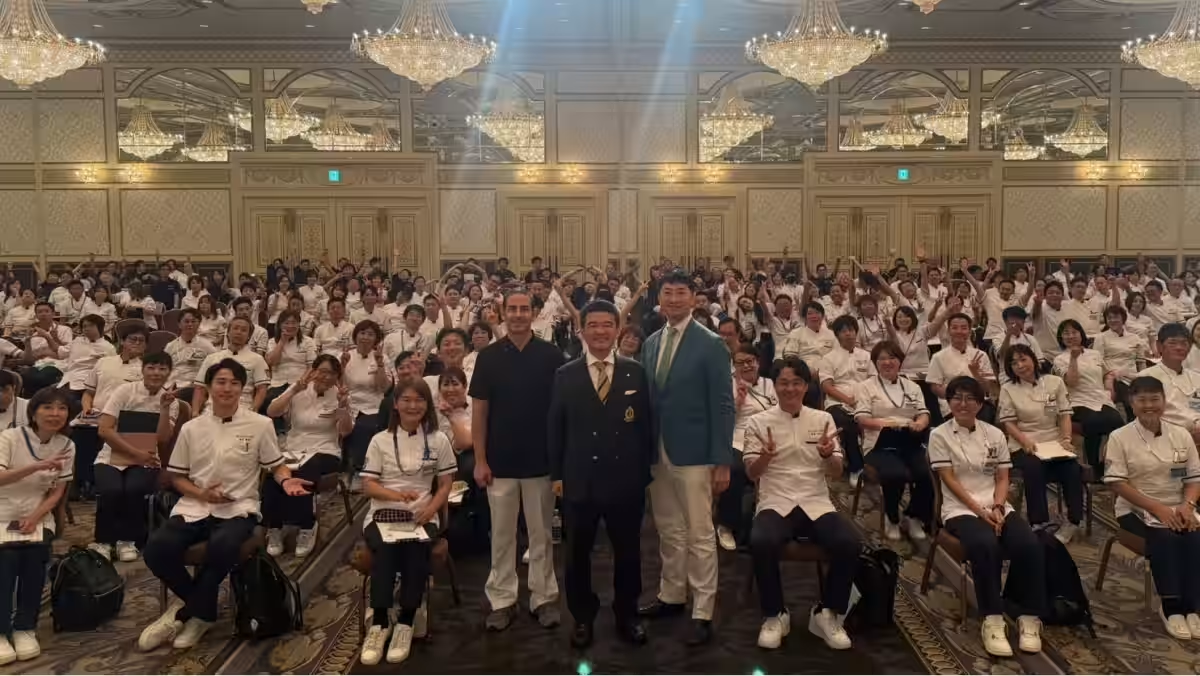
On September 9, Larry Smith held a successful lecture attended by approximately 500 individuals, further promoting understanding and awareness of chiropractic practices. The collaborative efforts of these two experts underscore a promising future for chiropractic in Japan.
Topics Health)
【About Using Articles】
You can freely use the title and article content by linking to the page where the article is posted.
※ Images cannot be used.
【About Links】
Links are free to use.