



Over 40% of Families With Aspirations for Top Schools Purchase Dedicated Desks by 1st Grade
Trends in Elementary School Learning Environments
A recent survey conducted by Itoki Corporation, aimed at uncovering the current state of learning environments and habits among families with children in their first two years of middle school, sheds light on the educational landscape in Japan. The survey involved responses from 1,023 parents nationwide and revealed some intriguing insights about study habits and environments that cater to academic success.
Key Findings
Study Duration and Investment Differences
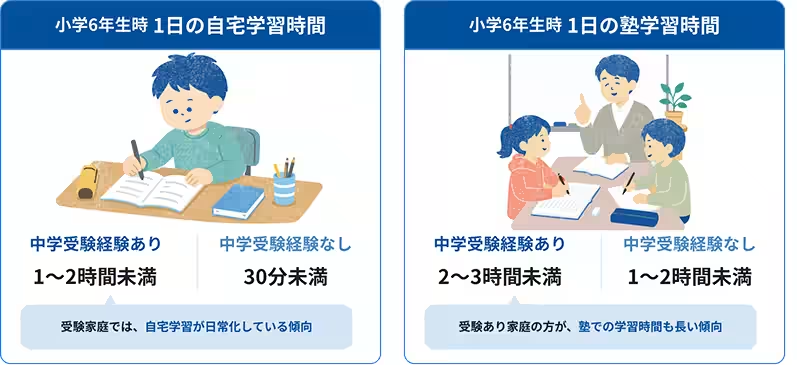
One striking finding was the disparity in daily study hours and educational investments between families who have experienced entrance exams and those who have not. For families that went through the middle school entrance examination process, the most common reported study time was between 1 to 2 hours at home and 2 to 3 hours in tutoring schools. Conversely, families without entrance exam experience reported an average home study time of less than 30 minutes and tutoring school attendance of 1 to 2 hours.
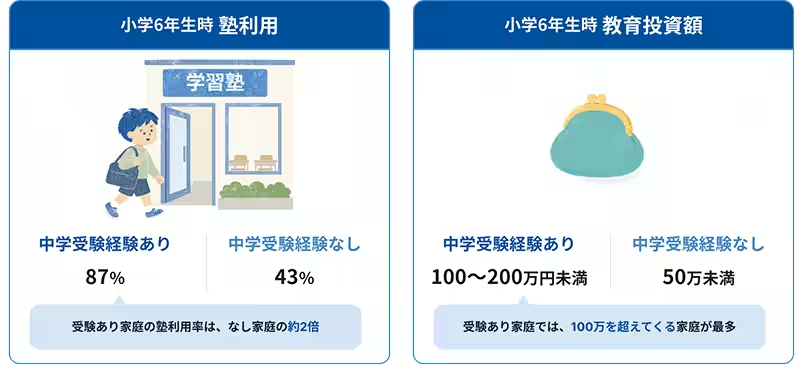
Additionally, the survey indicated that 87% of families with entrance exam experience utilized tutoring services, compared to only 43% among those without. When it came to educational investment, families who faced entrance exams typically spent between 1 to 2 million yen, while families without that experience managed with under 500,000 yen.
Importance of Dedicated Study Spaces
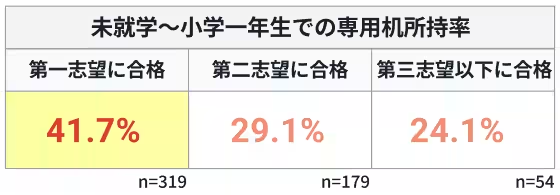
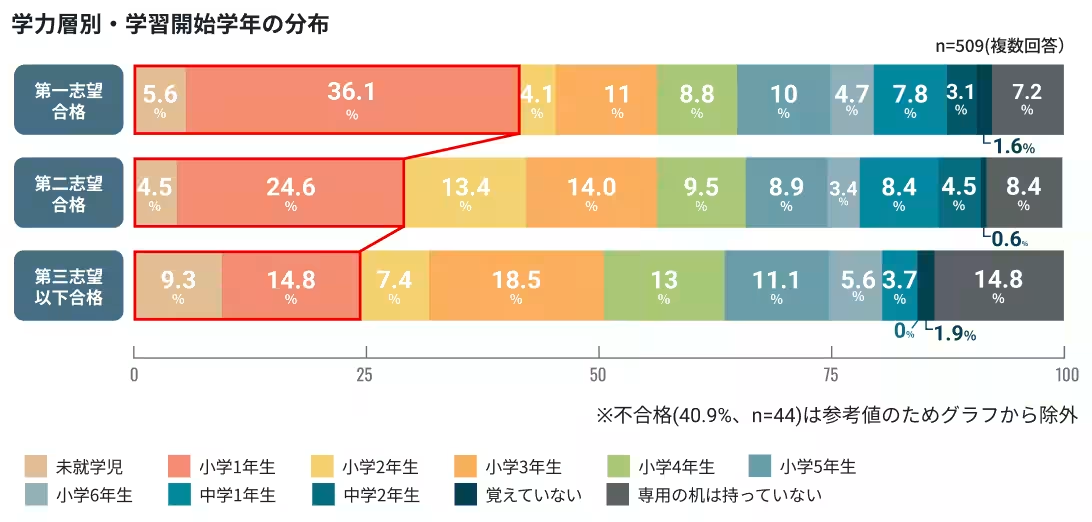
Over 40% of families with successful admissions into their first-choice schools reported that they had invested in dedicated study desks for their children by the time they reached first grade. This contrasts with only 29% and 24% of families with students who gained admission into their second and third-choice schools, respectively. This trend suggests that early access to a personal learning space could significantly impact a child’s study habits.
Home Environment and Study Concentration
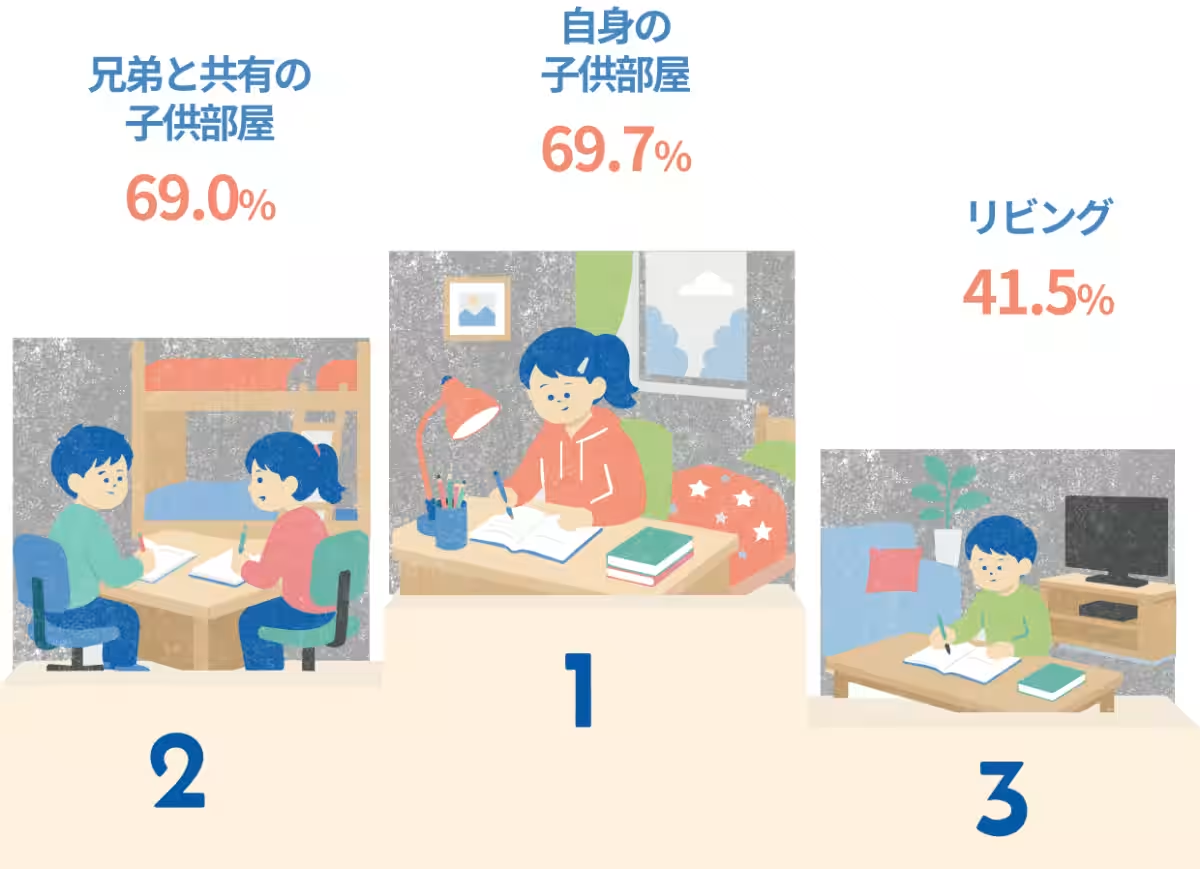
The survey results showed that when considering where children concentrated best on their studies, 69.7% favored their own bedrooms, while 41.5% opted for shared spaces with siblings. This preference indicates that as children reach the sixth grade, they benefit more from study areas that reduce distractions in their surroundings.
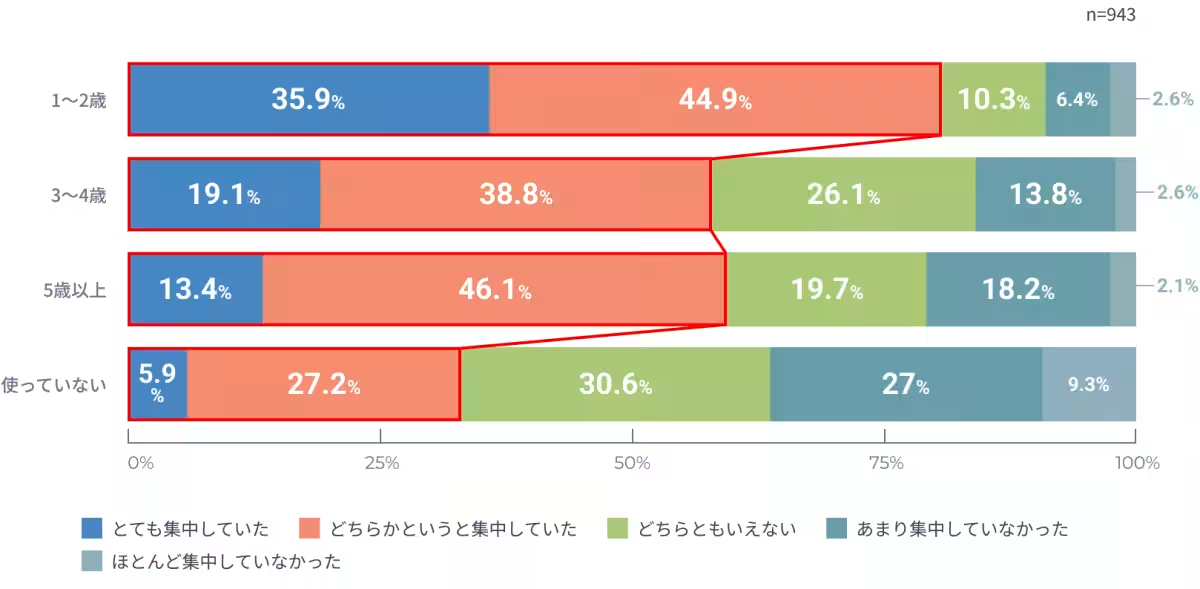
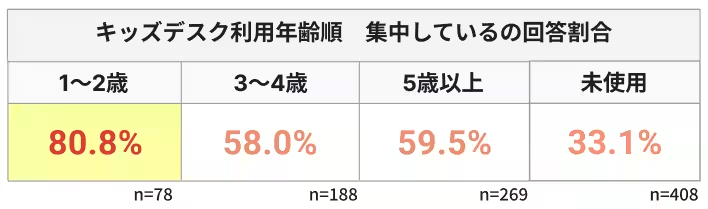
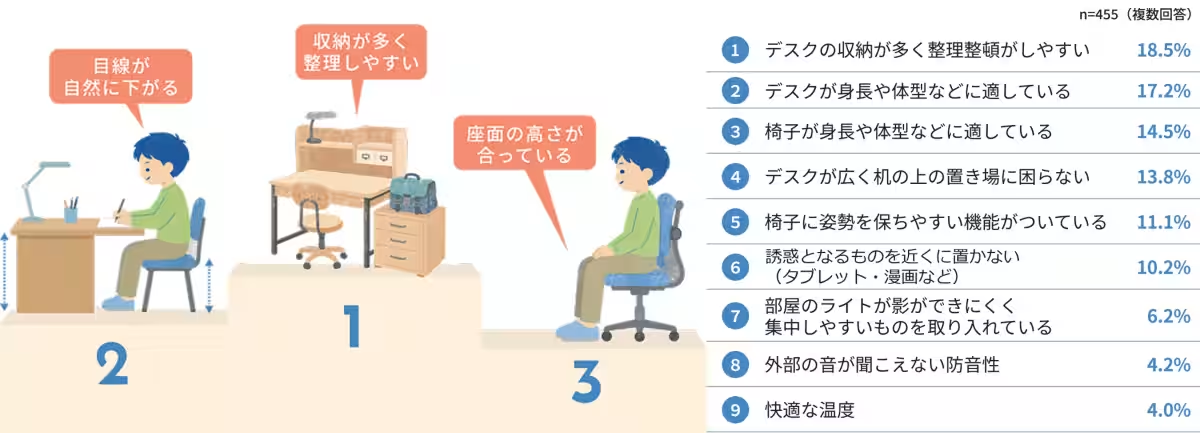
Moreover, among those families prioritizing effective study environments, 18.5% emphasized the importance of easily organized storage in their study desks, which aids in maintaining order and promoting a conducive learning atmosphere. Interestingly, children who began using kids' desks at ages 1 or 2 maintained higher concentration levels—over 80%—during their sixth-grade studies.
Educational Investment Beyond Tutoring
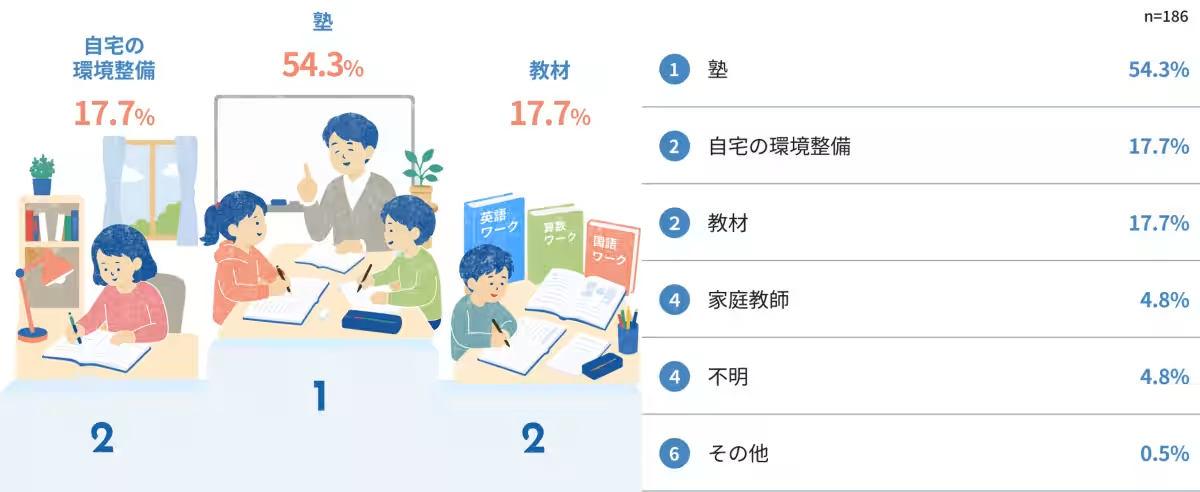
Families with children achieving high academic performance, specifically those with an average score above 60, not only invested in tutoring but also significantly allocated resources towards home environment improvements and educational materials. This multi-faceted approach to fostering effective learning spaces indicates a holistic understanding of educational development that transcends traditional tutoring methods.
Summary and Future Considerations
In conclusion, the findings from Itoki’s research emphasize the necessity of creating adaptable learning environments that evolve with a child’s educational journey. With increasing concerns about declining attention spans among students in educational settings, it's crucial for families to establish conducive learning areas that support their children's engagement and concentration. This survey serves as a platform for Itoki to innovate and refine products that cater to these needs, aiming to enhance the overall study experience for children.
For more information, you can visit their Special Page.
In light of these findings, Itoki will also hold events to help families experience and select appropriate study environments for their children. An opportunity for parents and their kids to explore learning furniture and attend workshops is scheduled for August, aiming to provide insights into crafting effective study environments at home.

Topics Consumer Products & Retail)
【About Using Articles】
You can freely use the title and article content by linking to the page where the article is posted.
※ Images cannot be used.
【About Links】
Links are free to use.