



The Shift Toward Decarbonization and Renewable Energy Post-Iran War
Seminar on Decarbonization and Renewable Energy Trends Post-Iran War
On May 21, 2026, a significant seminar titled "Decarbonization and International Trends in Renewable Energy Post-Iran War" will be held, featuring Dr. Akira Yasuda from Strathclyde University in the UK. As the world grapples with the ramifications of the Iran War, Dr. Yasuda will delve into the pressing need for decarbonization and how it can shape energy policies globally.
Overview of the Seminar
This seminar intends to illuminate the current international dynamics regarding decarbonization in the wake of the Iran conflict. Initially ignited by military actions in February 2026, the Iran War has created substantial volatility in fossil fuel pricing due to the closure of the Strait of Hormuz. This event, marked by rising tensions and political instability, catalyzed discussions around alternative energy sources as nations strive to reduce their dependence on fossil fuels.
A shift in the U.S. energy policy under the Trump administration has sparked various responses globally, particularly in Japan, where the decarbonization agenda seems to face challenges. Recent narratives suggest that Japan's policies are retreating from the global effort towards renewable energy. However, Dr. Yasuda’s insights will highlight how international agreements are progressing despite setbacks, underscoring various initiatives to promote electric vehicles (EVs), heat pumps, and other renewable technologies.
Key Discussion Points
1. International Trends in Decarbonization: This section will address the risks associated with fossil fuel dependency and how adopting decarbonization serves as a risk management strategy.
- Fossil Fuel Risks: Understanding how reliance on fossil fuels exposes economies to price fluctuations and supply crises.
- International Agreements: Insights into ongoing discussions at organizations like the United Nations, emphasizing the global consensus on the necessity for a shift to renewable sources.
- Domestic Debates in Japan: Analyses illustrating the divergence between international strategies and Japan's national policies, establishing why the nation’s stance appears out of sync.
2. Massive Integration of Renewable Energy: A look into the international discourse surrounding the implementation of renewable technologies.
- Electrification and Sector Coupling: Exploring why technologies like EVs and heat pumps are gaining traction.
- External Economies and Long-term Benefits: Understanding the advantages of adopting a long-term perspective in managing risks.
- Flexibility in Energy Systems: Debunking the myth that renewable energy is inherently unstable – a view increasingly seen as outdated.
3. Japan’s Challenges and Solutions: Discussion on the obstacles faced by Japan in its pursuit of decarbonization and strategies for overcoming them.
- Addressing Fake News: How to navigate misinformation and leverage scientific methodologies for valid data.
- Non-scientific Narratives: Evaluating the impact of these narratives and employing evidence-based policy-making (EBMP).
- Utilizing AI for Information: The role of technology in acquiring expert knowledge on energy policies.
4. Q&A Session and Networking: A chance for attendees to engage directly with Dr. Yasuda, exchanging ideas and expanding their networks.
Practical Information
Date and Time:
May 21, 2026, 4 PM to 6 PM JST
Venue Options:
- - In-Person: SSK Seminar Room, 4F, Zaimax Nishi-Shimbashi Building, 2-6-2 Nishi-Shimbashi, Minato-ku, Tokyo.
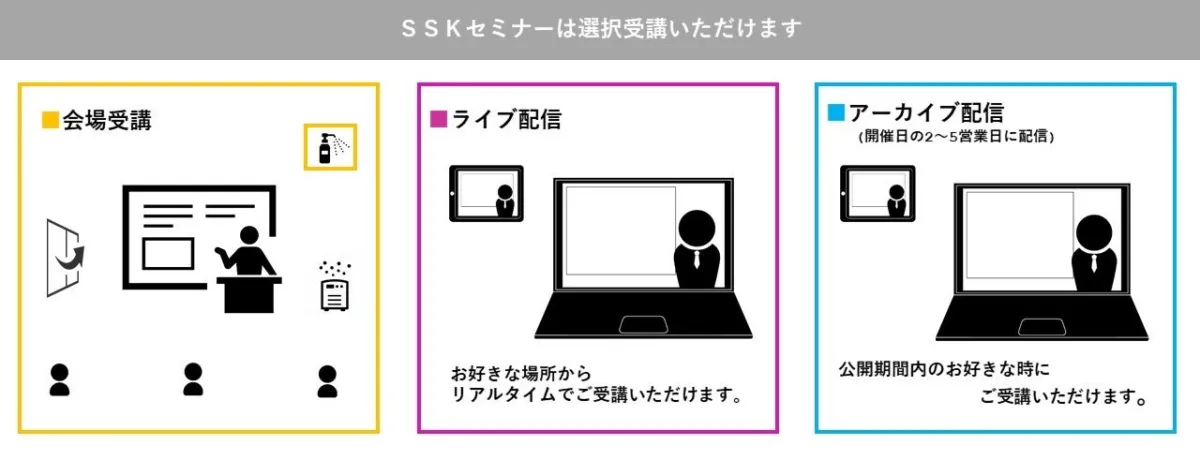
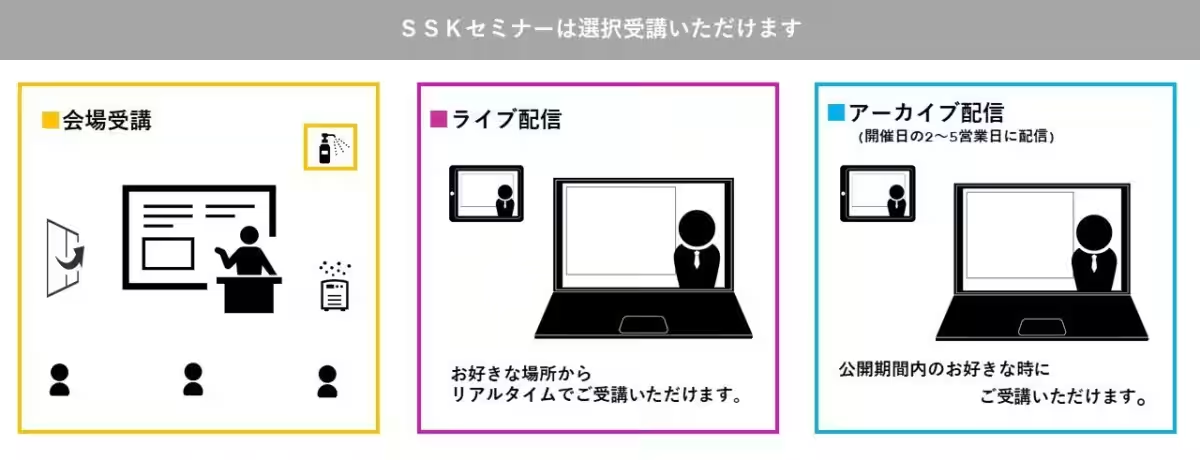
- - Online: Live streaming via Zoom and archived access for two weeks following the event for flexible viewing.
Contact Details:
For further inquiries, contact the New Society System Research Institute at [email protected], or visit www.ssk21.co.jp.
Join us as we tackle the significant issues surrounding decarbonization and the transition toward renewable energy in light of recent global events. This seminar promises to be a vital resource for understanding current trends and strategies necessary for sustainable energy futures.
Topics Policy & Public Interest)

【About Using Articles】
You can freely use the title and article content by linking to the page where the article is posted.
※ Images cannot be used.
【About Links】
Links are free to use.