



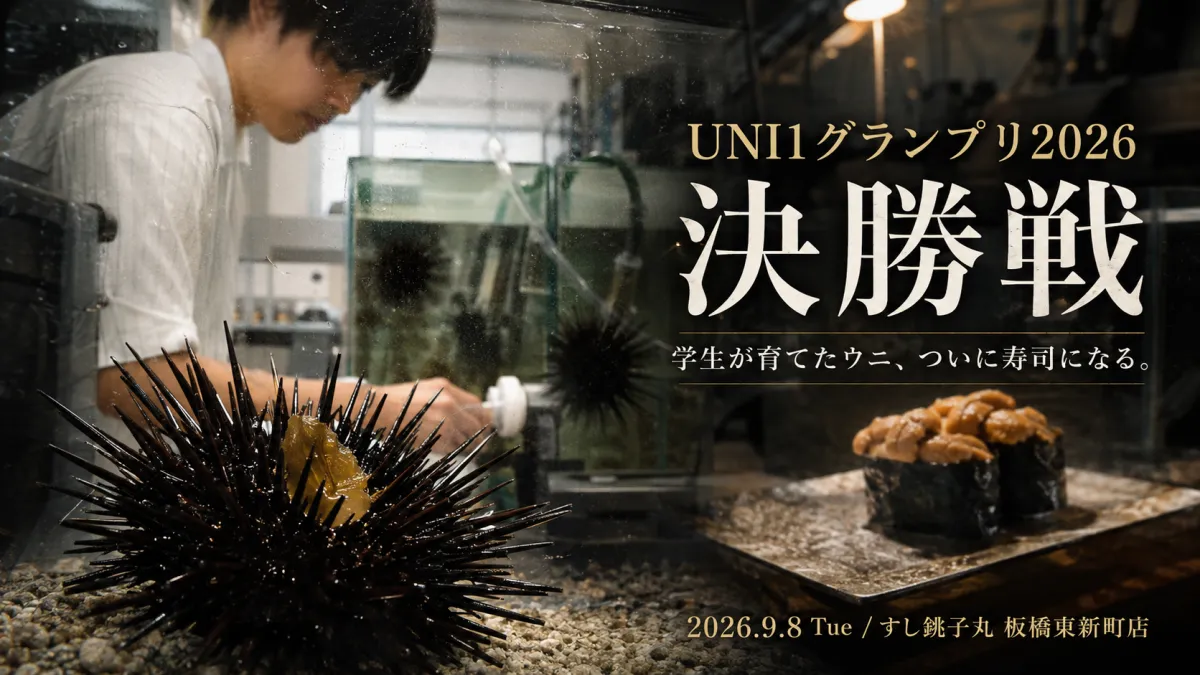
Uni Grown by Students to Transform Sushi Experience: The UNI1 Grand Prix 2026
UNI1 Grand Prix 2026: Students Cultivate Uni for Sushi Innovation
On September 8, 2026, at Sushi Choshimaru in Itabashi, the culmination of a unique student-led initiative will take place. The UNI1 Grand Prix 2026 aims to explore the impact of feed on the flavor of sea urchins, developed through a hands-on experience over three months.
A Culinary Experiment Begins
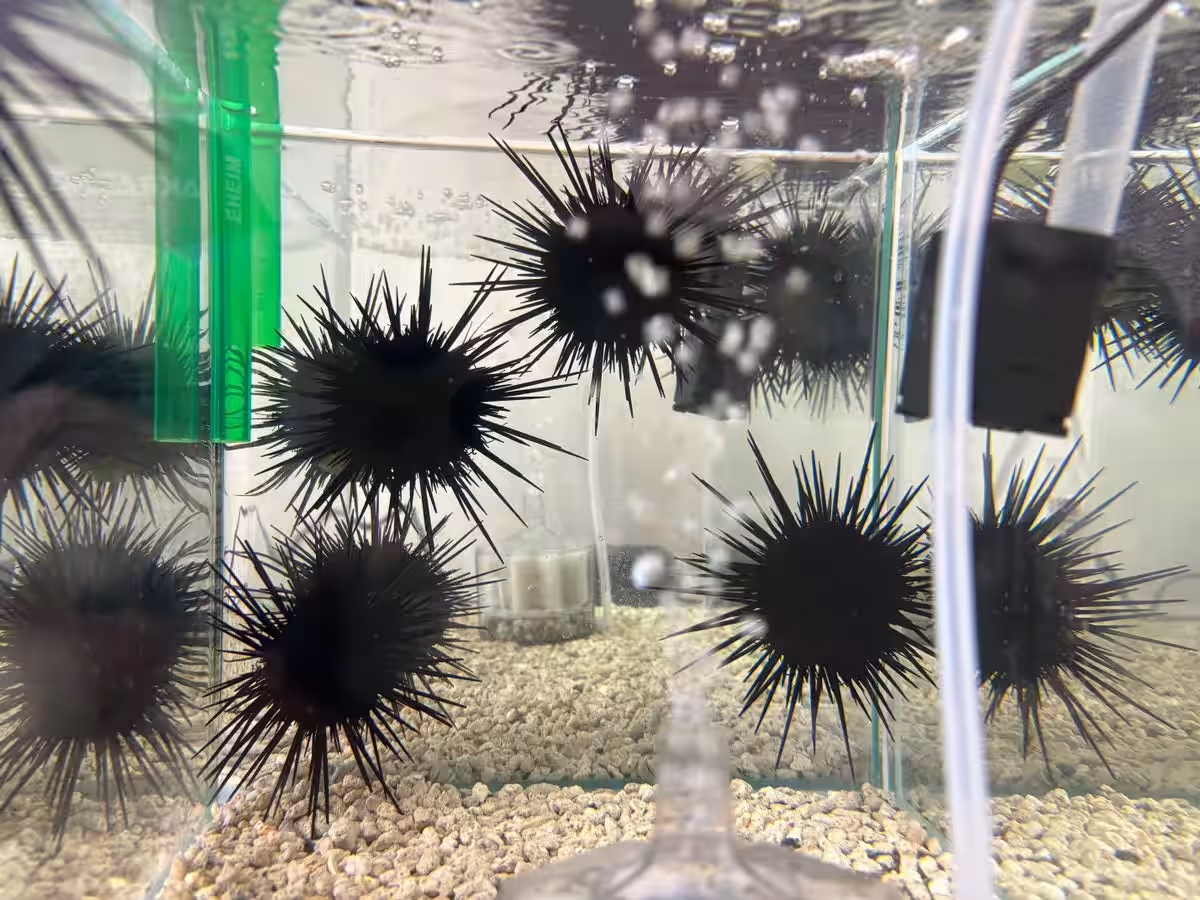
The objective was straightforward: "What should we feed sea urchins to make them more delicious?" Students from various backgrounds jumped into the challenge, experimenting with different types of feed to nurture their sea urchins in hopes of discovering the optimal diet.
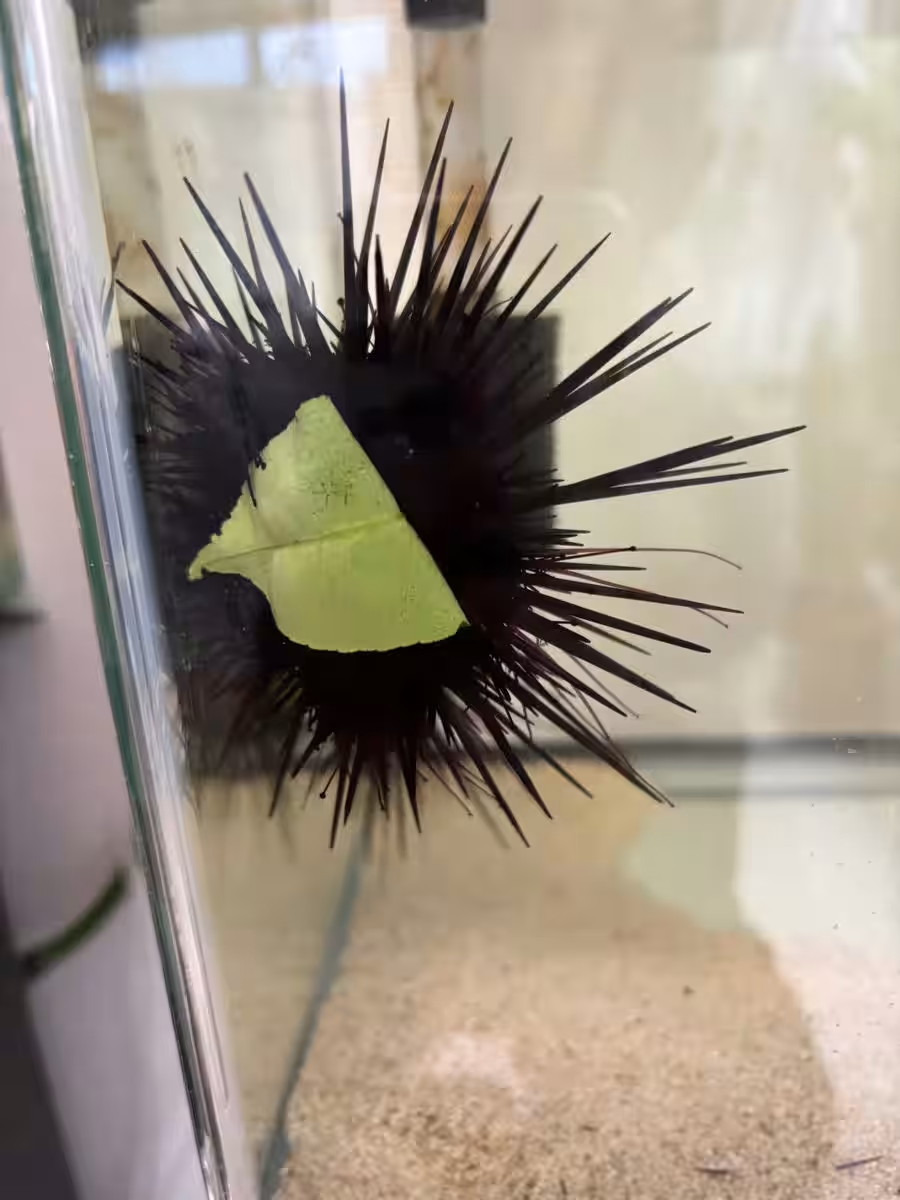
As they monitored the growth and behavior of the sea urchins, questions arose: "Are they eating? Are they growing? Will they taste good?" There were days filled with excitement and anxiety as students observed the behavior of their sea creatures. Each team was tasked with creating a unique feeding strategy, leading to intriguing combinations that extended beyond the conventional seaweed.
Innovative Feeding Strategies
- Yuzu Leaves: Sourced from the president's home, aromatic leaves aimed to impart a delightful fragrance.
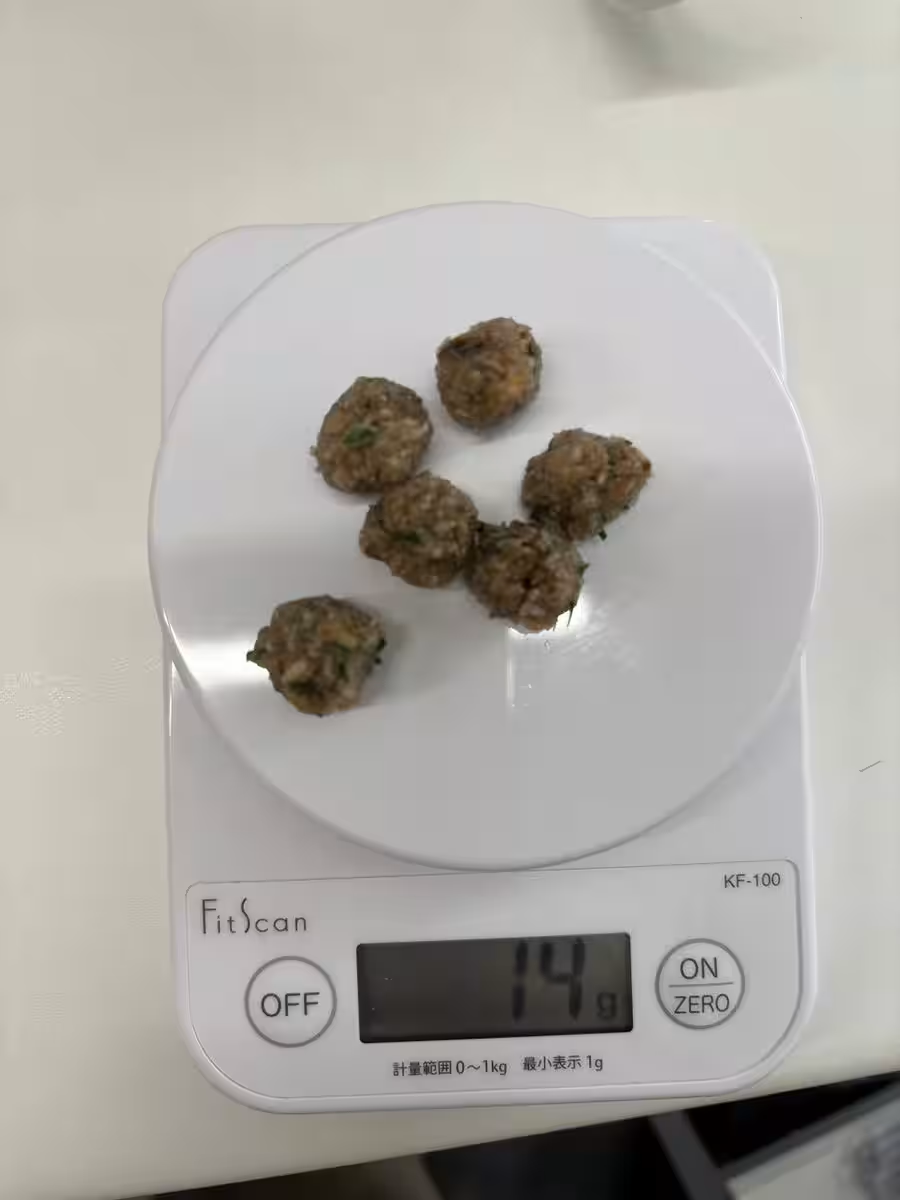
- Recycled Barley Feed: Utilizing waste from a local brewery, students aimed to nourish their sea urchins sustainably.
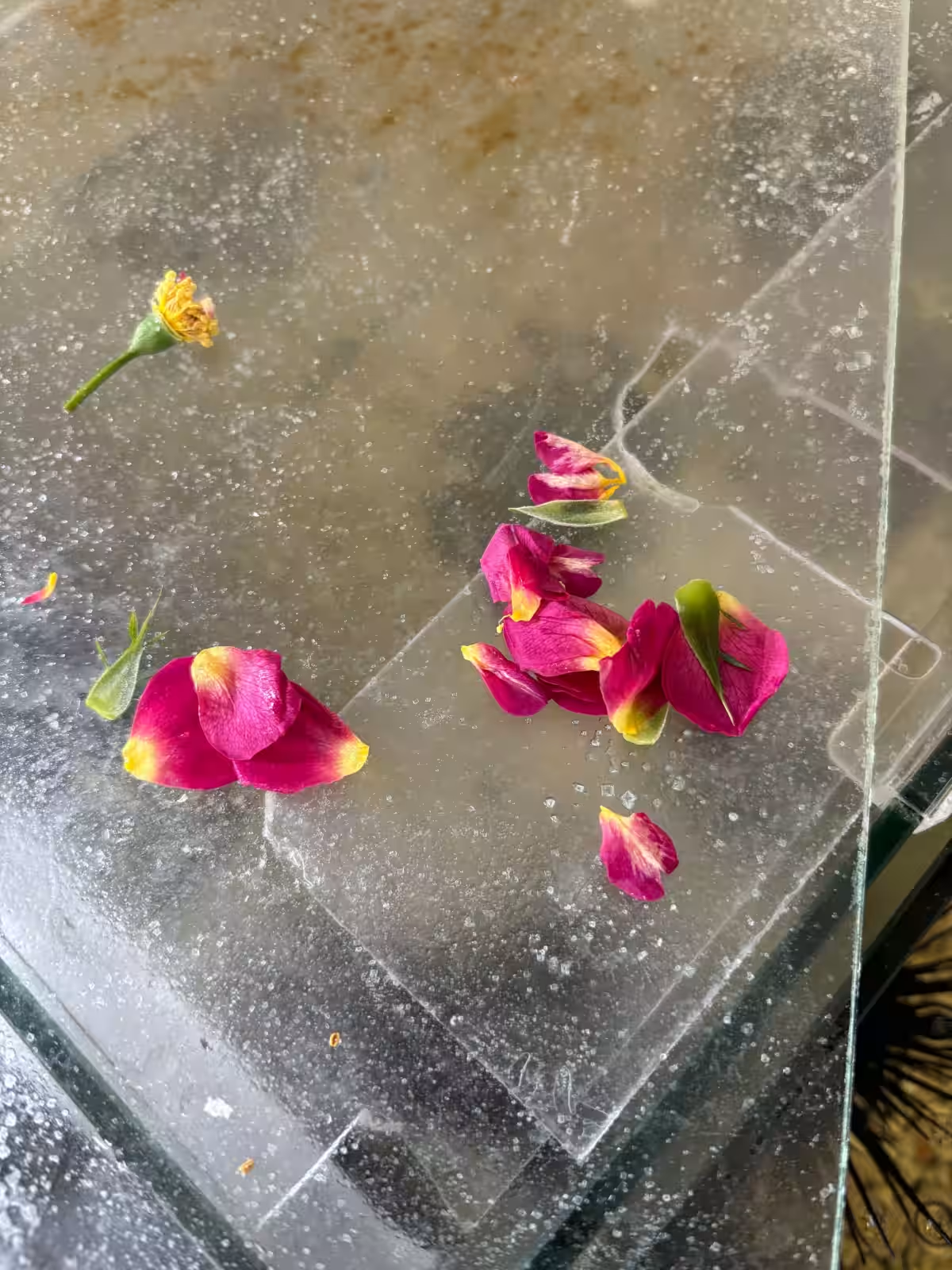
- Roses: Aiming for an aesthetic and flavorful enhancement, teams experimented with rose petals.
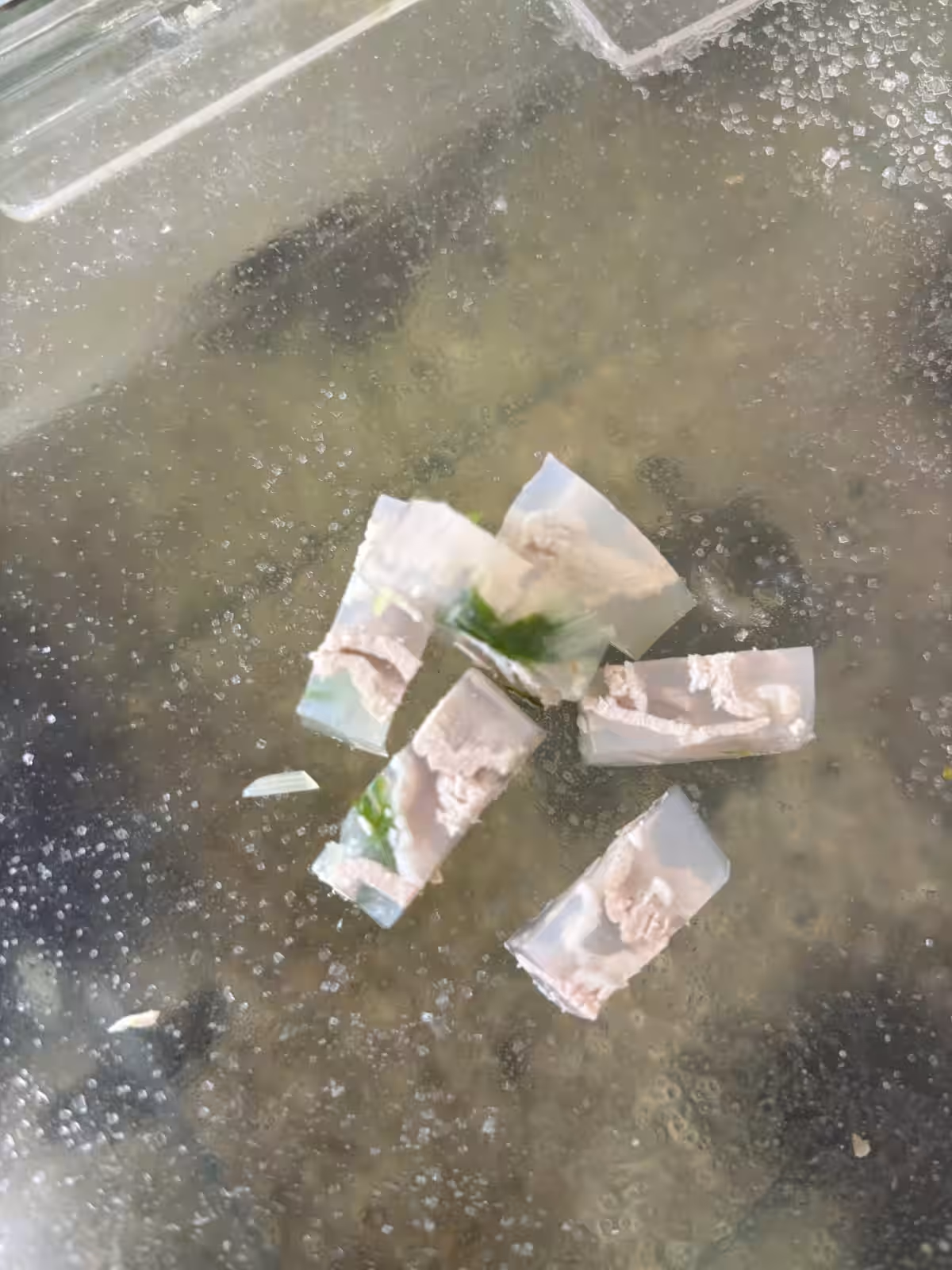
- Pork Shabu: Boldly trying human cuisine as sea urchin feed to see if it would enhance taste.
The Big Day: September 8th
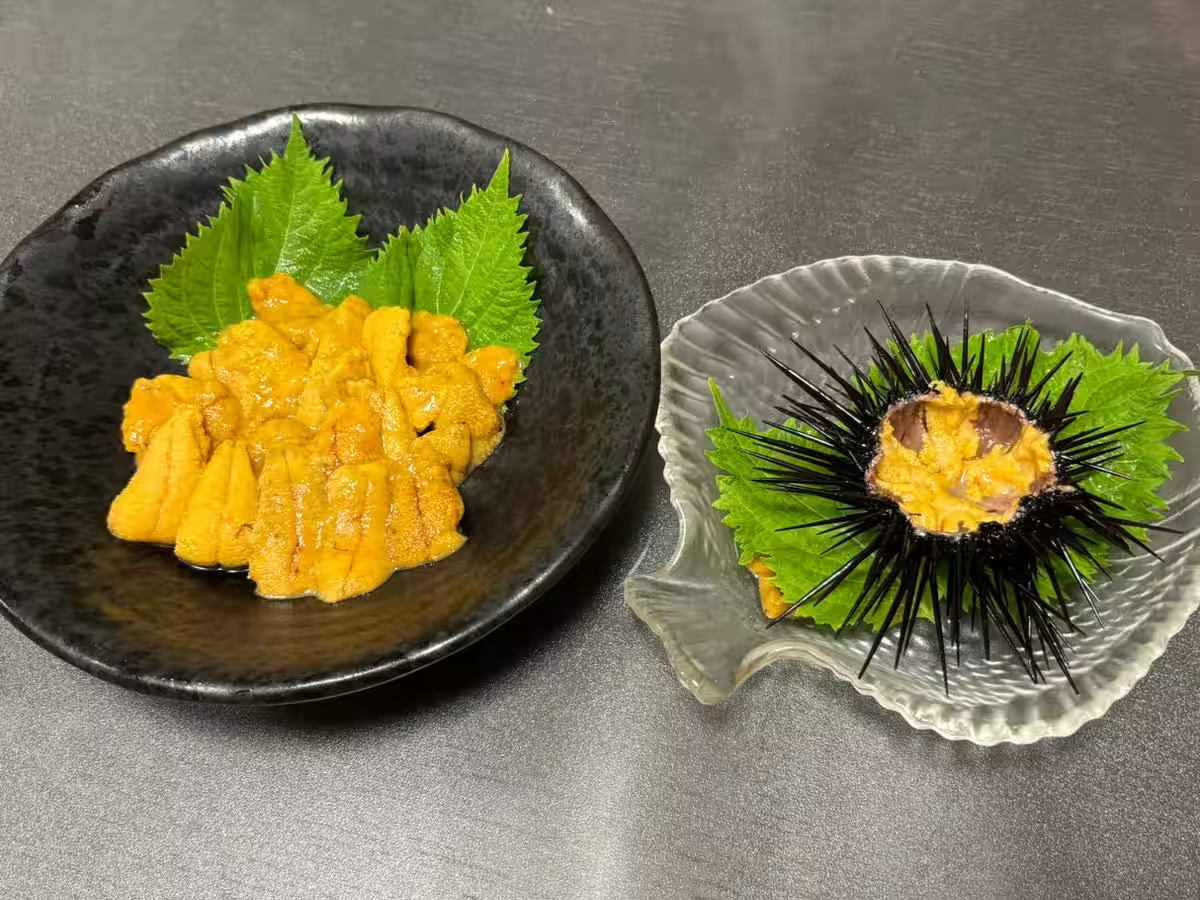
The day of reckoning is finally here. Following presentations from each team on their journey and findings, the moment of truth arrives as sushi chefs from Choshimaru will prepare the cultivated sea urchins for tasting and evaluation. Key factors such as appearance, aroma, sweetness, depth of flavor, and ultimately, which sea urchin reigns supreme will be carefully judged.
While students are excited about the competition, it’s important to remember that success is not just about winning. The ultimate prize encompasses a cash award of 100,000 yen and the right to name the 'Itabashi Sea Urchin' brand if their sea urchin proves exceptional enough.
Behind the Scenes of the Evaluation Process
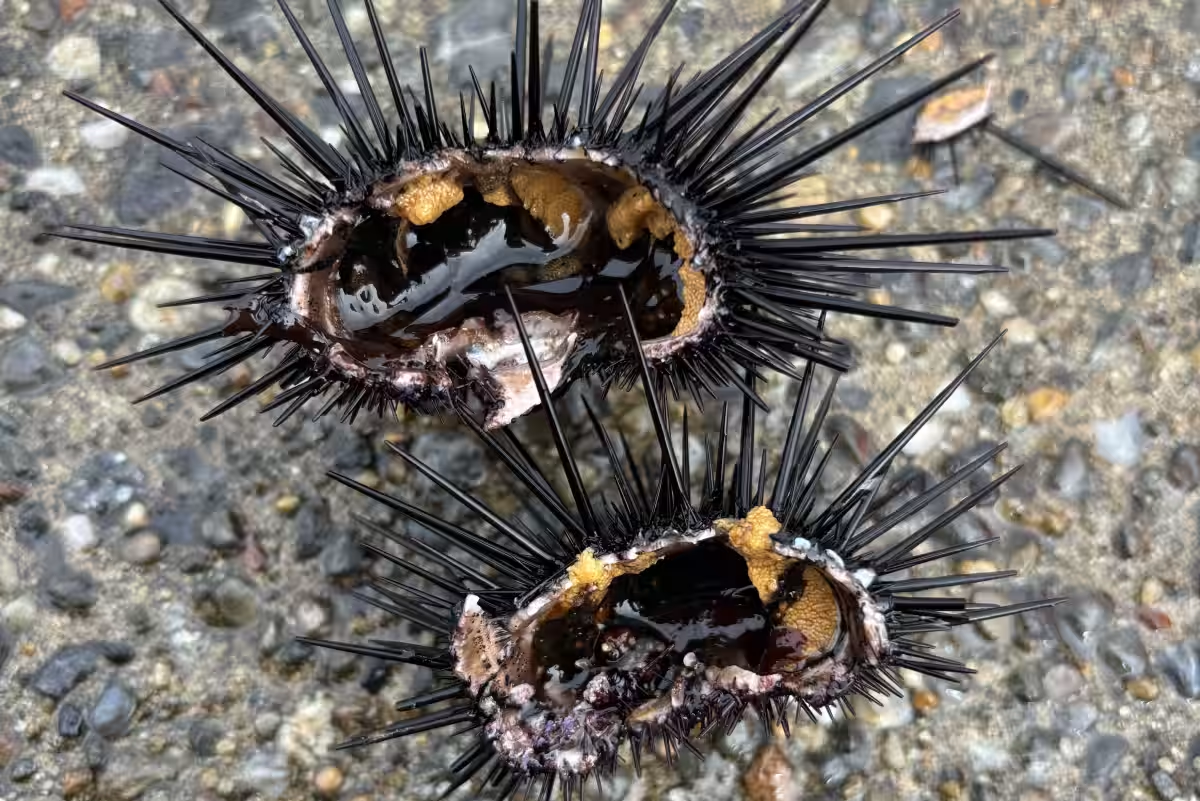
From the outset, it's important to note that while appearances could be alluring, the real test lies within the flesh of the urchin. It remains uncertain how well-fed each sea urchin actually is until the moment they are opened. Students must grapple with the unpredictability of their project – an urchin may appear impressive, yet reveal a disappointing interior upon inspection.
The UNI1 Grand Prix Experience
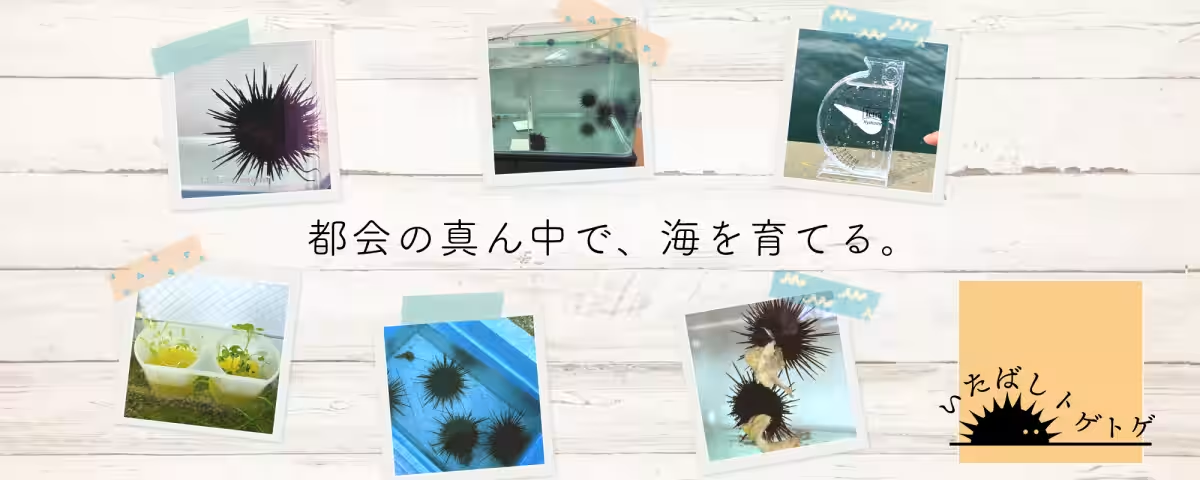
The UNI1 Grand Prix doesn’t just evaluate sea urchin qualities; it also serves to connect students with real-life implications of aquaculture practices. As they delve into agricultural research, they learn about the sustainable cultivation of produce even in urban environments like Itabashi, away from the ocean’s nurturing depths.
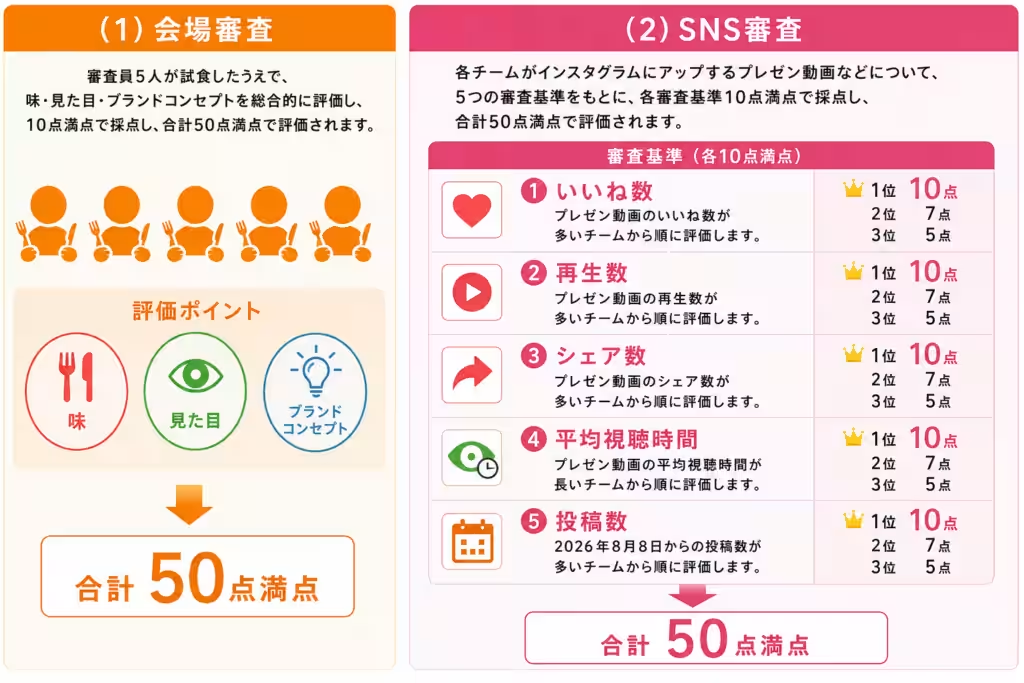
The event is hosted by Itabashi Togetoge Co., Ltd., which aims to pioneer land-based cultivation of sea urchins and incorporates students into a foundational educational experience. With the ultimate question being, "Which sea urchin is the tastiest?", the answer will necessitate tasting and evaluation from both expert judges and public voting via social media.
An Exclusive Invitation
While the grand finale of the UNI1 Grand Prix will not be open to the general public, the excitement will be captured and shared through various media channels. Streaming live updates and results will allow everyone to witness the momentous occasion as participants, judges, and press come together to celebrate innovation and hard work.
As the event unfolds on September 8, questions will linger: Do the flavors of sea urchins truly shift based on their diets? Can the most popular choices on social media match the reality of taste? Only by partaking in the grading of the various sea urchins will the true winner reveal itself.
In this vibrant atmosphere of culinary exploration, insights into sea urchin cultivation will not just foster a deeper appreciation for the gastronomical delicacy but also pose challenging questions about sustainability and innovation in the world of aquaculture. Don’t miss this exciting journey of discovery, where students close in on answers that will shape their culinary future.


Topics Consumer Products & Retail)







【About Using Articles】
You can freely use the title and article content by linking to the page where the article is posted.
※ Images cannot be used.
【About Links】
Links are free to use.