



Understanding the Differences Between Summer and Winter Colds for Better Health
Understanding Summer and Winter Colds
Colds are common ailments that can affect us throughout the year, but their symptoms and underlying causes can vary significantly depending on the season. As we step into the hotter months, it's essential to differentiate between summer and winter colds, understanding their unique risks and preventive measures. Dr. Eiji Kusumi, a specialist in internal medicine and hematology, elaborates on these differences and offers valuable tips on how to stay healthy during summer.
Why Do Summer Colds Feel Different?
Typically, winter colds are caused by viruses such as influenza and rhinovirus, which primarily manifest respiratory symptoms like coughing, sore throat, nasal congestion, and fever. The dry winter air facilitates droplet transmission through sneezing and coughing, increasing the chances of coming into contact with contaminated surfaces and spreading these viruses.
On the other hand, summer colds are largely attributed to viruses like adenovirus, enterovirus, and coxsackievirus that thrive in warmer, more humid environments. These can lead to symptoms such as sore throat, abdominal pain, diarrhea, and fever. One significant mode of transmission is through the fecal-oral route; these viruses are expelled through saliva and feces, contaminating surfaces like doorknobs and public transport handles. This emphasizes the importance of hand hygiene, particularly washing hands with soap before meals.
Symptoms and Risks of Summer Colds
Summer colds can also be accompanied by gastrointestinal distress and a strange combination of heat and chills, which is less common with winter colds. Dr. Kusumi explains that individuals may experience a “draining but short-lived” illness, resulting in fatigue more quickly than with winter cold. Factors such as high temperature, humidity, and the stress of transitioning between hot environments outdoors and air-conditioned spaces indoors contribute to this sensation of exhaustion. Disturbances in sleep quality, dehydration from sweating, and reduced appetite further compromise our immune systems, making us more susceptible to these summer viruses.
Preventive Measures: Nutrition and Lifestyle
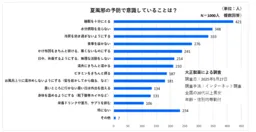
Given that summer colds have unique viral profiles and additional risk factors like fatigue and compromised immunity, it is vital to focus on both nutrition and lifestyle changes to mitigate the risk of becoming ill.
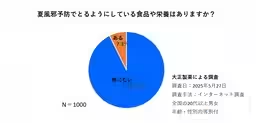
Key Nutrients for Summer Cold Prevention:
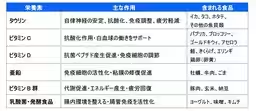
1. Taurine – This amino acid, found abundantly in seafood, plays crucial roles in regulating cell osmotic pressure and stabilizing the autonomic nervous system. Consuming foods like squid and octopus can help combat summer fatigue and restore balance.
2. Vitamin C – Known for its antioxidant properties, vitamin C supports immune function by enhancing the activity of white blood cells. Refreshing fruits like gold kiwifruit and vegetables such as broccoli and bell peppers are great sources.
3. Zinc – An essential mineral that boosts immune cell activation and can be found in oysters, beef, and nuts.
4. B Vitamins – Crucial for energy metabolism and maintaining mucosal health, these vitamins are found in pork, natto, and whole grains.
5. Vitamin D – While the body produces this nutrient through sun exposure, it can also be obtained from certain foods. Vitamin D supports immune response and helps balance the immune system.
6. Probiotics – Keeping gut health in check with fermented foods like yogurt and kimchi can enhance overall immunity.
Lifestyle Adjustments for Summer Health:
Proper adjustments to indoor temperatures, moderate use of air conditioning, and maintaining a comfortable environment can help mitigate the adverse effects of summer heat. Dr. Kusumi advises setting air conditioning units to maintain a temperature difference of no more than five degrees from the outside temperature to avoid shocking the body.
Another crucial practice is to incorporate ritual bathing rather than solely relying on quick showers. Immersing oneself in warm baths below 41°C can help calm the autonomic nervous system and improve sleep quality. Hand hygiene and regular oral care remain fundamental to reducing the risk of infection.
Conclusion
Summer colds require a different approach than their winter counterparts, from prevention to treatment strategies. By consuming essential nutrients and adjusting lifestyle habits, individuals can bolster their immune defenses and adopt a more resilient approach to summer health. As we head into the warmer months, remember to incorporate these practices and stay proactive in your health journey. With proper knowledge and strategies, we can thrive in this summer season.

Topics Health)
【About Using Articles】
You can freely use the title and article content by linking to the page where the article is posted.
※ Images cannot be used.
【About Links】
Links are free to use.