



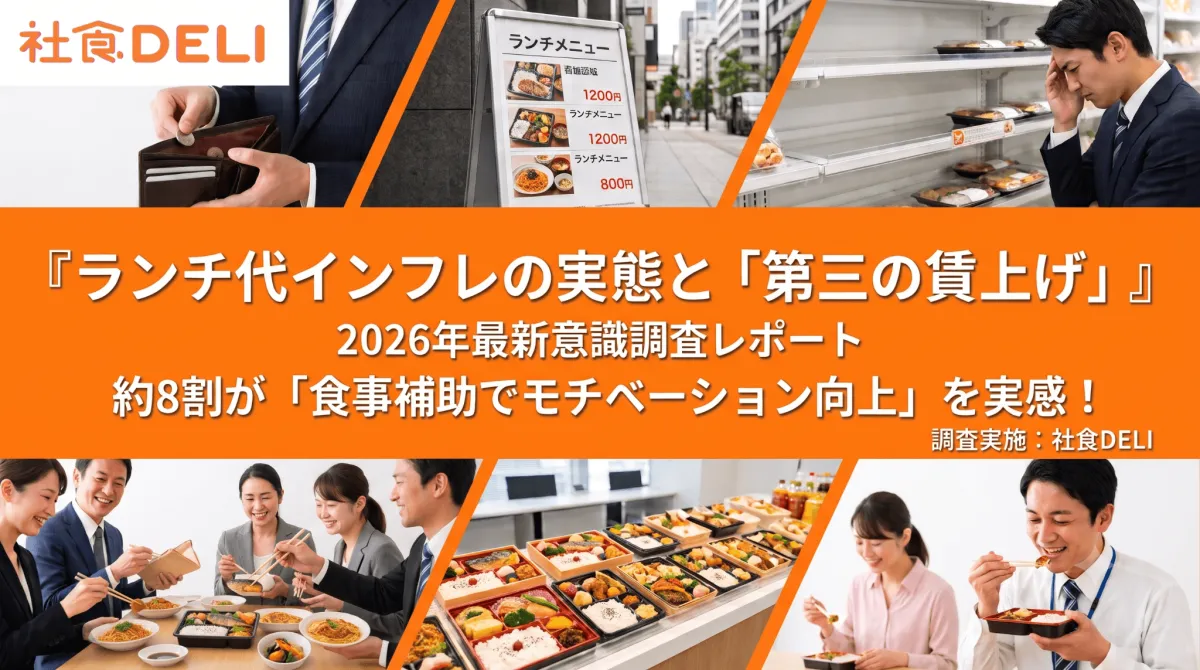
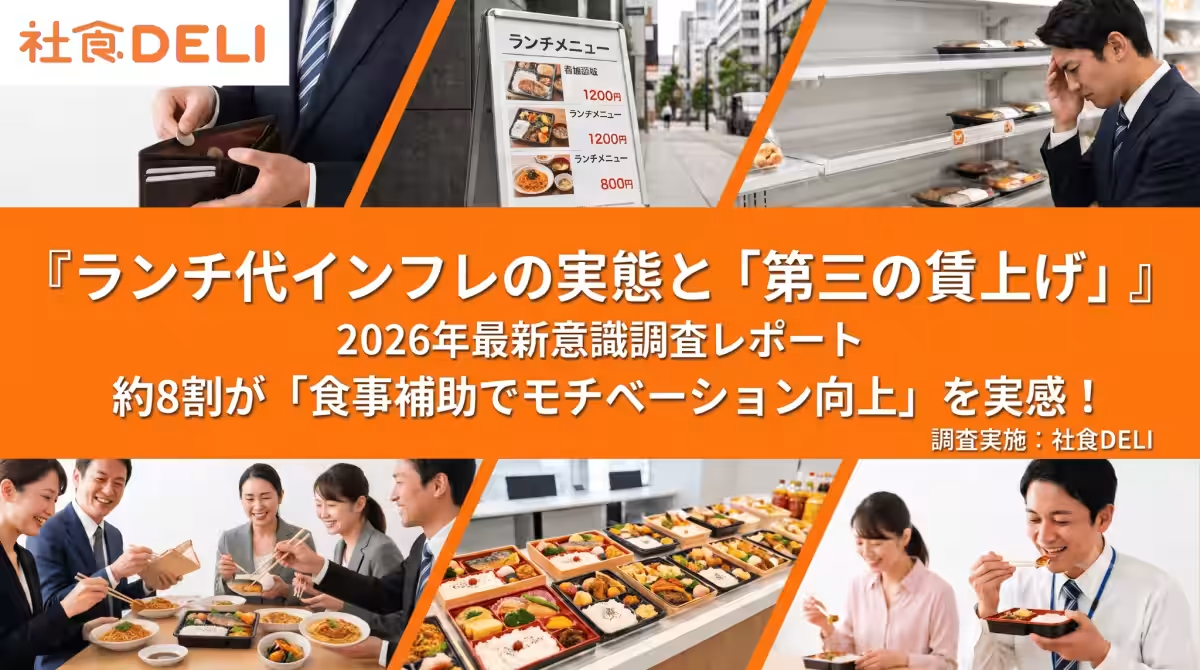
WaO Corporation Conducts Survey on Lunch Price Inflation and Meal Subsidy Perceptions in 2026
An In-Depth Look at WaO Corporation's Lunch Cost Survey
In 2026, WaO Corporation, headquartered in Shibuya, Tokyo, conducted a survey titled "Perceptions Regarding Lunch Price Inflation and Meal Subsidies" targeting 400 corporate employees in the Kanto region. This initiative aims to understand the impact of rising prices on lunch expenses and the awareness regarding the increase in the non-taxable meal subsidy limit, effective from April 2026.
Key Findings of the Survey
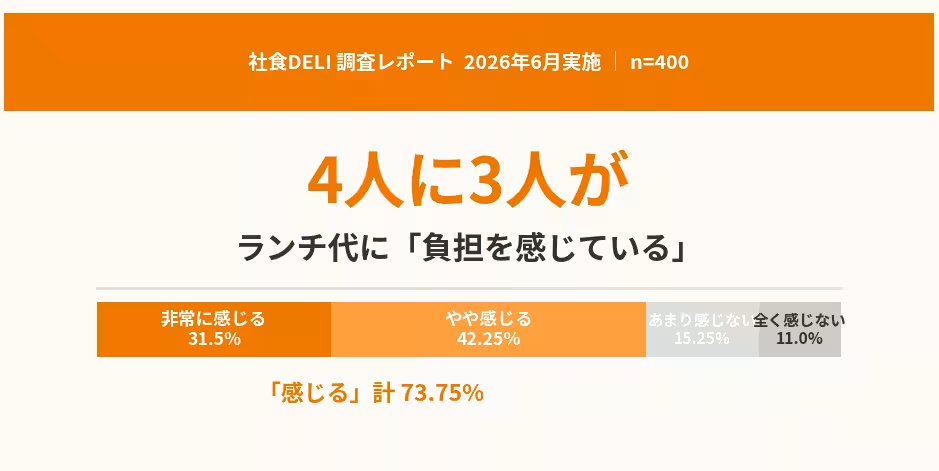
1. Pressure of Rising Lunch Costs: A staggering 73.75% of respondents indicated they feel burdened by lunch costs. The survey asked whether the current price situation affects their lunch expenses. The overwhelming majority, comprised of those who answered 'very much' and 'somewhat', revealed a strong correlation between rising prices and increasing daily expenses for working professionals.
2. Increasing Lunch Prices: The average lunch expenditure has crossed the 700 yen mark, with about 41.75% of participants spending between 700 and over 1,000 yen per meal. This signals a significant shift from the past norm of affordable 'one coin' lunches (500 yen), suggesting a change in the eating habits of the workforce due to economic factors.
3. Dissatisfaction with Lunch Environment: When asked about their lunch environment, employees expressed dissatisfaction on two major grounds: the high cost of meals and the limited choices available nearby, accounting for 42.75% and 41.0% of responses, respectively. Additional sentiments included frustration over crowded convenience stores and restaurants, as well as the inadequacy of existing subsidy options, highlighting four major areas of stress in lunch experiences: cost, choice, time efficiency, and employee benefits.
4. Lack of Awareness about Meal Subsidies: Only 22.5% of the participants recognized the increase in the non-taxable meal subsidy limit (from 3,500 yen to 7,500 yen per month). This leaves a vast 77.5% unfamiliar with this potentially beneficial policy shift, which could enhance employee take-home pay without incurring additional tax burdens. This finding underscores the urgent need for greater communication around this subsidy for both companies and employees.
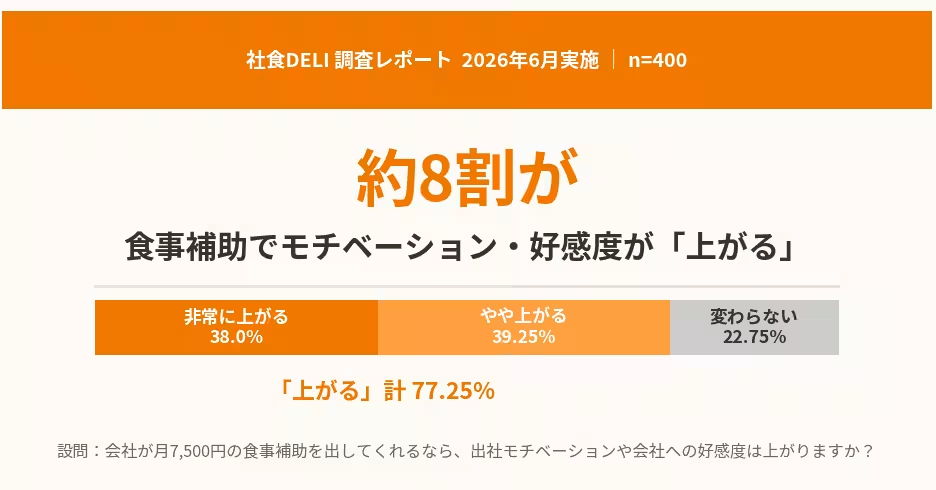
5. Positive Impact of Meal Subsidies: On a hopeful note, nearly 77.25% of participants stated that receiving a monthly meal subsidy of 7,500 yen (approximately 350 yen per day) would enhance their motivation to come to the office and boost their perception of the company. This statistic serves as a clear indicator that meal support could directly affect employee engagement positively.
About the Survey
The survey, which was conducted by Freeasy in June 2026, focused on employees across various industries in the Kanto region and yielded valid responses from 400 participants. The methodology involved an online survey, rendering a comprehensive overview of employees' sentiments about lunch costs in the current economic landscape.
WaO Corporation's Service: Shashoku DELI
In response to the mounting concerns regarding lunch options in the workplace, WaO Corporation operates Shashoku DELI, a service that leverages unused office space to offer a variety of daily bento options prepared by on-site staff. This service not only minimizes initial investment and inventory management burdens but also enhances the lunch experience of employees, contributing to a more conducive workplace atmosphere.
Key Features of Shashoku DELI:
- - Diverse menus offering over 30 options of Japanese, Western, and Chinese cuisines, including seasonal dishes.
- - Simplified management with staff detailing order placement, sales, and setup.
- - No initial infrastructure investment, facilitating smooth implementation at workplaces.
- - Meals available from 350 yen upwards, enhancing satisfaction through potential subsidy utilization.
Conclusion
WaO Corporation continues to support corporate well-being through innovative meal service offerings tailored to employees' needs, while addressing crucial challenges stemming from lunch price inflation. As the dialogue around meal subsidies progresses, it becomes imperative for both the corporate sector and employees to stay informed and engaged regarding such beneficial policies.
Topics Consumer Products & Retail)


【About Using Articles】
You can freely use the title and article content by linking to the page where the article is posted.
※ Images cannot be used.
【About Links】
Links are free to use.