



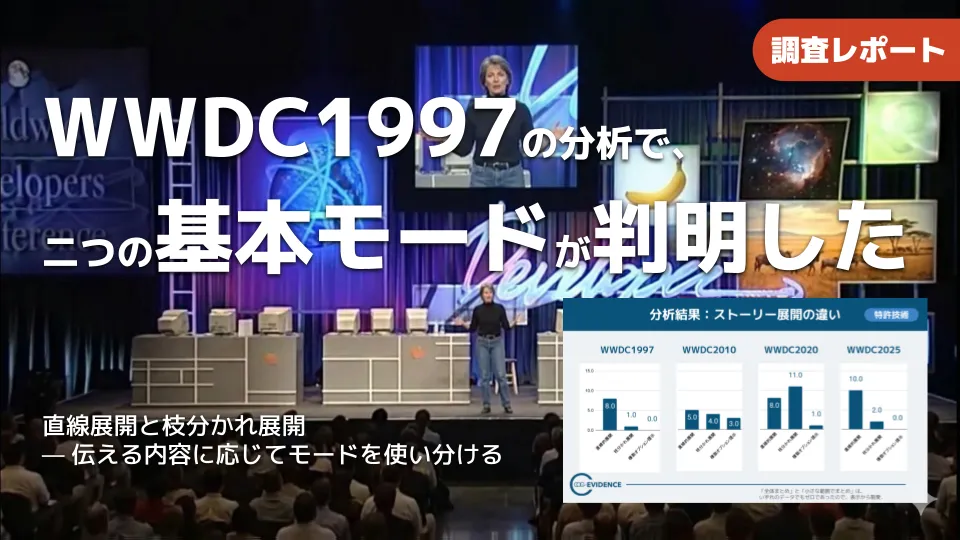
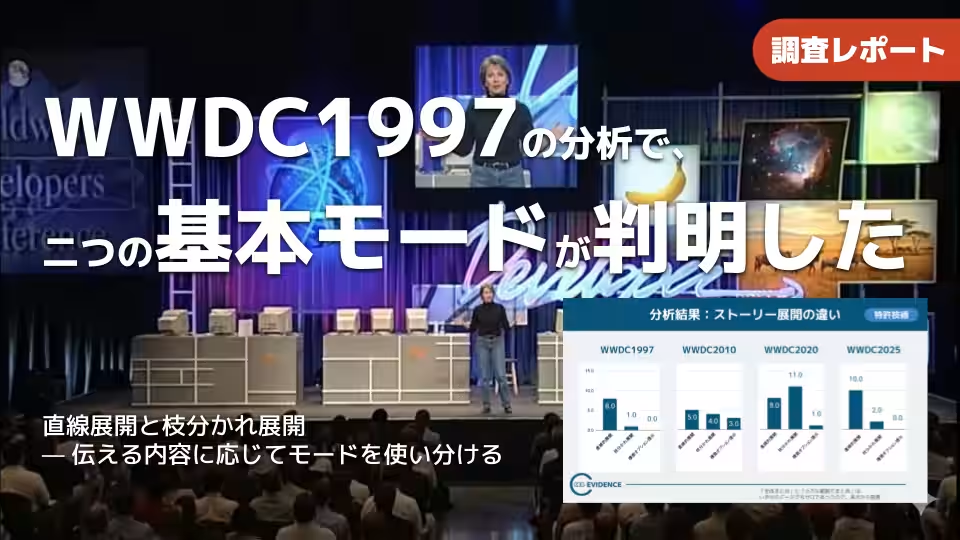
Cognitee's Innovative Analysis Reveals Insights from Steve Jobs' Legendary WWDC 1997
Understanding WWDC 1997: A Comparative Analysis
In a groundbreaking study, Cognitee, a Tokyo-based company specializing in AI-driven organizational analysis, has delved into the intricacies of Steve Jobs' iconic keynote at the Worldwide Developers Conference (WWDC) in 1997. This momentous event is often seen as a pivotal point in Apple's history, and Cognitee's analysis aims to unpack its nuances by comparing it to subsequent WWDC events held in 2010, 2020, and forecasts for 2025.
Background of the Study
Recent trends in corporate keynote speeches suggest that the amount of information delivered by CEOs is continually increasing. This surge presents a unique challenge: as the speed and volume of information rise, the audience's ability to comprehend and retain this data lags. Cognitee has previously demonstrated through analyses of high-growth companies, including Apple’s WWDC and SoftBank World, that differences in communication design can significantly influence audience understanding and reception.
The impetus for this analysis was to reassess the 1997 keynote, often referred to as a “singularity” in the history of WWDC, using the same metrics applied to the upcoming WWDC 2025 and those applied in earlier years. The aim was to identify recurring fundamental modes of communication that appear across these events.
Methodology of the Analysis
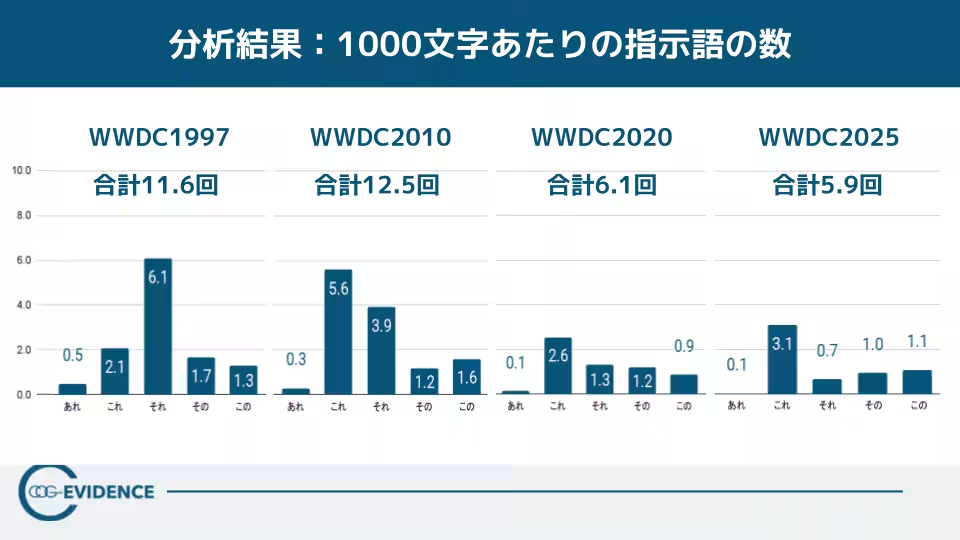
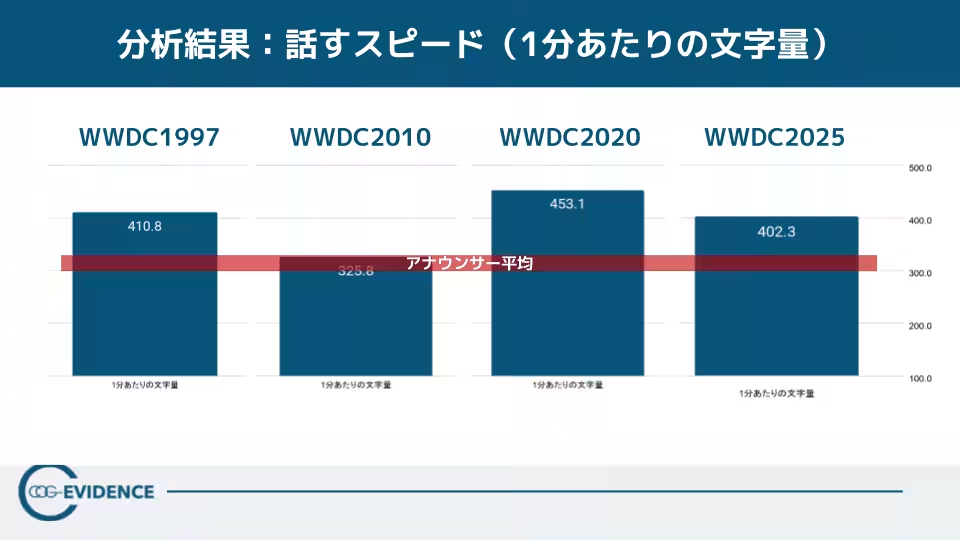
Using its proprietary technology, CogStructure, Cognitee compared the speech structures and content of the keynotes across the specified years. Key metrics included: story development (linear vs. branching), the frequency of fillers and directives (per 1,000 words), speaking rate (characters per minute), topic structure, and primary topics addressed.
Key Findings of the Study
Result 1: Linear Storytelling Mode
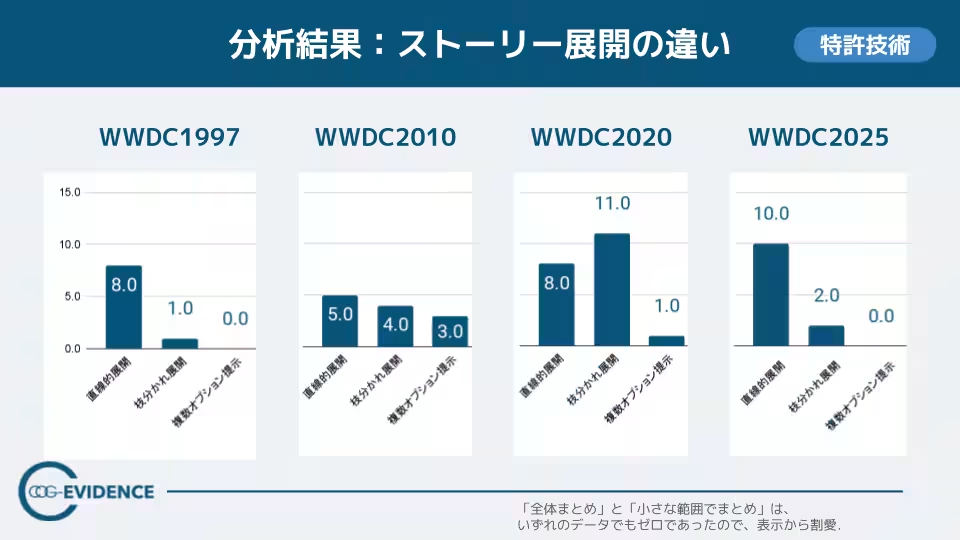
One of the standout conclusions from this analysis was the identification of a “linear storytelling mode” shared by both WWDC 1997 and the forecasted WWDC 2025. Cognitee's earlier analysis of WWDC 2025 highlighted its emphasis on maintaining a strong main line while progressing through the narrative. Similarly, the analysis of WWDC 1997 revealed a comparable inclination towards straightforward advancements in storytelling, as evidenced by a high score in linear development. Therefore, WWDC 1997 should not be viewed in isolation; rather, it exemplifies a recurring linear storytelling mode within WWDCs.
Result 2: The High Live Feel of WWDC 1997
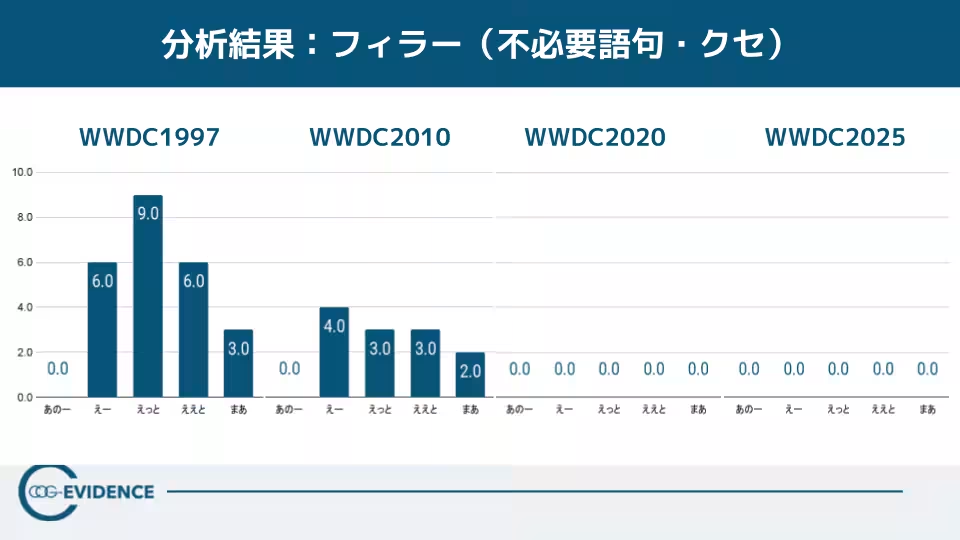
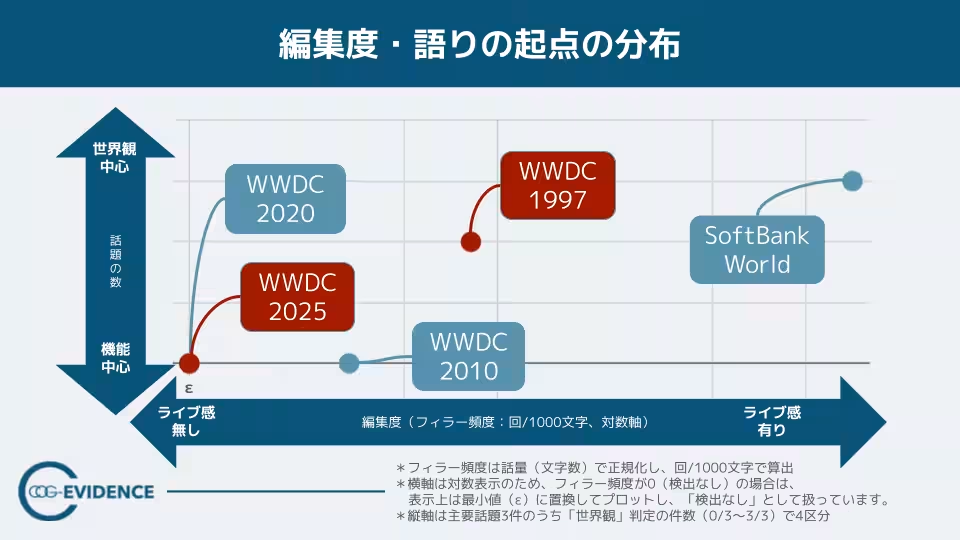
Cognitee's investigations into the dimensions of live versus recorded content indicated that WWDC 1997 possessed a higher level of “live feel.” While WWDC 1997 exhibited numerous fillers and directives, reflecting a palpable tension and engagement level, the upcoming 2025 keynote showed a significant absence of fillers. This positional distinction underscores that, despite similar speaking rates, the delivery of WWDC 1997 was perceived as a more dynamic live experience than that of WWDC 2025, which presented a more polished and structured delivery.
Result 3: Worldview versus Function in Content Approach
A further dimension observed was the thematic approach of the two keynotes. The analysis revealed that WWDC 1997 focused more on a worldview whereas WWDC 2025 honed in on functional topics. This shift signifies a change in how Apple articulates its vision to the audience, from a narrative steeped within a broader context to one that is more functionally driven.
Result 4: Concentrated Topics in Presentations
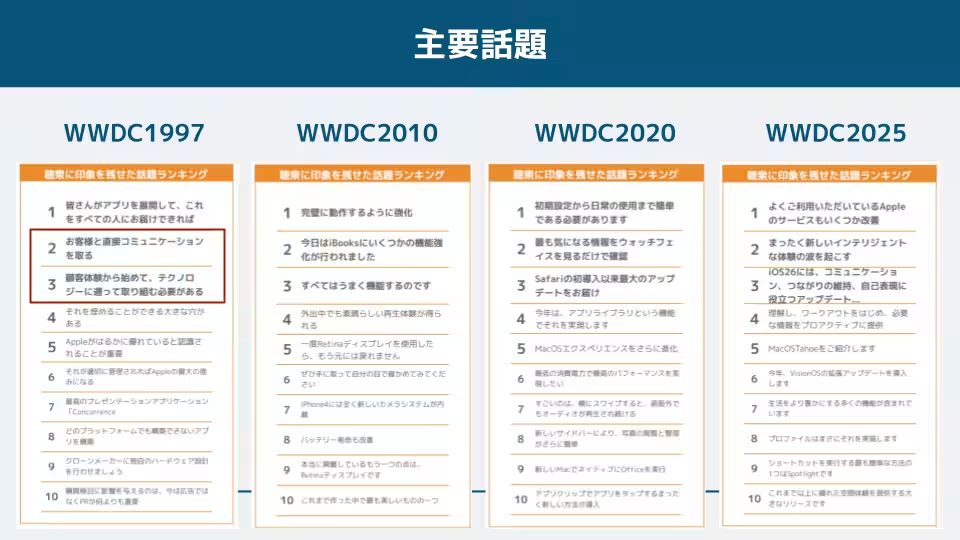
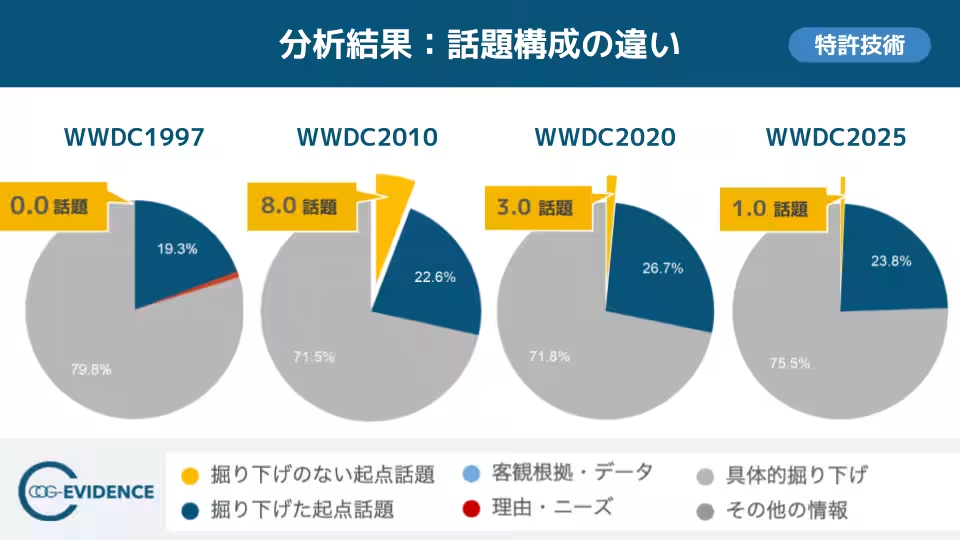
When evaluated in terms of topic structure, both WWDC 1997 and 2025 presented a concise number of themes with detailed elaboration, suggesting a focused approach to communicating key ideas. In contrast, the 2010 and 2020 keynotes presented a wider variety of topics, often lacking depth. Hence, it can be concluded that WWDCs 1997 and 2025 share a fundamental design philosophy that emphasizes thorough exploration of fewer topics, whereas 2010 and 2020 adopted a broader and more diluted approach.
Implications for Future Keynotes
From these findings, Cognitee has gleaned that communication strategies in WWDC keynotes do not rely solely on simple linear or branching narratives. Instead, they seem to employ combinations of distinct design variables tailored to the content being communicated. The concept of “transmission design” will be elaborated upon, taking into account the nuances of delivery quality, narrative starting points, and the manner in which key topics are introduced.
Cognitee continues to provide valuable insights that empower organizations to refine their communication strategies effectively. By parsing the structures of speech and presentation, firms can transform raw data into actionable insights, ultimately enhancing their ability to convey information clearly and effectively.
About Cognitee
Cognitee specializes in leveraging qualitative information quantification technologies through a deep understanding of communication structures. Founded in 2013 and headquartered in Tokyo, the company envisions a society where technology minimizes thought bias. With a dedicated team aiming to assist organizations in optimizing their communication processes, Cognitee has received recognition for its innovative approach to problem-solving in corporate communications.

Topics Entertainment & Media)
【About Using Articles】
You can freely use the title and article content by linking to the page where the article is posted.
※ Images cannot be used.
【About Links】
Links are free to use.