



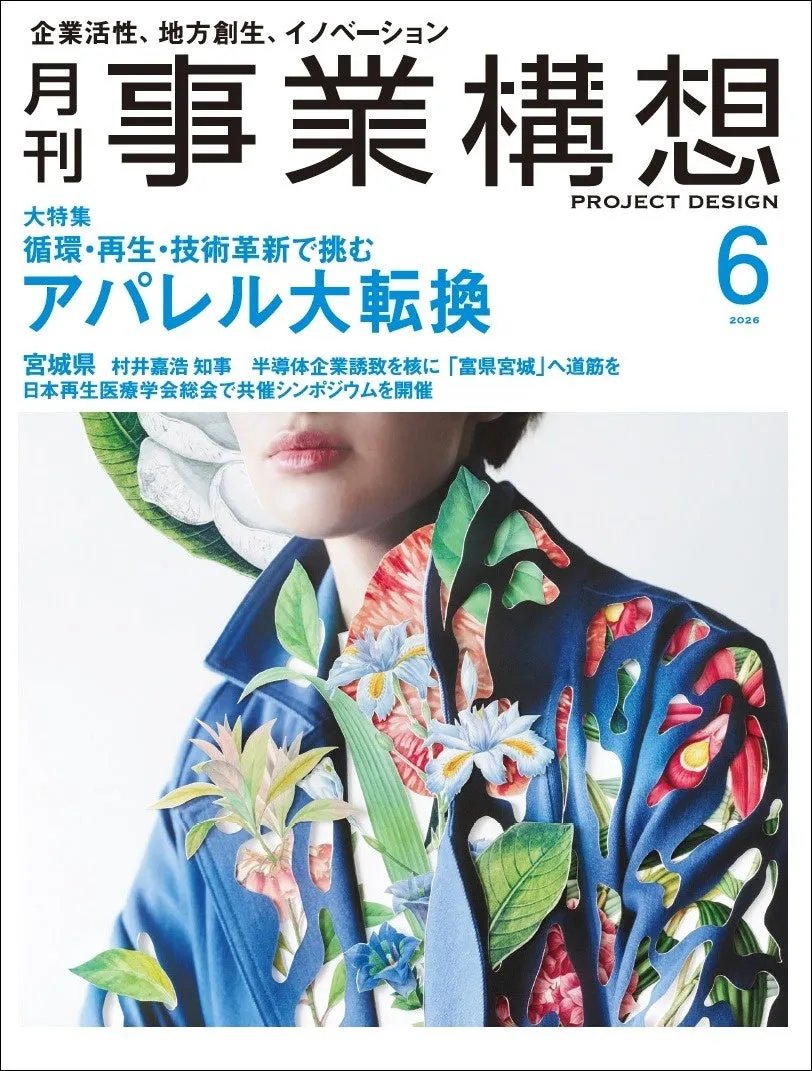
Major Transformation in Apparel: Embracing Sustainability and Innovation for the Future
Major Transformation in Apparel: Embracing Sustainability and Innovation for the Future
On May 1, 2026, the Project Design University launched the June issue of its esteemed magazine, focusing on the critical transformation occurring within the fashion industry. The publication shines a light on the urgent need for sustainable practices, highlighting the shift from mass production to a more thoughtful approach rooted in recycling, restoration, and technological advancements.
The Impending Shift in the Fashion Landscape
For years, the fashion industry has faced criticism due to its excessive waste and environmental impact. In a bid to tackle these pressing issues, the Japanese government has set forth an ambitious goal: to reduce waste by 25% by 2030. As part of this wider commitment to sustainability, numerous stakeholders across various sectors—including material manufacturers, retailers, and households—are actively striving to optimize the entire ecosystem of fashion.
Highlighting New Talent in Tokyo
A special feature in this edition discusses the emergence of new fashion designers in Tokyo, underscoring the importance of nurturing young talent in the fashion capital of Japan. On March 29, 2026, as part of the NFDT Inclusive Design competition, award-winning designs were showcased during the Paris Fashion Week, emphasizing the international impact of local talent.
Voices of Change in the Fashion Industry
The magazine presents perspectives from key industry players:
- - Naoki Hagiwara, Executive Officer at Urban Research, champions collaborative efforts towards circular fashion, suggesting that innovation often stems from shared ideas and teamwork.
- - Yasuhiro Tomita, President of Tomihiro, discusses the significance of preserving traditional industries and how they can be harnessed for future growth.
- - Ryota Takahashi, Executive Director at Renfro Japan, shares insights into creating thrilling, eco-friendly socks that reduce environmental impact effectively.
- - Masashi Shimizu, CEO of MicroBioFactory, explores solutions to denim production challenges through innovative biotechnology.
- - Nobuhiro Hasegawa, CEO of Working Hasegawa, illustrates how blockchain technology can help visualize the environmental impacts of medical clothing, paving the way for more sustainable practices.
Regional Spotlight: Miyagi Prefecture
The publication also features a special section on Miyagi Prefecture, highlighting the promising path of creative reconstruction following the Eastern Japan Earthquake. With high rates of agricultural plot renovations and advancements in smart agriculture, Miyagi is emerging as a 'food kingdom' that boasts top national production of crops like peppers and the fourth highest output in fisheries.
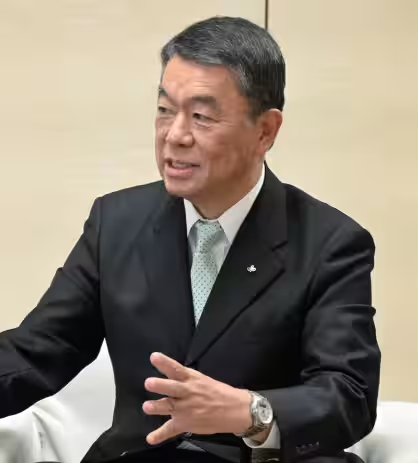
Governor Yoshihiro Murai, now on his sixth term, aims to attract global semiconductor companies to bolster the prefectural economy, alongside promoting startup growth and boosting inbound tourism. His vision for Miyagi is to lay down solid foundations for the future, channeling efforts into municipal DX initiatives and enhancing economic collaboration across the Tohoku region.
Local Businesses Making Waves
The magazine showcases notable local businesses blazing trails:
- - Akihiro Oyama, President of Iris Ohyama, who has created a unique system for generating hit products that address daily needs while empowering team governance and fostering talent development.
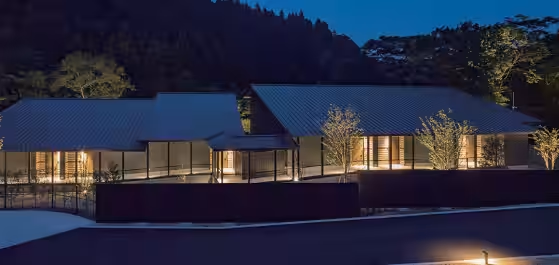
- - Ippei Ichijo, Representative of Ichijo Ryokan, introduces a new luxurious ryokan that blends tradition with modern comfort, focusing on locally-sourced cuisine.
- - Hiroki Kaku, President of Kousoku, discusses partnerships with local sports to improve recycling efforts in the community.
- - Masahiko Ichiryuu, President of Kahoku Shimpo, stresses the importance of local media in fostering community bonds and supporting regional narratives.
- - Yuka Izawa, CEO of Katsuhana Brewery, pioneers new cultural experiences through small-scale local production in a unique station-based brewery.
The Philosophy of Leadership
The issue concludes with insights from influential leaders:
- - Tomohiko Okubo, President of JSP, outlines goals for transforming ideas into market realities.
- - Takeshi Kuroda, President of Linet Japan Group, envisions a growth model based on community welfare partnerships.
- - Koji Maeda, CEO of a newly founded professional athlete venture, talks about unveiling new opportunities for athletes in evolving markets.
- - Yasuke Saka, CEO of Sakakucho Sohonke, emphasizes adapting to changing times while creating a contemporary gifting culture based on traditional values.
This issue not only reflects the present state of the apparel industry but also serves as a beacon of hope for a sustainable future. Readers are invited to explore stories of innovation and collaboration that challenge the status quo and suggest paths toward a circular economy in fashion.
The magazine, published by Project Design University, can be purchased for ¥1,300 at bookstores nationwide and is also available on Amazon.
For more, visit Project Design.








Topics Consumer Products & Retail)
【About Using Articles】
You can freely use the title and article content by linking to the page where the article is posted.
※ Images cannot be used.
【About Links】
Links are free to use.