



PARO the Seal Robot: Alleviating Caregiver Burden for Dementia Patients Through Scientific Evidence
Introduction
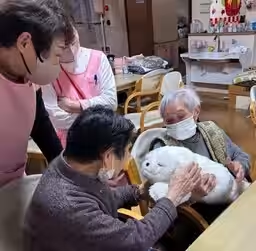
In an innovative study led by Professor Kaoru Inoue from Tokyo Metropolitan University's Graduate School of Human Sciences, an international research team has demonstrated the effectiveness of the socially interactive seal robot PARO in alleviating caregiver burden among dementia patients. The clinical trial was conducted in six group homes in Japan, focusing on 85 elderly individuals with dementia. In the study, participants were divided into two groups: one engaged with PARO three times a week, while the other interacted once a week, over a month-long randomized controlled trial (RCT).
Results
The results were compelling. The group that interacted with PARO three times a week saw a statistically significant reduction in caregiver burden compared to the once-a-week group. This decrease was verified through rigorous statistical analysis and was notable enough to be published in the prestigious journal, Alzheimer’s and Dementia, on February 17, 2026. The study's registered clinical trial ID is UMIN000037374.
Key Findings
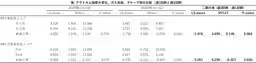
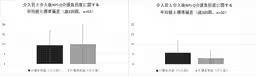
1. Significant Reduction in Caregiver Burden: Caregivers in the thrice-a-week group reported an average decrease in burden by 3.29 (p=0.030) compared to the other group.
2. Self-Directed Care: This model demonstrated that effective interactions could occur without constant intervention by professionals, potentially creating a sustainable care solution.
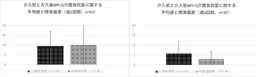
3. Alleviation of Behavioral and Psychological Symptoms (BPSD): Although the reduction in BPSD severity did not reach statistical significance (p=0.068), there was a clinically meaningful improvement, suggesting the robot's efficacy in managing symptoms associated with dementia.
4. Government Subsidy Opportunities: The introduction of PARO can benefit from public subsidies for caregiving companies, as recommended by the Japanese Ministry of Health, Labour and Welfare; this can significantly lower the initial investment required to implement such technology.
The Growing Need for Innovation in Dementia Care
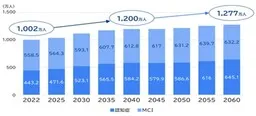
The World Health Organization (WHO) estimates that global dementia cases will rise to approximately 78 million by 2030, leading to an increasing financial burden on healthcare systems. Japan, facing a particularly high number of elderly requiring care, has projected that by 2040, the population needing assistance will surge to 1.197 million. With no cure for dementia, developing effective care strategies is ever more crucial.
Conclusion
The successful integration of PARO into caregiving routines represents a promising advancement in dementia care, providing an avenue not only for reducing caregiver stress but also for improving the quality of life for dementia patients. As our healthcare system grapples with a severe shortage of caregiving professionals, innovative solutions like PARO could play a vital role in reshaping the future of elderly care. The research from this trial highlights the potential for robots to complement human caregivers, thus ensuring that patients receive both the warmth of human interaction and the benefits of technological advancement.
References
- - Inoue, K., et al. (2026). A Randomized Trial Using PARO with Minimal Caregiver Involvement on Older Adults with Dementia in Group Homes. Alzheimer’s & Dementia. DOI: 10.1002/alz.71163

Topics Health)
【About Using Articles】
You can freely use the title and article content by linking to the page where the article is posted.
※ Images cannot be used.
【About Links】
Links are free to use.