



Recent Survey Shows Changing Trends in Women's Condominium Purchases in Japan
Shifting Trends in Women's Condominium Purchases in 2026
The "Research Institute for Comfortable Living for Women" recently conducted a survey focusing on women who have purchased condominiums within the last five years. The insights drawn from the 478 female participants highlight evolving trends in the real estate market and the factors influencing their decisions.
A Snapshot of Participants
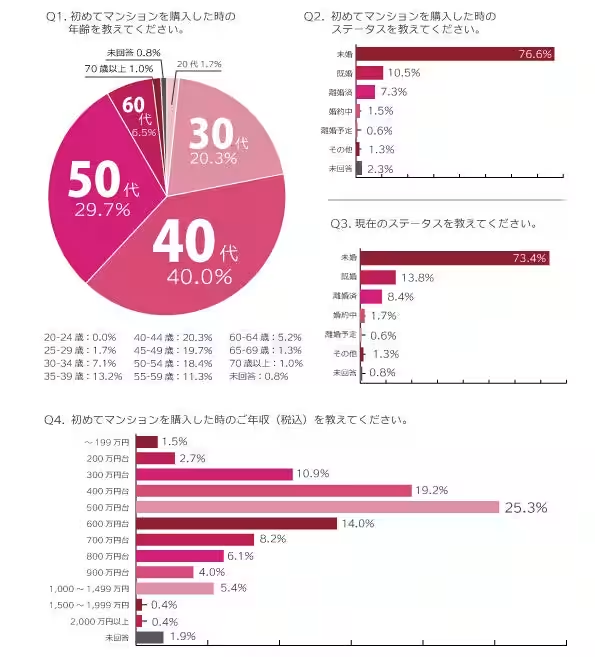
Among the respondents, the majority were aged between 40 and 54, accounting for 58.4% of those surveyed. The average income of these women was found to range from 4 to 6 million yen, with 58.5% reporting annual earnings within this bracket.
Rapid Decision-Making
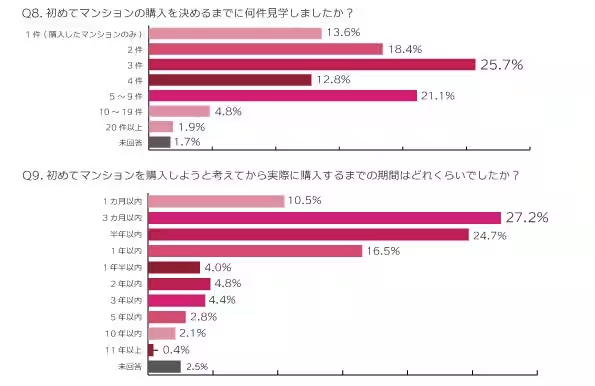
One of the most striking findings was that 37.7% of the women made their purchasing decision within three months of considering a condominium. This timeframe includes 27.2% who purchased within one month, suggesting that many are becoming more decisive in their property investments. This marks a significant shift compared to previous trends.
Rising Prices
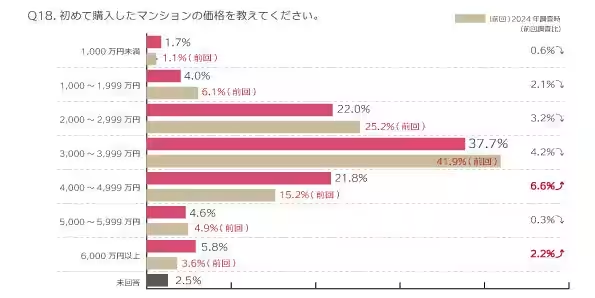
Comparing the results with the previous 2024 survey, a notable increase in condominium prices was seen. The percentage of those buying condos priced in the 40 million yen range has risen by 6.6% while properties above 60 million yen have seen a 2.2% increase. This emphasizes the growing concern over real estate prices, urging potential buyers to act swiftly.
Addressing Housing Concerns
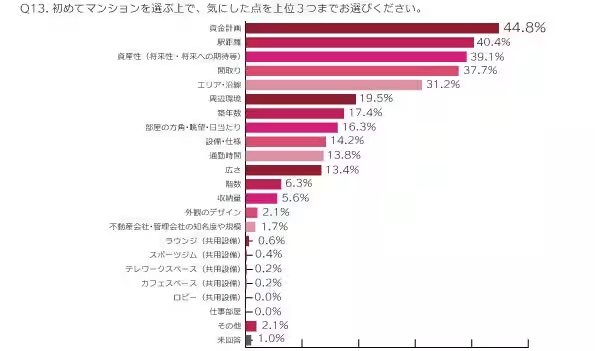
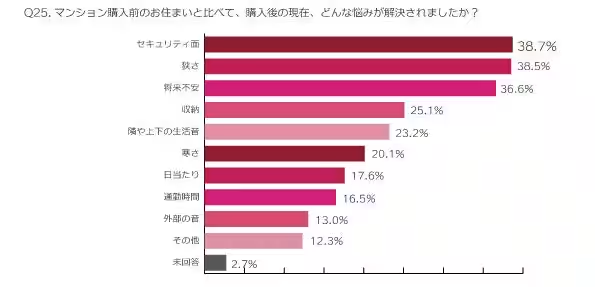
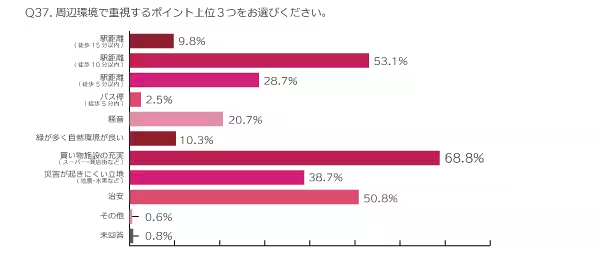
The survey also probed the issues these women faced before making their purchase. The top three concerns revolved around security (38.7%), space limitations (38.5%), and future uncertainties (36.6%). As women consider their long-term living situations, factors such as safety and disaster resilience are becoming increasingly important in their decision-making process.
Culinary Spaces and Storage Preferences
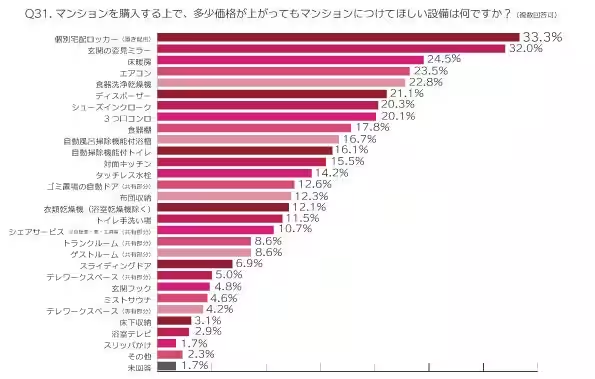
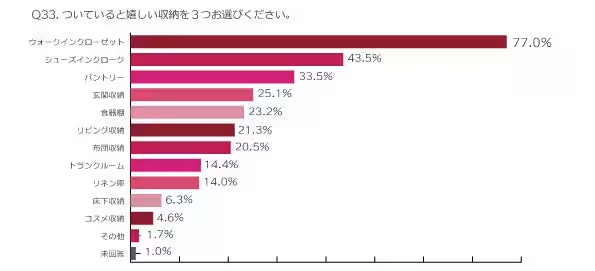
The survey highlighted that 52.1% of women cook four to five times a week, leading to specific needs in their new homes. Besides seeking walk-in closets (77.0%) and shoe closets (43.5%), about one-third indicated they desire pantries (33.5%) for better organization.
Demographics and Trends
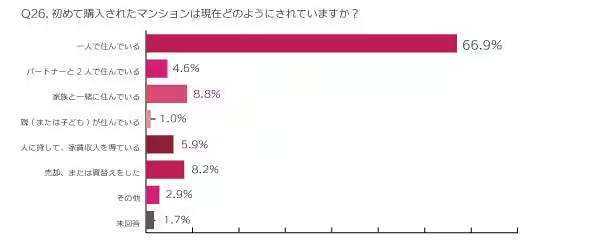
The survey was conducted online from April 25 to May 20, 2026, within the network of women members associated with the institute. Among the findings, 76.6% of respondents identified as unmarried, reflecting a significant trend of single women investing in property.
Expert Insights
According to Hiromi Shiraishi, the institute's vice president, the historical context illustrates how this phenomenon has transformed over the years. "When our founder, Hiromi Kojiima, purchased her first condominium 41 years ago, it was quite rare for single women to make such investments. Today, we see a remarkable shift as more women embrace financial independence through homeownership."
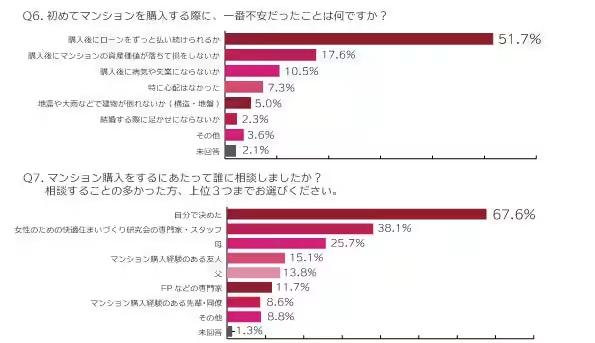
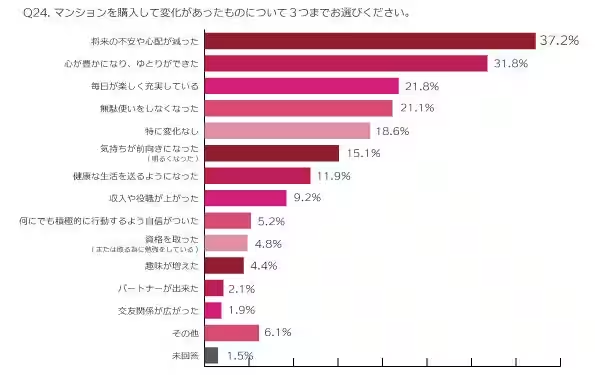
Furthermore, the survey suggests that many women experience a decrease in anxiety about their futures after purchasing a home. Specifically, 51.7% highlighted concerns regarding ongoing mortgage payments before their purchase. This indicates a growing awareness of the financial commitments that come with homeownership, especially with rising property values.
Moving Forward: Advice for Future Buyers
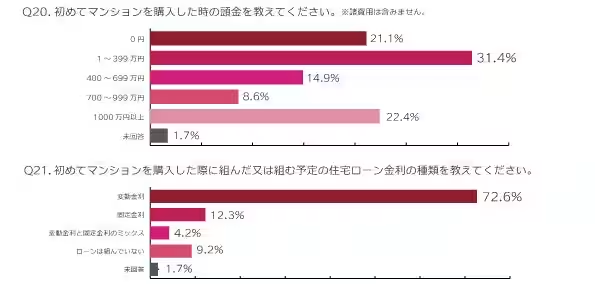
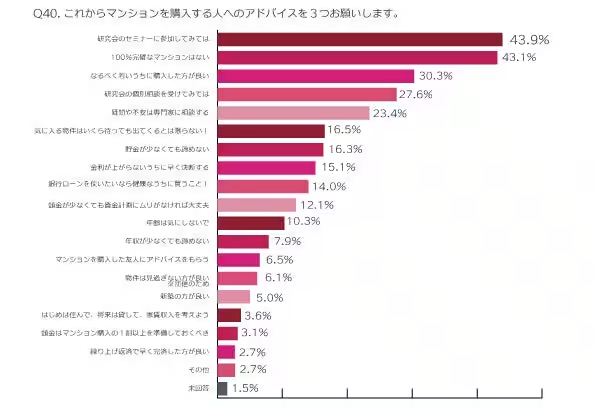
The most common piece of advice from successful buyers to potential purchasers is that there is no such thing as a perfect home. They encouraged engaging in seminars and consultations to address doubts. Financial capacity emerged as a recurrent theme, with many expressing that even with minimal down payments, manageable financial plans can lead to successful homeownership.
In conclusion, the findings from the Research Institute for Comfortable Living for Women present valuable insights into the condominium purchasing landscape for women in Japan. Prospective buyers are encouraged to act decisively while also considering their long-term life goals and living conditions.
For continued support and information on creating safe, secure, and comfortable living spaces tailored for women, the institute provides various seminars and resources. For more details, please visit their website or contact them through their respective offices.
- ---
This report underscores the changing dynamics in women's purchasing behavior and the need for tailored support in navigating the real estate market.

Topics Consumer Products & Retail)



【About Using Articles】
You can freely use the title and article content by linking to the page where the article is posted.
※ Images cannot be used.
【About Links】
Links are free to use.