



Unveiling Heat Stress Risks in the Workplace: Insights from MEDIAID’s Survey
Understanding Heat Stress Risks in the Workplace
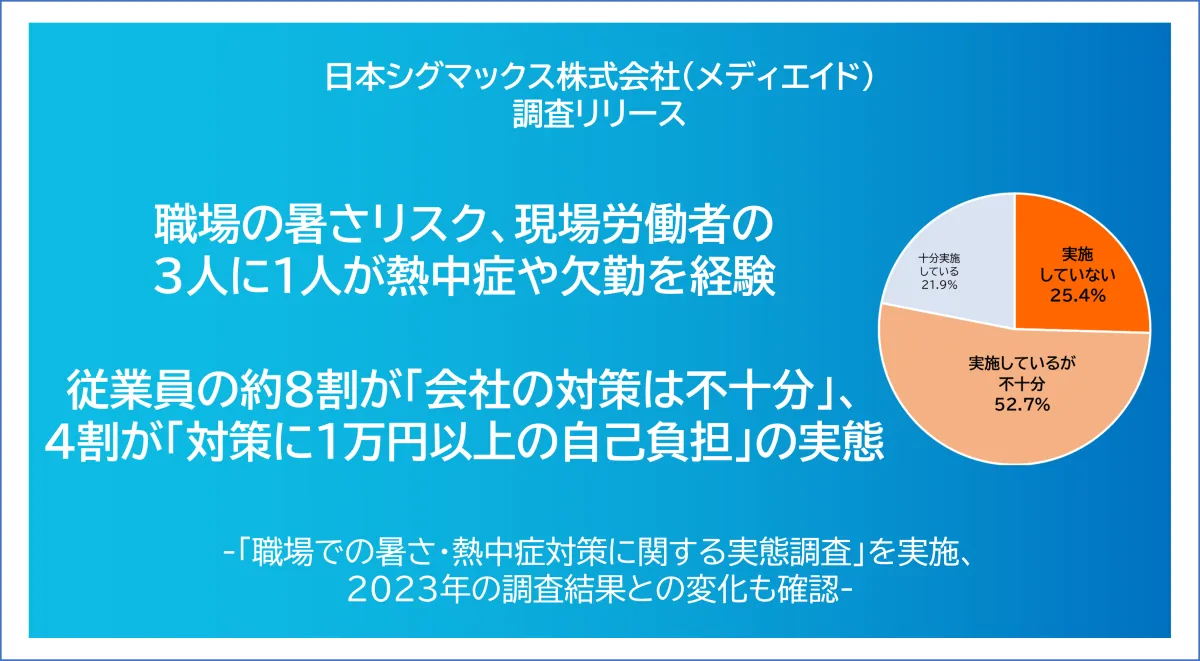
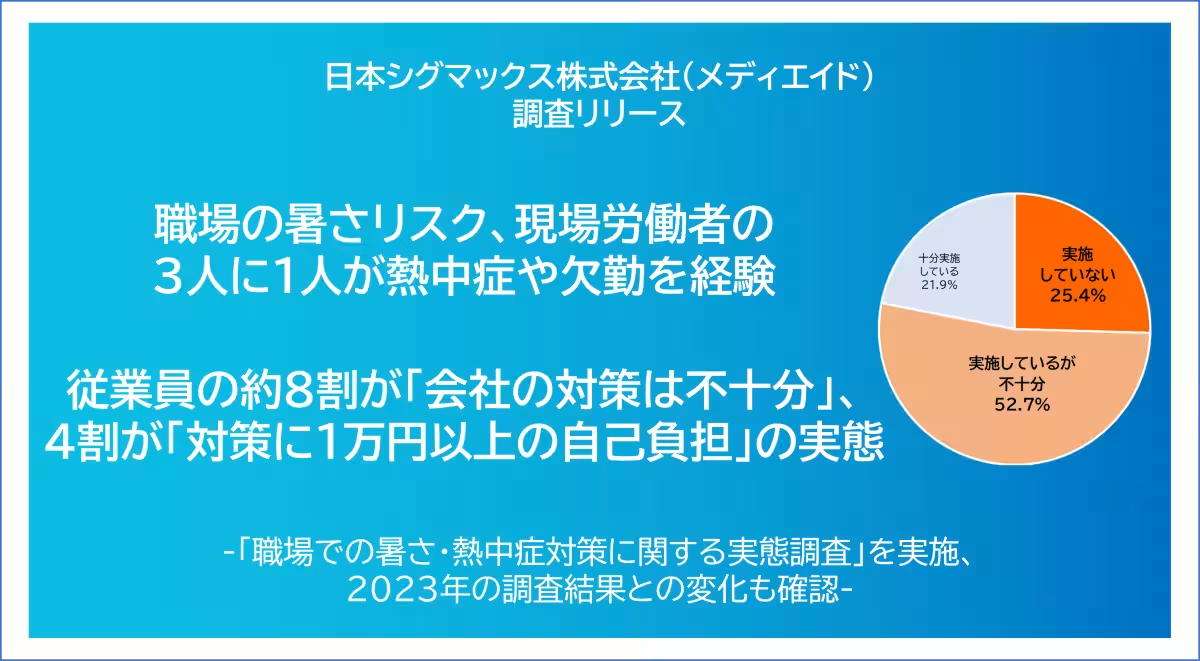
In a recent study conducted by Japan Sigmax Corporation, the focus shifted to the escalating heat stress risks confronting workers. Over a third of the surveyed workforce, tasked with physically demanding roles in various industries, reported having experienced heat-related illnesses, including heat stroke, or absenteeism due to heat stress. This article explores the survey's findings and the pressing need for improved workplace safety measures.
Background of the Survey
The survey was rolled out as part of an initiative to gauge the effectiveness of current temperature management strategies in the workplace, especially in the wake of rising temperatures attributed to climate change. The data gathered brings to light the serious implications of heat exposure in work environments, an issue that cannot be ignored due to the impending statutory requirements for heat stress management in workplaces starting June 1, 2025.
Survey Overview
- - Survey Period: July 8-10, 2025
- - Participants: 2,208 individuals aged 25 to 55 working in construction, manufacturing, transportation, telecommunications, and more, with 283 working in hot environments analyzed in detail.
- - Method: Online survey
Key Findings
The Impact of Heat on Work Efficiency
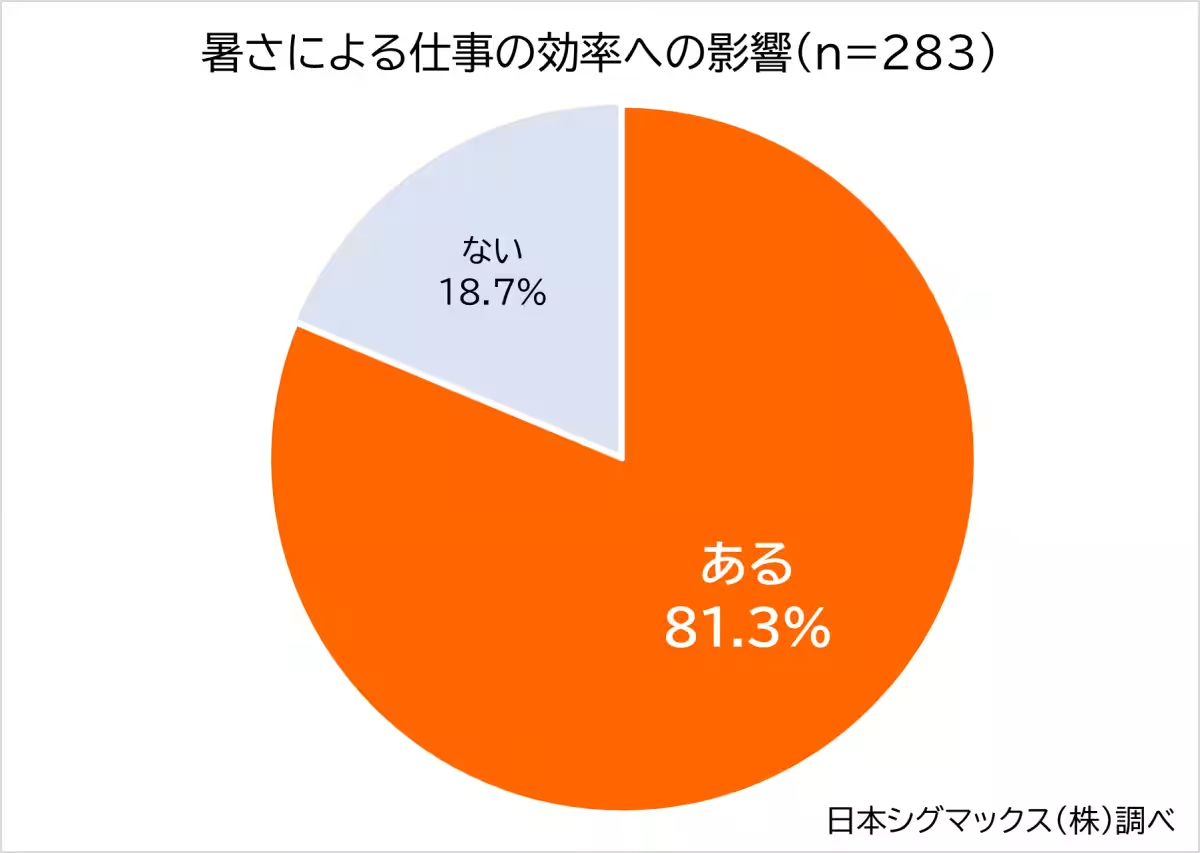
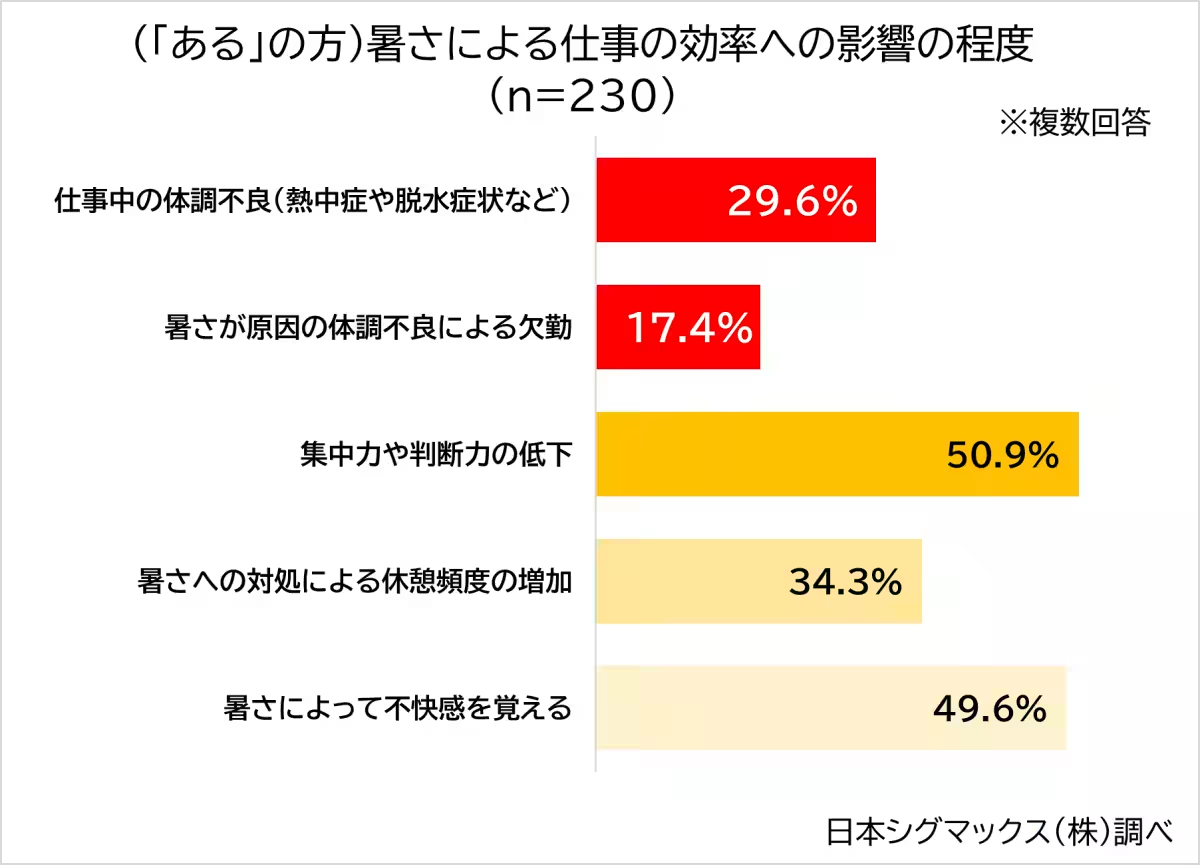
An overwhelming 81.3% of workers reported that heat significantly affected their work efficiency, with one in three admitting to having experienced heat stroke or symptoms leading to absenteeism. Moreover, over half of the participants complained about decreased concentration and decision-making ability due to heat stress, raising concerns not just for productivity but for safety as well.
Company Responses to Heat Stress
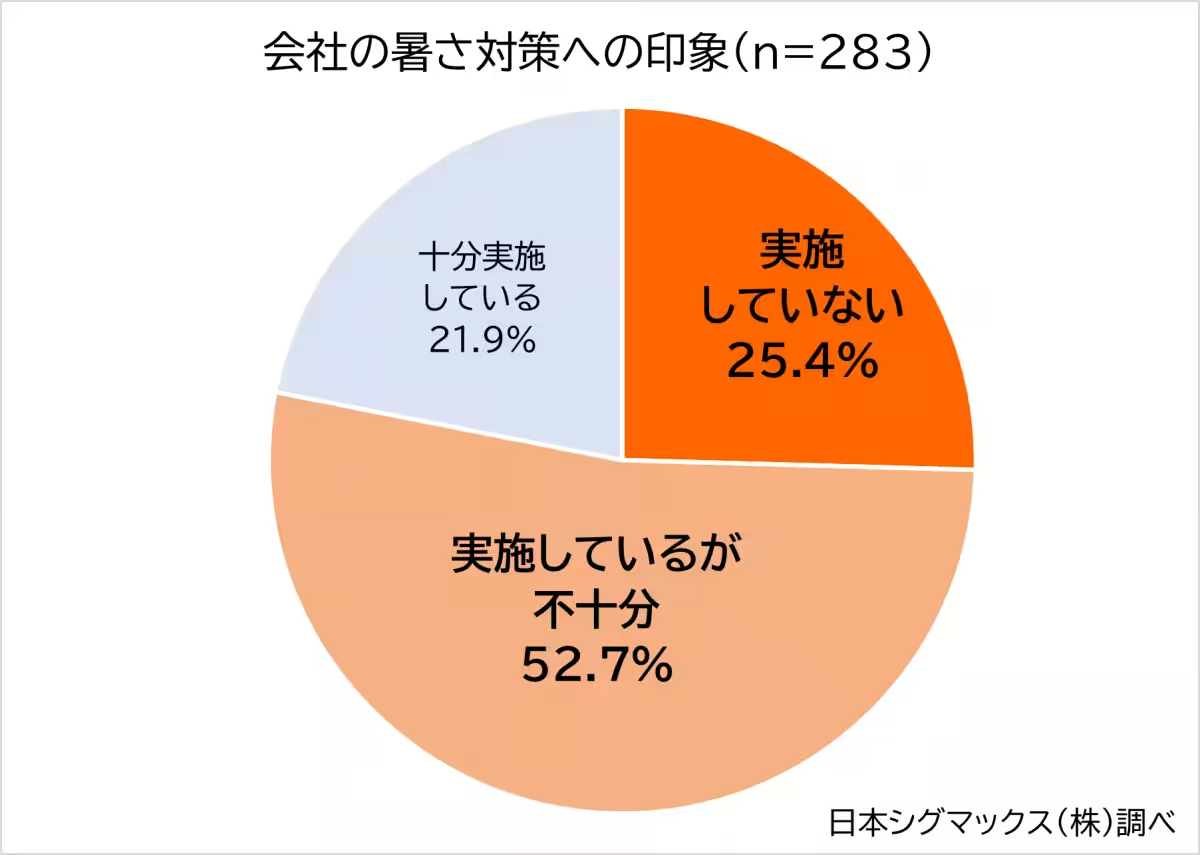
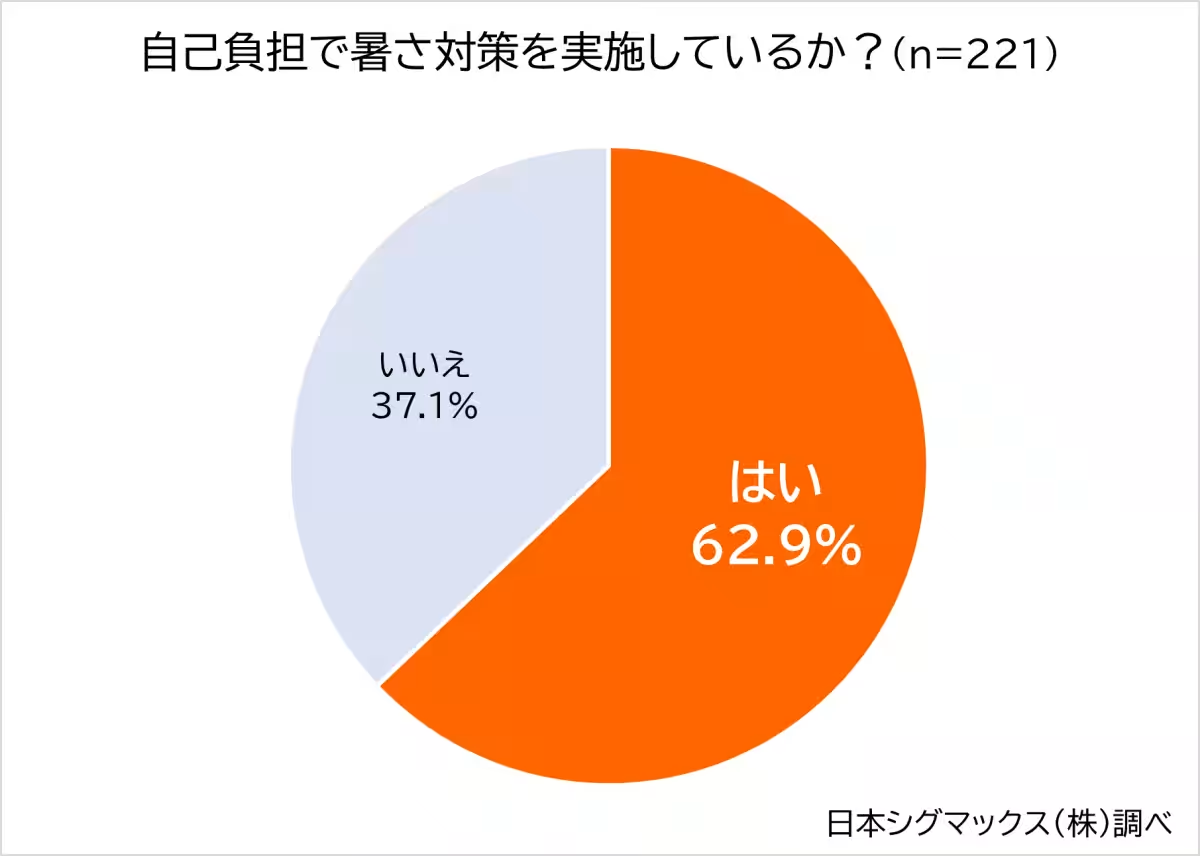
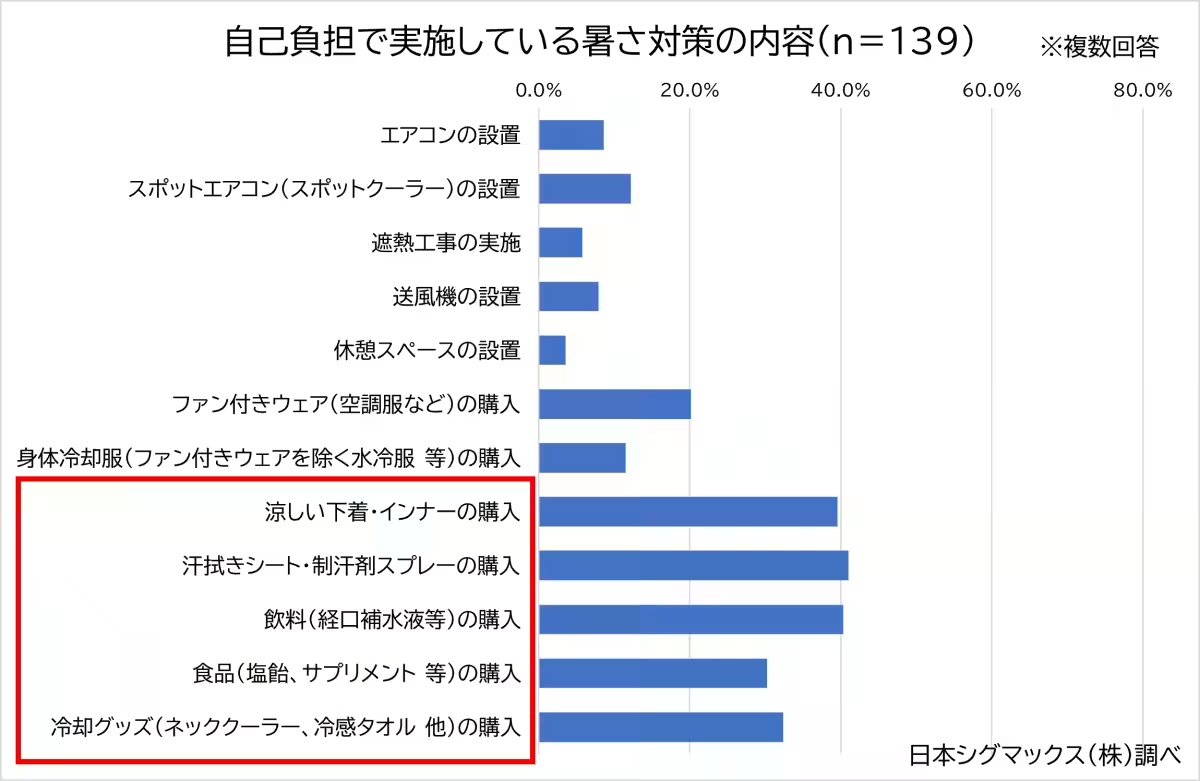
When asked about their company’s temperature management strategies, a staggering 78.1% felt that there was either inadequate implementation or none at all. Alarmingly, over 60% resorted to personal expenditures to mitigate heat stress, indicating a reliance on individual measures rather than comprehensive company policies.
Personal Sacrifices for Safety
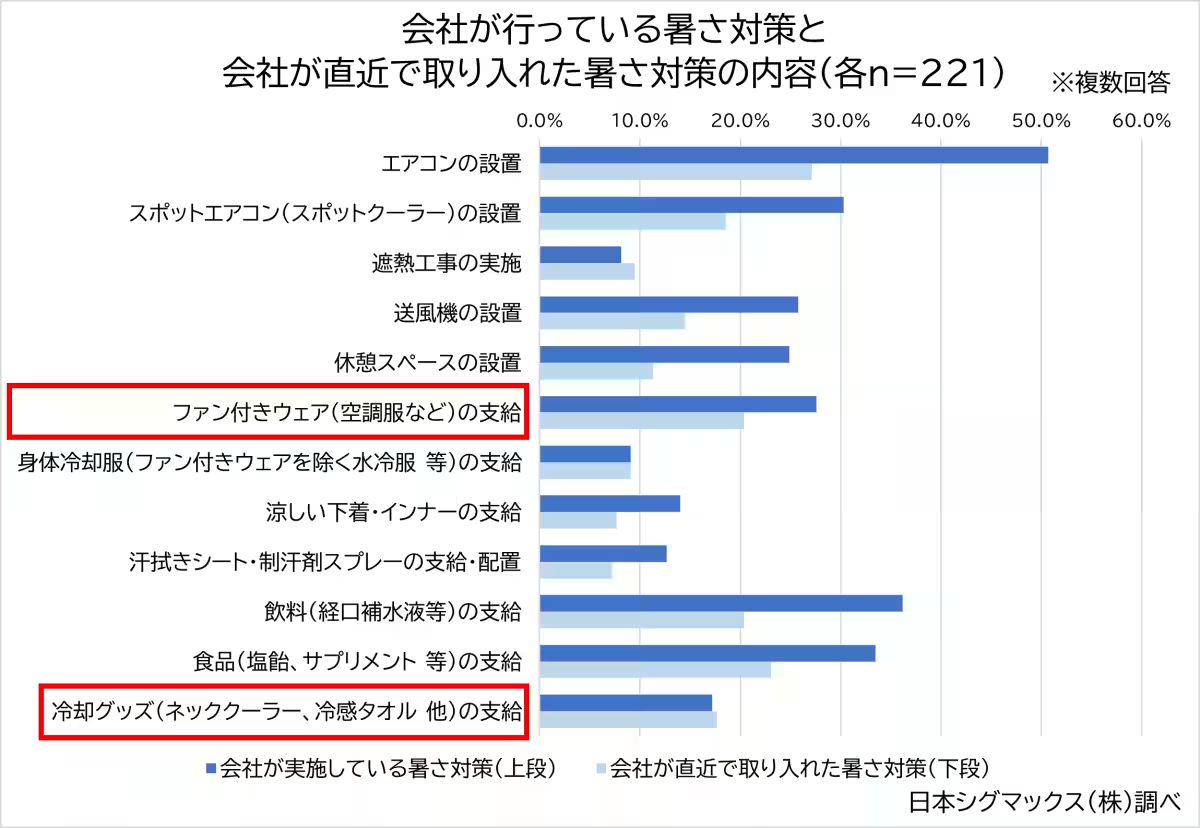
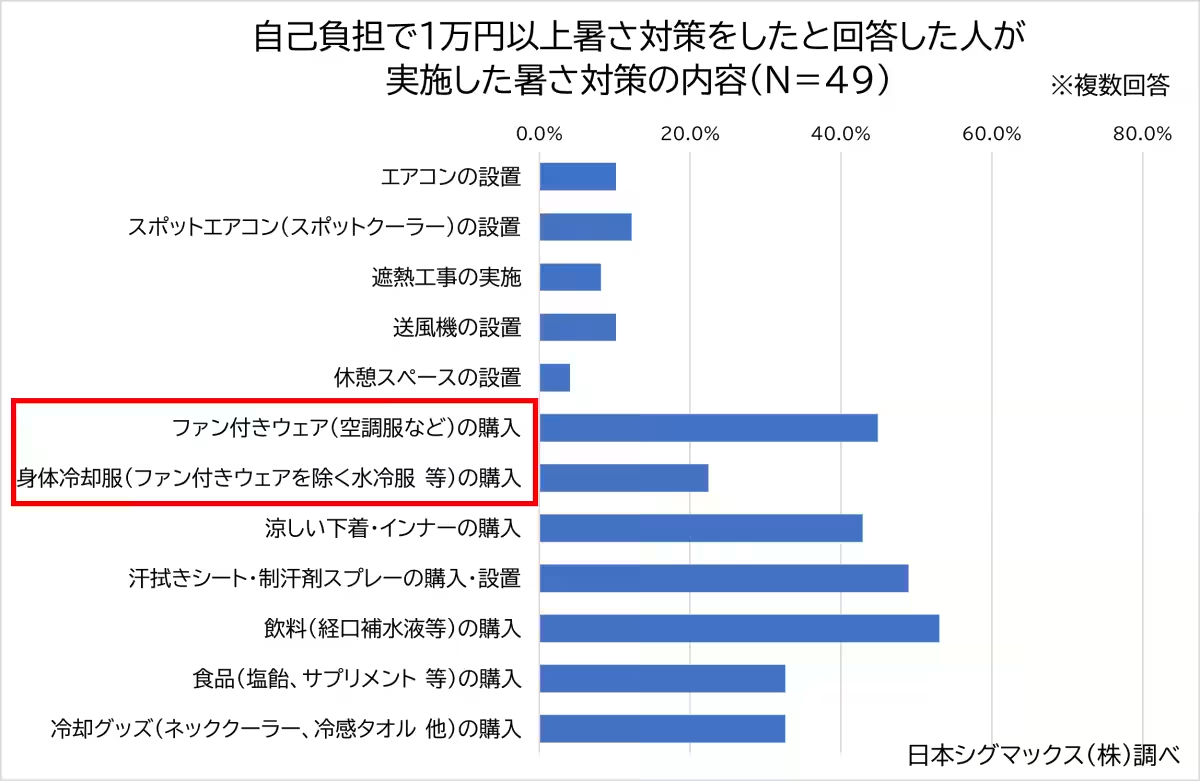
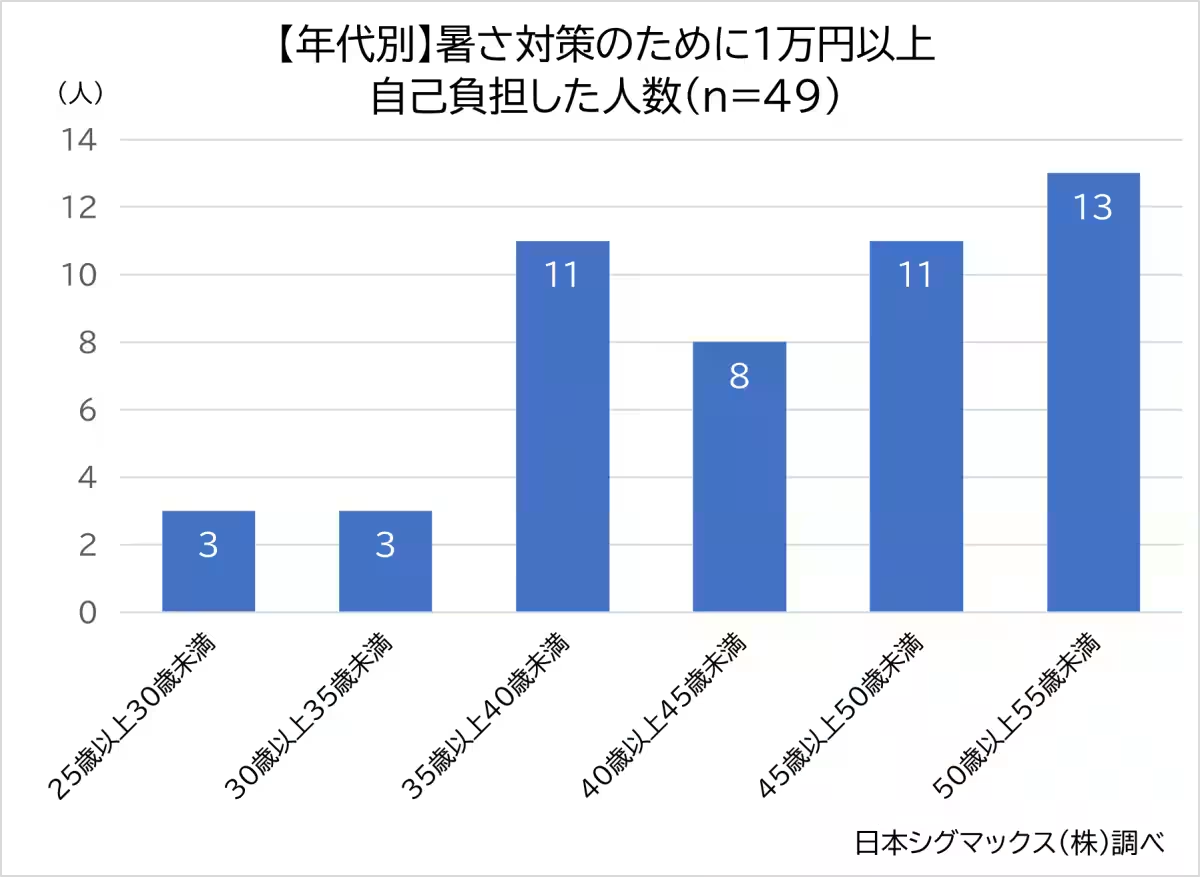
Among those who incurred out-of-pocket costs for heat safety measures, 39.6% invested in cooler undergarments while 41.2% stated they spent over ¥10,000 to create a safer working environment for themselves. This raises questions about employer responsibilities versus employee burdens in maintaining workplace safety.
Government Regulations on Heat Management
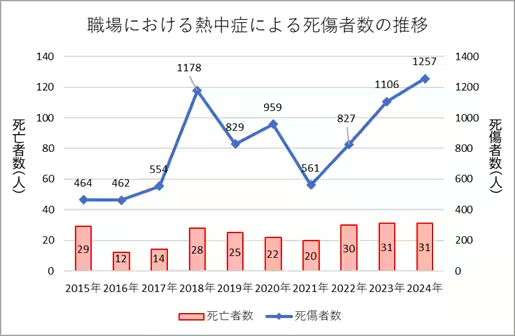
With the number of heat-related incidents at work increasing and alarming statistics for 2024 indicating record-high injuries from heat exposure, it is clear that regulation is imminent. The Japanese Ministry of Health, Labour and Welfare has stated the necessity for businesses to implement effective measures to prevent heat stress, highlighting the urgency as penalties for non-compliance will commence soon.
Looking Ahead: Implications and Recommendations
Satsuki Miyachi from the Workers Care Division at Japan Sigmax emphasizes the necessity for businesses to not merely fulfill regulatory requirements but to genuinely understand the unique challenges of heat exposure in their specific environments. She calls for tailored solutions that address the individual needs of workers, ensuring their comfort and safety.
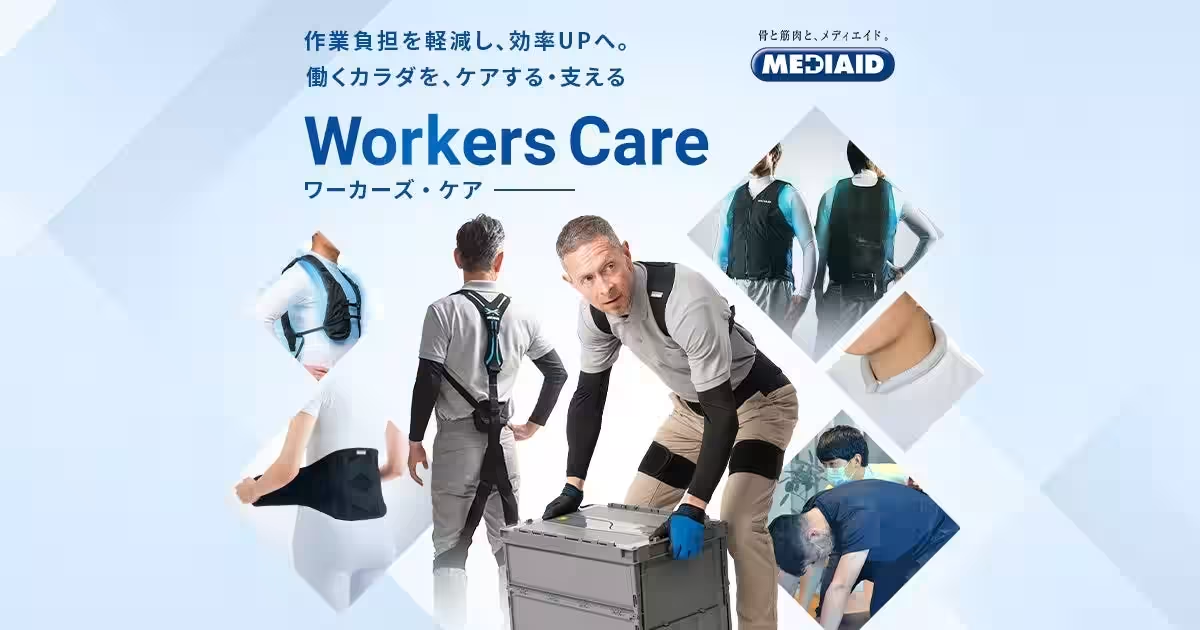
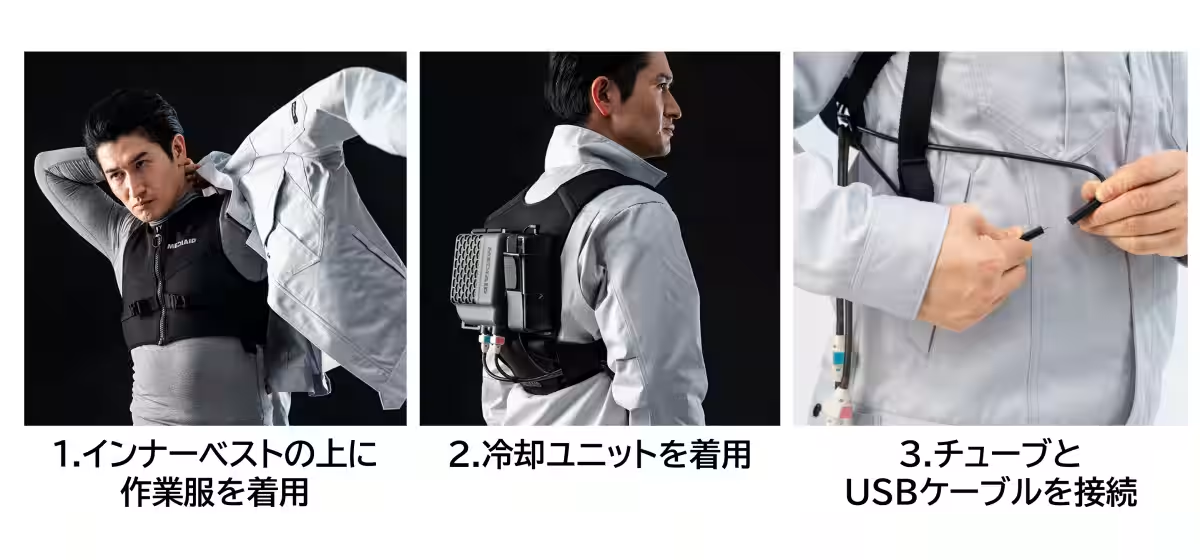
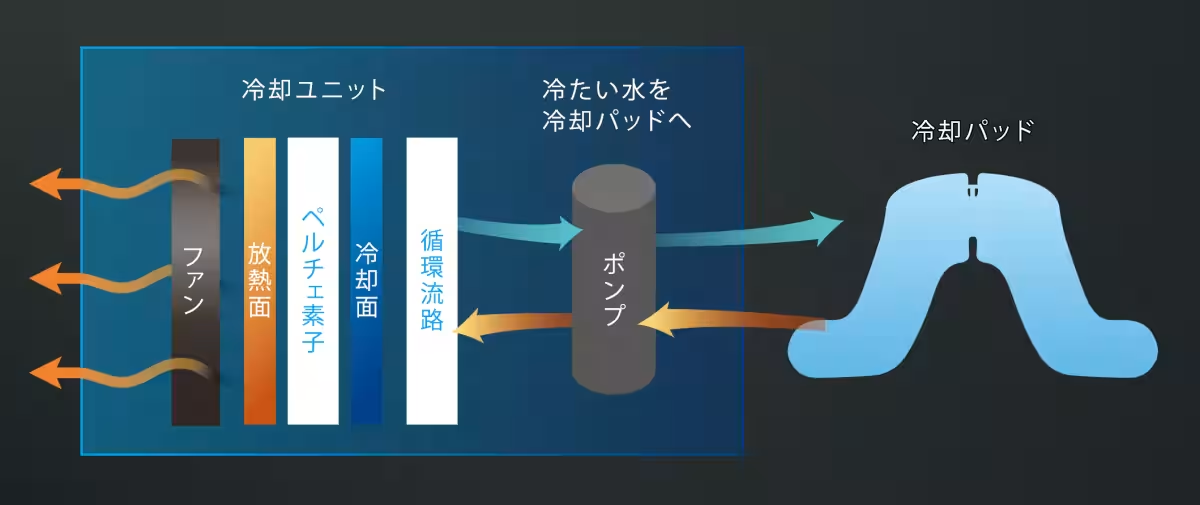
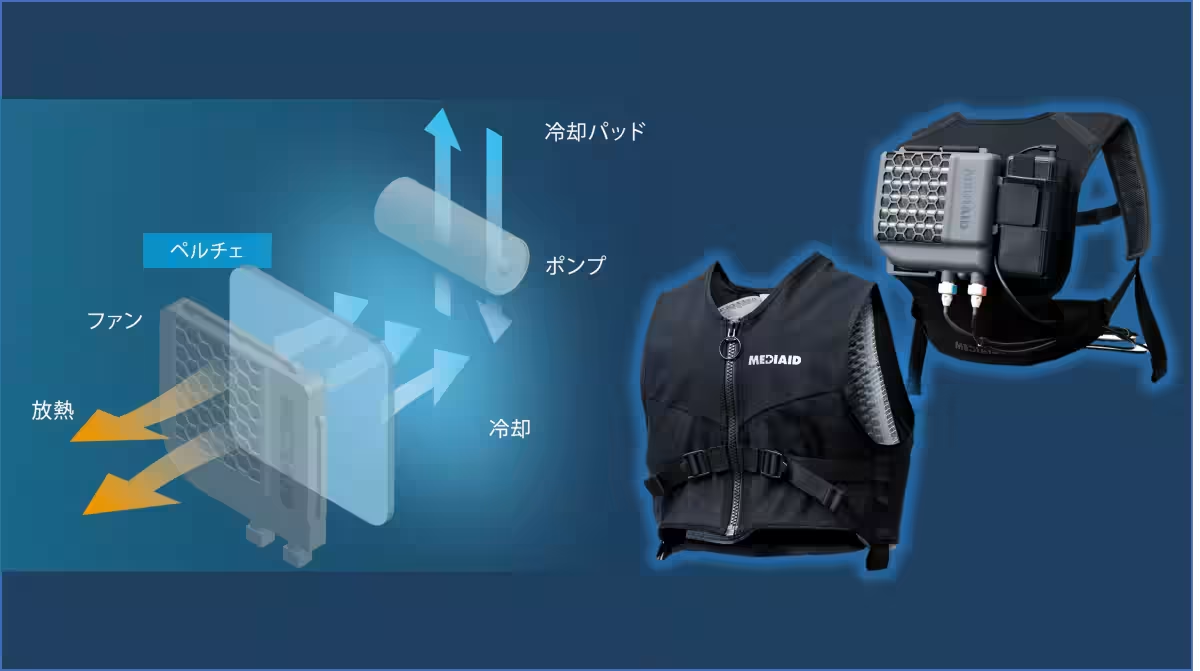
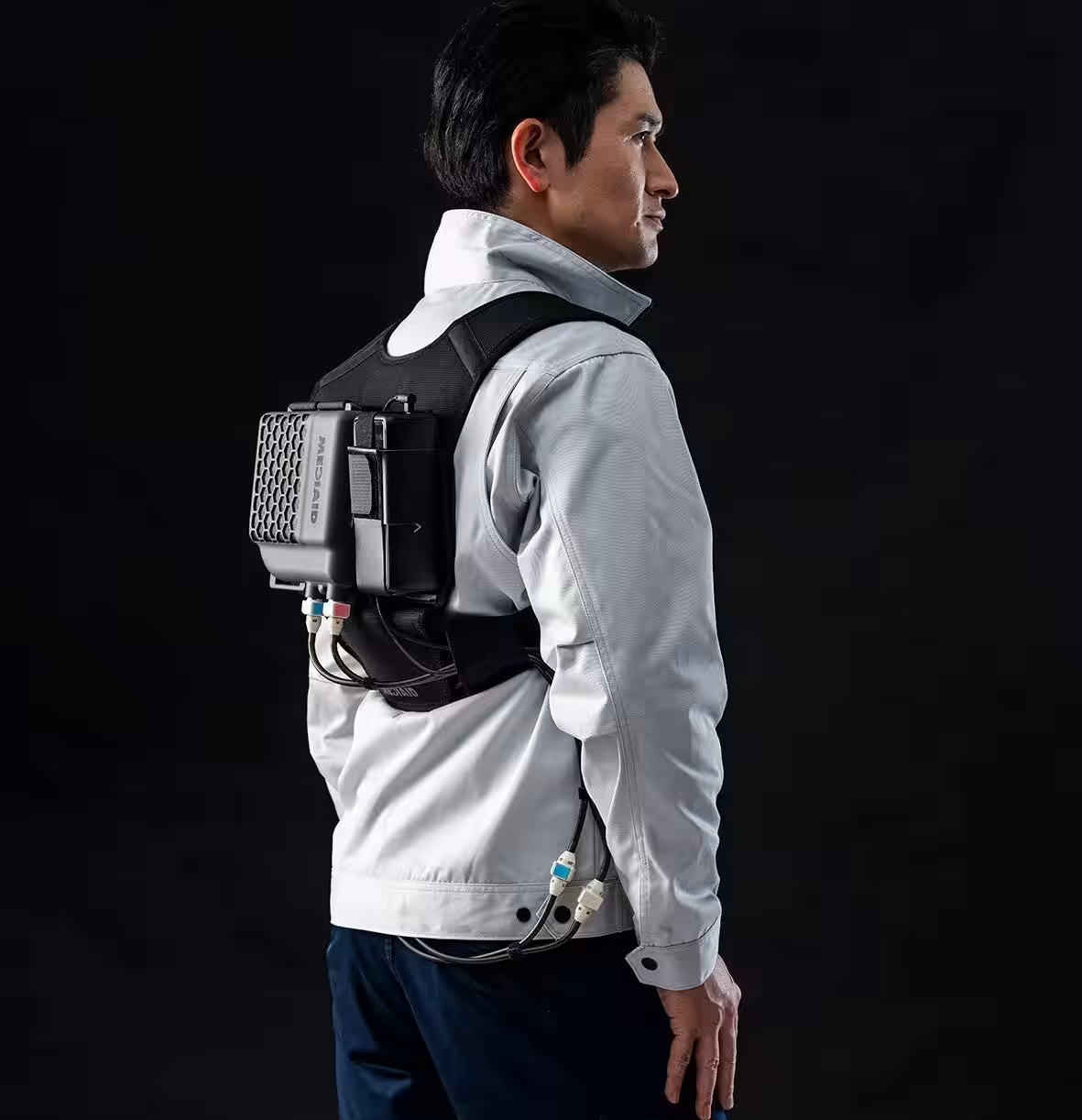
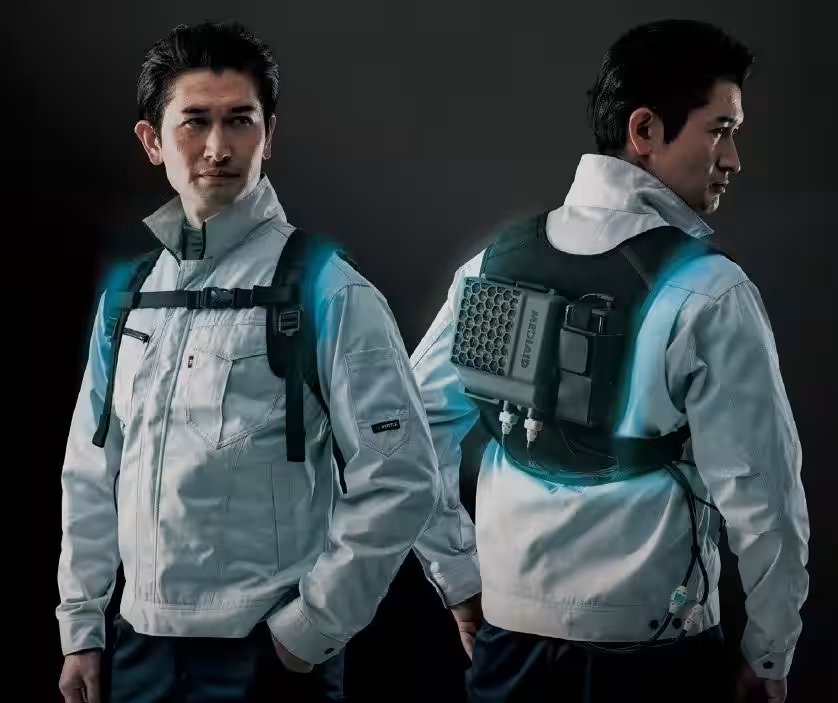
As the need for better safety measures grows, brands like MEDIAID are stepping up with innovative products aimed at addressing these issues. The MEDIAID Ice Cooling Gear Vest 2, released in response to user feedback, showcases advanced cooling technology designed explicitly for demanding environments, representing a proactive approach in workplace safety.
Conclusion
The discourse around heat stress in the workplace is crucial not only for enhancing productivity but also for ensuring worker safety. As statistics reveal, the perception and actual entries of heat-related health issues are alarming, demanding a collective effort from employers and employees to foster a safer working atmosphere. As we approach legislative changes, the responsibility to prioritize workplace safety grows; hence, businesses must take definitive steps towards implementing effective heat stress management strategies.
For further information about MEDIAID's products and initiatives, check out their dedicated webpage here.
Topics Health)

【About Using Articles】
You can freely use the title and article content by linking to the page where the article is posted.
※ Images cannot be used.
【About Links】
Links are free to use.