



A Vision for Mental Wellness: Minori Otsuki's Quest to Normalize Counseling in Japan
Bridging Cultures: The Rise of Counseling in Japan
In the world of mental health, the cultural perceptions surrounding therapy can largely dictate its acceptance and accessibility. While the United States views therapy as an essential part of self-care, akin to visiting a gym for mental fitness, Japan largely sees it as a last resort, a place for those facing serious issues. This stark contrast is at the heart of the mission of Minori Otsuki, a clinical psychologist who aims to change Japan's mindset towards mental wellness.
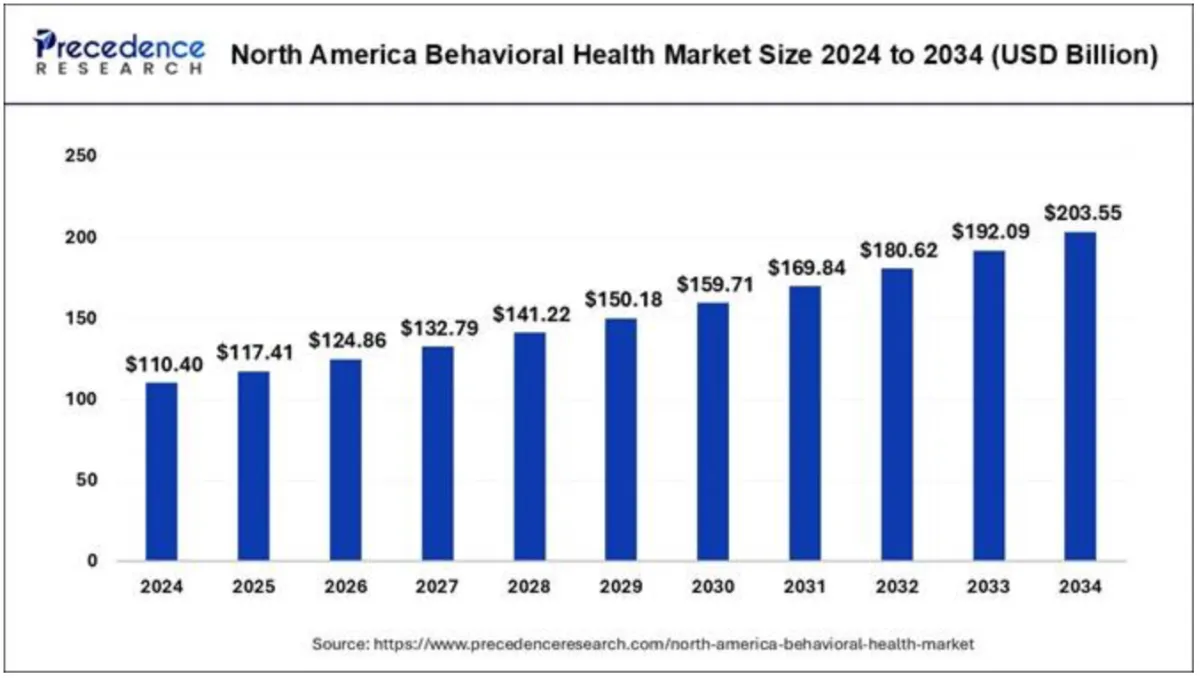
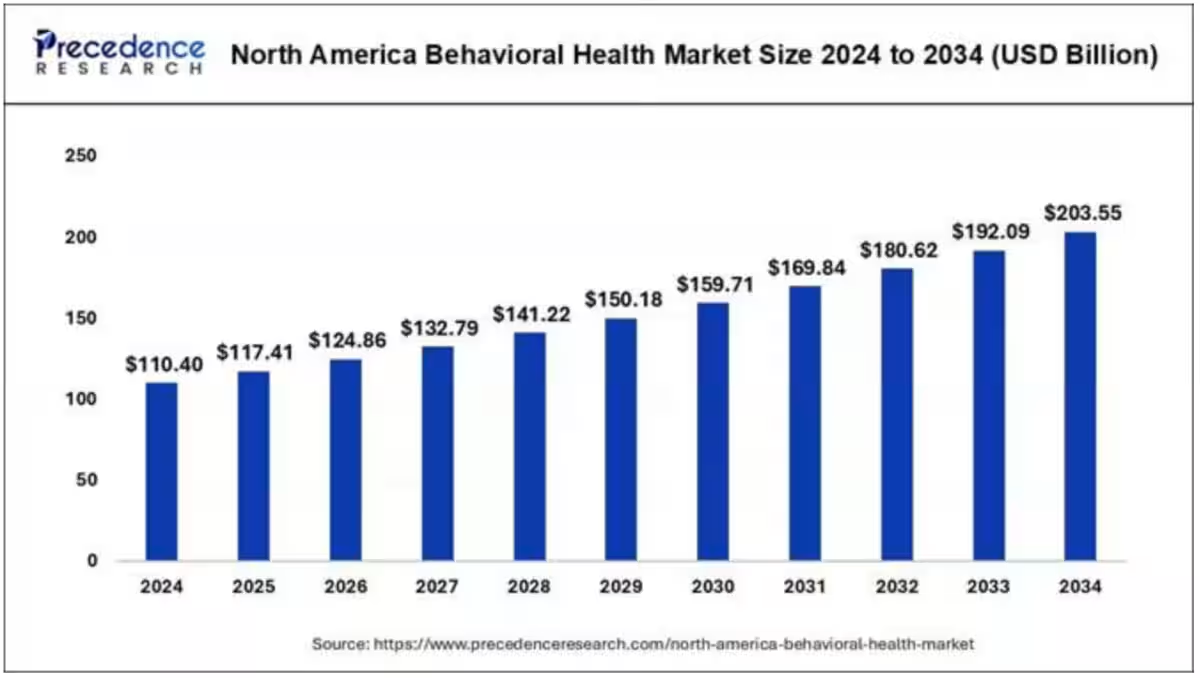
Otsuki, who holds qualifications as an Associate Marriage and Family Therapist (AMFT) and an Associate Professional Clinical Counselor (APCC), discovered during her education in California that the American approach to therapy is vastly different. In the U.S., therapy is integrated into the daily lives of many, who engage in sessions to enhance their understanding of themselves, improve their relationships, and navigate career challenges. This helps relieve the stigma associated with mental health issues, presenting counseling as a proactive step towards personal growth rather than a sign of weakness. The North American mental health market is projected to reach approximately $134.6 billion by 2024, as the practice of self-care takes root in various forms, including therapy sessions.
Conversely, the typical Japanese view of counseling maintains that it is reserved for individuals grappling with profound issues, further compounded by societal pressure to conceal vulnerabilities. Many believe that seeking help signifies weakness, perpetuating a culture where individuals are reluctant to share their struggles even with close friends or family. As a result, therapy in Japan is often mistaken for welfare support, and the notion that mental health services should be free remains prevalent, hampering the development of a culture where individuals are willing to invest financially in their mental wellbeing. According to a report by the IMARC Group, the mental health market in Japan is forecasted to be about $26.5 billion by 2024, a staggering contrast to its North American counterpart.
The Importance of Self-Investment in Mental Health
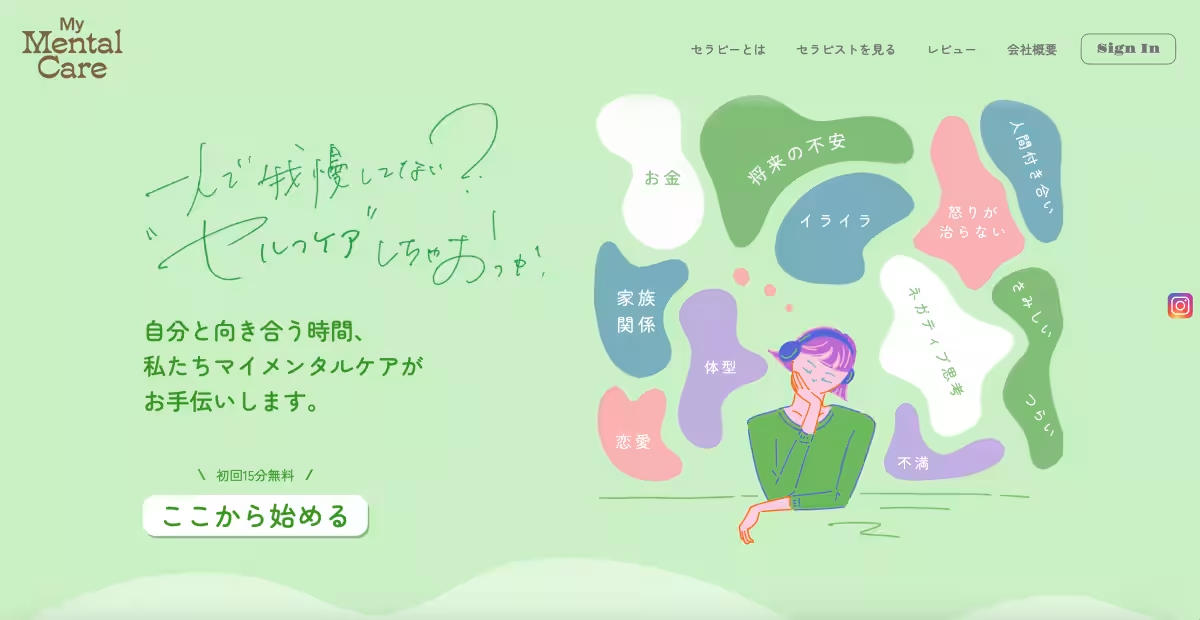
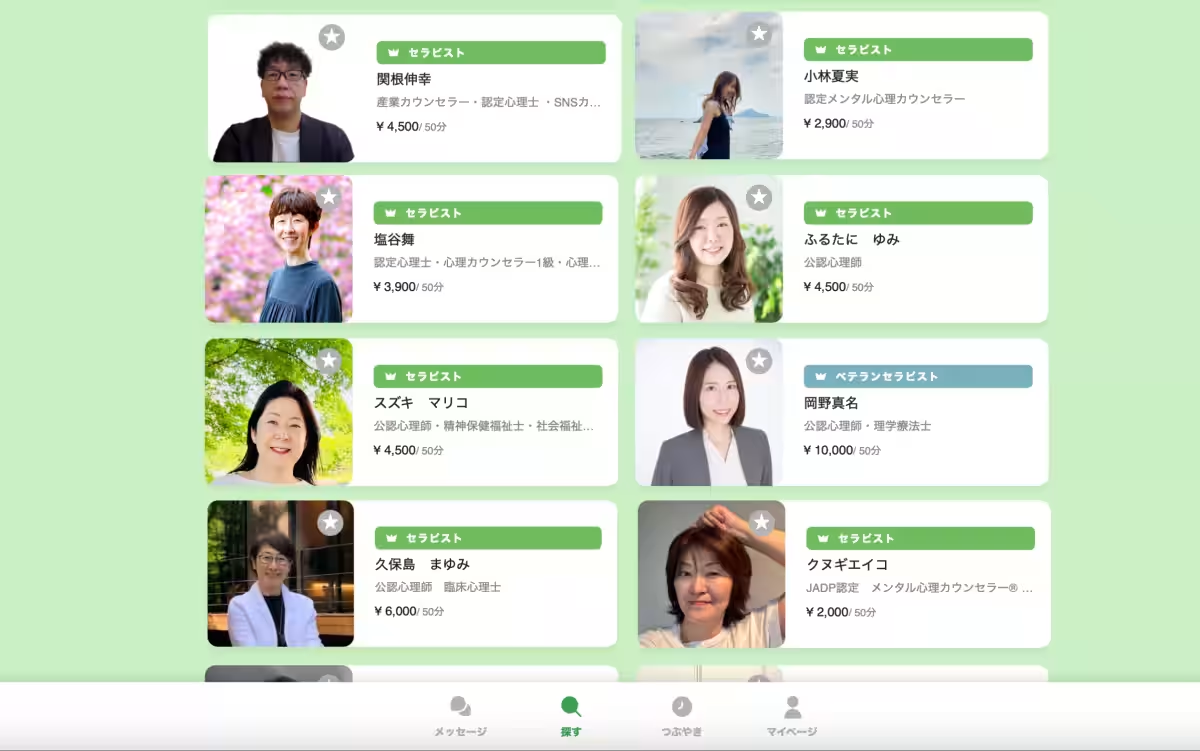
To address this disparity, Otsuki founded “My Mental Care”, a platform designed to make psychological counseling accessible and affordable. The initiative targets a younger audience, advocating for online counseling as part of a holistic self-care regimen. Sessions start at just 2,000 yen for a 50-minute consultation, aiming to provide a space for individuals to process their thoughts and equip themselves with coping strategies before their stressors escalate into more significant issues. This proactive approach emphasizes that mental well-being is a part of self-improvement, akin to investing in physical health.
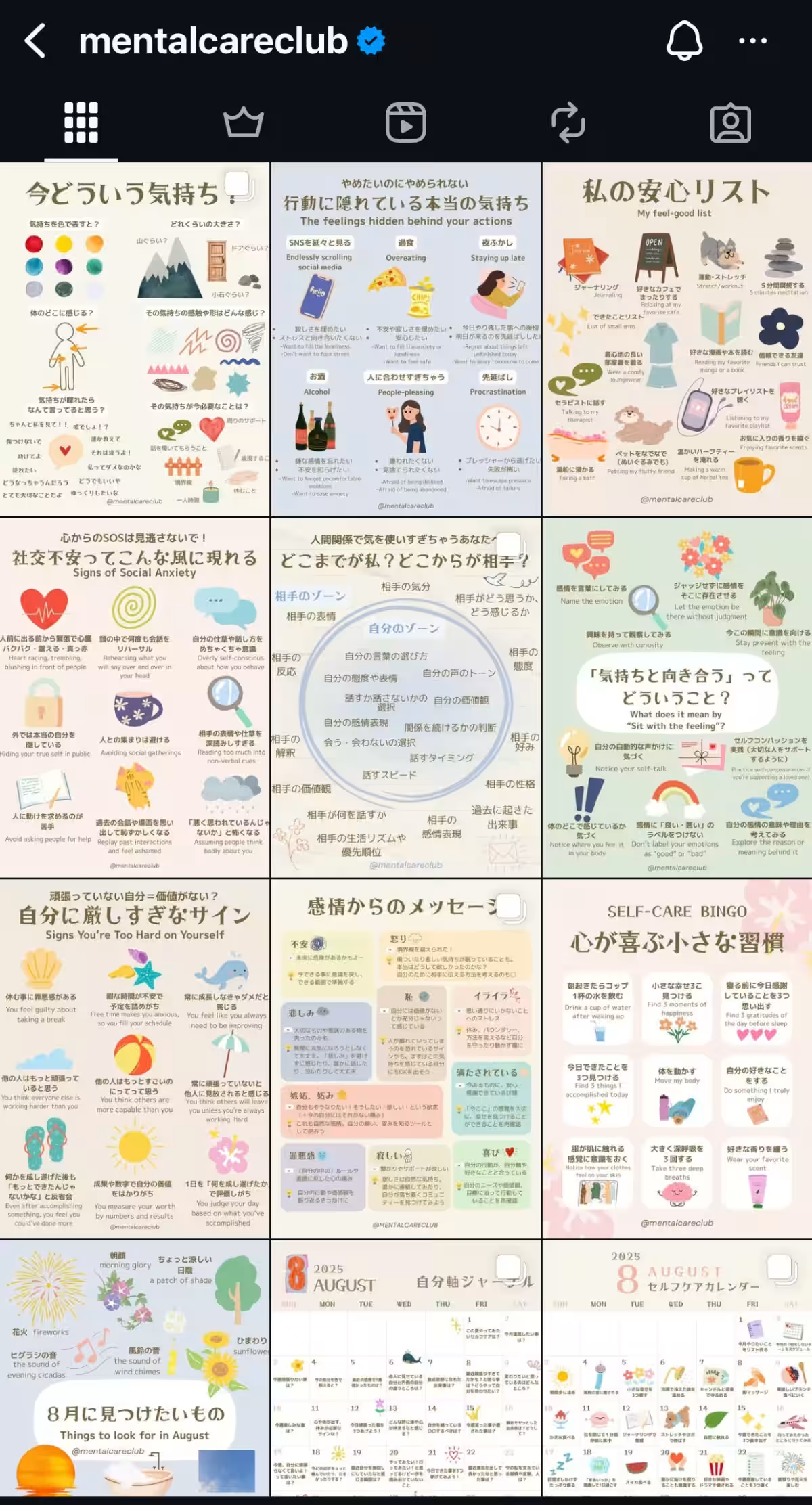
Changing the narrative around counseling necessitates fostering a shift in values that frames therapy as a form of self-investment. Otsuki is committed to ensuring that more individuals recognize the vital role of mental health care, parallel to maintaining physical health, and as part of an overall enriched quality of life. Through initiatives such as the @mentalcareclub on Instagram, which boasts over 47,000 followers, Otsuki seeks to dismantle the stigma of discussing mental health issues, promoting the idea that seeking help is not something to be ashamed of.
Nurturing Empathy in a Digital Age
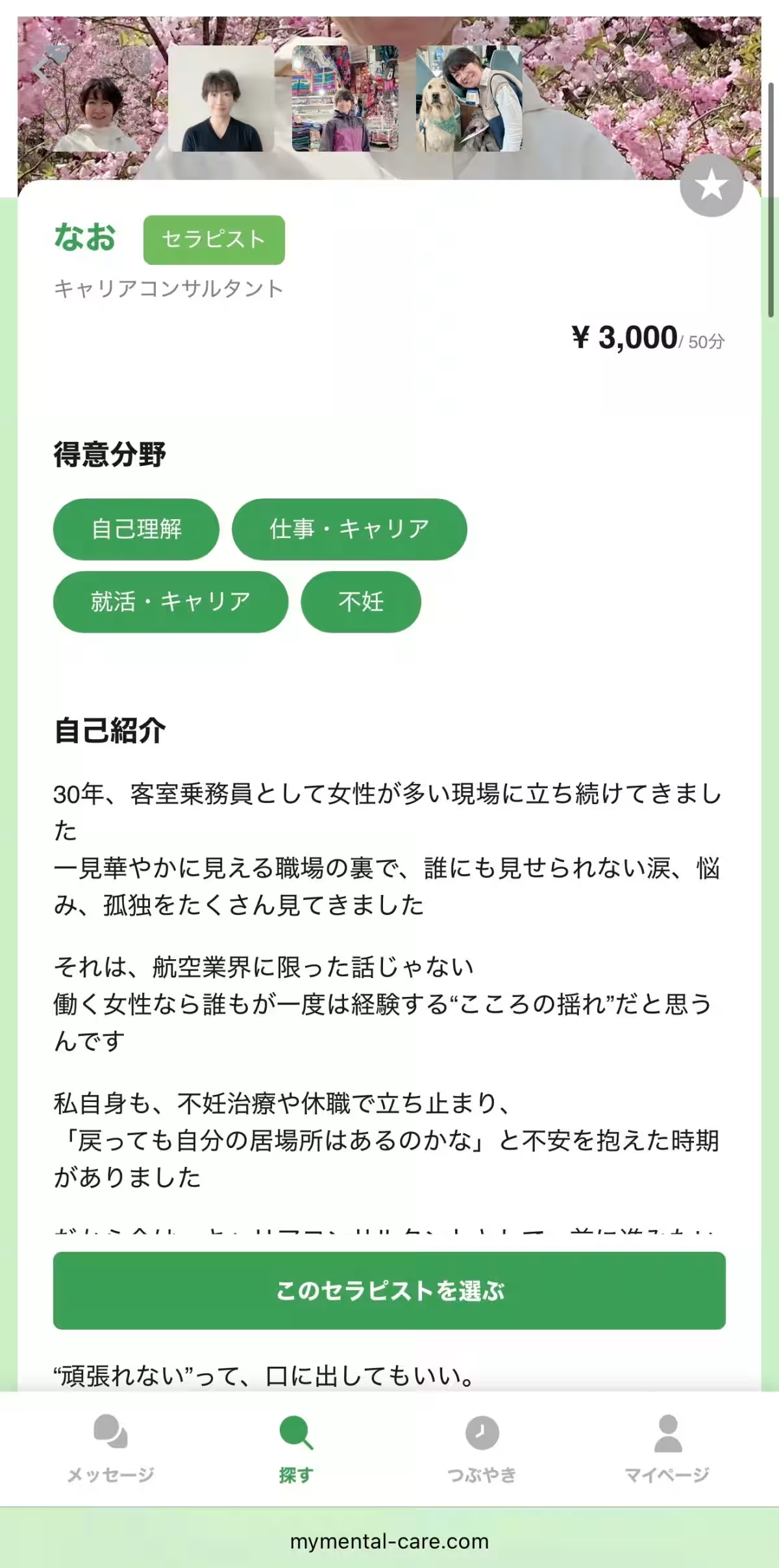
My Mental Care recognizes the unique strengths that human therapists bring to sessions, especially in an age increasingly dominated by AI. By offering a diverse range of qualified therapists — including individuals from various backgrounds such as LGBTQ+ advocates and experienced professionals in the realm of infertility — the service enhances the overall support system available to clients. While AI technology continues to develop, the human ability to empathize, understand non-verbal cues such as tone, expression, and body language, remains unmatched.
Furthermore, the platform encourages therapists to share their personal narratives and experiences, breaking down barriers between counselor and client. This transparency not only fosters deeper connections but provides clients with a sense of reassurance that their struggles are understood. The exchange goes beyond mere dialogue; it encompasses non-verbal signs that can draw out hidden emotions and enable profound change – something that AI has yet to replicate effectively.
A Vision for Future Wellness
Through the service provided by My Mental Care, Otsuki envisions cultivating a culture where mental health care is viewed as an everyday necessity, much like going to the gym or attending yoga classes. She encourages clients to embrace the concept of self-care for their minds, establishing a standard where prioritizing mental wellness is considered both responsible and empowering.
As Japan stands on the brink of redefining its approach to mental health, initiatives like those led by Otsuki are crucial. They represent a first step towards normalizing therapy, creating an environment where it is regarded as a valuable investment in oneself, and fostering a culture where mental health is integral to general wellbeing.
Through these efforts, Minori Otsuki and My Mental Care aspire to create a future where mental health is prioritized and appreciated just as highly as physical health.

Topics Health)
【About Using Articles】
You can freely use the title and article content by linking to the page where the article is posted.
※ Images cannot be used.
【About Links】
Links are free to use.