



Okayama University Symposium Highlights Advancements in Assisted Reproductive Technology Education
Okayama University Hosts Symposium on ART Education
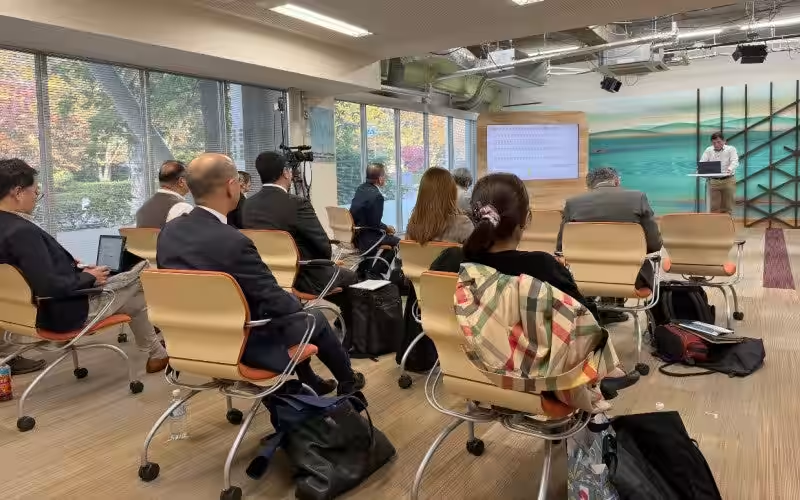
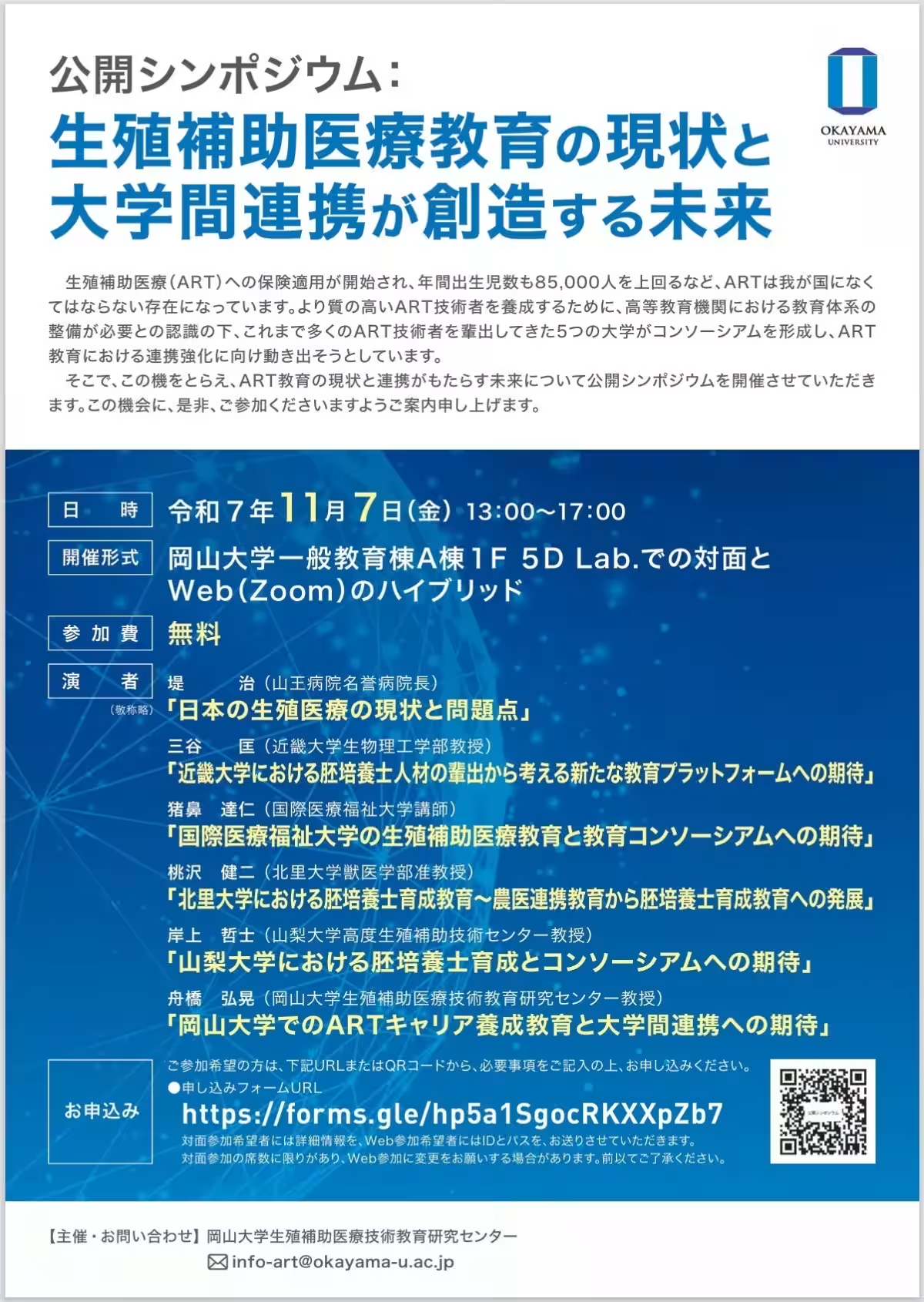
On November 24, 2025, Okayama University of Science held a public symposium titled "Current Status of Assisted Reproductive Technology (ART) Education and the Future Created by University Collaborations" at its 5D Lab. The event combined in-person and online participation, highlighting the importance of ART education within the context of rising birth rates in Japan.
The ART Center at Okayama University, led by Professor Hiroaki Funahashi, has played a pivotal role in shaping the standards for ART education in the country. With the ability to produce over 85,000 babies each year through ART, it has never been more vital to train professional technologists, known as embryo culturists. In light of this necessity, a consortium of five universities, including Kitasato University, International University of Health and Welfare, Yamanashi University, Kinki University, and Okayama University, is formed to enhance educational collaboration in this field.
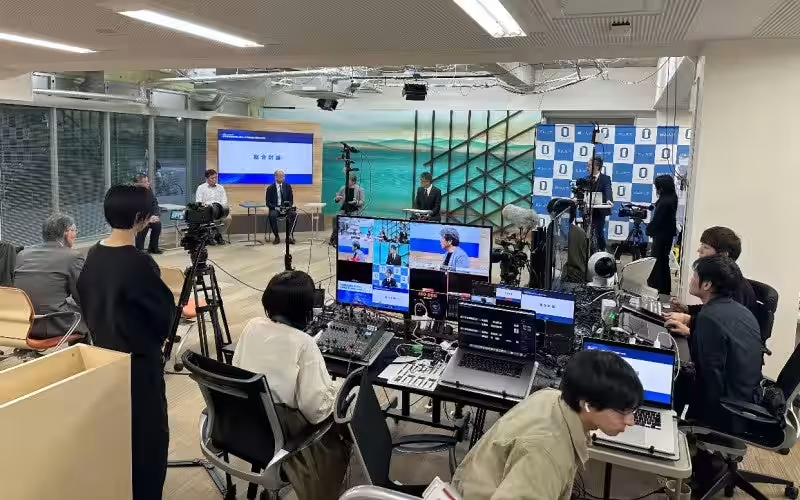
Students from the university's Video Maker Training Course contributed to the symposium by managing the web broadcast under the guidance of Assistant Professor Shun Ito. This initiative provided students with valuable experience while facilitating participation from 104 attendees including university representatives and ART professionals from across the country.
The symposium began with a welcome address by Masahito Sato, Vice President of Okayama University. He emphasized the global significance of ART education and the university's role in nurturing the next generation of specialists in this essential medical field. Following his remarks, Dr. Haruyasu Tsutsumi, Honorary Director at Sannou Hospital and emeritus professor at the University of Tokyo, delivered a keynote lecture titled "Current Situation and Issues in Japan's Reproductive Medicine."
Subsequent presentations were made by representatives from the participating universities, detailing their respective ART education programs and expressing their hopes for increased collaboration through the consortium initiative. Lectures covered various aspects, from training embryo culturists to the potential of developing new educational platforms.
Looking ahead, the ART Center aims to continue its leadership in the consortium by advancing a standardized curriculum and promoting high-quality educational content. Through these efforts, the center intends to significantly contribute to the overall advancement of ART in Japan, ensuring that the quality of ART specialists rises to meet the growing demand for assisted reproductive services.
The increased coverage and discussion surrounding ART education at the symposium also represents a pivotal moment in the recognition of the importance of trained professionals in reproductive medicine.
Conclusion
The public symposium served not only as a platform for sharing insights and progress in ART education but also reinforced the commitment of Okayama University and its partners in enhancing the quality of reproductive healthcare. As regional leaders in research, Okayama University and its consortium members are poised to make a lasting impact in the field, paving the way for an innovative future in fertility medicine and education.
For more information about the ART Center and its ongoing initiatives, please visit the Okayama University ART Center website.

Topics Health)
【About Using Articles】
You can freely use the title and article content by linking to the page where the article is posted.
※ Images cannot be used.
【About Links】
Links are free to use.