



Harnessing Low Oxygen Training to Combat New Year Weight Gain in Japan
Tackling New Year Weight Gain with Low Oxygen Training
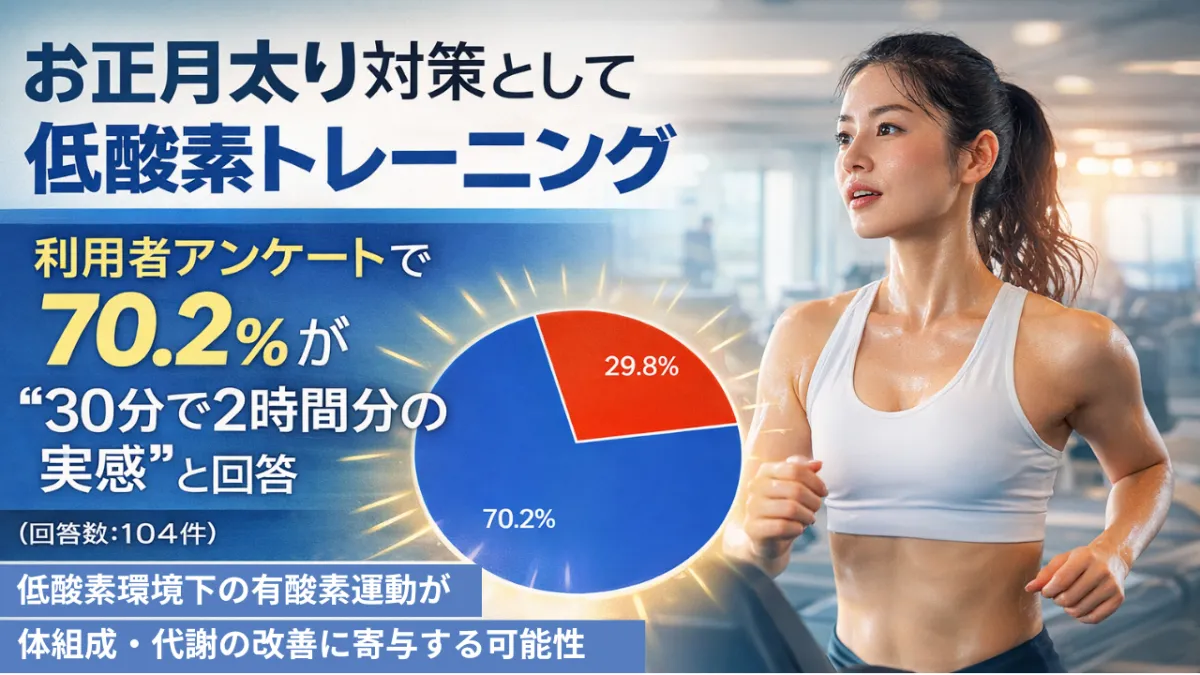
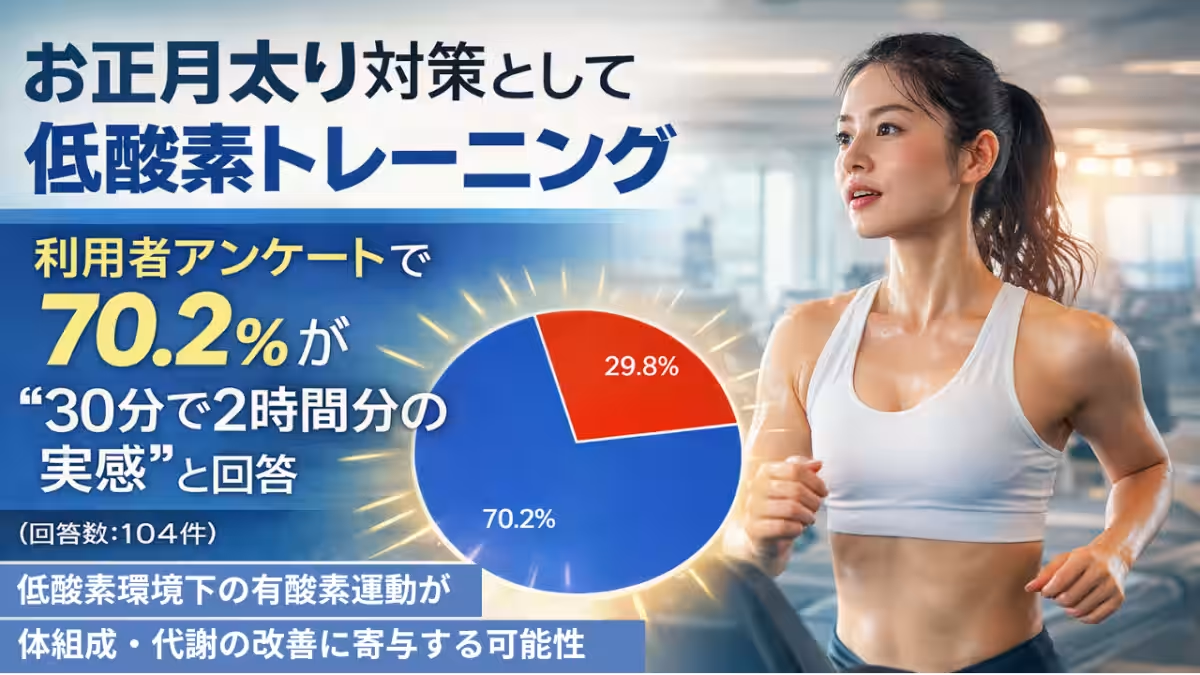
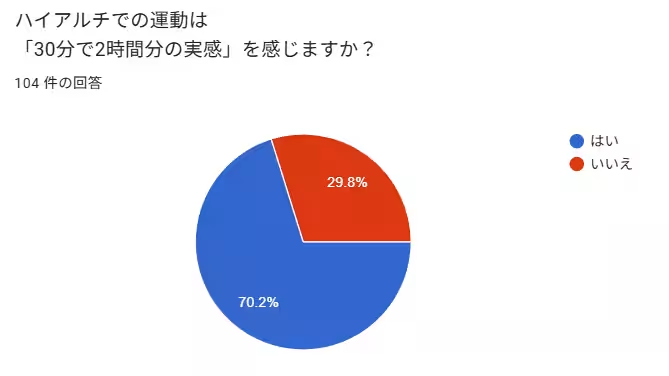
As individuals reflect on their health post-holiday season, many are considering options for weight management and physical fitness. Reports indicate a growing demand for effective workout solutions that fit into busy lifestyles, particularly methods that require shorter duration yet deliver substantive results. A recent survey conducted by High Altitude has revealed that a significant 70.2% of respondents felt that a mere 30-minute session of low oxygen training gave them the equivalent benefits of 2 hours of regular exercise.
The Emergence of Low Oxygen Training
Low oxygen training, or high-altitude training, involves performing aerobic exercises in an environment where the oxygen concentration is deliberately reduced. This methodology, once exclusively reserved for elite athletes, is now being recognized for its potential benefits beyond professional sports, particularly in the realms of health and weight management for the general public. This article sheds light on the relationship between low oxygen training and its effectiveness in supporting weight loss and improving body composition.
Recent Research Findings
A recent meta-analysis examining studies published up to November 2024 has showcased compelling data on the advantages of low oxygen training. Comparing calorie-burning aerobic exercise performed in low oxygen versus regular oxygen environments, the findings suggest that individuals undergoing training in hypoxic conditions experienced greater reduction in body weight, triglycerides, LDL cholesterol, and insulin resistance compared to their peers in normoxic conditions. Importantly, improvements in body fat percentage were also noted, albeit at a suggestive level statistically. Researchers identified that outcomes were more pronounced when exercises were performed in moderate hypoxic conditions (FiO₂ ≧ 15%), at least 4 times a week, and lasting over 60 minutes.
The Current Obesity Crisis in Japan
The statistics regarding obesity and metabolic syndrome in Japan are alarming. Recent reports from the Ministry of Health, Labor, and Welfare reveal that about 31.5% of men and 21.1% of women fall into the overweight or obese category, indicating that roughly one in three adults wrestles with weight management. Furthermore, among individuals aged 40 to 74 years, 16.6% meet the criteria for metabolic syndrome, with an additional 12.3% falling into the at-risk category, showcasing that lifestyle diseases remain a critical public health issue.
Dealing with New Year’s Weight Gain
During the holiday season, marked by increased food intake and decreased physical activity, many individuals become acutely aware of weight gain, sparking resolutions for a healthier lifestyle. However, prevalent challenges include the difficulty in maintaining an exercise regimen due to perceived exertion or time constraints, leading to frustration in achieving fitness goals.
As a response to these challenges, short-duration, manageable aerobic exercises have gained traction, suggesting that low oxygen environments may provide a viable solution, especially for those who find traditional workouts daunting.
Voices from Real Users
Understanding actual user experiences is essential in evaluating the effectiveness of low oxygen training. An insightful survey conducted by High Altitude asked studio attendees: "Do you feel that a 30-minute session at High Altitude equates to 2 hours of exercise?" Of the 104 responses garnered, a resounding 70.2% affirmed they experienced such benefits, suggesting a substantial perceived impact from the workouts provided.
Why Low Oxygen Training is on the Rise
By mimicking conditions found at high altitudes, low oxygen training compels the body to increase its oxygen efficiency during exercise, which can result in improved metabolic responses. The unique stimuli from low oxygen environments suggest notable benefits for both systemic and metabolic functions, drawing interest from various sectors looking for effective health-management solutions.
Introducing High Altitude – A Pioneer in Low Oxygen Training
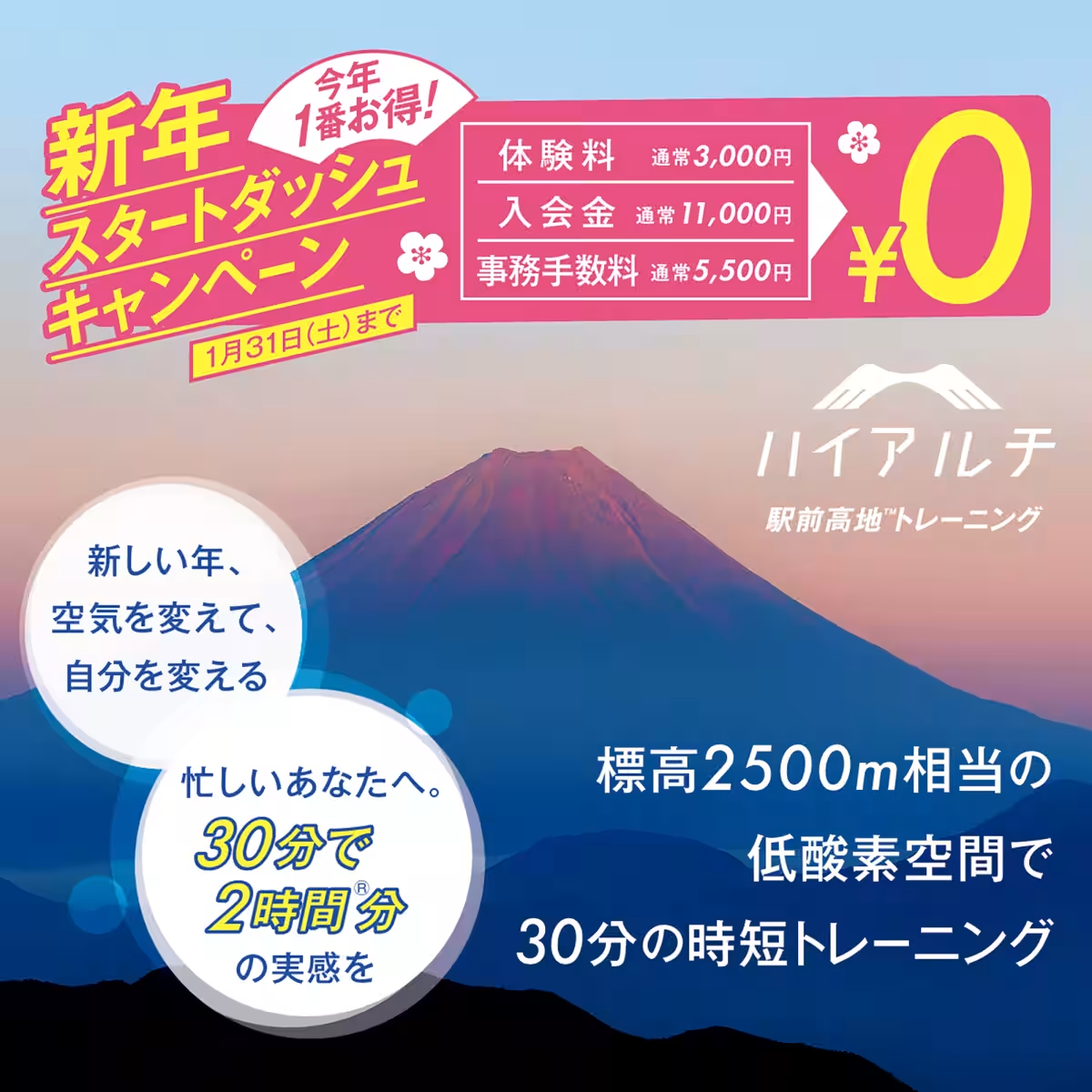
High Altitude stands as Japan's first specialized studio that implements high-altitude training principles, replicating the effects of an environment at approximately 2,500 meters above sea level. Their programs focus on achievable aerobic activities, specifically walking, allowing participants to benefit from enhanced fat metabolism and overall fitness without the strenuous effort typically associated with exercise routines. A team of trained professionals ensures a supportive atmosphere, tailoring training to individual health and fitness goals.
With reports suggesting that even brief, low-intensity workouts can instigate beneficial changes in metabolic processes, High Altitude encourages individuals to reconsider what is achievable in short bursts of effort, making health transformative through choice rather than sheer effort.
Conclusion
With the New Year prompting questions of fitness and health awareness, programs like those offered by High Altitude provide a promising avenue for those looking to improve their health with manageable, scientifically-backed methods. Now, individuals can embrace their fitness journey with the knowledge that progressive solutions are at their disposal for both health and well-being.
For those interested in starting this journey, High Altitude is currently running special promotions, including zero enrollment fees until the end of January 2026.
- ---
For more information on High Altitude's programs, visit High Altitude.




Topics Health)
【About Using Articles】
You can freely use the title and article content by linking to the page where the article is posted.
※ Images cannot be used.
【About Links】
Links are free to use.