



The Impact of Mind Wandering on Anxiety and Depression: A New Study Insights
The Impact of Mind Wandering on Anxiety and Depression: A New Study Insights
In today's fast-paced world, many of us experience moments when our minds drift to unrelated thoughts while engaged in various tasks. This phenomenon, known as mind wandering, can sometimes lead to negative self-reperception and emotional distress. While some researchers have indicated that mind wandering could enhance creativity, a recent study from Waseda University sheds light on the darker side of this cognitive process.
Understanding Mind Wandering
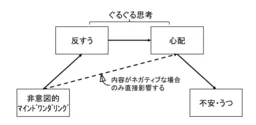
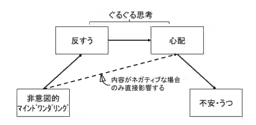
Mind wandering is a common experience where attention shifts away from the task at hand, often leading to unintentional thoughts. Recent findings reveal that mind wandering, especially when it involves negative and future-oriented thoughts, can exacerbate feelings of anxiety and depression. The study, conducted by a team including PhD candidate Siqing Guan and Professor Hiroaki Kumano of Waseda University, showed that unintentional mind wandering contributes significantly to rumination (repetitive thinking about past events) and worry (concern over future possibilities).
Research Methodology
The research team investigated the relationship between mind wandering and mental health by employing a “chain mediation model.” This model examined how mind wandering influences rumination and worry, which in turn affect levels of anxiety and depression. Participants comprised healthy university students who completed questionnaires assessing their typical levels of rumination, worry, anxiety, and depression, followed by a sustained attention task using a computer interface that was designed to induce mind wandering.
During this task, participants repeated simple actions while being intermittently prompted with questions to confirm whether they were mind wandering at that moment. Notably, the findings indicated that unintentional mind wandering, particularly when it related to negative, vague, or future-focused thoughts, heightened the frequency of rumination and worry, subsequently amplifying anxiety and depression levels.
Key Findings
The results from this research, published online in Scientific Reports, indicate that allowing thoughts to drift without intent can create a cyclical pattern leading to increased mental distress. Specifically, negative content during mind wandering directly contributes to heightened worry, while rumination didn’t seem to have a direct detrimental effect on anxiety or depression, indicating complex interactions between these cognitive processes.
Furthermore, the study revealed that intentional mind wandering did not correlate with anxiety or depression, suggesting that differentiating the type of mind wandering is crucial when addressing mental health.
Implications for Mental Health
The study’s implications extend beyond academic interest; they offer vital insights into possible interventions for improving mental health. By recognizing and managing unintentional mind wandering—especially when it leads to negative rumination and worry—individuals may find pathways to mitigate anxiety and depression. The researchers advocate for increasing awareness of one's cognitive processes and encourage practicing intentional mind wandering as a potential coping mechanism.
Future Research Directions
While the findings contribute significantly to our understanding of mind wandering and its impact on mental health, the researchers emphasize the importance of further exploration into the causal relationships. Future studies should investigate real-time fluctuations in mood related to mind wandering to comprehensively unravel the nature and implications of this cognitive phenomenon.
Researchers’ Perspective
In summary, this investigation represents a breakthrough in recognizing mind wandering as a focal point for psychological intervention. It underlines the need for individuals and mental health professionals to understand mind wandering not merely as a cognitive distraction but as a potential contributor to mental health challenges. Further research aims to elaborate on the dynamics of mind wandering and establish effective psychological interventions tailored to alleviate symptoms of anxiety and depression.
Conclusion
As mental health awareness grows, the implications of this research underscore the necessity of developing more nuanced psychological support strategies that consider the intricate relationships between subconscious thought processes and emotional well-being.
Reference
- - Scientific Reports: The chain mediation effect of rumination and worry between the intentionality and content dimensions of mind wandering and internalizing symptoms of depression and anxiety
Authors: Siqing Guan, Toru Takahashi, Nozomi Tomita, Hiroaki Kumano
Publication Date: July 1, 2025
DOI: 10.1038/s41598-025-99249-5

Topics Health)
【About Using Articles】
You can freely use the title and article content by linking to the page where the article is posted.
※ Images cannot be used.
【About Links】
Links are free to use.