



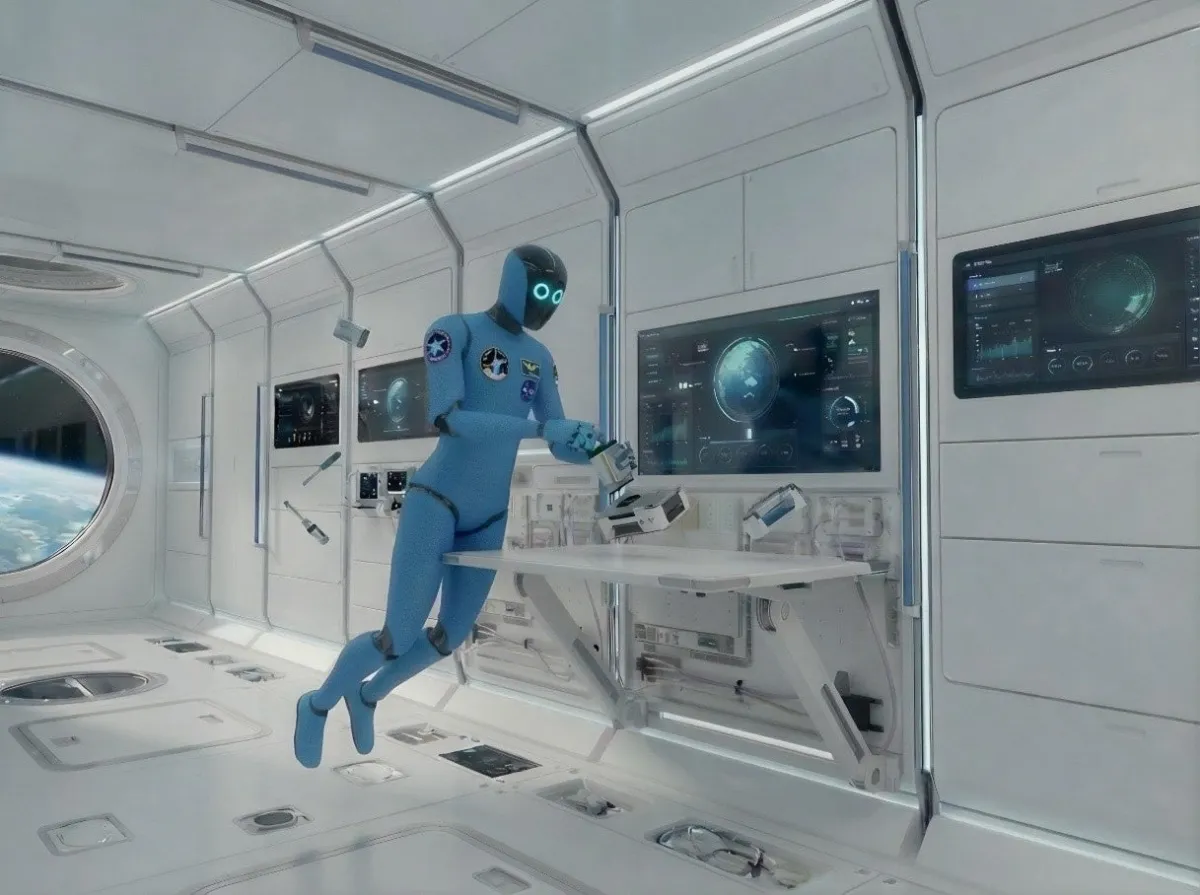
Revolutionizing Space Missions: The Launch of Robotic Development by Space Entry
Revolutionizing Space Missions: The Launch of Robotic Development by Space Entry
In an ambitious effort to streamline the operations of astronauts, Space Entry Inc., headquartered in Tsukuba, Ibaraki, has kicked off the development of space robotics. This initiative, which aims to enhance the efficiency of astronauts' work while encouraging broader participation in space development, represents a significant advancement in the field of commercial space exploration. The company is collaborating with Japan LEO Co., based in Chuo-ku, Tokyo, to explore cross-industry partnerships aimed at establishing a new era of commercial space stations.
Why Space Robotics is Essential for Private Space Stations
The responsibilities of astronauts are extensive and meticulously timed. During their stays on the International Space Station (ISS), which typically last from a few months to six months, astronauts conduct a variety of scientific experiments in fields such as physics, medicine, and biology. They are also responsible for the operation and maintenance of the ISS systems, including repair tasks. Given the overwhelming nature of these responsibilities, there is a pressing need to leverage technological advancements in remote operation, automation, and autonomy to manage these tasks more effectively.
The ISS is now showing signs of age and is scheduled for retirement in 2030. As a result, European and American private enterprises have begun developing commercial space stations to fill the gap post-ISS. This shift towards privatization is expected to foster new market opportunities, encouraging various companies to enter the space industry.
In Japan, Japan LEO has received funding from the JAXA Space Strategy Fund to initiate the development of the "Japanese Module" and a new supply vehicle based on the HTV-XC. This move aims to establish an ecosystem for the post-ISS era.
As we progress toward the post-ISS era, Space Entry envisions a future where the development of robotic systems equipped with remote operation, automation, and autonomy can allow numerous companies to engage in the space industry without adding to astronauts' workloads.
Vision for Robotics Development
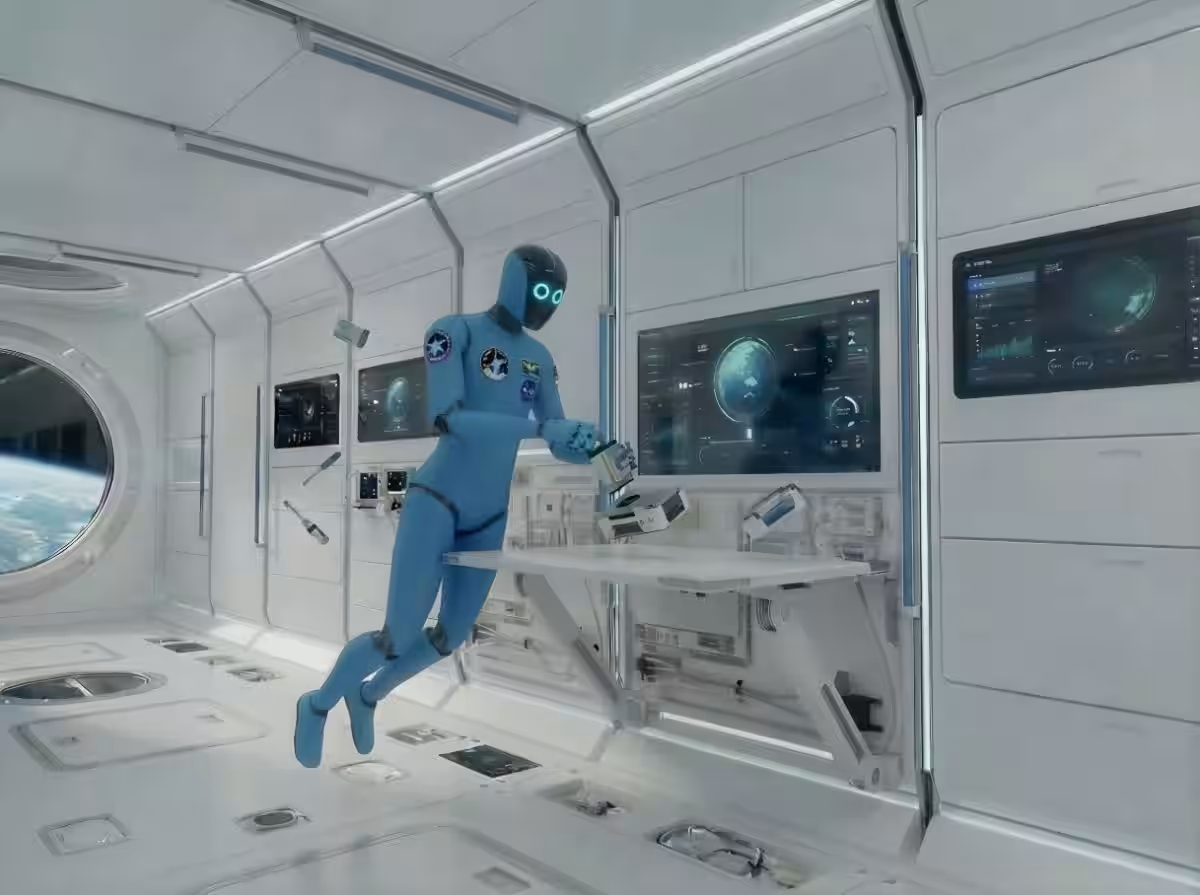
Space Entry aims to construct a robot system equipped with functions for communication with astronauts, free movement capability, material transportation, and even the execution of experiments within the Japanese Module. Such a robot will be accessible from several ground locations and can be operated remotely, thus alleviating the workload of astronauts while supporting their tasks and reducing training costs.
The implementation of these robot systems is expected to optimize and promote the utilization of the Japanese Module. Additionally, these robotic systems hold the potential for application in entertainment and other fields.
To realize this vision for space robotics operations and utilization, Space Entry is focusing on the development of robots, conducting environmental tests, and designing ground facilities for their operations.
Company Overview
Space Entry Inc.
- Location: 2-1-6 Chingen, Tsukuba, Ibaraki
- CEO: Ryoichi Kumagai
- Business: Development of robots that operate in space environments and related services.
- Founded: June 2023
- Website: space-entry.co.jp
Japan LEO Co.
- Location: 2-1-1 Nihonbashi Muromachi, Chuo-ku, Tokyo
- CEO: Yudai Yamamoto
- Business: Development of commercial supply vessels, Japanese Module development, and low Earth orbit utilization.
- Founded: July 2024
- Website: japan-leo-shachu.com
Topics Entertainment & Media)
【About Using Articles】
You can freely use the title and article content by linking to the page where the article is posted.
※ Images cannot be used.
【About Links】
Links are free to use.