



Survey Reveals Summer Heat Impacting Gen Z Lifestyles and Spending Habits
Impact of Summer Heat on Gen Z's Lifestyle and Spending
Introduction
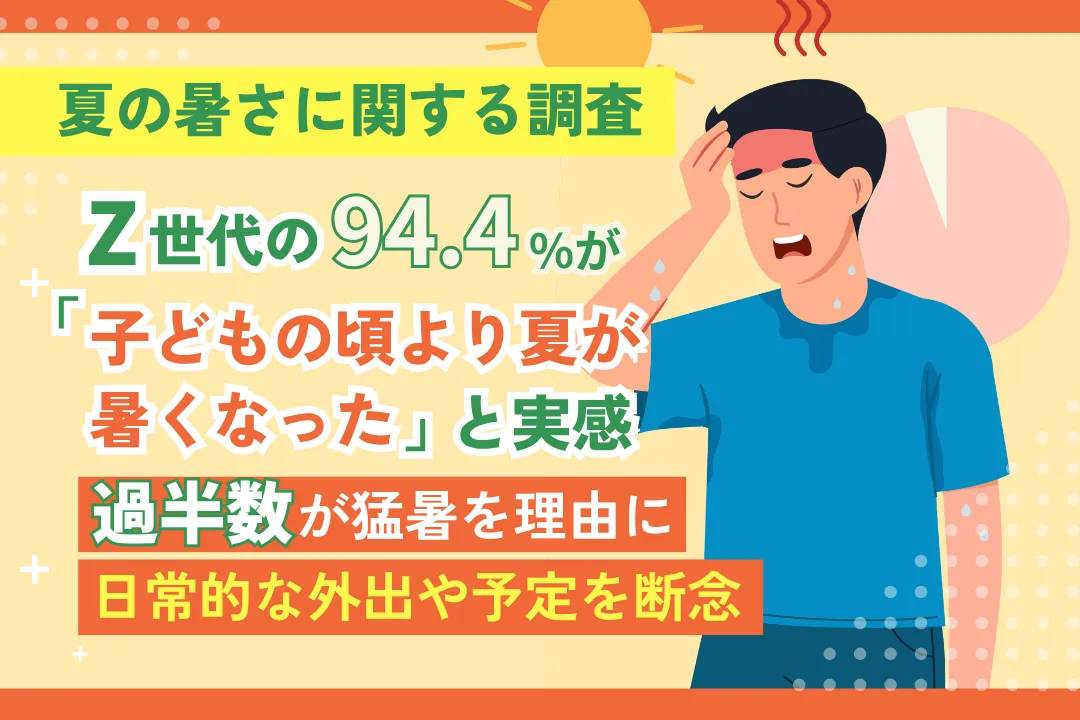
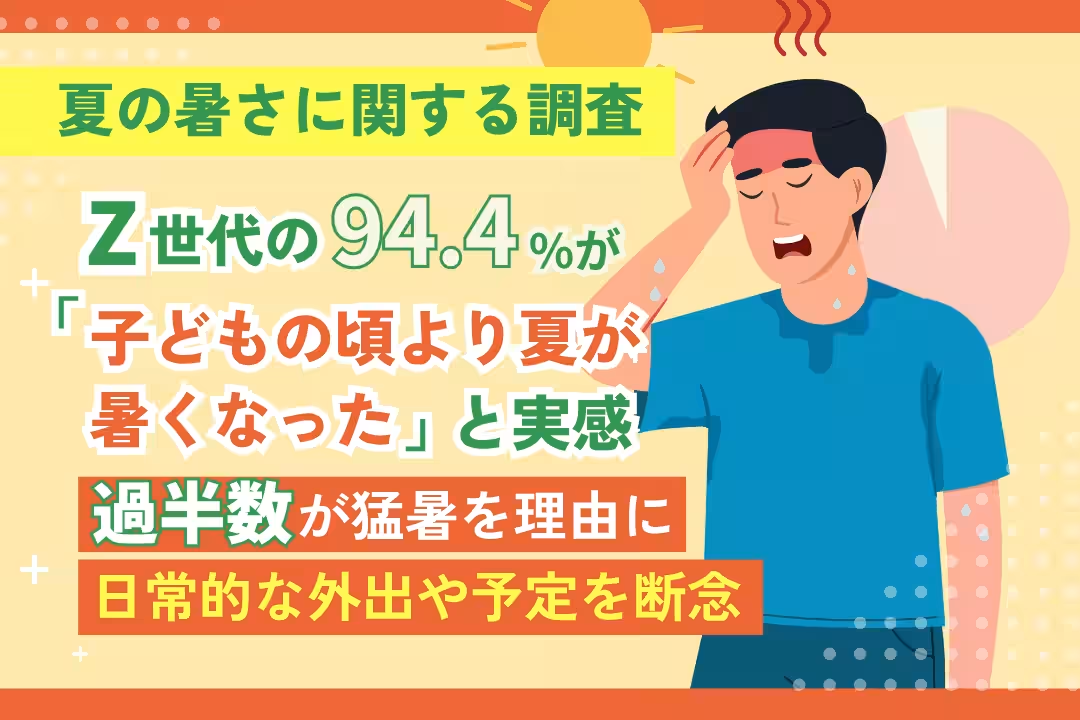
In a recent survey conducted by Seamint., a company based in Koto, Tokyo, the impact of rising summer temperatures on Gen Z's daily lives has been revealed. The findings are startling, with an overwhelming 94.4% of respondents asserting that summers have become significantly hotter compared to their childhood. More than half of the participants admitted to altering or canceling plans due to excessive heat, highlighting a broader shift in both behavior and financial management.
Key Survey Results
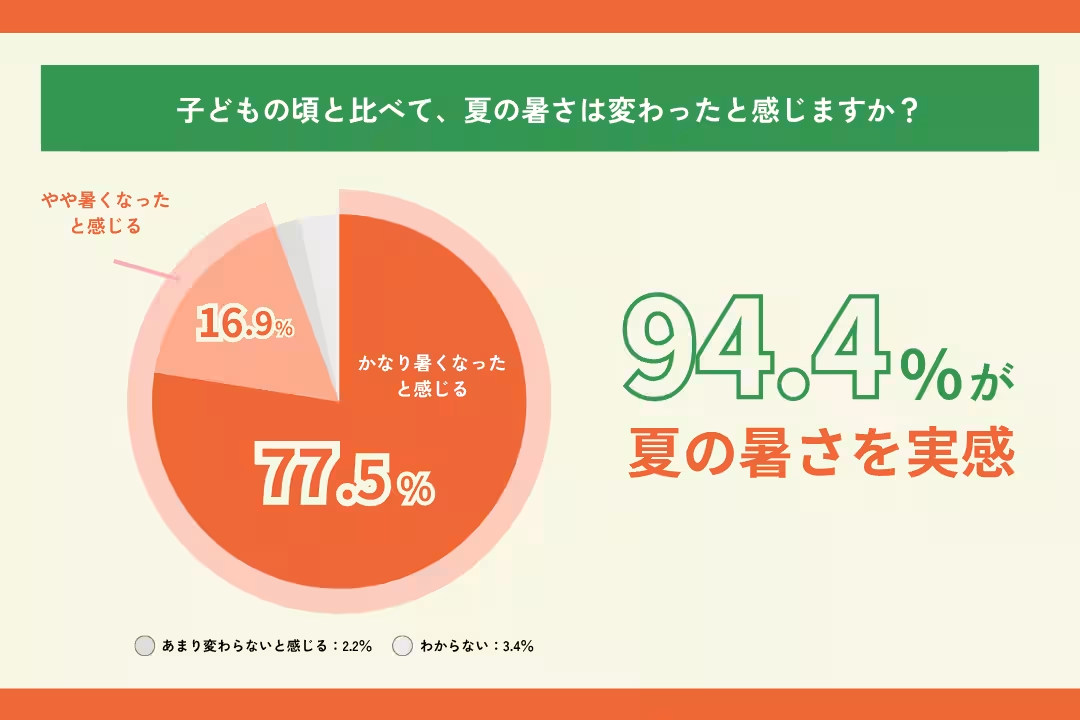
1. Overwhelming Sentiment: Over 90% of participants feel that summers are warmer now. Among them, 77.5% describe the change as significant, while 16.9% note a slight increase in temperature.
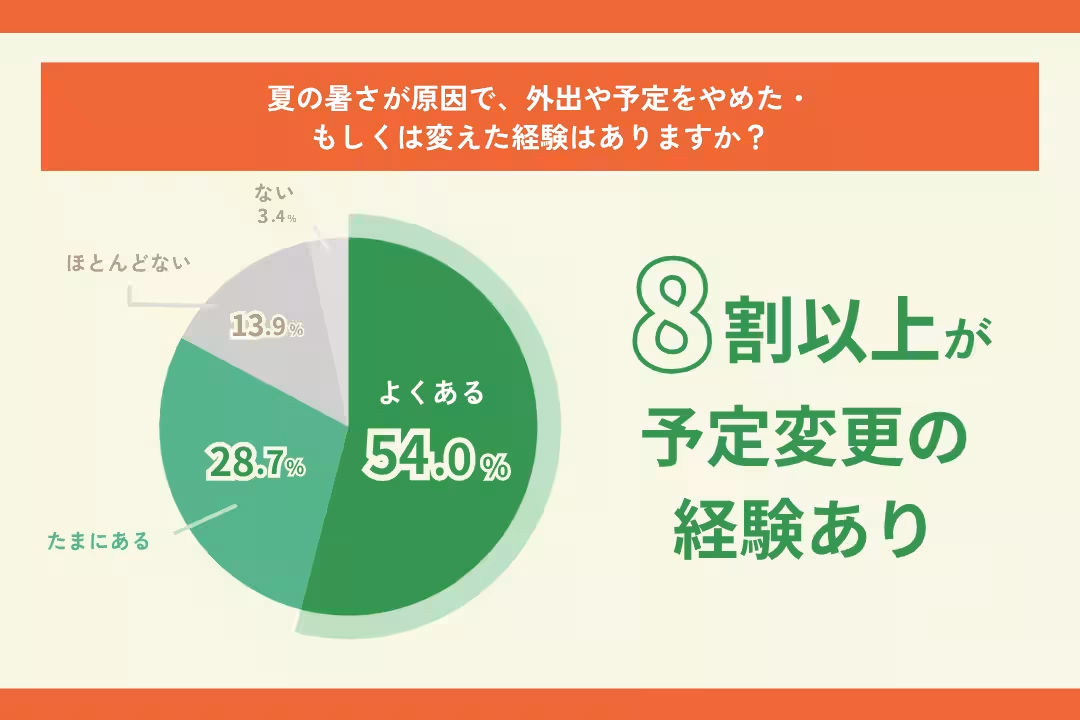
2. Change in Activities: Approximately 54% of respondents regularly change their plans or avoid outdoor activities due to the heat. A staggering 82.8% admitted to having to retrieve or abandon their plans due to high temperatures.
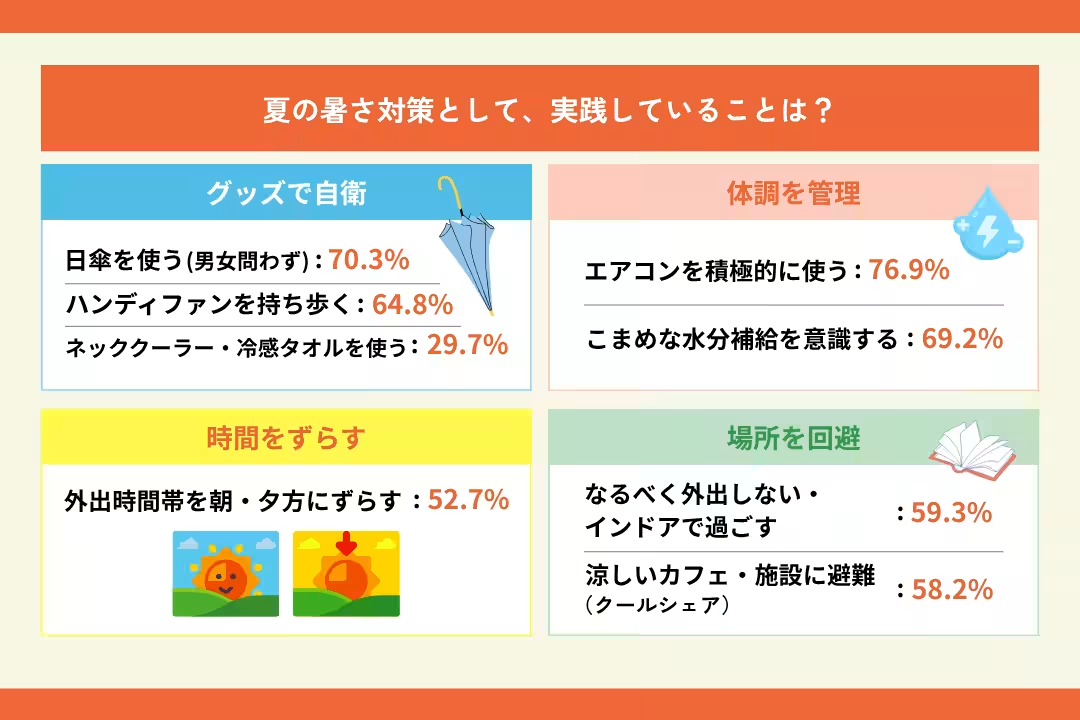
3. Popular Heat Prevention Tactics: The most common strategies employed to combat the heat include increased air conditioning usage (76.9%), use of personal umbrellas (70.3%), and portable fans (64.8%). There’s also a notable trend towards genderless approaches to heat protection, with both men and women adopting these measures.
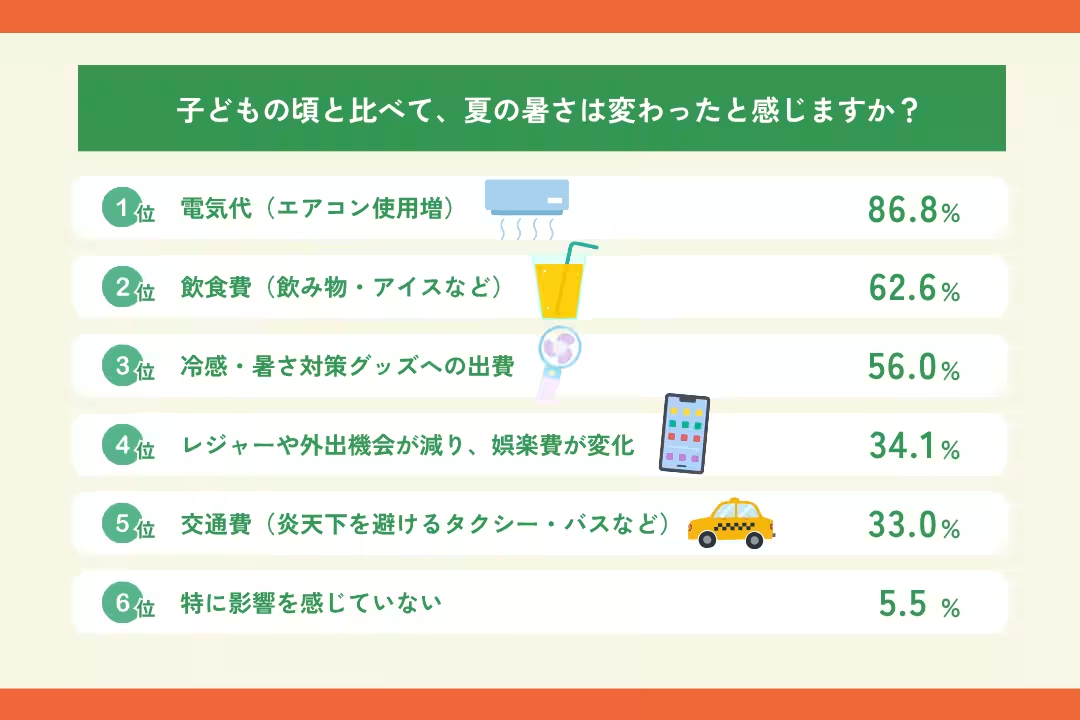
4. Rising Costs: The financial burden of summer heat extends beyond electricity bills to include increased expenses on food, entertainment, and transportation. A majority of respondents cited heightened spending on cold drinks and air conditioning.
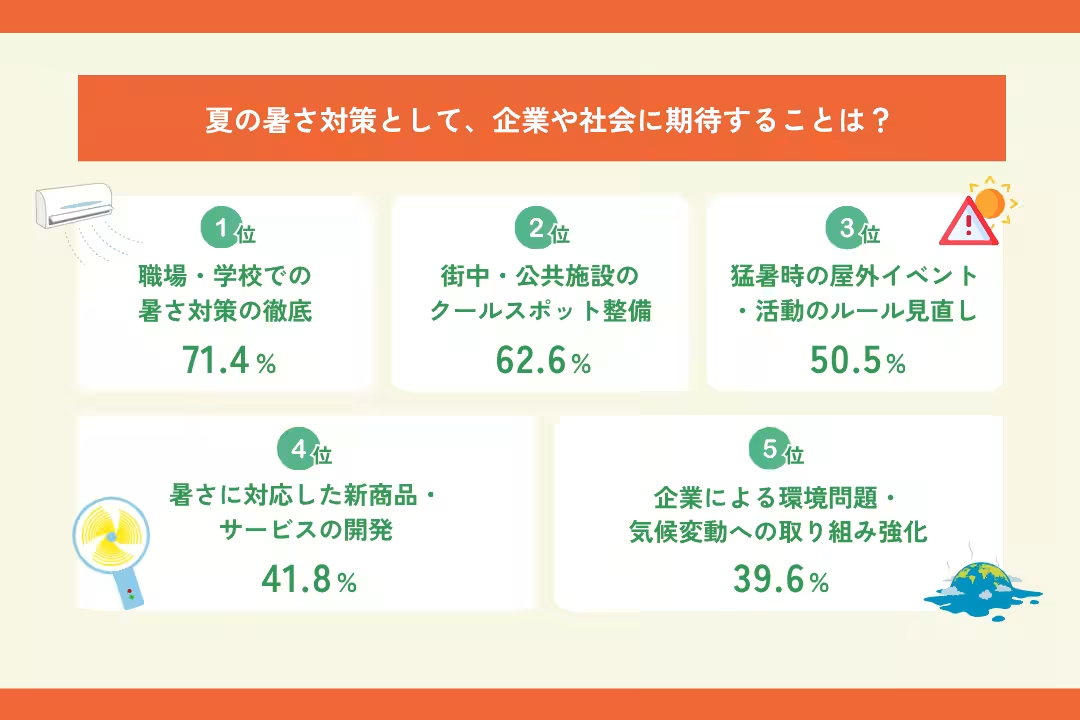
5. Desire for Institutional Change: There’s a strong call for more robust workplace and school policies regarding heat management, and the establishment of public cooling zones.
Deep Dive into the Heat Experience
When asked if childhood summers felt similar to the current experiences, 94.4% of respondents answered affirmatively. This sentiment reflects not only an increased discomfort but also a profound concern about changing seasonal dynamics, with many lamenting the shortening of spring and autumn.
Changing Activities
Over half of the participants (54.0%) reported that they frequently modify their outdoor plans due to extreme heat. Past exuberance related to summer festivities has now given way to a reluctance to engage in prolonged outdoor activities, with many participants expressing frustration over missing out on beloved summer events, such as music festivals.
Heat Adaptation Methods
Respondents identified several strategies to cope with the sweltering conditions. As previously mentioned, air conditioning topped the list, followed closely by the utilization of sun umbrellas or UV-blocking clothing. The responses highlighted an emerging trend where individuals are taking proactive measures to shield themselves from the sun, regardless of gender.
Economic Effects
Financially, participants indicated that the heat leads not only to increased electricity bills (reported by 86.8% of respondents) but also raises other expenses, including food and recreational outings. The results underscored a broader economic implication with many acknowledging that their overall lifestyles have adjust to accommodate new costs associated with heat management.
Social Considerations
Participants expressed a desire for enhanced systemic supports, including improved policies at schools and workplaces, as well as the establishment of public cooling zones, reflecting a collective expectation for more robust public infrastructure in the face of increasingly hot summers.
Supporting Data from Meteorological Trends
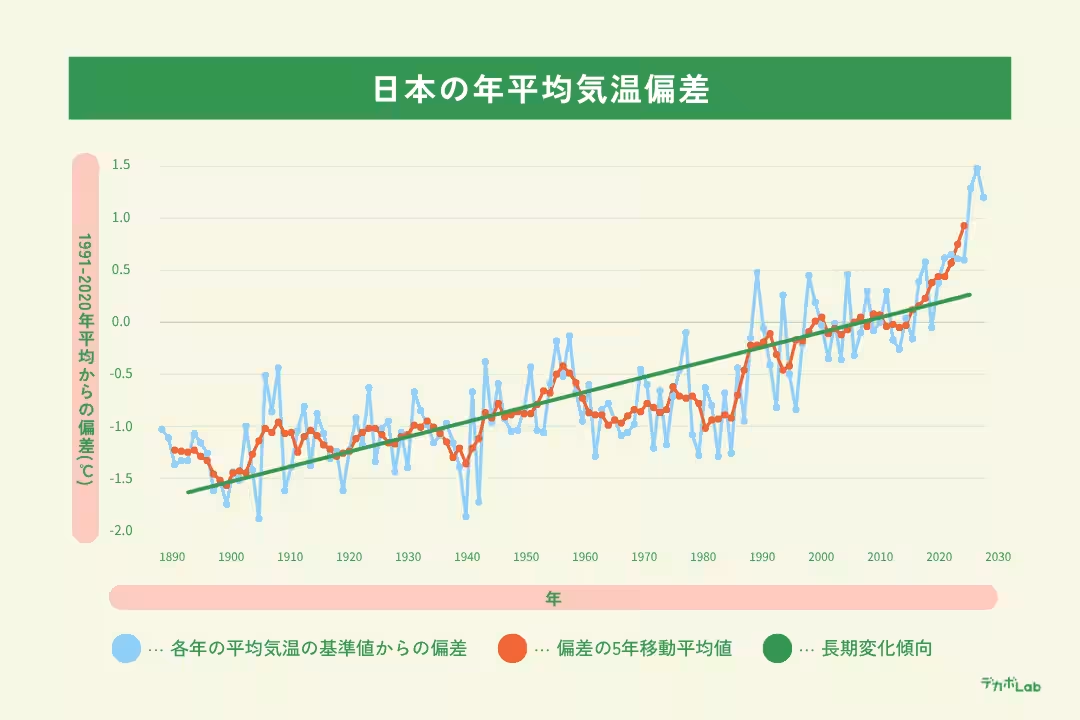
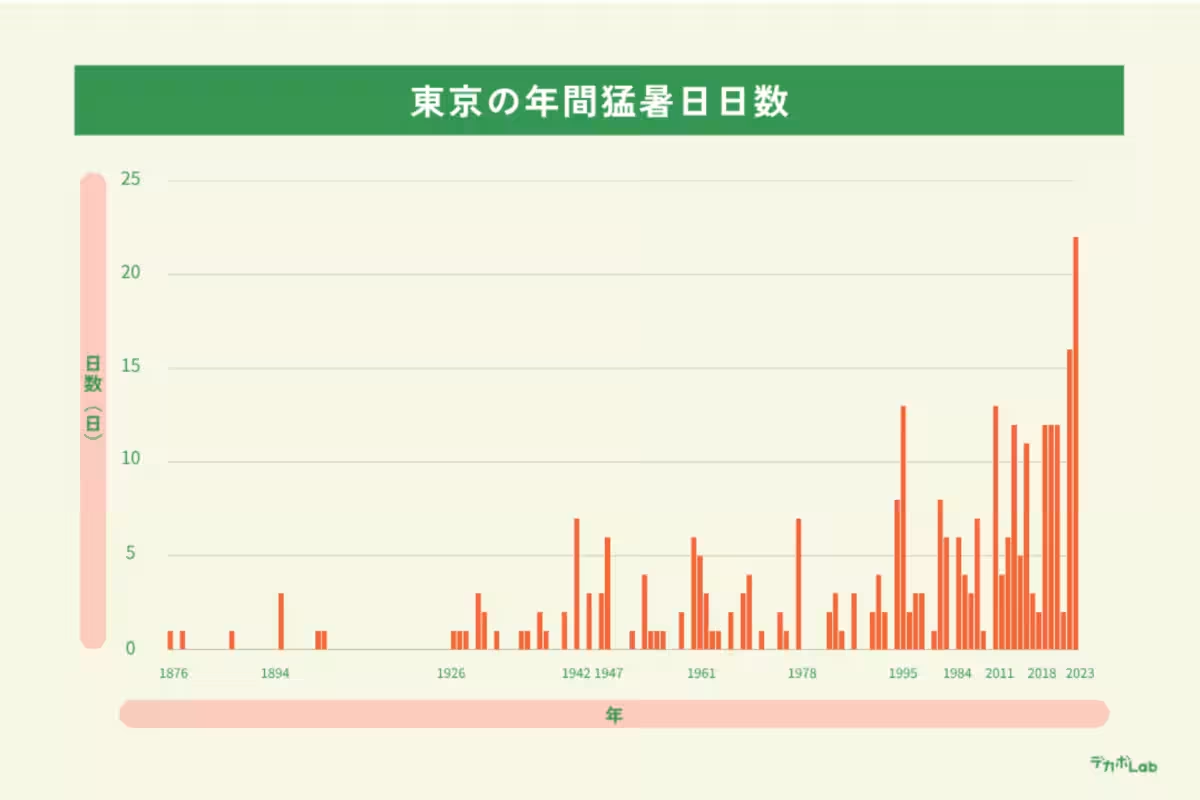
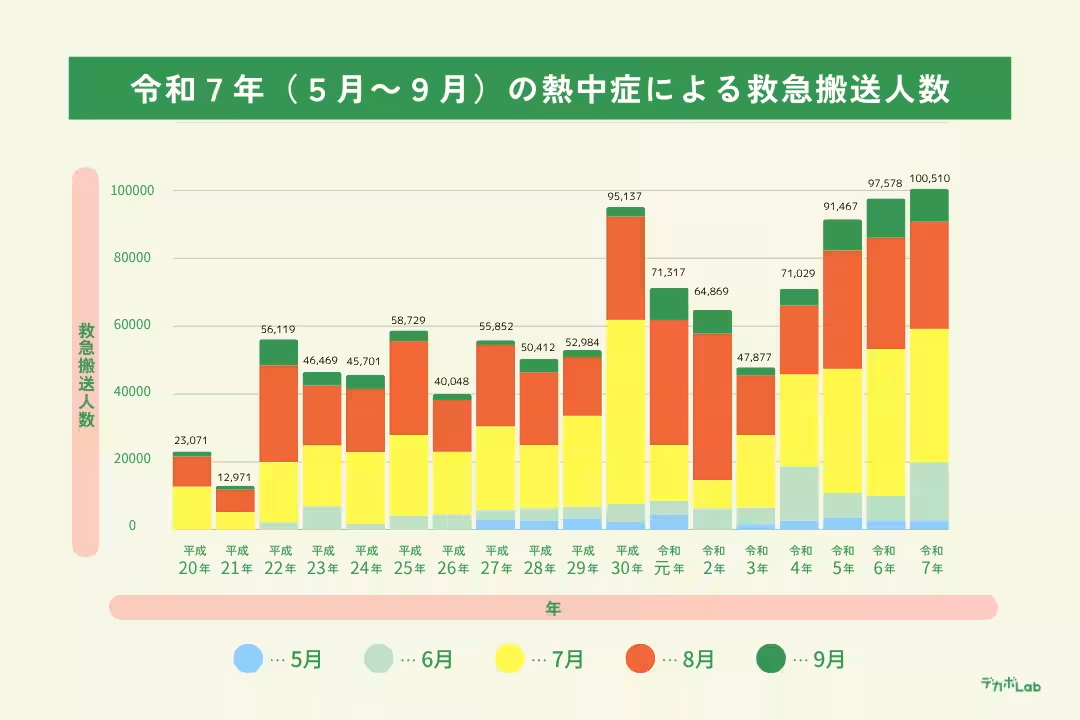
Supporting the survey findings, data from Japan’s meteorological authorities indicate a marked increase in average summer temperatures. Analysis shows an alarming rise over the decades, indicating a trend that many experts attribute to climate change. Additionally, the number of heat-related emergency treatments dramatically increased, with over 100,000 cases reported for the first time in May to September of 2025.
Conclusion
This survey not only reveals alarming trends about the changes in summer heat but also illustrates how these transformations are redefining daily life and economic patterns for the younger generation. As we face increasing risks associated with temperature extremes, it is clear that both individual and societal responses are critical. Addressing these challenges requires a concerted effort across individuals, businesses, and governments to foster a more sustainable and adaptable future amidst rising global temperatures.
About Seamint
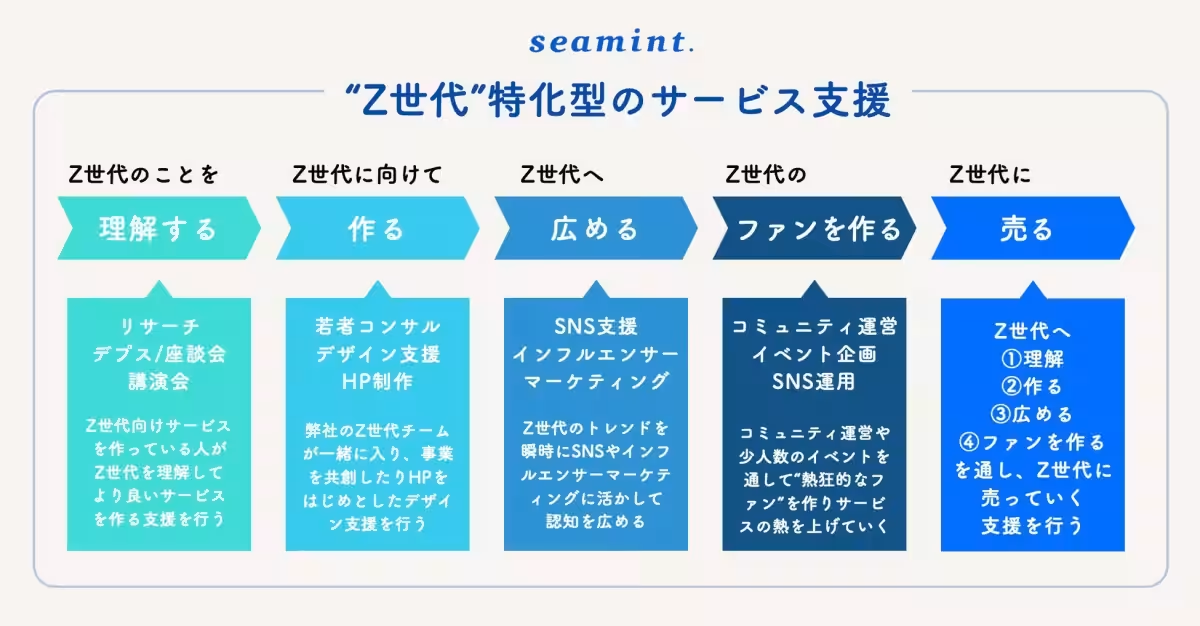
Seamint. is a marketing company specializing in insights and strategies for Generation Z. Founded in 2019, it aims to better understand and serve the needs of this young demographic, providing actionable guidance for businesses looking to connect with them.


Topics People & Culture)
【About Using Articles】
You can freely use the title and article content by linking to the page where the article is posted.
※ Images cannot be used.
【About Links】
Links are free to use.