



Exploring the Potential of Log Houses as Ideal Employee Benefits for Urban Professionals
In a recent survey conducted by Big Box Co., a leading manufacturer of log houses, about 70% of urban professionals expressed experiencing stress in their workplace. This survey targeted various employees including general staff and management roles, focusing on communication challenges and the demand for natural off-site facilities, specifically log houses, as a beneficial workplace option. As the stress level among employees rises due to demanding work environments, it becomes crucial for organizations to consider interventions that could effectively support mental health and foster better workplace communications.
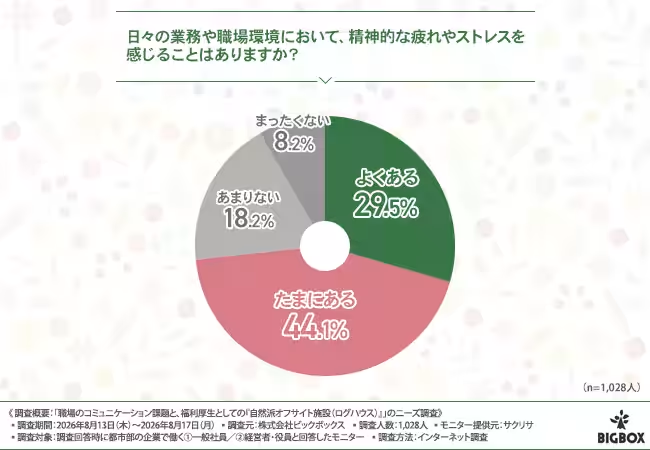
The findings revealed that nearly 70% of respondents felt mental fatigue or stress related to their daily tasks and workplace conditions. The pressures of work, coupled with complicated interpersonal dynamics in offices, contribute significantly to employees’ mental burdens. With the increasing complexity of modern work environments, this stress is likely to escalate if not addressed by companies.
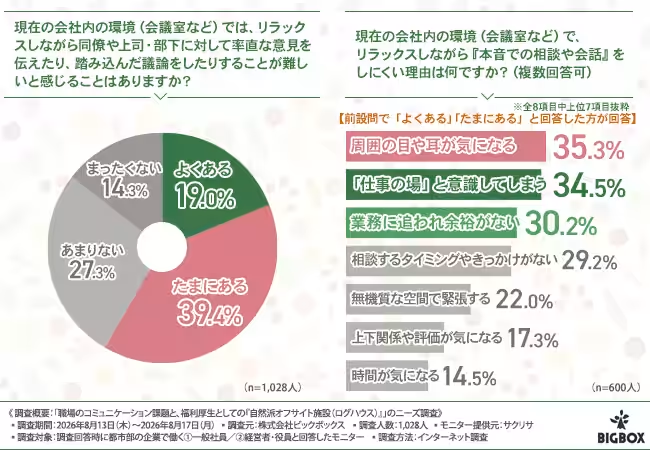
Moreover, the survey highlighted that about 60% of participants feel it difficult to express their true opinions and engage in candid discussions within their current office settings. Respondents indicated that various factors contribute to this challenge, such as concern over being judged by colleagues (35.3%), an overwhelming 'work mode' mindset (34.5%), and a general lack of time for thoughtful discussion amid hectic work schedules (30.2%). These findings suggest an urgent need for workplaces to create an atmosphere that encourages open communication and collaboration.
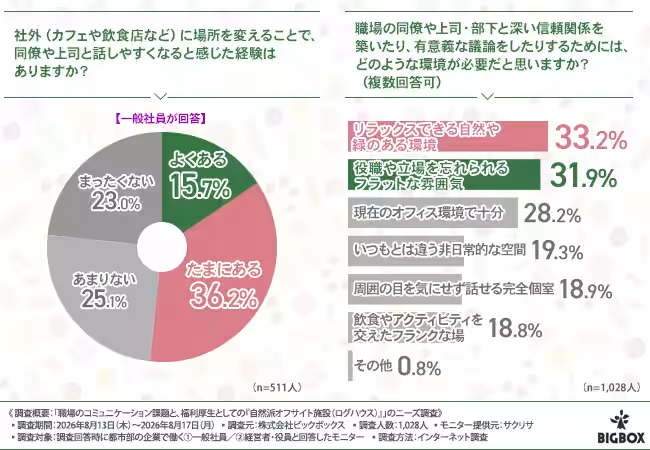
So, how can changing the environment affect workplace dynamics? Shifting discussions from sterile office confines to more relaxed external venues—like cafes or dining establishments—appears to facilitate easier dialogue. About half of the survey respondents admitted that they felt more comfortable discussing work matters when in a less formal setting outside the office. This trend suggests that loosening the rigid structure imposed by the office can lead to more productive conversations among team members.
The survey further explored the desirable elements sought in environments conducive to fostering trust and meaningful discussions among colleagues. The majority of participants pointed out the importance of a natural and relaxed ambiance, with greenery being the most requested feature (33.2%) followed closely by a flat atmosphere where professional hierarchies can conveniently fade away (31.9%). Clearly, respondents are seeking a stark contrast to their usual sterile office setups—opting for settings where nature's tranquility can promote well-being and creative collaboration.
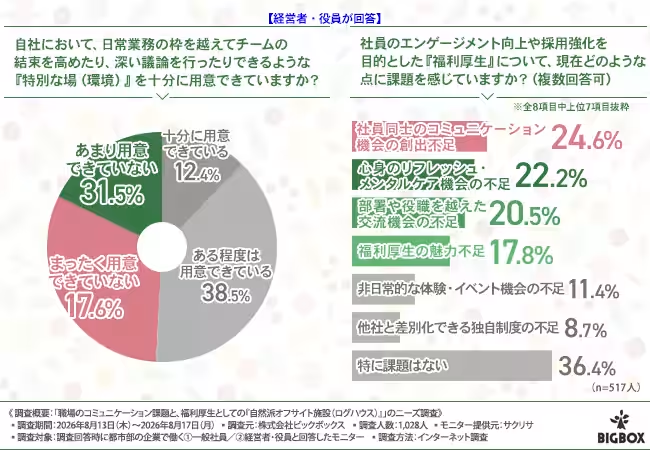
However, does the corporate world recognize the necessity of such environments? When business leaders were asked if their companies adequately provide special venues that facilitate team bonding and deep discussions beyond regular business operations, a staggering proportion said they lack sufficient provisions: 31.5% indicated they struggle to provide such spaces, while 17.6% reported that their organizations have not offered any at all. This gap indicates a missed opportunity for businesses to enhance their cultures and strengthen team cohesion through thoughtful environments.
Further discussions about corporate welfare systems reveal that over 24% of respondents noted that the primary challenge in enhancing employee engagement is the lack of opportunities for interaction among coworkers. This, combined with inadequate mental health support (22.2%) and insufficient cross-department engagement (20.5%), suggests that employees are seeking holistic approaches to workplace satisfaction that extend beyond monetary rewards.
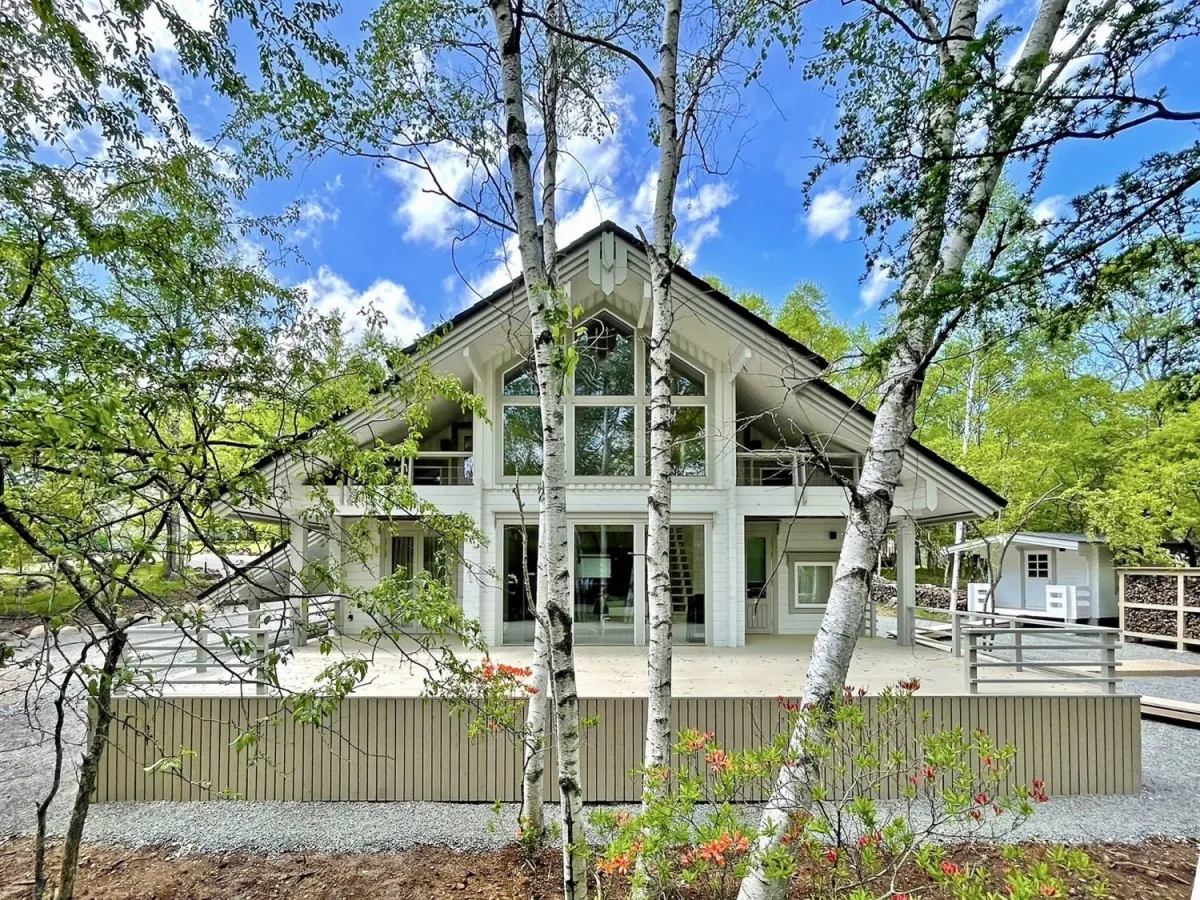
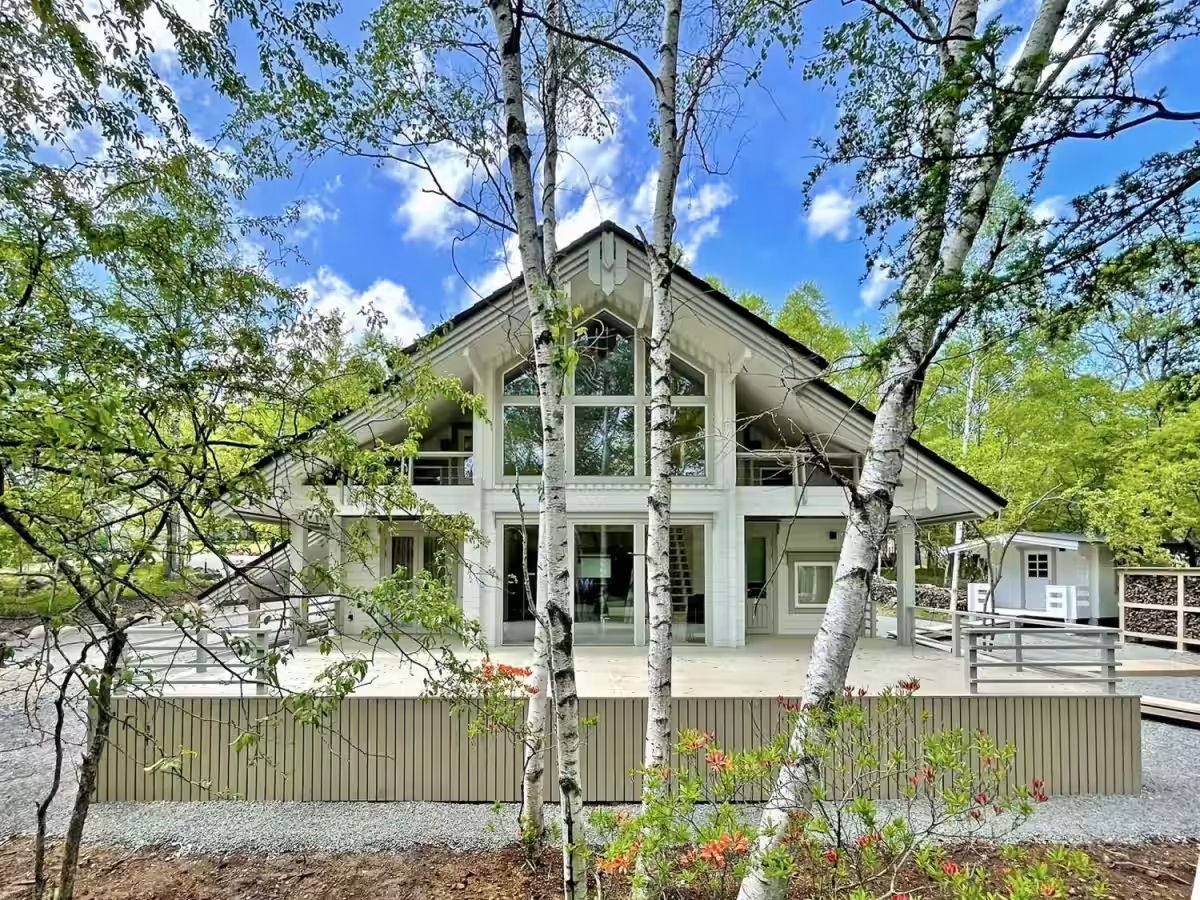
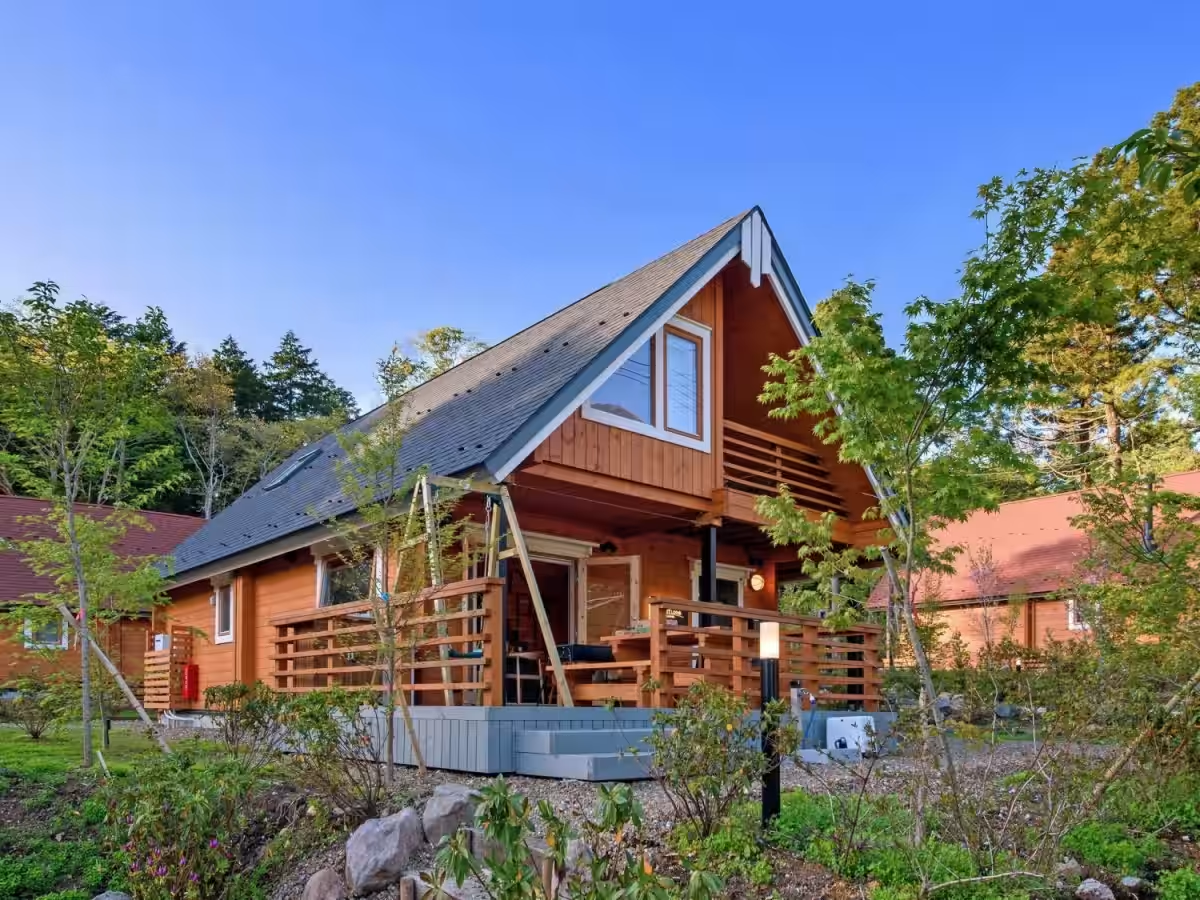
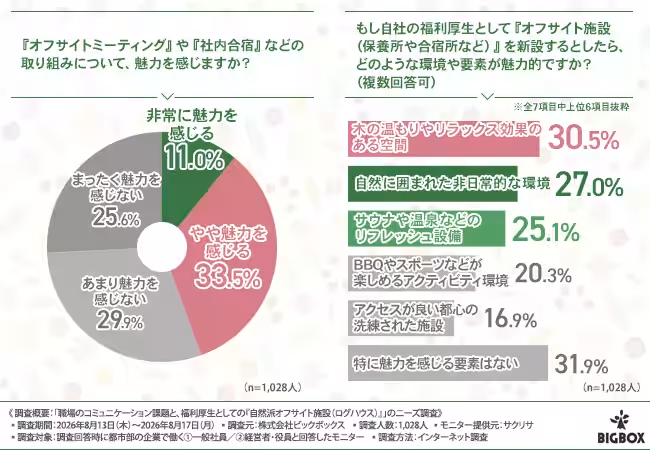
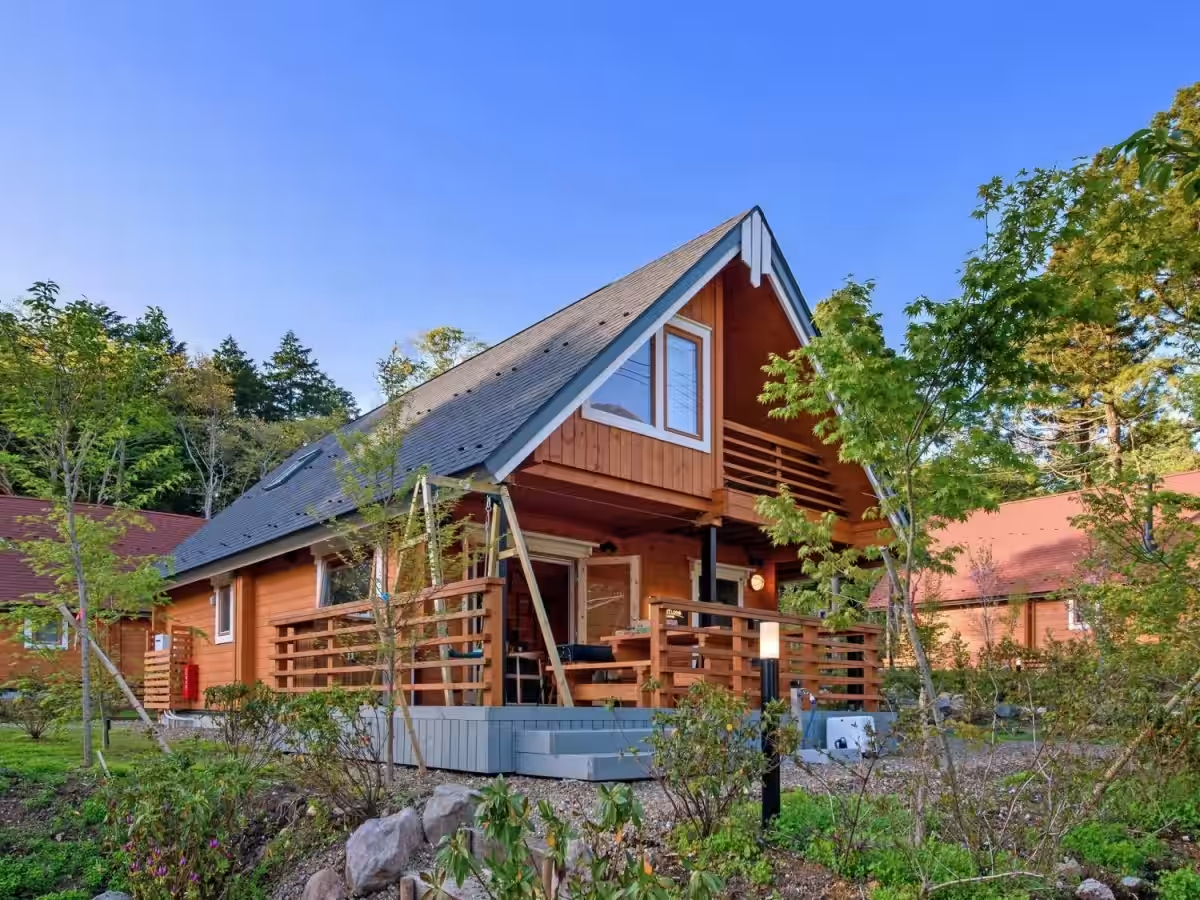
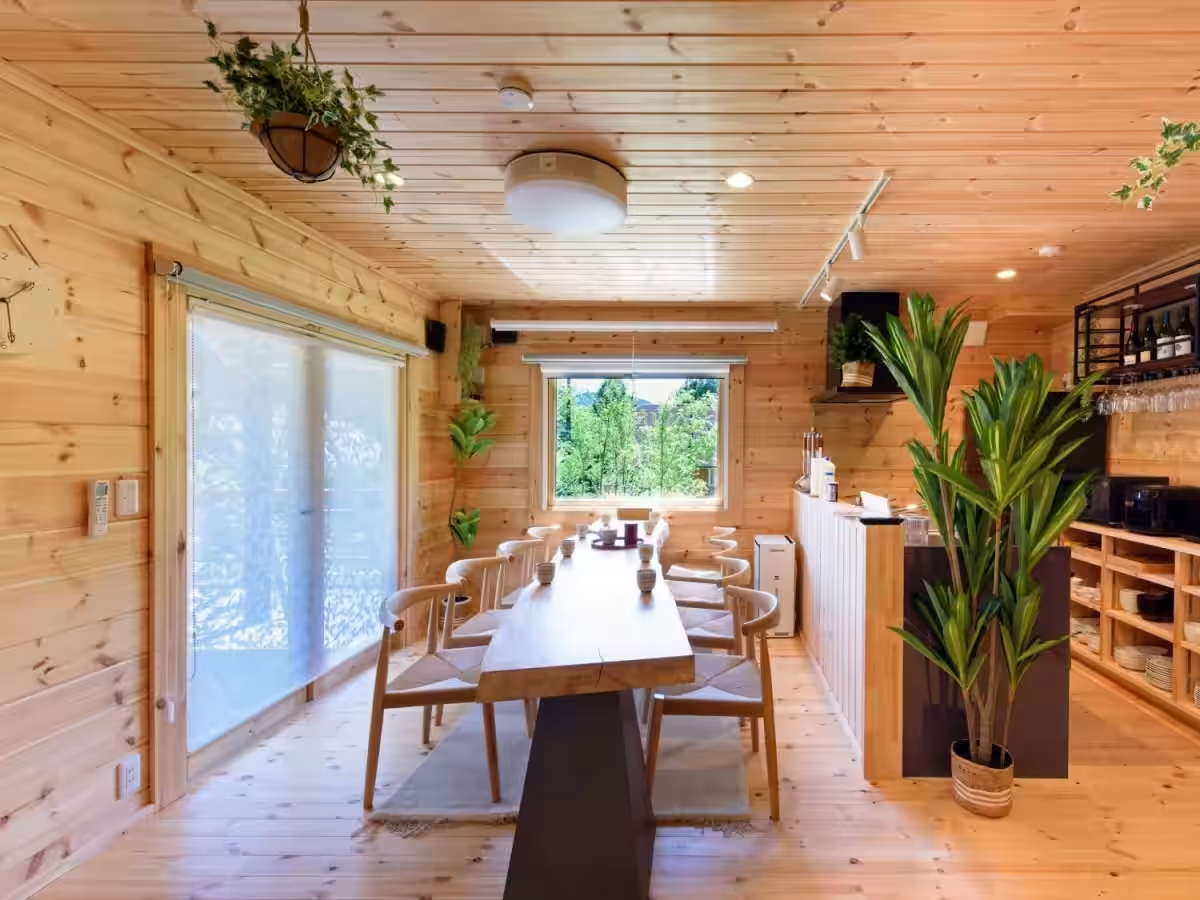
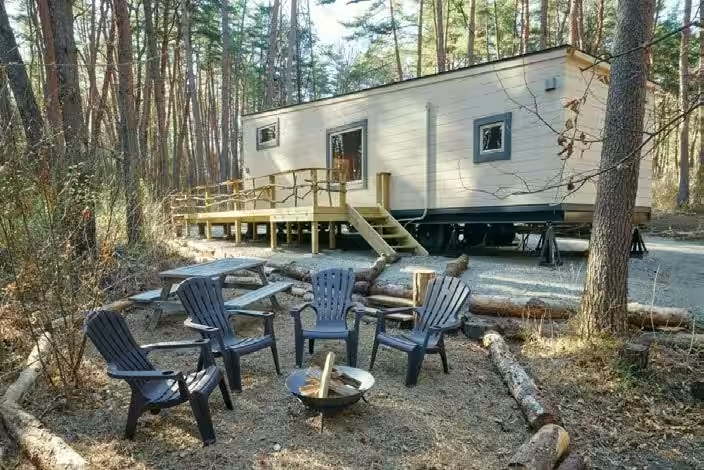
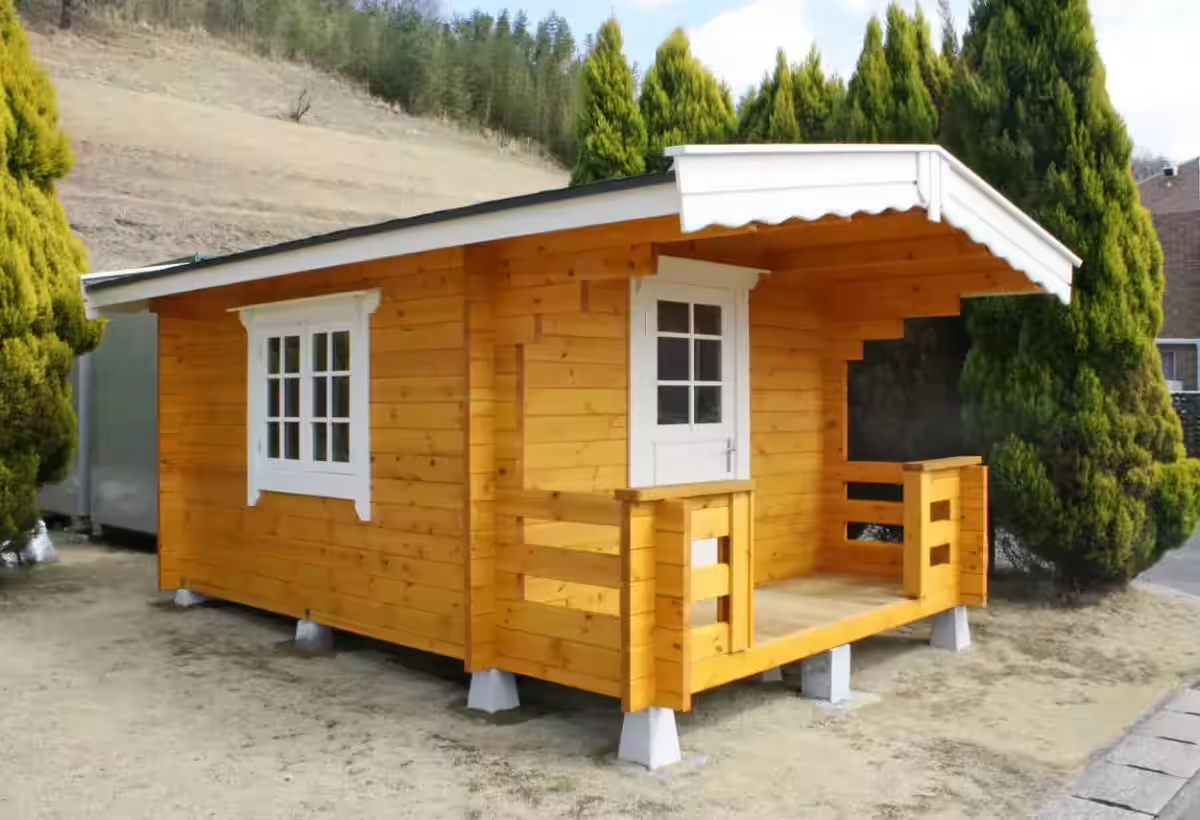
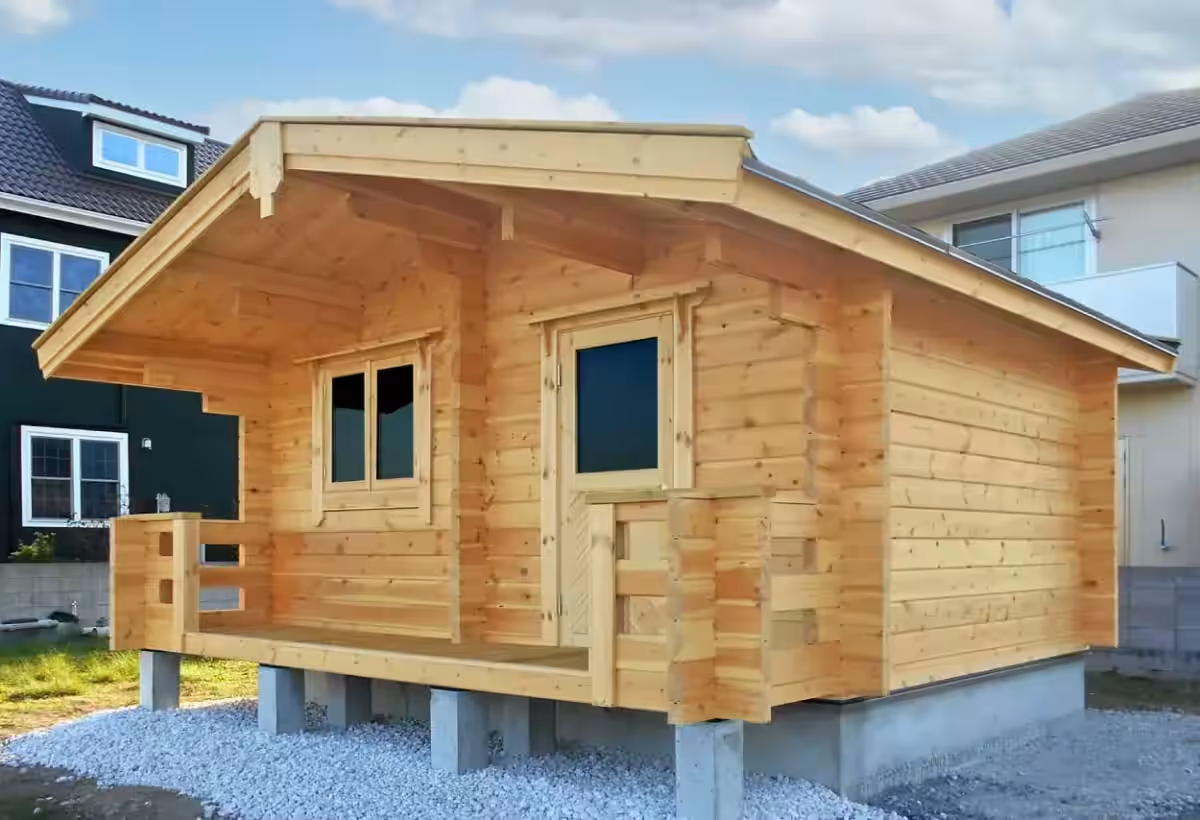
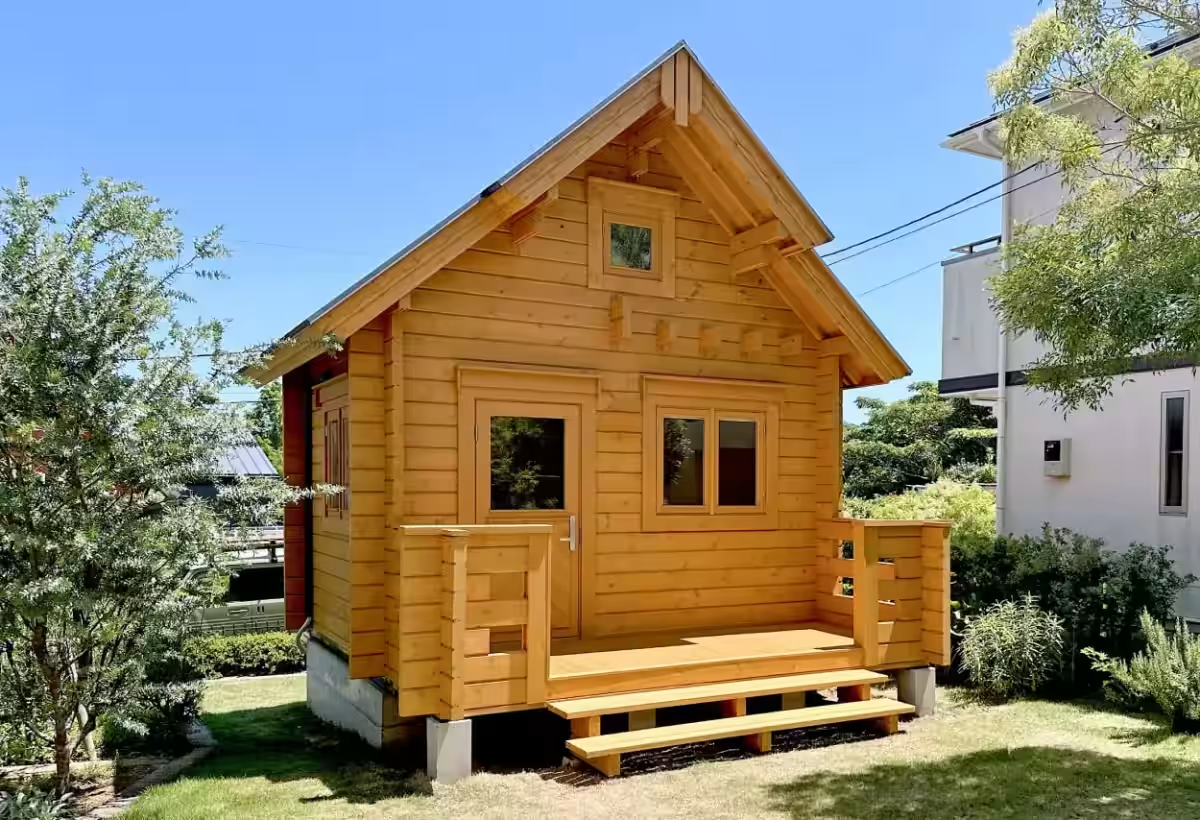
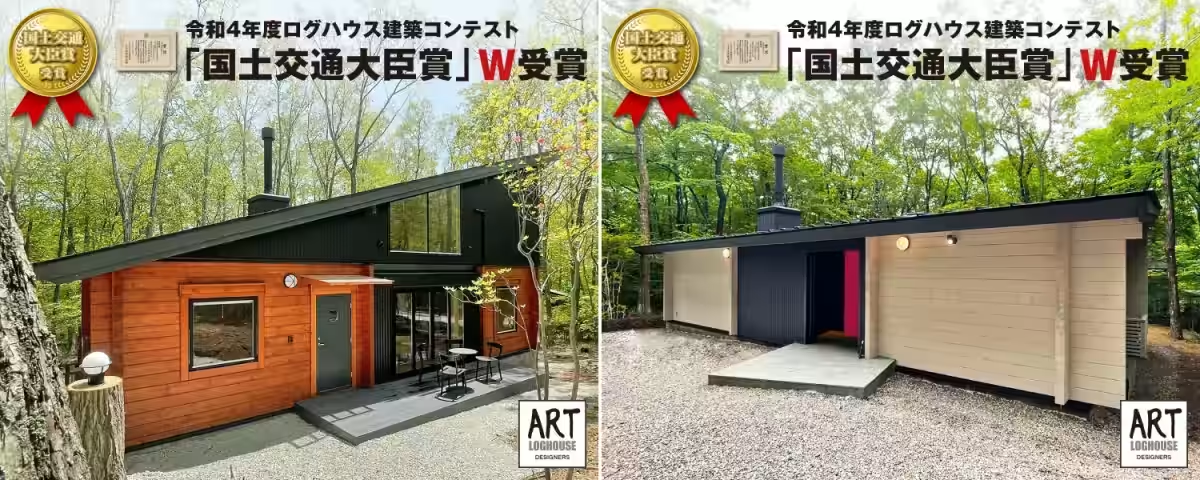
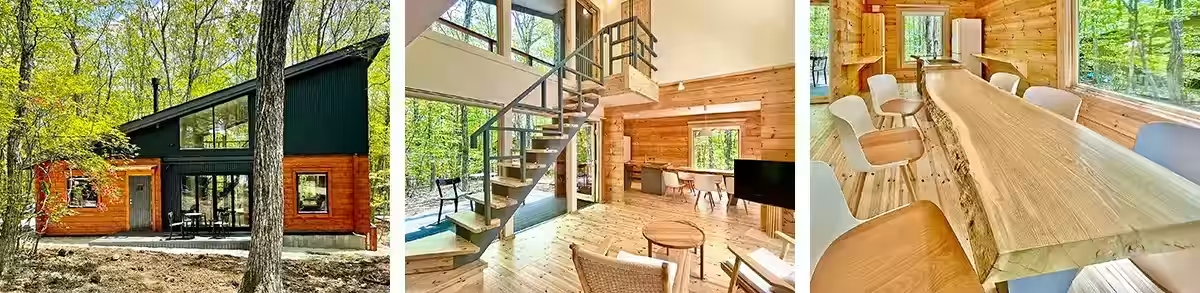
The idea of utilizing log houses as off-site facilities is gaining traction. A significant portion of respondents—about 40%—expressed interest in off-site meetings or retreats, indicating an appetite for new approaches to teamwork and brainstorming sessions away from typical work constraints. They identified critical features desired in such off-site facilities, including warm, wooden environments (30.5%), extraordinary natural settings (27.0%), and wellness amenities like saunas or hot springs (25.1%). These elements speak to the need for relaxation and rejuvenation, which could be pivotal for many overworked employees.
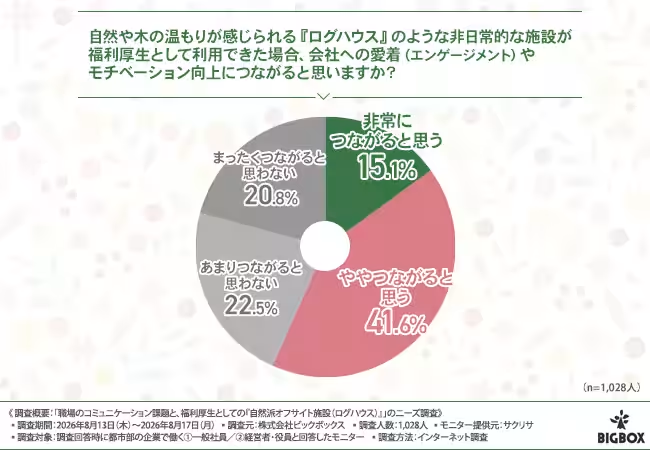
Moreover, when asked if they believe that a unique facility resembling a log house would enhance their motivation and connection to the company, nearly 60% responded affirmatively. They believe that such a facility would emphasize the organization's commitment to employee health and well-being and serve to strengthen overall employee engagement.
Conclusion: Reevaluating Workplace Environments through Nature-Inspired Facilities
The results from Big Box’s study unveil a critical truth: majority of urban professionals juggle stress and challenge in expressing their true thoughts in their conventional office environments. They face barriers shaped by their settings—something that can potentially hinder effective communication and team bonding. Increasing employee engagement must be prioritized, focusing on meaningful experiences, relationships, and mental well-being support.
It becomes apparent that natural off-site retreats like log houses may present a viable solution to counteract existing issues and promote a positive work environment. Encouraging companies to invest in such unique venues could position them favorably as they seek to improve employee satisfaction while nurturing a more cohesive organizational culture—one that balances the influx of work demands with the necessary rejuvenation afforded by nature. By introducing environments that resonate with comfort and tranquility, organizations can foster a happier, healthier workforce ready to engage deeply and perform effectively.



The findings revealed that nearly 70% of respondents felt mental fatigue or stress related to their daily tasks and workplace conditions. The pressures of work, coupled with complicated interpersonal dynamics in offices, contribute significantly to employees’ mental burdens. With the increasing complexity of modern work environments, this stress is likely to escalate if not addressed by companies.
Moreover, the survey highlighted that about 60% of participants feel it difficult to express their true opinions and engage in candid discussions within their current office settings. Respondents indicated that various factors contribute to this challenge, such as concern over being judged by colleagues (35.3%), an overwhelming 'work mode' mindset (34.5%), and a general lack of time for thoughtful discussion amid hectic work schedules (30.2%). These findings suggest an urgent need for workplaces to create an atmosphere that encourages open communication and collaboration.
So, how can changing the environment affect workplace dynamics? Shifting discussions from sterile office confines to more relaxed external venues—like cafes or dining establishments—appears to facilitate easier dialogue. About half of the survey respondents admitted that they felt more comfortable discussing work matters when in a less formal setting outside the office. This trend suggests that loosening the rigid structure imposed by the office can lead to more productive conversations among team members.
The survey further explored the desirable elements sought in environments conducive to fostering trust and meaningful discussions among colleagues. The majority of participants pointed out the importance of a natural and relaxed ambiance, with greenery being the most requested feature (33.2%) followed closely by a flat atmosphere where professional hierarchies can conveniently fade away (31.9%). Clearly, respondents are seeking a stark contrast to their usual sterile office setups—opting for settings where nature's tranquility can promote well-being and creative collaboration.
However, does the corporate world recognize the necessity of such environments? When business leaders were asked if their companies adequately provide special venues that facilitate team bonding and deep discussions beyond regular business operations, a staggering proportion said they lack sufficient provisions: 31.5% indicated they struggle to provide such spaces, while 17.6% reported that their organizations have not offered any at all. This gap indicates a missed opportunity for businesses to enhance their cultures and strengthen team cohesion through thoughtful environments.
Further discussions about corporate welfare systems reveal that over 24% of respondents noted that the primary challenge in enhancing employee engagement is the lack of opportunities for interaction among coworkers. This, combined with inadequate mental health support (22.2%) and insufficient cross-department engagement (20.5%), suggests that employees are seeking holistic approaches to workplace satisfaction that extend beyond monetary rewards.
The idea of utilizing log houses as off-site facilities is gaining traction. A significant portion of respondents—about 40%—expressed interest in off-site meetings or retreats, indicating an appetite for new approaches to teamwork and brainstorming sessions away from typical work constraints. They identified critical features desired in such off-site facilities, including warm, wooden environments (30.5%), extraordinary natural settings (27.0%), and wellness amenities like saunas or hot springs (25.1%). These elements speak to the need for relaxation and rejuvenation, which could be pivotal for many overworked employees.
Moreover, when asked if they believe that a unique facility resembling a log house would enhance their motivation and connection to the company, nearly 60% responded affirmatively. They believe that such a facility would emphasize the organization's commitment to employee health and well-being and serve to strengthen overall employee engagement.
Conclusion: Reevaluating Workplace Environments through Nature-Inspired Facilities
The results from Big Box’s study unveil a critical truth: majority of urban professionals juggle stress and challenge in expressing their true thoughts in their conventional office environments. They face barriers shaped by their settings—something that can potentially hinder effective communication and team bonding. Increasing employee engagement must be prioritized, focusing on meaningful experiences, relationships, and mental well-being support.
It becomes apparent that natural off-site retreats like log houses may present a viable solution to counteract existing issues and promote a positive work environment. Encouraging companies to invest in such unique venues could position them favorably as they seek to improve employee satisfaction while nurturing a more cohesive organizational culture—one that balances the influx of work demands with the necessary rejuvenation afforded by nature. By introducing environments that resonate with comfort and tranquility, organizations can foster a happier, healthier workforce ready to engage deeply and perform effectively.
Topics People & Culture)


【About Using Articles】
You can freely use the title and article content by linking to the page where the article is posted.
※ Images cannot be used.
【About Links】
Links are free to use.