



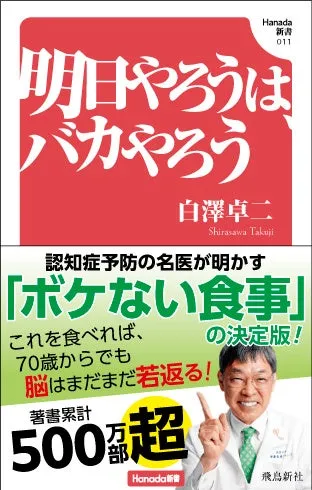
The Ultimate Guide to Preventing Dementia Through Diet by Dr. Takuji Shirakawa
The Definitive Guide to a Dementia-Proof Diet by Dr. Takuji Shirakawa
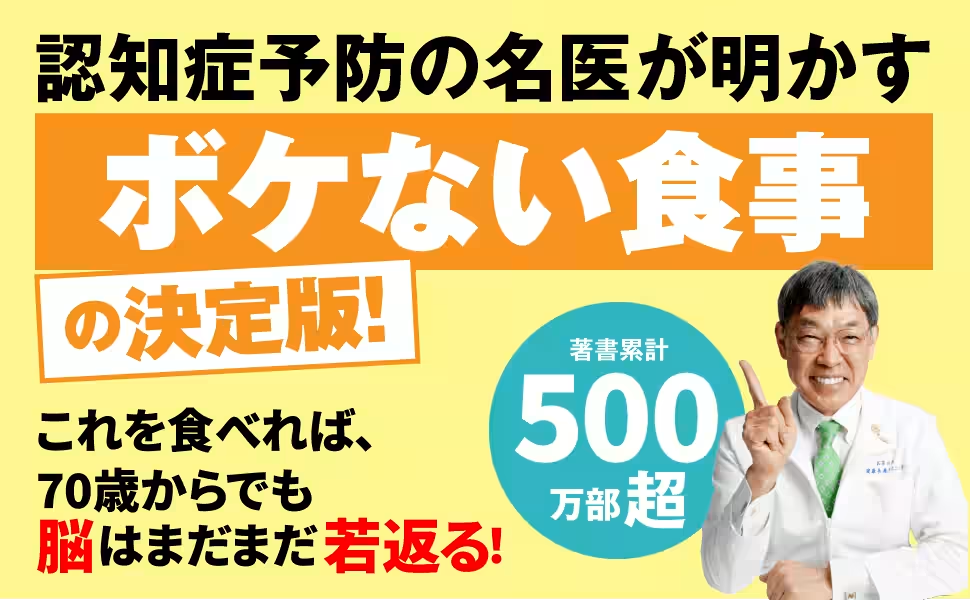
With over five million copies of his works sold, Dr. Takuji Shirakawa is a well-respected authority in the field of dementia prevention. On September 18, his latest book, titled "Tomorrow’s Plans are Foolish Plans: A Definitive Guide to a Dementia-Proof Diet," was published by Asuka New Company. This book not only encapsulates his 15 years of experience in bestselling writing but also serves as a vital resource for those looking to enhance their health as they age.
A Call to Action: Take Charge of Your Health
Dr. Shirakawa emphasizes the importance of immediate action for maintaining cognitive health, stating, "What is essential must be repeated: 'Tomorrow's plans are foolish plans.' Taking action now is the first step in preventing dementia."
His diet recommendations are not just for the elderly; individuals in their 30s and 40s should also pay attention to their food choices. The growing concern around dementia and other age-related issues makes understanding proper nutrition crucial.
Health Food of the Era: Canned Mackerel
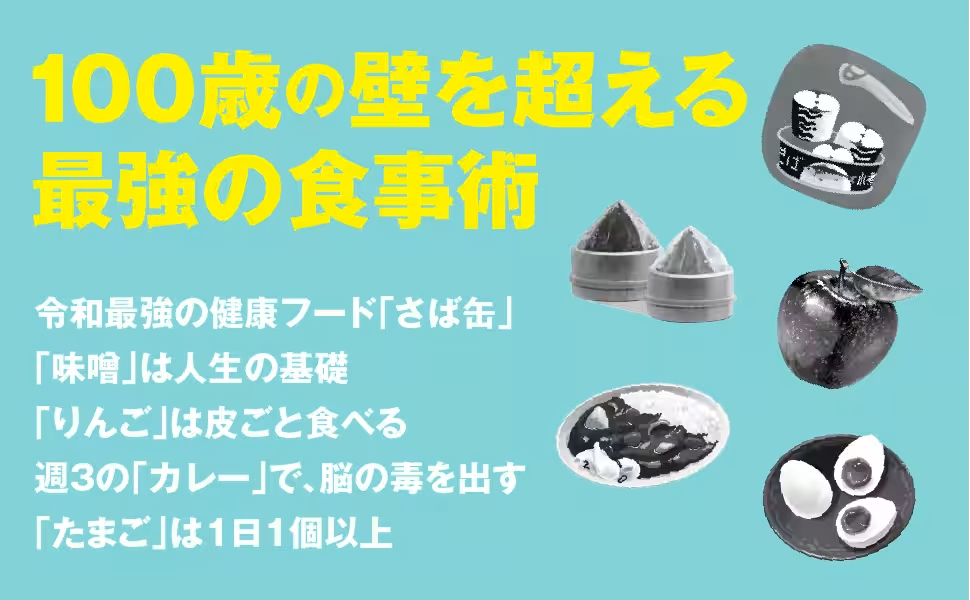
Shirakawa highlights various food items that have significant health benefits. For instance, canned mackerel has risen as a 'superfood' within the culinary world. Rich in omega-3 fatty acids, it is not only excellent for heart health but is also believed to boost brain function, an essential factor in dementia prevention.
Coconut Oil: A Health Essential
Approximately two tablespoons of coconut oil daily can play a major role in brain health. Coconut oil is rich in medium-chain triglycerides (MCTs), which are known to improve brain function and help with cognitive decline.
Fermented Foods and Natural Antioxidants
Fermented foods like miso and kimchi are emphasized for their numerous health benefits, including fighting inflammation and supporting gut health. Miso, a staple in Japanese cuisine, is touted as the foundation for a healthy life, while wild mushrooms can provide vital nutrients that support brain function.
Alcohol: A Controlled Approach
Surprisingly, Shirakawa suggests moderate consumption of red wine—up to two glasses a day—as it contains antioxidants that can improve cognitive function and may lower the risk of dementia. However, moderation is key.
The Importance of Variety
Eating a diverse range of foods is crucial. According to Dr. Shirakawa, a plate should be filled with colorful vegetables like carrots and broccoli, as well as fruits like strawberries and apples (skin included) to maximize nutrient intake. The inclusion of lean meats, nuts, and healthy fats is also stressed, promoting an all-rounded diet.
Emphasizing Nutrient Density
Key foods recommended by Dr. Shirakawa include:
- - Garlic: Known for its cancer-fighting properties.
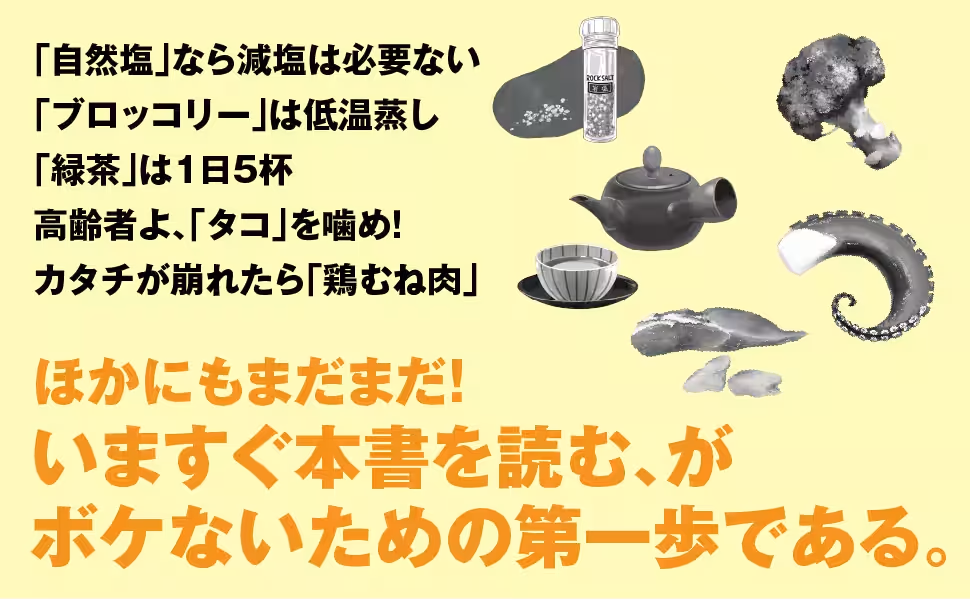
- - Green Tea: Drinking five cups daily can boost metabolism as well as cognitive health.
- - Avocado and Oysters: Both are noted for their health benefits and can contribute to longevity.
The Science Behind It
Dr. Shirakawa has a profound background, holding a doctorate and having specialized in molecular genetics related to aging and Alzheimer's disease. Through his work, he combines scientific research with practical advice, reaching audiences beyond medical communities with actionable dietary guidelines.
Conclusion
As health concerns regarding aging populations rise, Dr. Shirakawa’s latest offerings are timely and essential resources for anyone looking to improve health and potentially stave off cognitive decline. His call to action is straightforward: adopt a healthy lifestyle today, and reap the benefits tomorrow.
For those interested in diving into Dr. Shirakawa's insights, his book is available now at various retailers including Amazon. Don’t miss out on the opportunity to attain a healthier lifestyle through understanding the relationship between diet and dementia prevention.
Topics Health)
【About Using Articles】
You can freely use the title and article content by linking to the page where the article is posted.
※ Images cannot be used.
【About Links】
Links are free to use.