



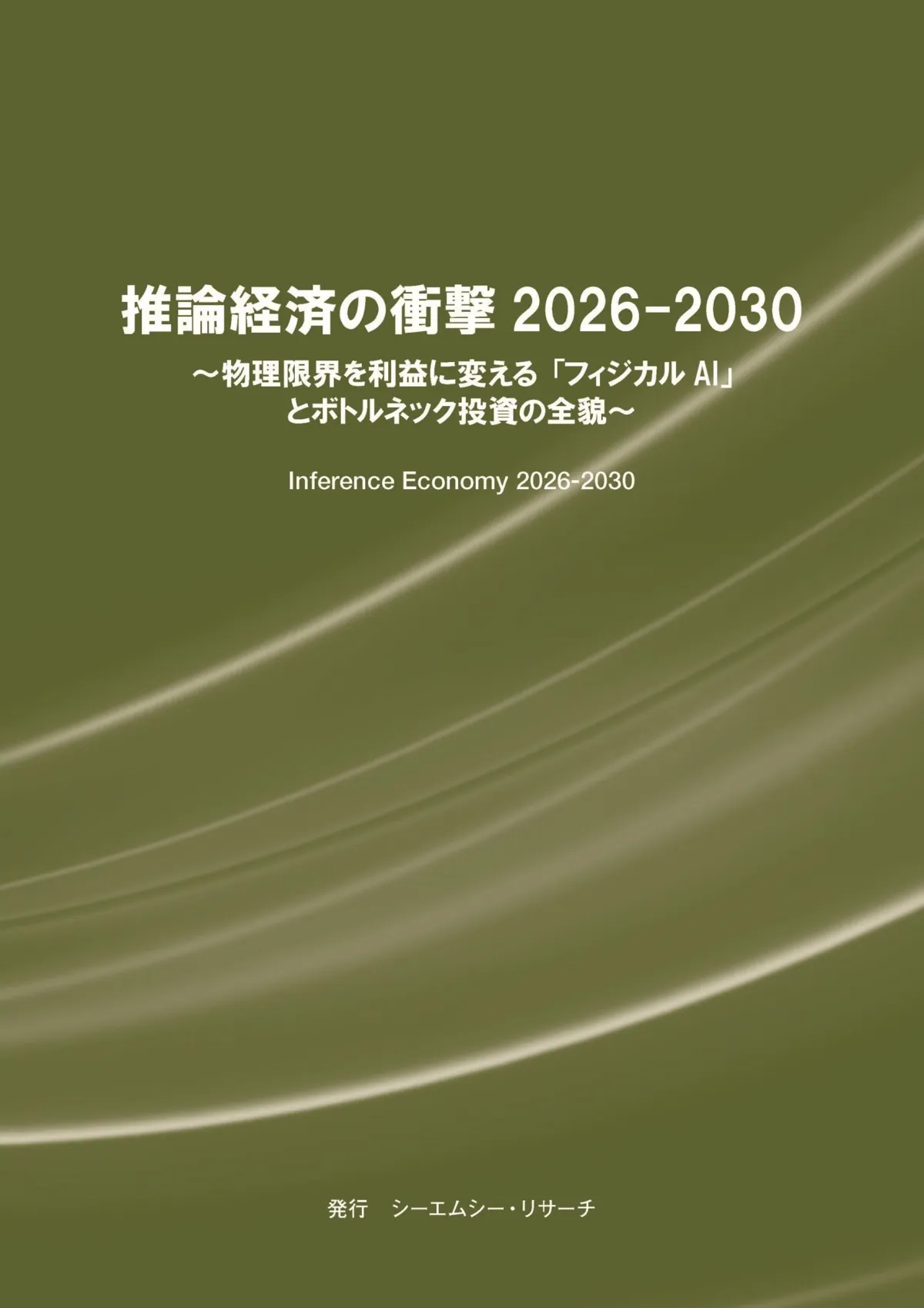
The Impact of Inference Economy: Transforming Physical Limits into Profits in 2026-2030
The Impact of Inference Economy: Transforming Physical Limits into Profits in 2026-2030
As we approach the years 2026 to 2030, a transformative shift in investment strategies is poised to unfold, driven by the emergence of the Inference Economy. This new economic paradigm proposes a critical reassessment of physical limitations—such as power, heat, and materials—as potential sources of enormous wealth rather than mere constraints. The publication titled "The Impact of Inference Economy: Transforming Physical Limits into Profits in 2026-2030" offers a comprehensive exploration of these dynamics and outlines strategies for capital allocation based on emerging technologies known as untapped market technologies.
Revolutionizing Investment Judgment Criteria
Investors must prepare for dramatic changes in how they assess opportunities and risks in a landscape transformed by physical AI and market bottlenecks. The book discusses how semiconductor shortages, heat management challenges, and spatial intelligence will redefine valuation models, emphasizing the importance of quantifying the value of physical assets.
In this new-economic context, the report reveals tactics such as leveraging APIs to integrate real-world assets digitally, thus enabling stakeholders to redefine their competitive strategies. By creating barriers to entry through innovative technology implementations, firms can transform previously perceived burdens into lucrative investments.
The Role of Physical Limits
The transformation of physical constraints into bottleneck assets is a central theme in this publication. Unlike past perspectives that viewed such limitations as barriers, the Inference Economy proposes that these constraints could serve as unique market advantages. The document emphasizes the importance of electricity, thermal management, and materials as essentials for generating above-average profits.
Analyzing the dynamics between power grids and computational resources, the report details how market players can leverage these physical elements to achieve premium pricing. Specifically, the third chapter titled “Power×Compute” provides insights into how grid limitations can dictate market strategies, thereby enhancing the value realization from limited computational resources.
Strategies for 2030 Investments
With the road to 2030 in focus, firms are urged to redirect capital where it is most viable. Utilizing the insights presented, investment decisions should no longer revolve solely around software capabilities but instead hinge on the ability to convert physical constraints into profits. The book aims to bridge the gap between theoretical insights and practical applications, providing stakeholders with a structured roadmap to navigate these emerging economic landscapes.
The text defines specific methodologies for how physical assets can be digitized into API frameworks and discusses how geographical regulations can be turned into economic gains.
This book serves as a critical resource for investors, technologists, and policymakers looking to unlock the potential of the Inference Economy, transforming long-standing operational bottlenecks into value-generating engines. The future of capital allocation will heavily depend on a deep understanding of these physical assets and a strategic approach to navigating the challenges imposed by geopolitical risks, regulatory environments, and standardizations.
In conclusion, The Impact of Inference Economy stands as a must-read for anyone invested in understanding the future terrain of global markets and the pivotal role of physical AI in shaping our economic environment. Awareness of these emerging strategies will provide significant advantages as we transition into this new era of investment opportunities driven by unprecedented technological advancements.
Topics Business Technology)
【About Using Articles】
You can freely use the title and article content by linking to the page where the article is posted.
※ Images cannot be used.
【About Links】
Links are free to use.