



Understanding the Vaccination Status of Shingles in Japan and Its Implications
Understanding Shingles and Its Vaccination
Shingles, a condition affecting more than 90% of Japanese adults due to the dormant varicella-zoster virus, poses a serious risk as one in three individuals may experience an outbreak by the age of 80. This condition is characterized by initial symptoms like pain, discomfort, and itching in the skin, particularly prevalent when the immune system is compromised. Severe cases lead to prolonged pain that can severely impact everyday activities and sleep, sometimes even resulting in vision loss if manifested around the face or eyes.
Importance of Shingles Vaccination
Vaccination against shingles significantly reduces the risk of both contracting the disease and experiencing severe complications. The Japanese Ministry of Health, Labour and Welfare has established a regular vaccination program starting from April 2025, targeting specific age groups, including individuals aged 60-64, 65, and those between 70 and 100 years, providing them with access to two types of vaccines - live attenuated and recombinant vaccines, differentiating in both cost and efficacy. The selection of the type of vaccine for individuals within the target groups will be necessary, ensuring informed choices.
Current Vaccination Rates and Regional Disparities
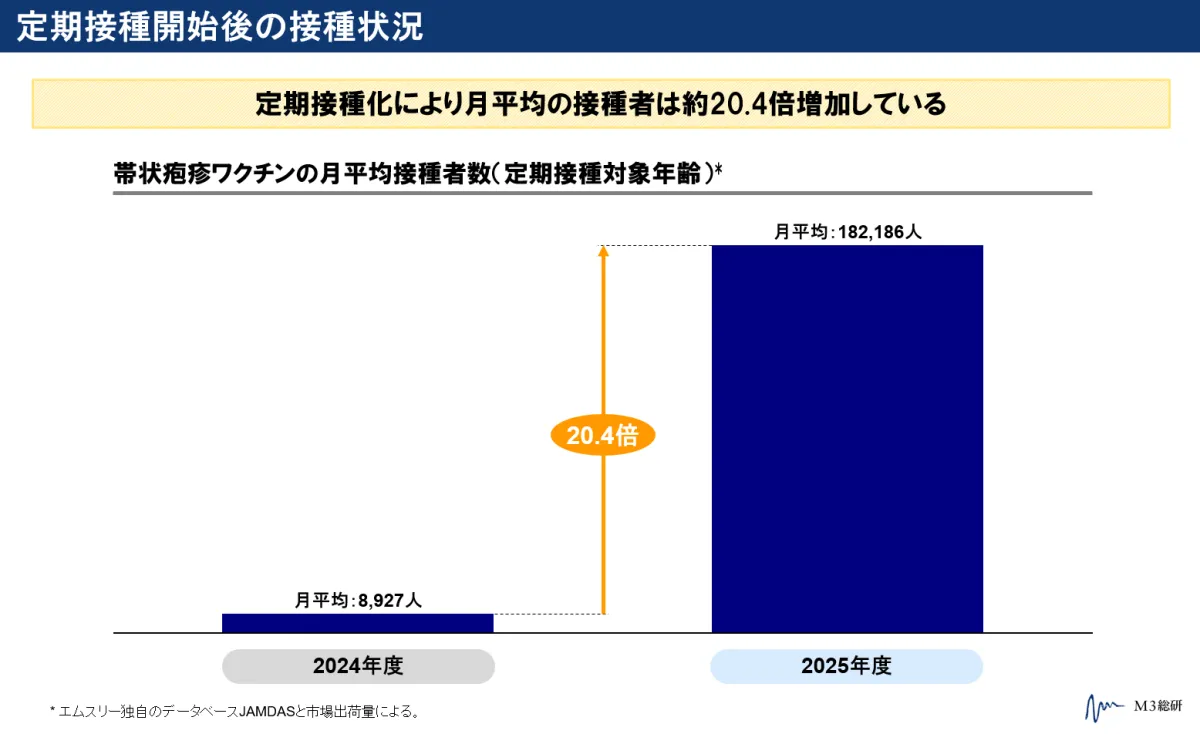
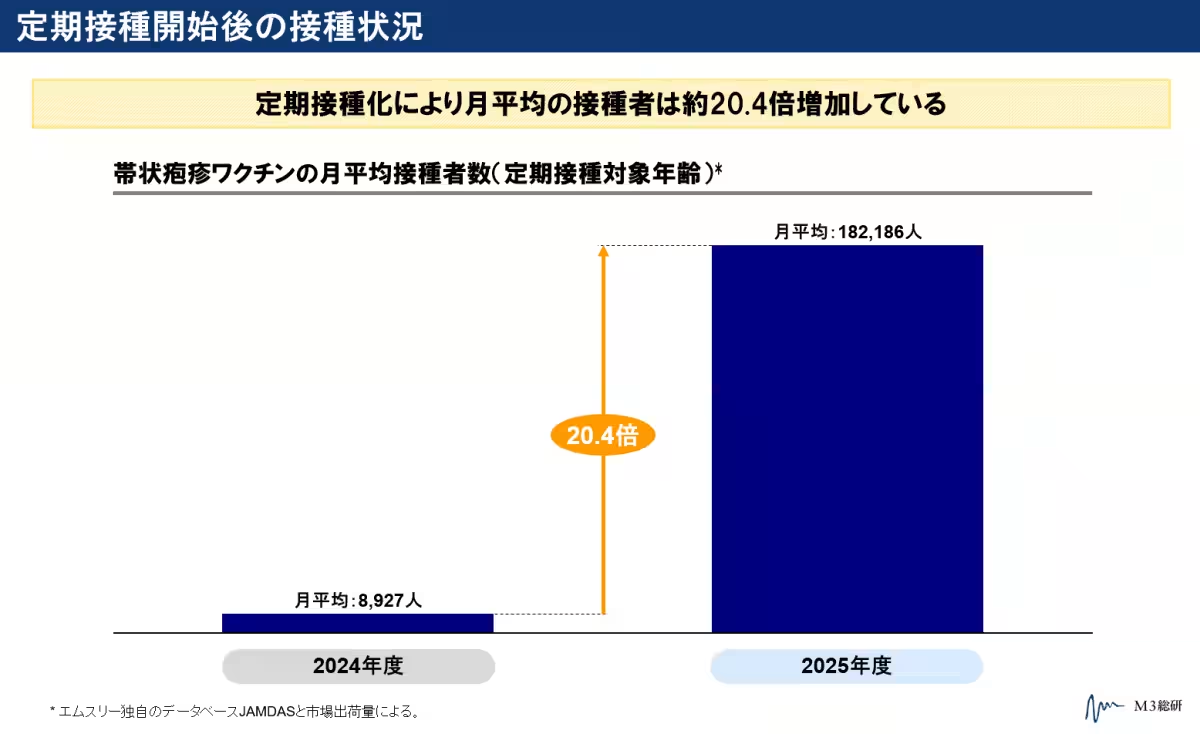
Based on the recent survey by M3 Research Institute, the vaccination rate for shingles in Japan stands at 15.2% as of September 2023, just six months after the implementation of the regular vaccination program. Monthly averages indicate a significant rise in the number of vaccinated individuals; from approximately 8,927 in the previous fiscal year to a staggering average of 182,186 in the current year, representing almost a twenty-fold increase in uptake.
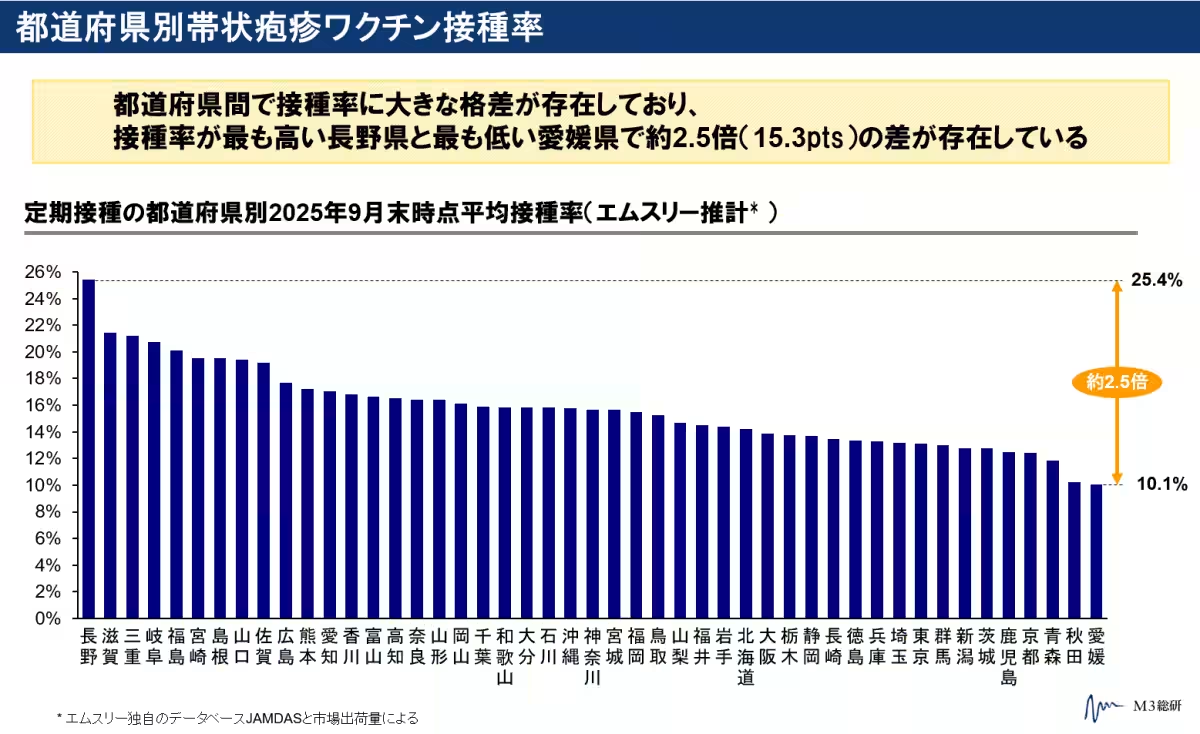
However, this increase uncovers stark disparities between municipalities, complicating efforts to contain the incidence of shingles. For example, while Nagano Prefecture reports a vaccination rate of 25.4%, Ehime Prefecture lags behind with just 10.1%, revealing a gap of up to 2.5 times between regions. These discrepancies can potentially stem from variations in local financial assistance and encouragement strategies for vaccinations, highlighting the urgent need for a concerted effort to bolster vaccination initiatives across all regions.
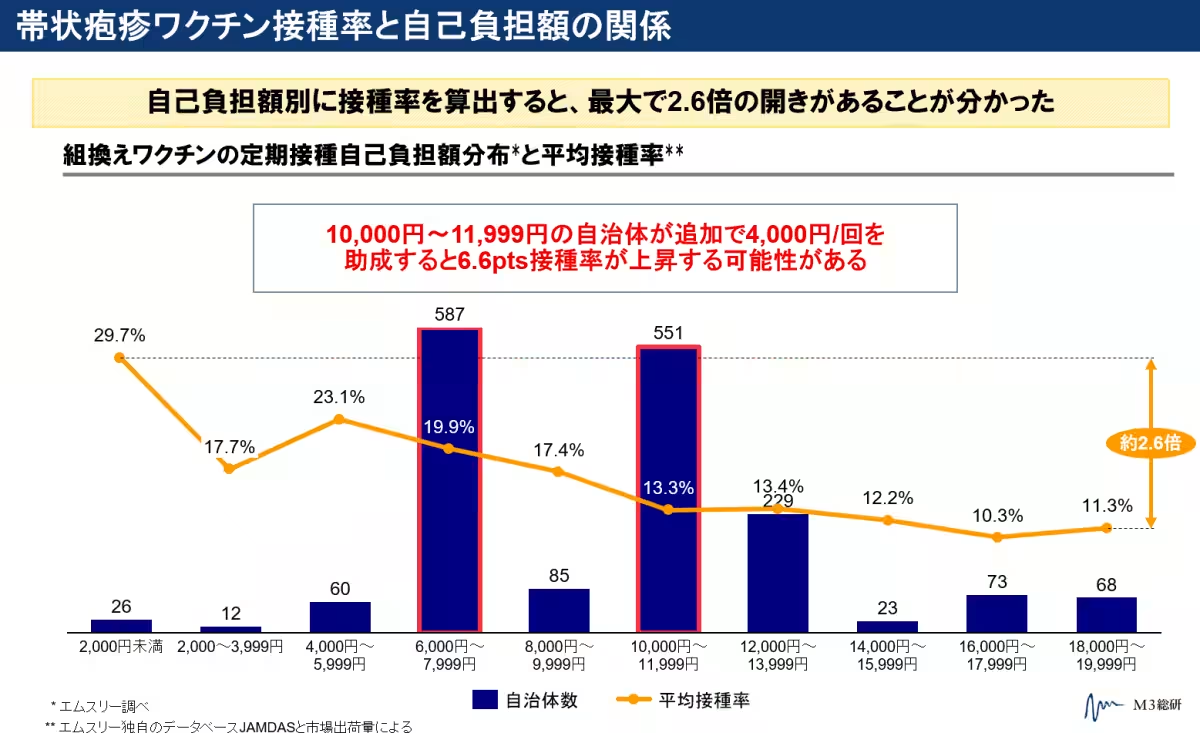
The support available for the cost of the recombinant vaccine, which requires two doses, varies dramatically at the municipal level, with assistance ranging from a maximum of ¥19,990 to nothing at all, stressing the importance of uniform financial support to enhance vaccination rates nationwide.
Additionally, even municipalities with similar levels of assistance exhibit differences in vaccination uptake, evidencing a 9.6-point disparity between the top 10% of municipalities and the national average, suggesting a necessity for further outreach and educational efforts to promote vaccination among the target population in these areas.
Expert Insights: Dr. Daisuke Watanabe's Perspective
Dr. Daisuke Watanabe of Aichi Medical University emphasizes that about one in three Japanese people may develop shingles by age 80, often leading to long-lasting nerve pain and various complications. He underlines that the shingles vaccine serves as a crucial preventive measure. Globally approved, including in Japan, this vaccine has undergone extensive clinical trials proving its efficacy and safety. Especially notable is the newly developed inactivated vaccine, showcasing a remarkable 70% efficacy in preventing outbreaks at the ten-year mark for individuals over 50 years old.
Moreover, this vaccine significantly lowers the risk of developing postherpetic neuralgia (PHN), one of the most debilitating complications of shingles. Given the escalating risk of shingles tied to advancing age, it’s essential for individuals to evaluate vaccination based on accurate information. The current regular vaccination initiative for those primarily aged 65 and above necessitates consultations with healthcare providers to address any uncertainties or queries regarding personal health and vaccination.
About M3 Research Institute
Recognizing disparities in healthcare delivery influenced by geography and municipality, M3 Research Institute aims to study and disseminate unbiased research on health care realities in Japan. Utilizing M3’s extensive medical professional panel and healthcare big data, the institute focuses on vital areas ranging from disease prevalence information to vaccination uptake rates and the regional differences in disease diagnosis and treatment. Their goal is to explore and propose solutions to improve healthcare landscapes across Japan effectively.

Topics Health)
【About Using Articles】
You can freely use the title and article content by linking to the page where the article is posted.
※ Images cannot be used.
【About Links】
Links are free to use.