



The Impact of Family Dynamics on Nurses' UJI Turn Job Changes in Japan
The Impact of Family Dynamics on Nurses' UJI Turn Job Changes in Japan
Introduction
A recent survey conducted by Levwell Corporation highlights the significant role that family dynamics play in the job changes of nurses in Japan. The study focuses on what is termed as UJI turning—either U-turn, I-turn, or J-turn job changes—affecting the lives and careers of nursing professionals across the nation.
Understanding UJI Turn Job Changes
UJI turn job changes refer to the relocation and subsequent employment of nurses based on their place of origin:
- - U-turn: Nurses returning to their hometown after working in urban areas.
- - I-turn: Urban nurses moving to rural areas for work.
- - J-turn: Nurses relocating to a different rural area after initially moving to an urban one.
Reasons for UJI Turn Job Changes
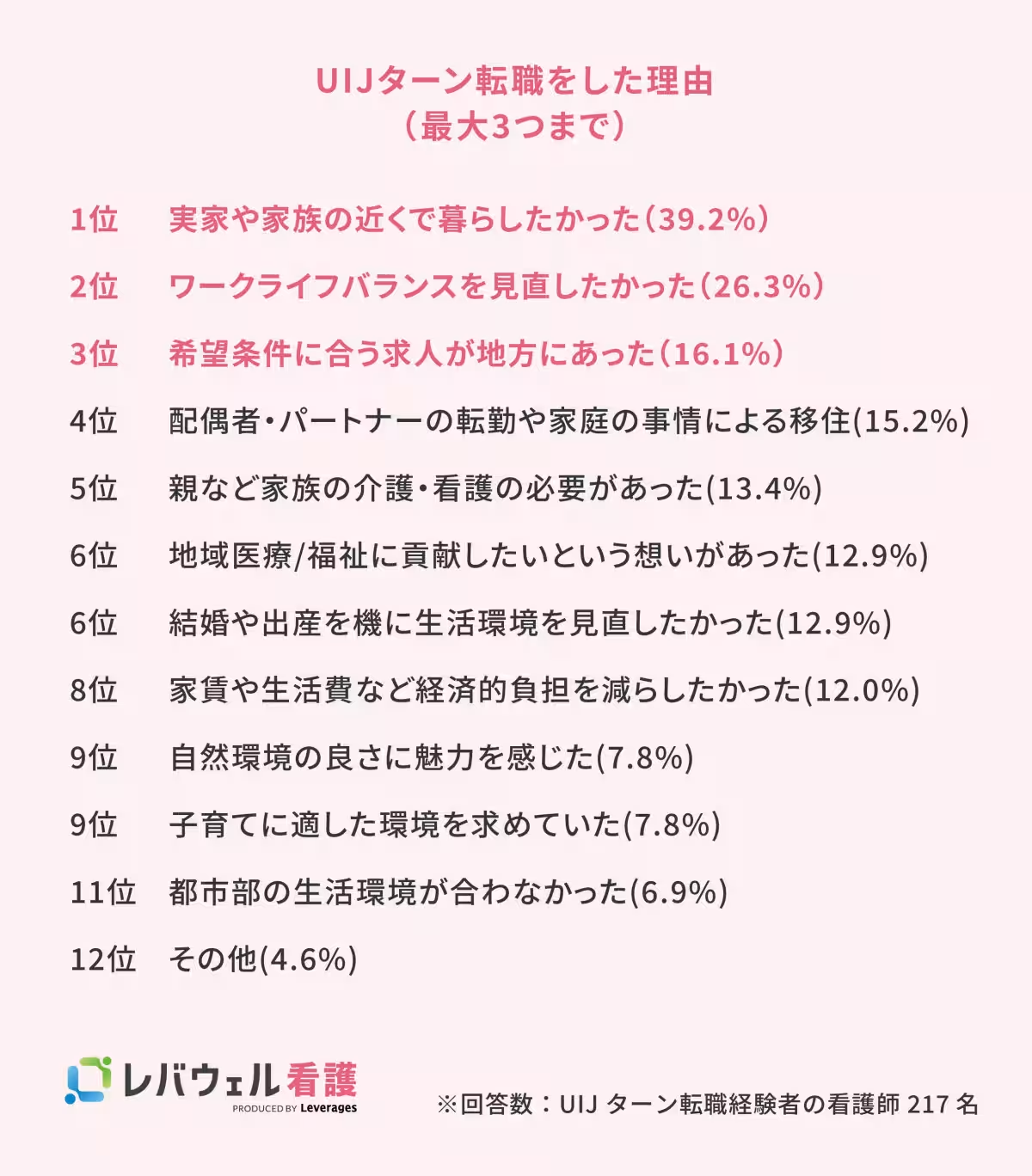
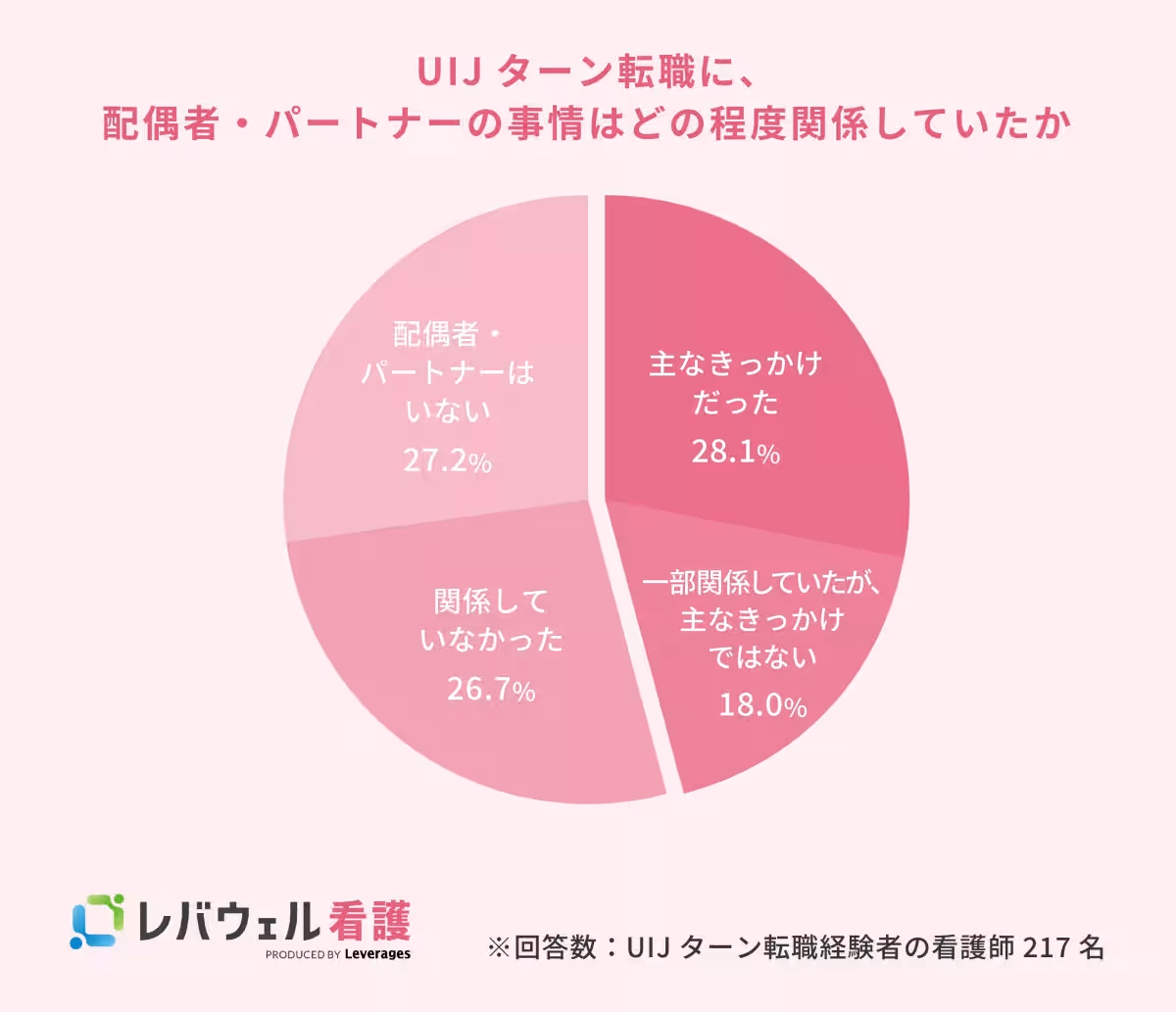
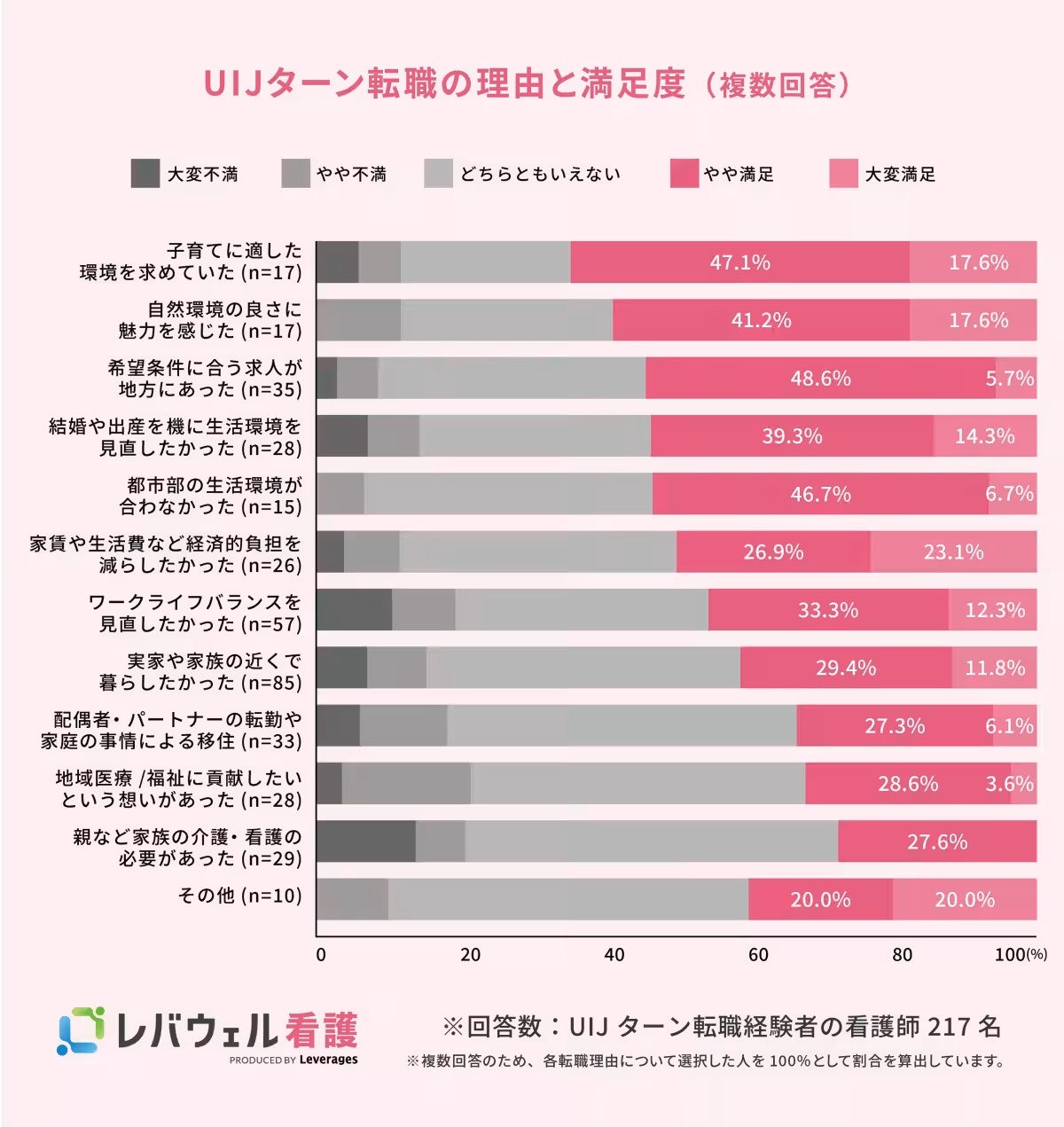
According to the survey findings, the most cited reason among nurses for initiating UJI turn job changes is the desire to live closer to family, accounting for 39.2% of respondents. Other notable motivations included seeking a better work-life balance and availability of suitable job offers in rural areas (26.3% and 16.1% respectively). Interestingly, around 46.1% of the nurses indicated that their partners' circumstances influenced their decisions, which underscores the importance of communal ties and family decisions in career moves.
Satisfaction Levels Post-UJI Turn
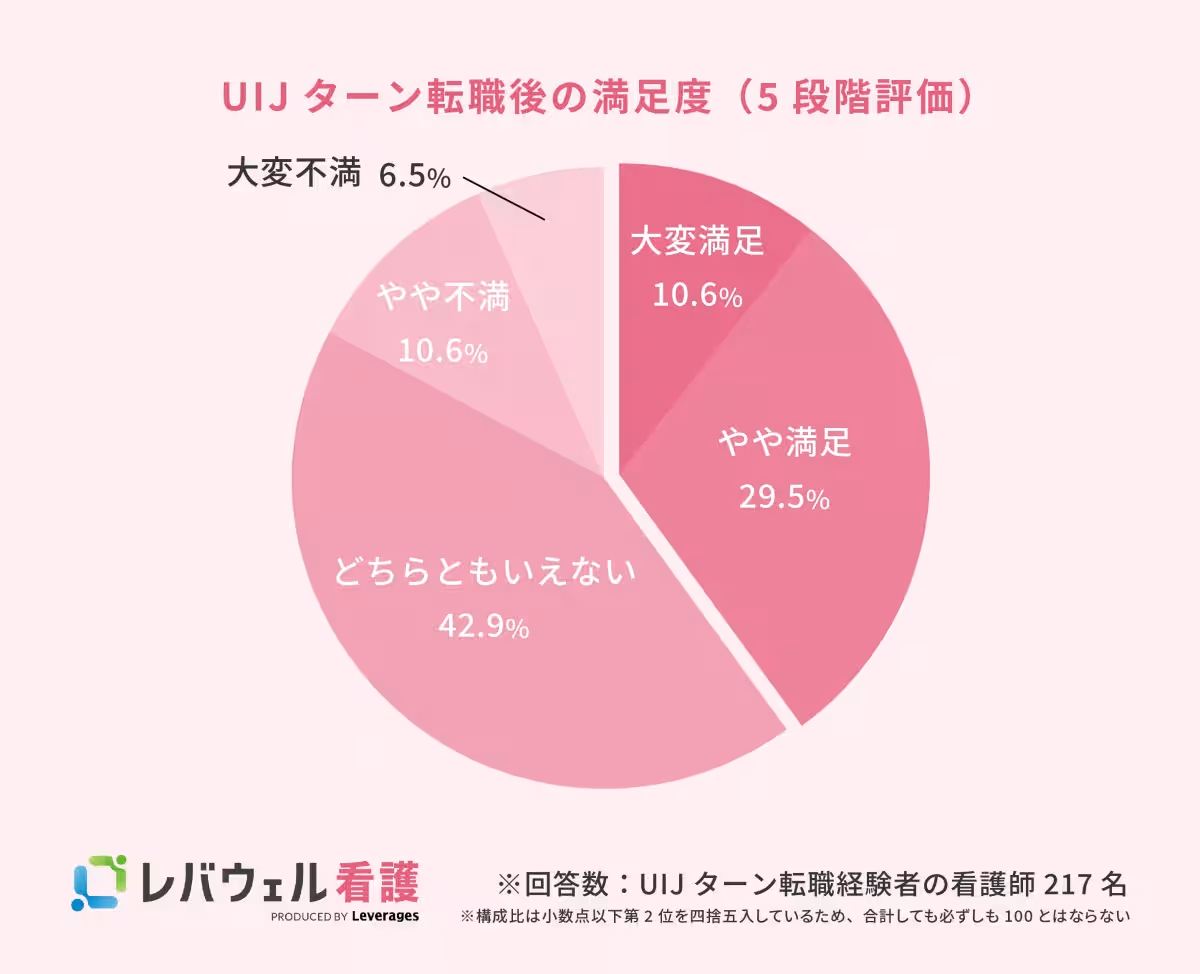
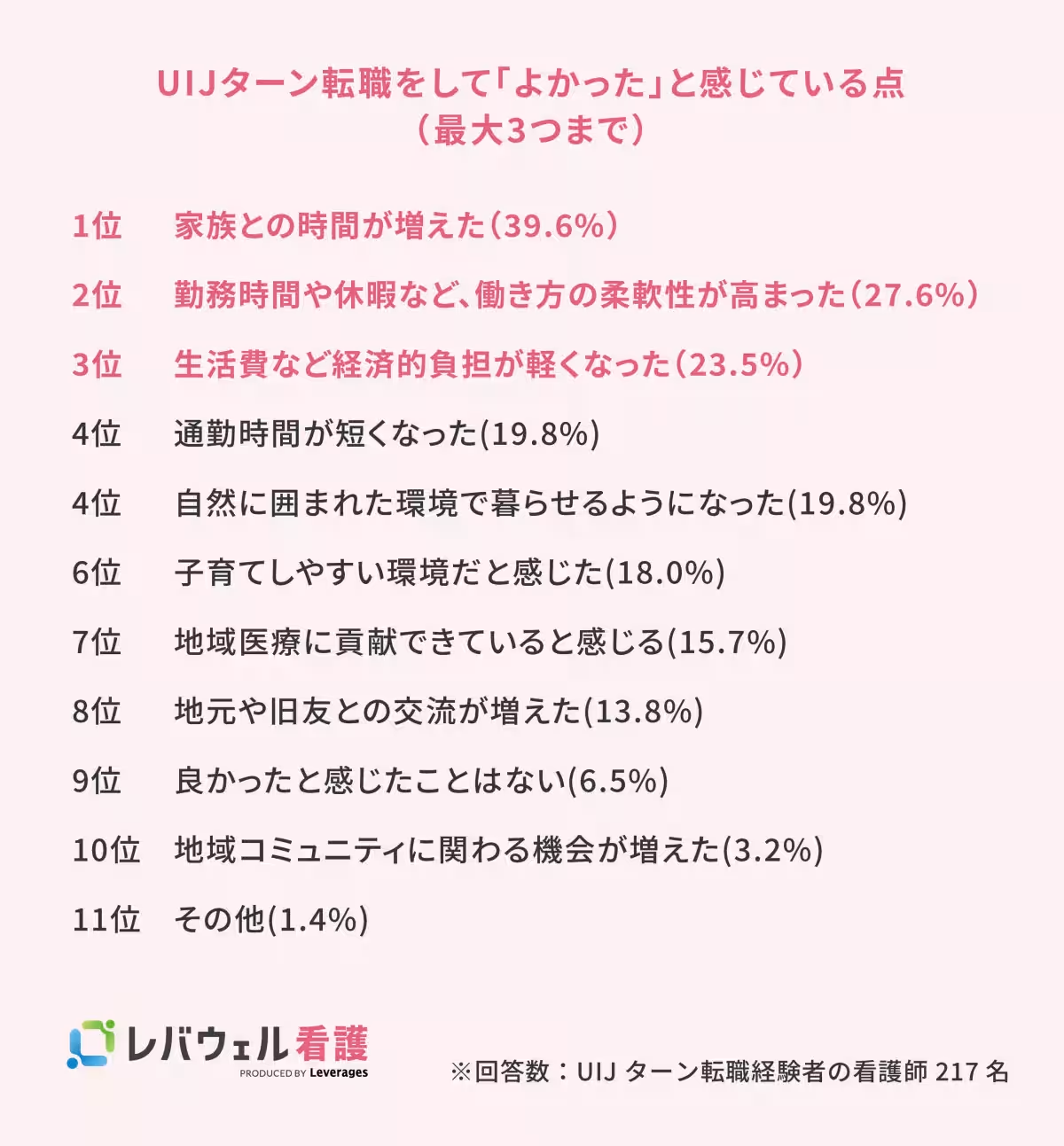
In terms of satisfaction post-move, approximately 40.1% of the nurses reported being satisfied with their job change, with three times more expressing satisfaction than dissatisfaction. Positively impacting factors included an increased amount of quality time with family (39.6%) and improved work flexibility (27.6%). Notably, those who highlighted lifestyle quality as a priority in their job search showed markedly higher levels of satisfaction.
Financial Challenges of UJI Turn Job Changes
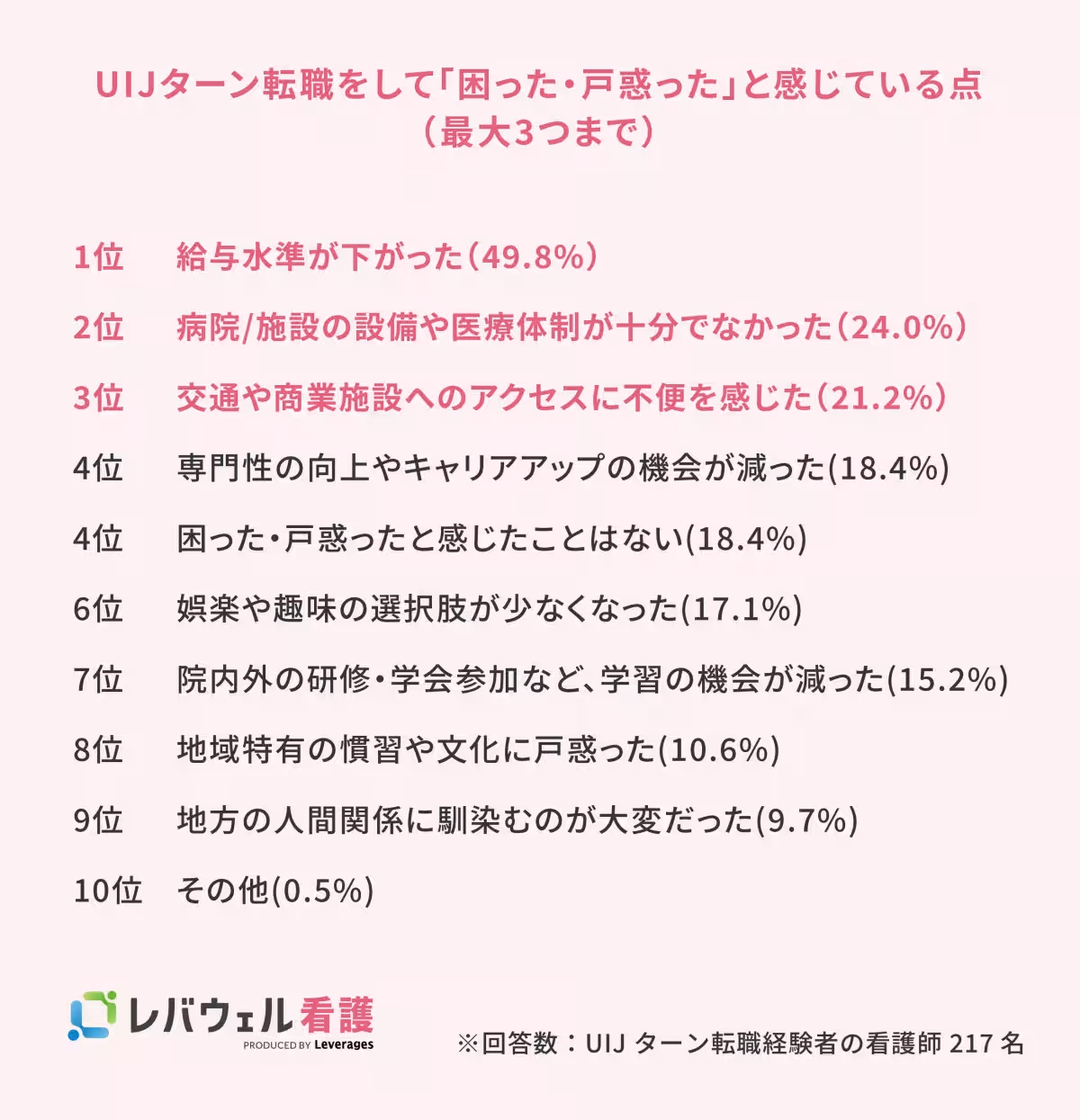
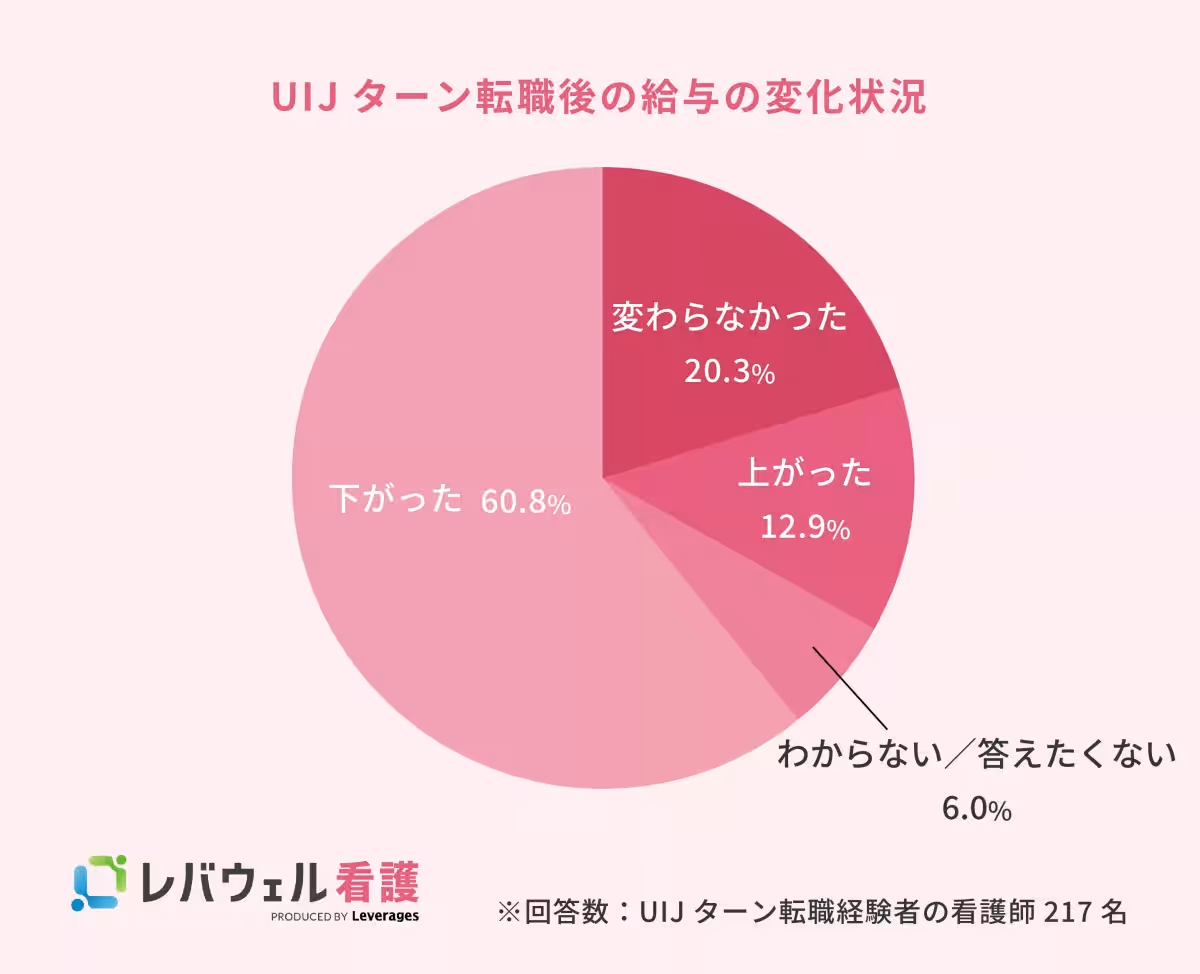
However, not all aspects of the UJI turn experience are positive. A staggering 60.8% of nurses reported a reduction in salary following their relocation. While the cost of living tends to be lower in rural settings (like housing costs), the evident trade-offs regarding salary have become a central concern for many. Coupled with reports of decreased career advancement opportunities and less favorable working conditions, these findings paint a complex picture of job satisfaction post-relocation.
Additional Challenges
Additional challenges reported by responding nurses include inadequate facilities and opportunities for professional development, with 24.0% noting that their new workplaces lacked sufficient medical provisions. Accessibility to urban conveniences was also a concern, with 21.2% indicating issues with transportation and proximity to commercial facilities, leading to an overall sense of inconvenience in daily life.
Conclusion
The Levwell survey underscores the multi-faceted nature of UJI turn job changes among nurses, highlighting the contrasting themes of family influence on personal decisions and the practical realities surrounding job satisfaction. While many nurses have realized an improvement in their quality of life and family dynamics, the challenges tied to lower wages and limited professional opportunities raise essential questions regarding the sustainability of these moves.
In light of Japan's aging population and the increasing demand for healthcare professionals, addressing the talent distribution imbalance is crucial. By understanding the factors influencing nurses' relocations, stakeholders can better craft environments that support nursing professionals in making informed and beneficial career transitions. As Levwell continues to provide supportive frameworks for nurses in pursuit of career advancement, their findings offer valuable insights into the ongoing challenges faced by healthcare providers in a changing societal landscape.
Topics Health)
【About Using Articles】
You can freely use the title and article content by linking to the page where the article is posted.
※ Images cannot be used.
【About Links】
Links are free to use.