



Innovative Delivery Operations: Glafit and Seino Group Partner for Eco-Friendly Solutions
Transforming Last-Mile Delivery with Electric Mobility
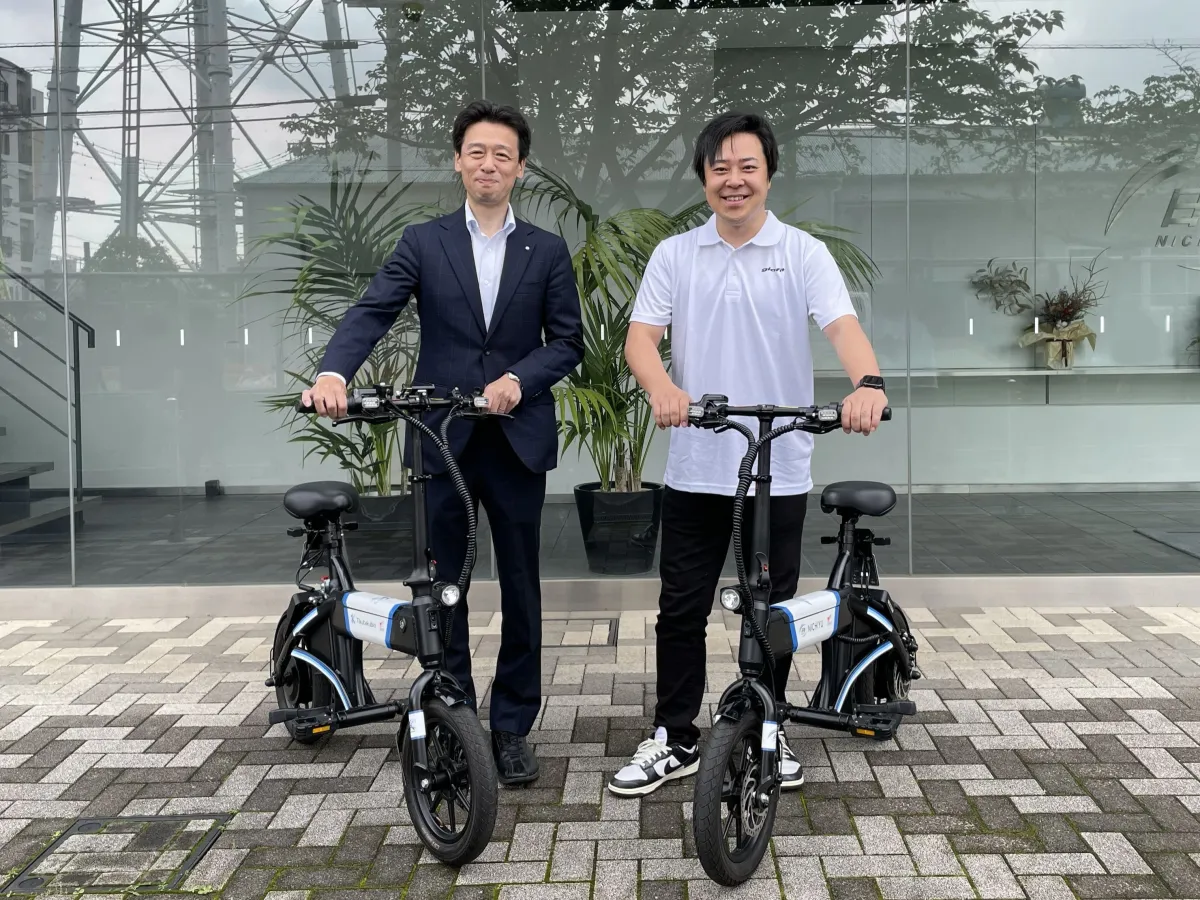
In a groundbreaking initiative, Glafit, together with Seino Group's subsidiaries, Chiku-Takubin and Nichiyu, has launched a proof of concept utilizing electric personal mobility for effective delivery operations. This venture aims to address challenges in the logistics industry while enhancing efficiency and reducing environmental impact.
The Innovative Electric Cycle
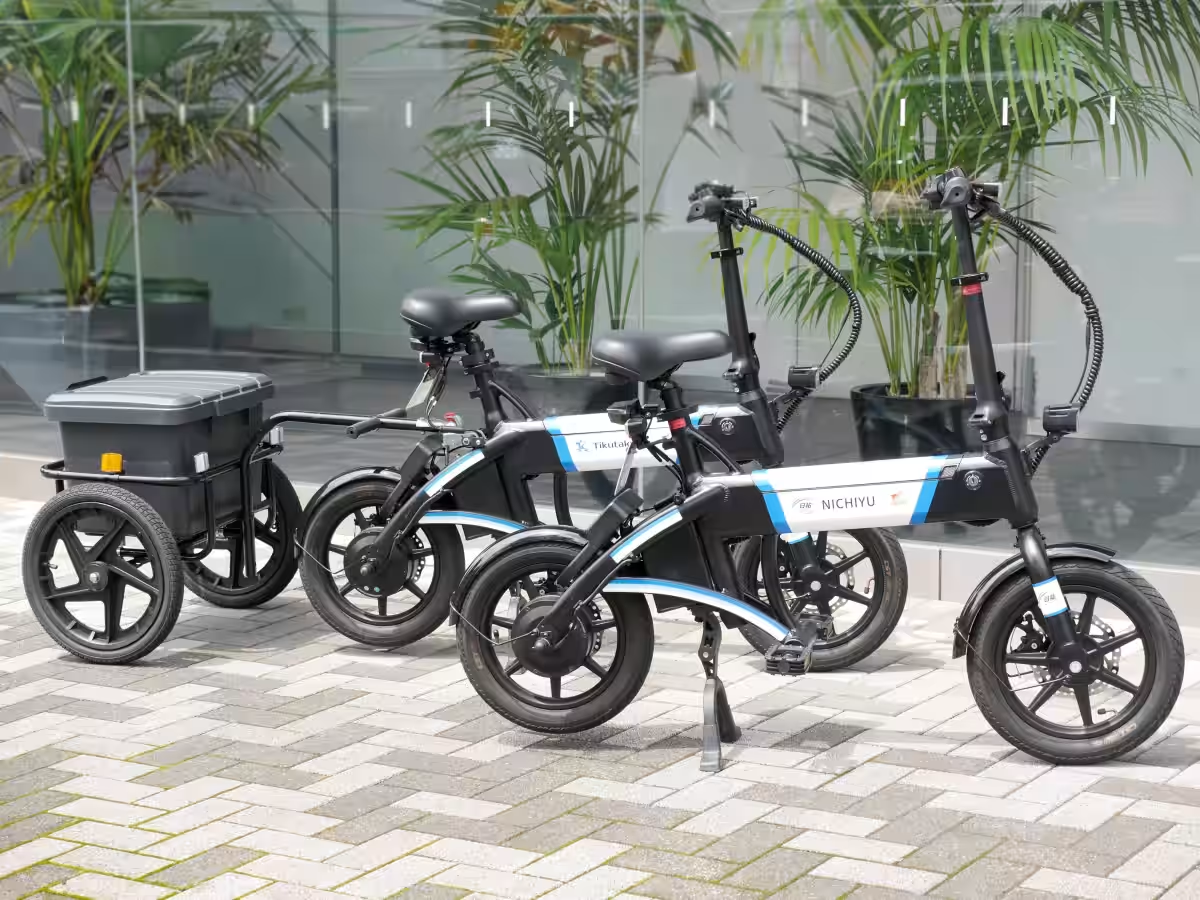
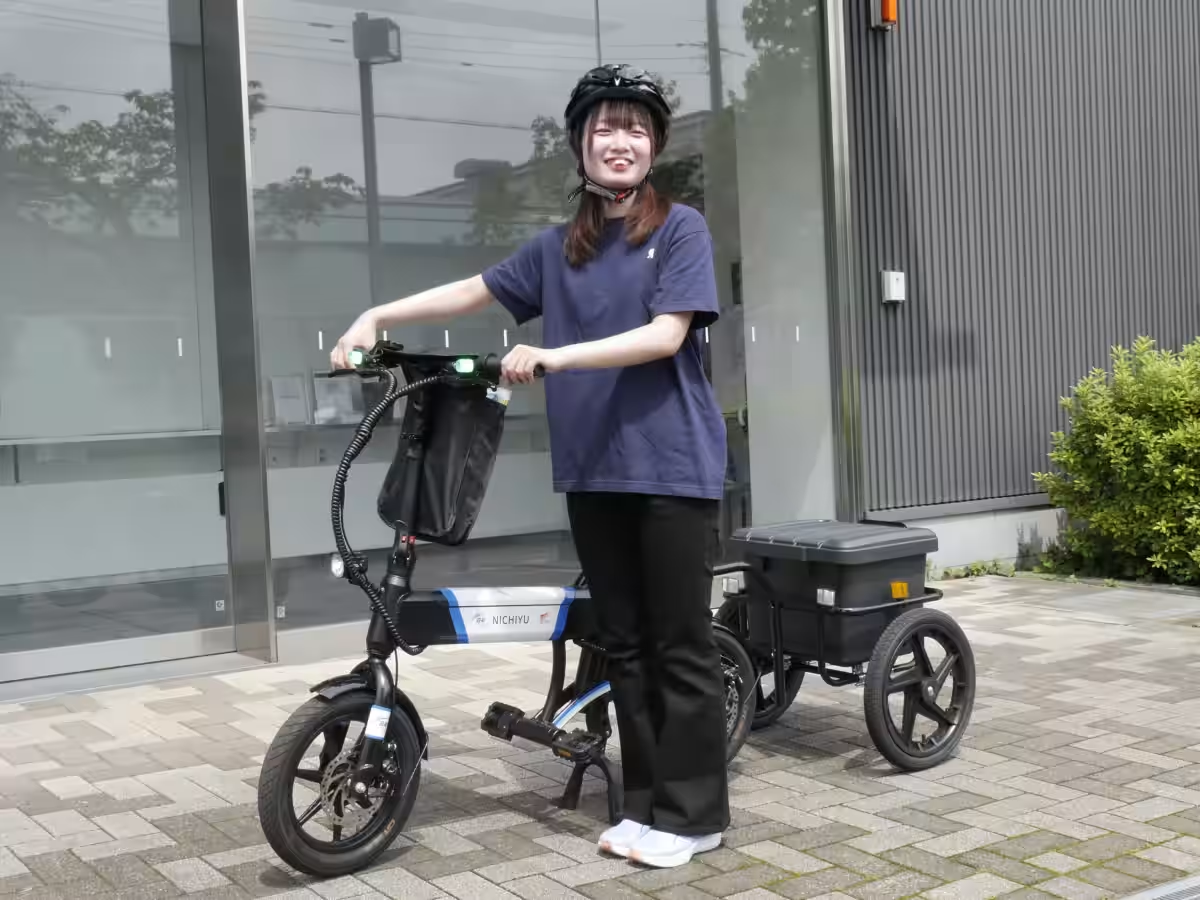
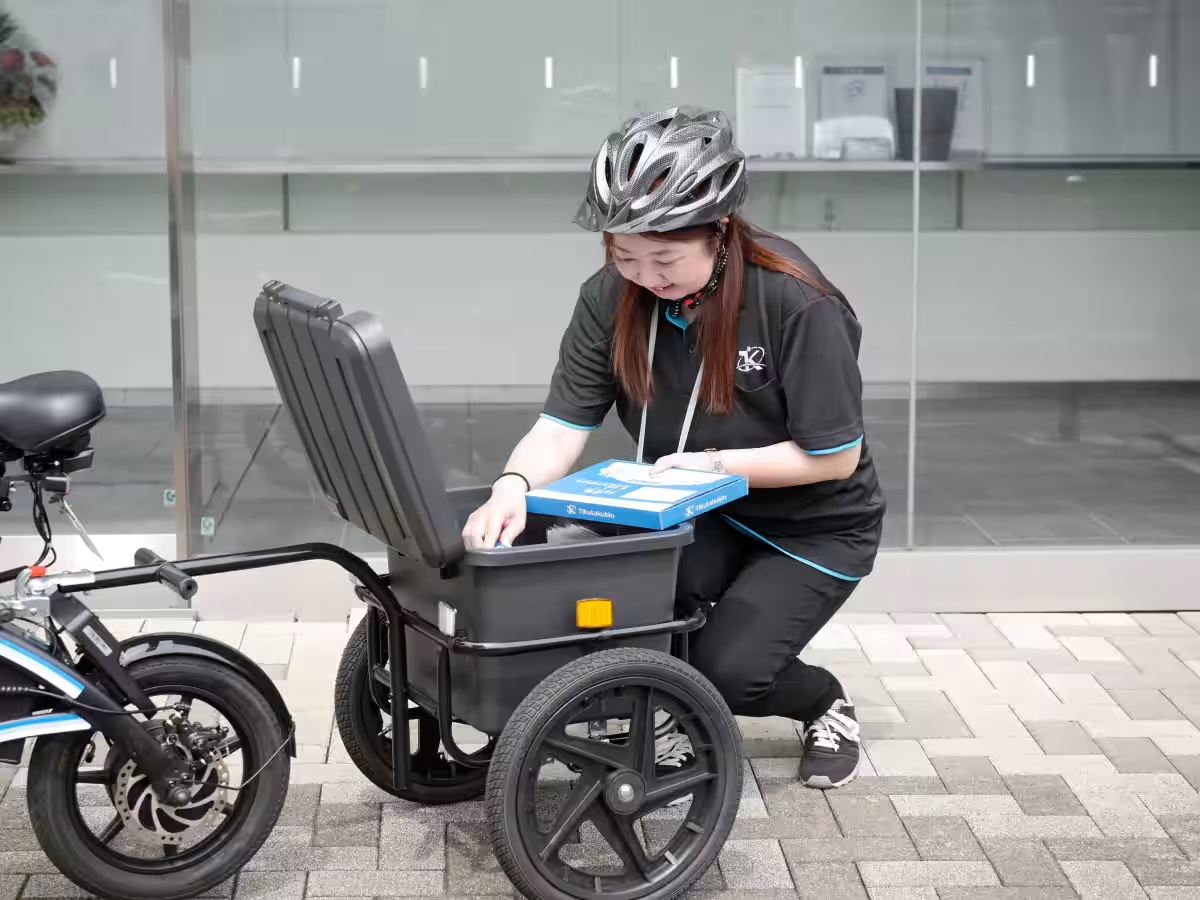
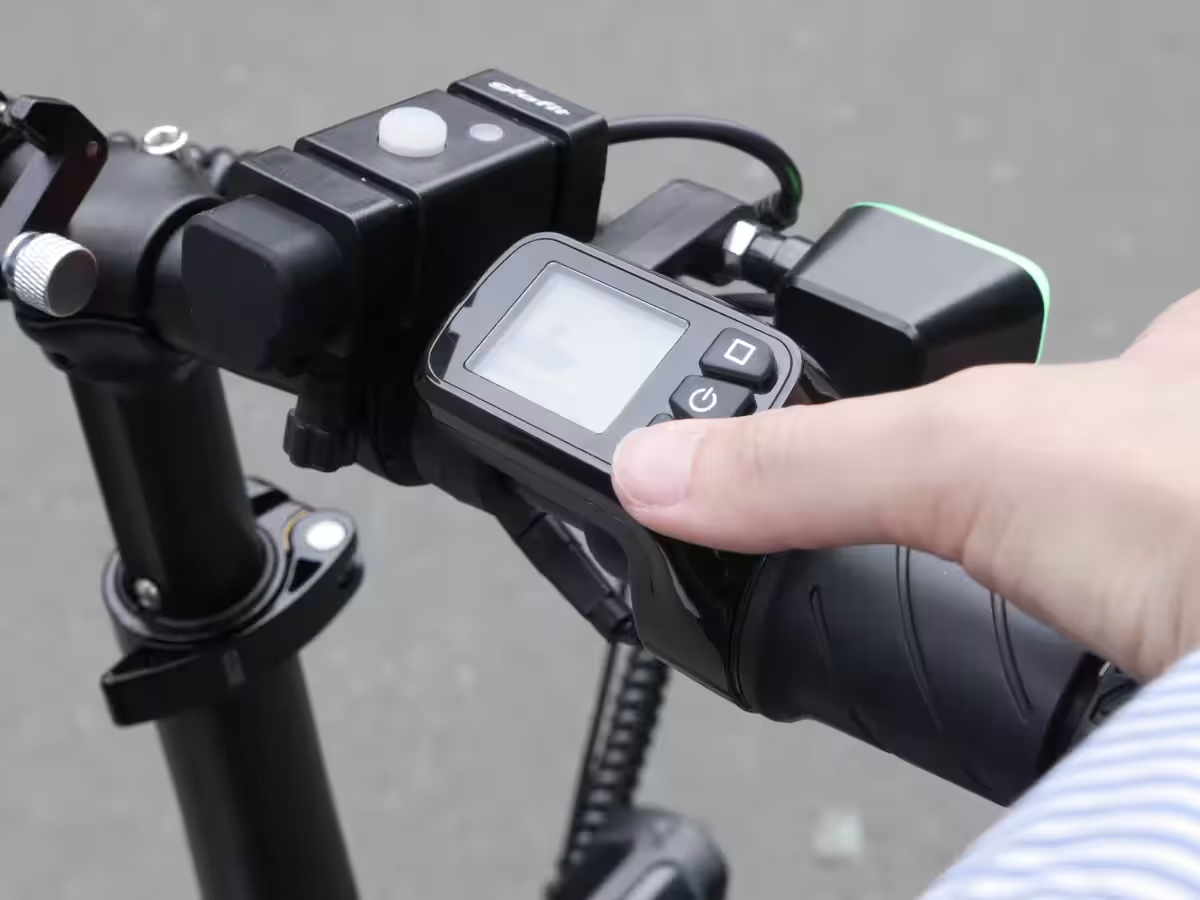
The focal point of this project is Glafit’s electric cycle, designated as the NFR-01Pro+. Tailored for individuals aged 16 and older, this compact vehicle fits into the newly established category of small motorized vehicles, eliminating the need for a license while promoting safety. With a maximum speed of 20 km/h on roads and 6 km/h on sidewalks, users can effortlessly transition between modes to suit their delivery needs.
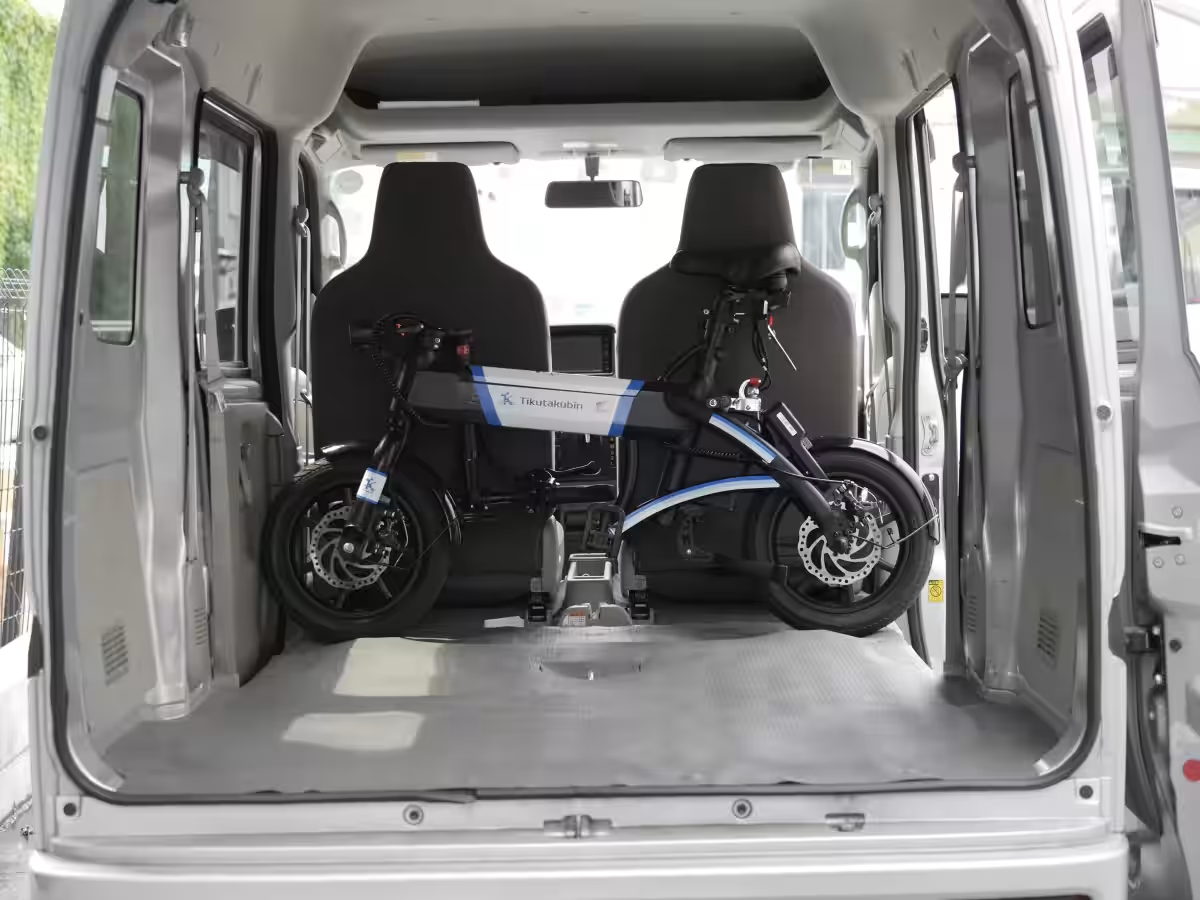
What sets the NFR-01Pro+ apart is its ability to tackle inclines without the necessity of pedaling, making it an exceptional alternative for areas with challenging terrains. The compact design also allows for increased cargo capacity, enabling four units to be transported in a light delivery vehicle—a significant leap from the previous limit of two bikes.
Addressing Logistics Challenges
The logistics sector faces diverse challenges, including a shrinking workforce and rising consumer demands for efficient, environmentally friendly delivery solutions. Particularly in the last-mile delivery segment, providers need to maintain a balance of quality service and cost-effectiveness while integrating flexible solutions tailored to local characteristics.
Chiku-Takubin and Nichiyu, both established leaders in localized delivery services, have been piloting this approach, allowing their delivery personnel to transport their cycles efficiently. This new electric mobility solution will transition a portion of the delivery tasks previously assigned to light vehicles and motorcycles, reducing CO₂ emissions in the process.
Goals of the Initiative
1. Enhancing Delivery Efficiency
The project targets optimizing delivery routes, particularly in densely populated urban areas where precision and expediency are paramount. By leveraging the electric mobility's compact design, delivery zones can be serviced without the logistical burdens previously faced.
2. Diversifying Delivery Personnel
The versatility of the electric cycles encourages engagement from individuals with varying levels of physical capability and licensing. This paves the way for a more inclusive delivery workforce and supports flexible operations that adapt to unique regional needs.
3. Reducing Environmental Impact
The commitment to sustainability is a driving force behind this initiative. Transitioning from traditional vehicles to electric options diminishes reliance on motorized transport, thereby lowering CO₂ emissions and contributing to greener delivery networks.
4. Collaborative Efforts
Each company has a specific role in this collaboration. Chiku-Takubin brings their rich experience in last-mile delivery, while Nichiyu focuses on operational assessments tailored to their existing routes. Glafit, on the other hand, provides the necessary electric mobility technology and adjusts its services based on feedback from the field.
Future Outlook
As the pilot program unfolds starting from July 2026, key performance indicators—such as delivery time, environmental impact, and operational costs—will be meticulously measured. The insights gained will evaluate the potential for broader application within the logistics sector, keeping in mind possible collaborations with municipal bodies and other delivery providers to enhance last-mile capabilities across Japan.
Executive Insights
President of Chiku-Takubin and Nichiyu, Kawai Hidetsugu expressed that this collaboration seeks to meet the rising demands of logistics, striving for innovative solutions that connect communities through efficient last-mile delivery while ensuring sustainability.
Conclusion
This pioneering initiative not only highlights the potential of electric mobility in logistics but also sets a precedent for future collaborations aiming at sustainable innovations in the delivery sector. With Glafit's vision of transforming urban mobility and enhancing quality of life, the partnership offers a step toward sustainable and efficient delivery practices.
Topics Consumer Products & Retail)
【About Using Articles】
You can freely use the title and article content by linking to the page where the article is posted.
※ Images cannot be used.
【About Links】
Links are free to use.