



Analysis of After-Hours Communication During Telework in Japan
Understanding After-Hours Communication in Telework
As remote work becomes an essential part of modern employment, the dynamics of after-hours communication take center stage. A recent survey by LASSIC, the company committed to encouraging workspace flexibility, sheds light on how workers respond to communications outside regular working hours.
The survey, known as the “Research on After-Hours Communication During Telework,” included responses from 1,000 participants aged 20 to 65 with experience in telework. The findings illustrate distinct differences based on age and work style.
Key Findings
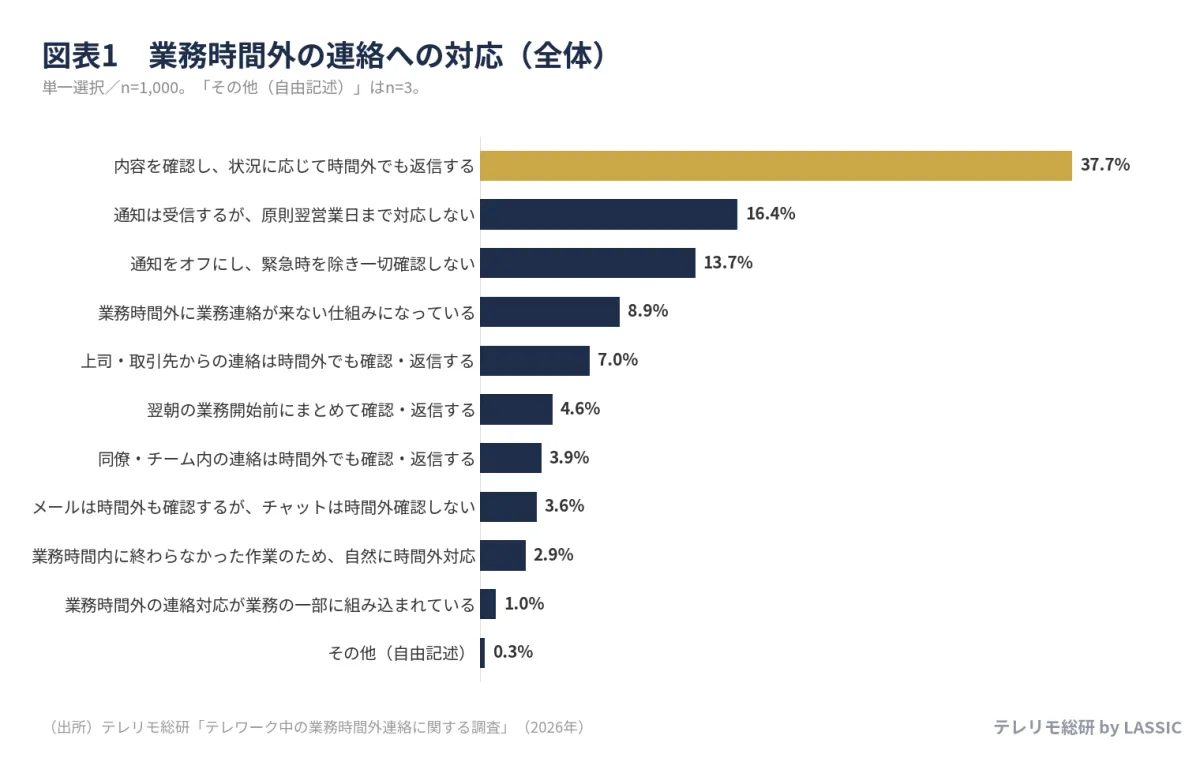
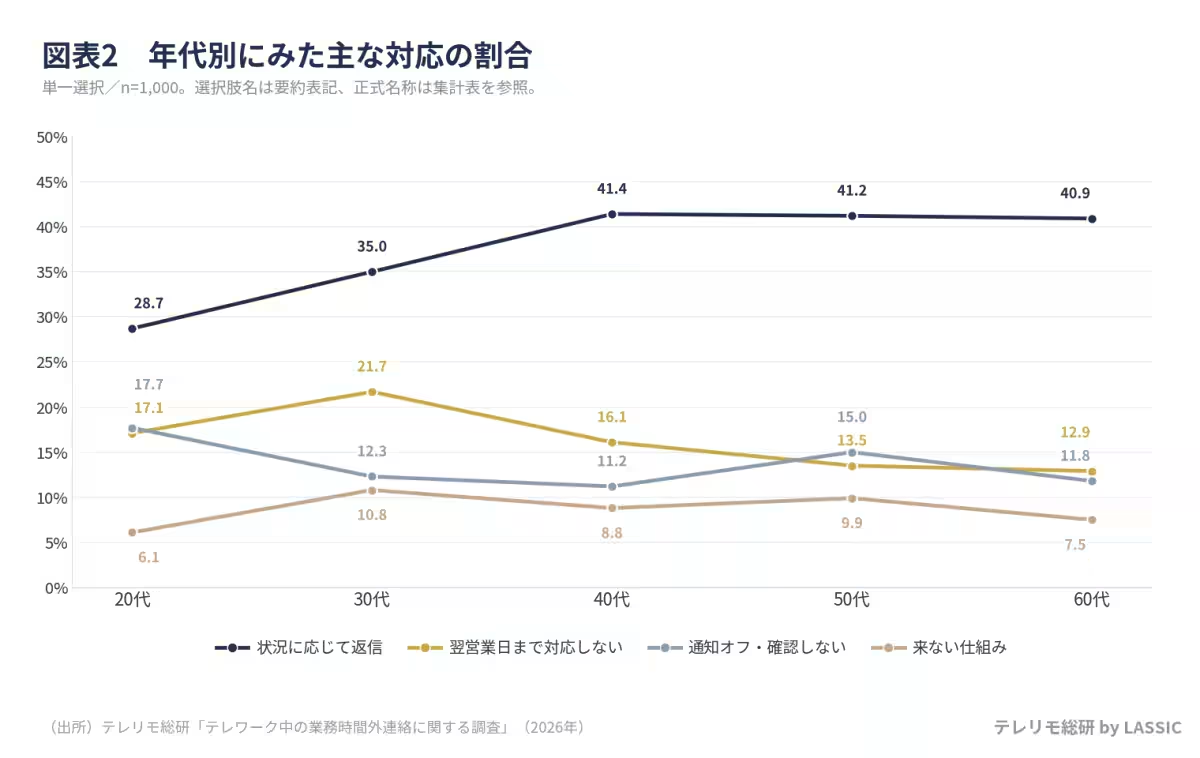
The most common response to after-hours communication was to check the content and respond as required (37.7%). This was notably higher among respondents in their 40s, with 41.4% indicating they would reply as necessary compared to 28.7% of those in their 20s. This significant 12.7-point gap highlights the changing nature of work engagement as one ages.
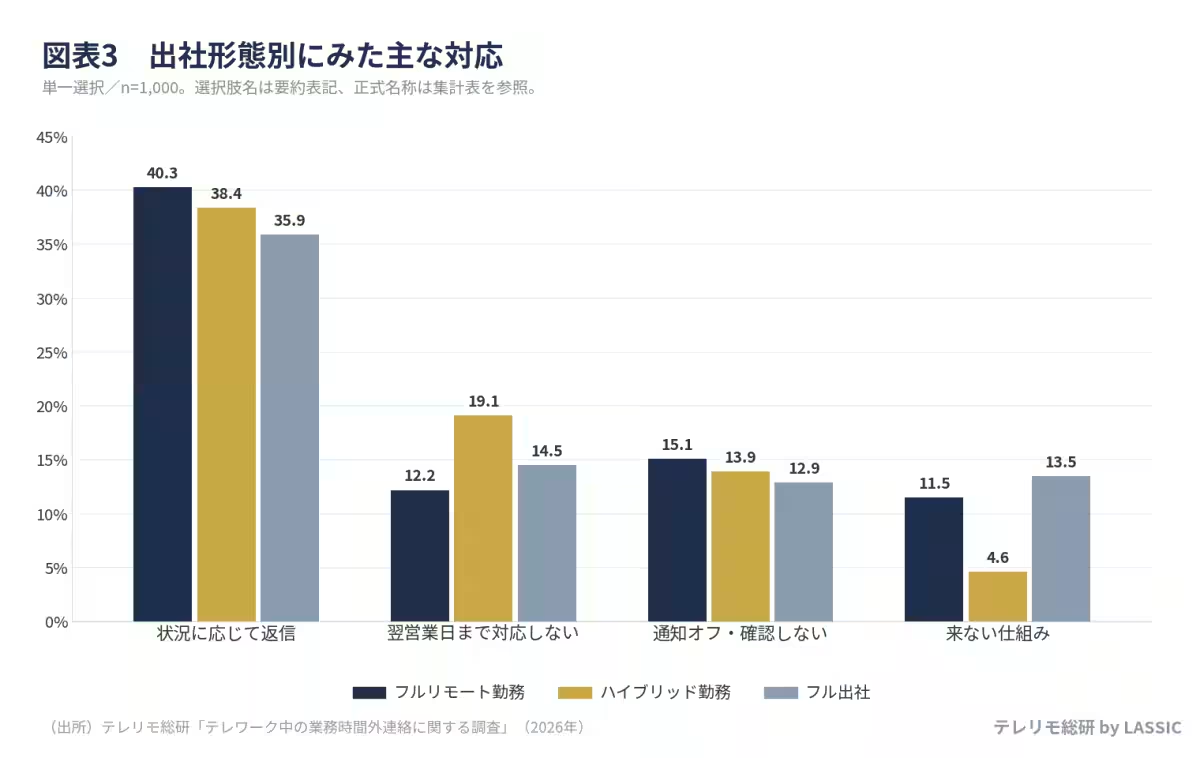
Moreover, among various work styles, the structure of communication diverged. Only 13.5% of those fully on-site reported a system in which no work-related communications occur outside normal business hours, compared to just 4.6% of hybrid workers, which reveals that work execution models influence communication patterns.
Communication Breakdown
When breaking down responses by age groups:
- - 20s: 28.7% tend to reply according to the situation.
- - 30s: 35.0% adopt a similar approach.
- - 40s: The highest percentage at 41.4%, reflecting more established work roles potentially leading to greater responsibility.
Interestingly, while 16.4% of respondents preferred to receive notifications but not respond until the next business day, hybrid workers led this choice at 19.1%. This may suggest a higher value placed on work-life balance, with hybrid setups offering more flexibility than full-time on-site roles.
On the other end of the spectrum, 13.7% completely opt out of notifications except for emergencies. This approach was most prevalent among the younger workforce, signaling a potential resistance to after-hours engagements.
Gender and Age Dynamics
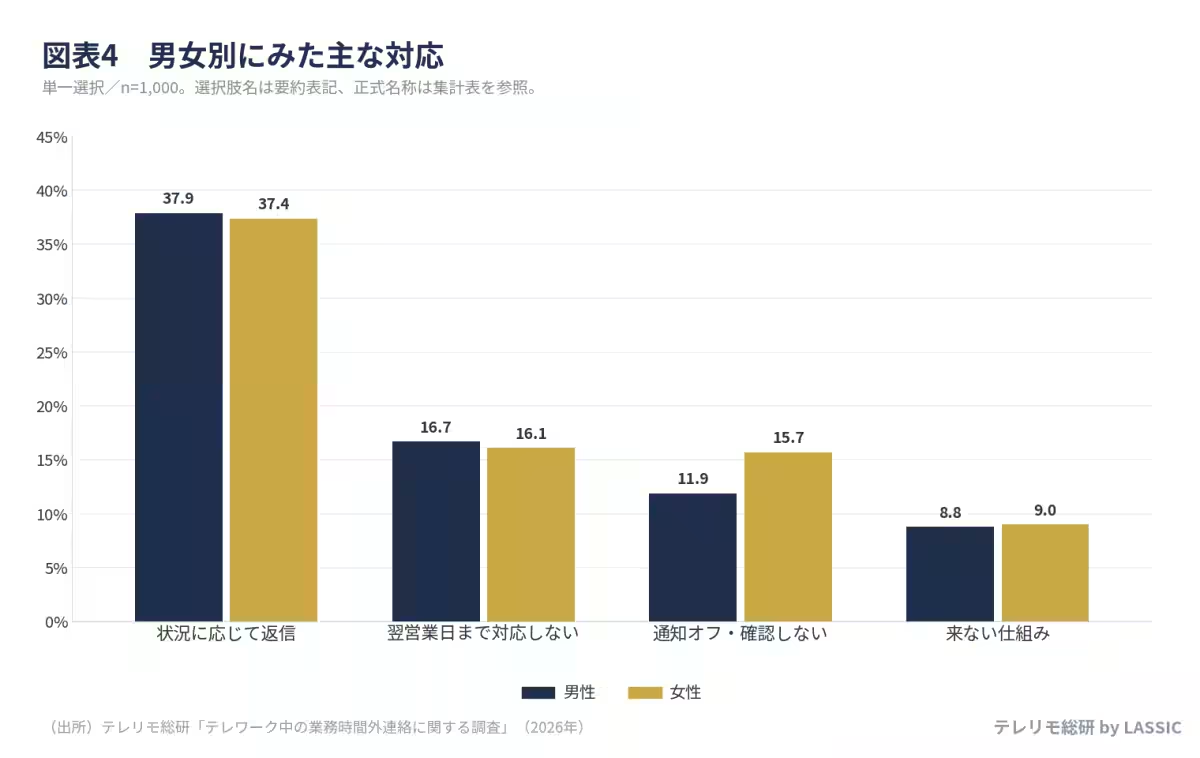
Overall gender differences in responses were minor. Men and women displayed nearly identical tendencies in handling after-hours contacts, although women were slightly more inclined to turn off notifications by 3.8 points. It indicates a nuanced understanding that women might seek clearer boundaries for their after-hours availability.
Conclusion
The data reflects an evolving workplace environment where communication patterns are shaped by generational attitudes and the nature of work arrangements. With older workers more responsive to after-hours communication and hybrid workers leaning towards striking a balance, organizations need to consider these factors when developing policies surrounding after-hours correspondences.
To delve deeper into the study and explore further insights, check out LASSIC's detailed report available at LASSIC Research.
For media outlets wishing to access comprehensive data from this survey, LASSIC offers free access under certain conditions, facilitating a broader understanding of work patterns emerging with the rise of telework.
About LASSIC
Founded in 2006 in Tottori, Japan, LASSIC aims to lead the remote work era by providing specialized services for freelancers in the IT sector and advocating for fewer boundaries in work structures. Learn more about their mission at LASSIC.


Topics People & Culture)

【About Using Articles】
You can freely use the title and article content by linking to the page where the article is posted.
※ Images cannot be used.
【About Links】
Links are free to use.