



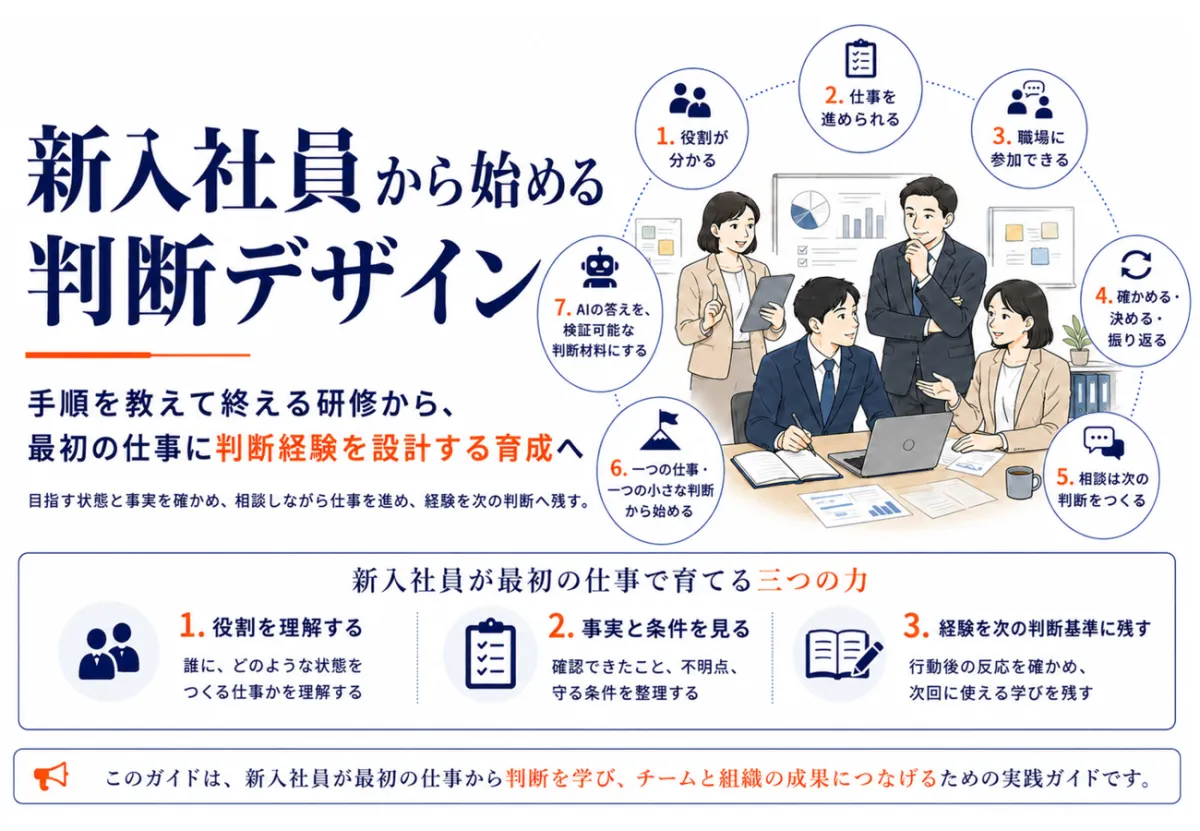
Transforming New Employee Training: From Procedure-Based to Experience-Based Learning
Transforming New Employee Training: A Shift in Perspective
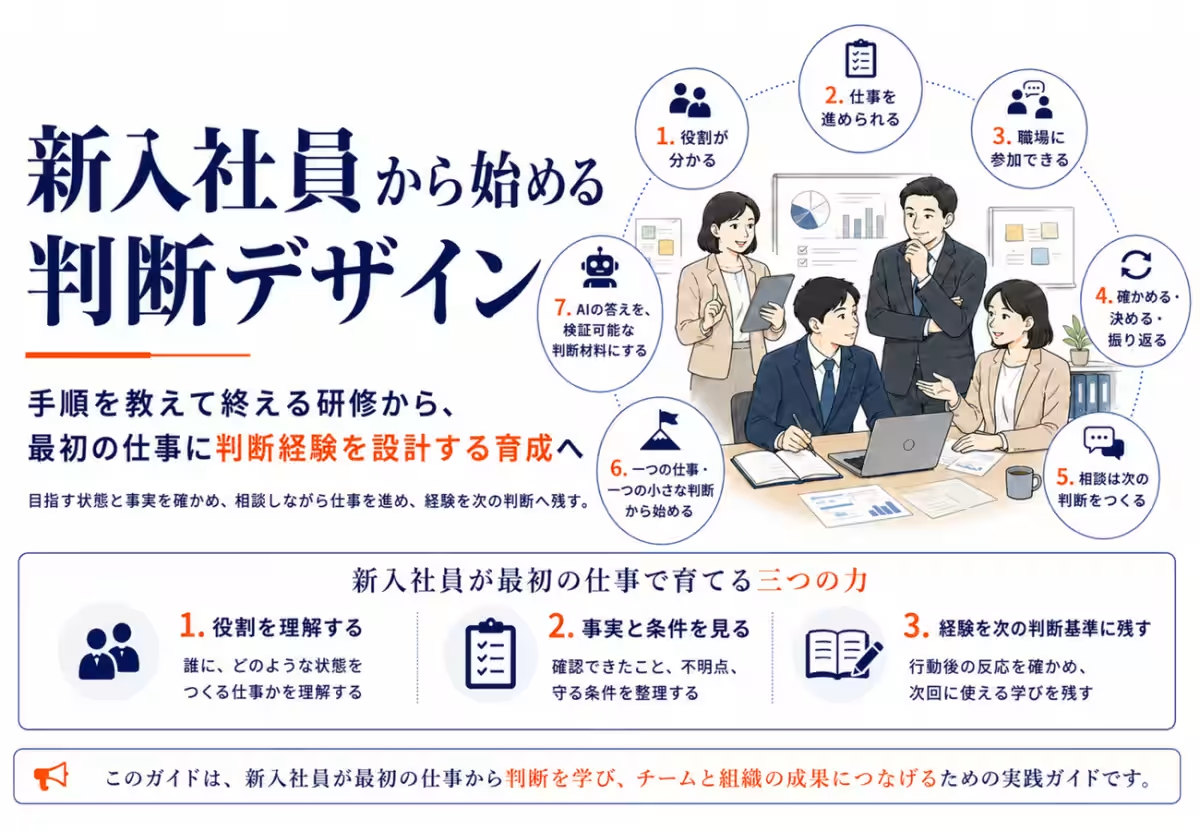
In today's dynamic workplace, traditional methods of training new employees are being re-evaluated. Request Co., Ltd, a leader in organizational behavior science, has published a ten-page resource titled "Starting with New Employees: Decision Design." This aims to transition new employee training from simply teaching procedures to fostering decision-making skills through actual job experiences.
The Essence of Decision-Making Training
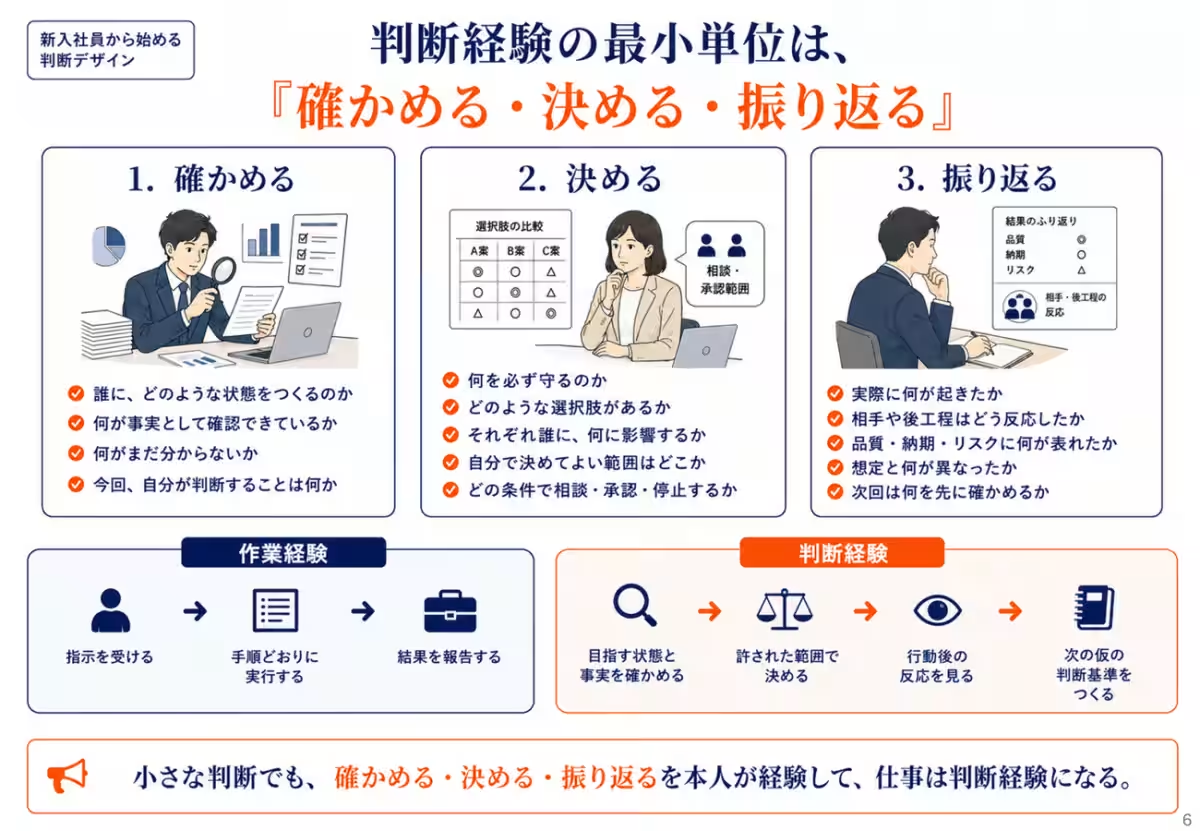
The focus of this training resource is not to burden new employees with high-stakes decision-making responsibilities immediately. Instead, it encourages them to learn through incremental choices integrated into their initial tasks. Key questions for new employees include:
- - What should I verify before proceeding?
- - To what extent can I make decisions independently?
- - When should I seek advice from others?
- - What reflections should I consider after taking action?
This approach allows new hires to gain judgment experience early on, promoting a hands-on learning environment where they can develop their decision-making capabilities.
The Reality of Work After Training
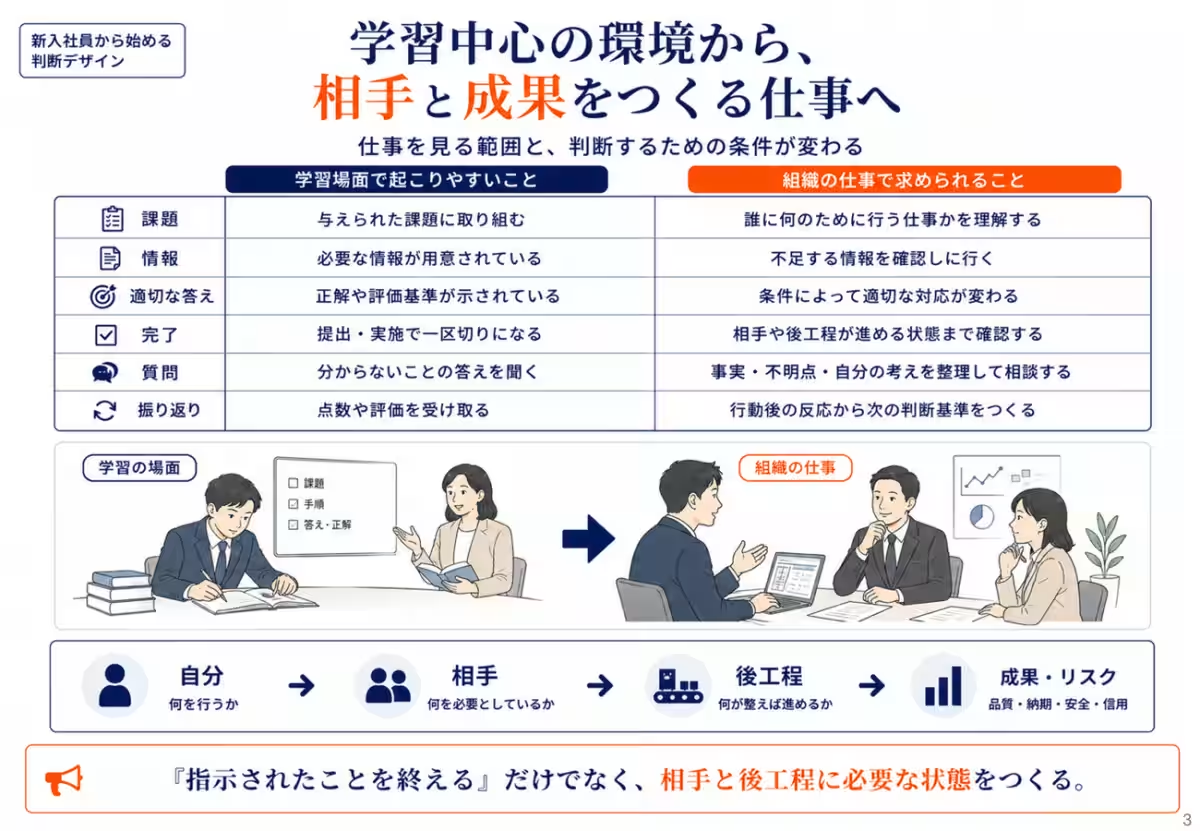
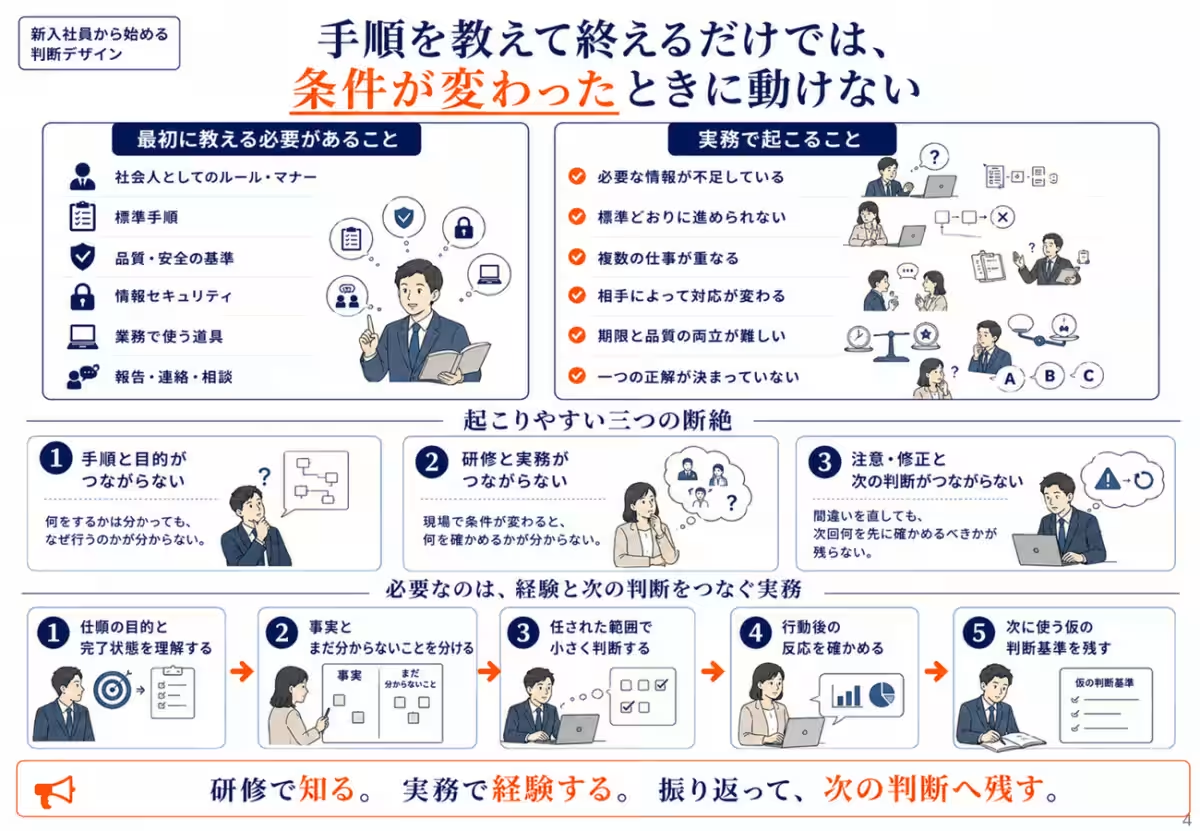
New employee training typically covers essential workplace skills, including communication, security practices, and job-specific knowledge. However, the real workplace rarely mirrors the training conditions, leading to challenges such as:
- - Insufficient information
- - Overlapping responsibilities
- - Variable requirements depending on colleagues
- - Altered deadlines and conditions
- - Inability to follow standard procedures
In such situations, merely recalling procedures may impede decision-making. Consequently, the crucial skill for new employees is discernment — understanding what to verify in a given moment.
Moving Beyond Basic Expectations
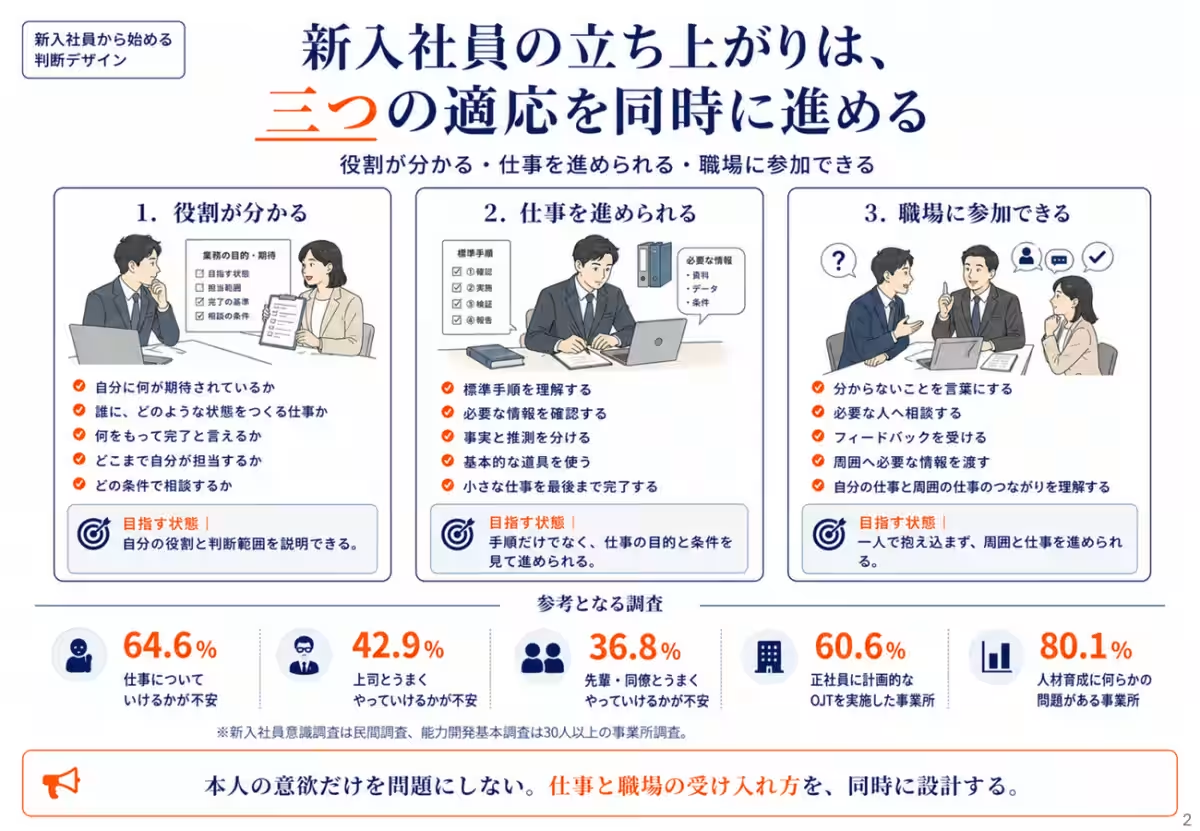
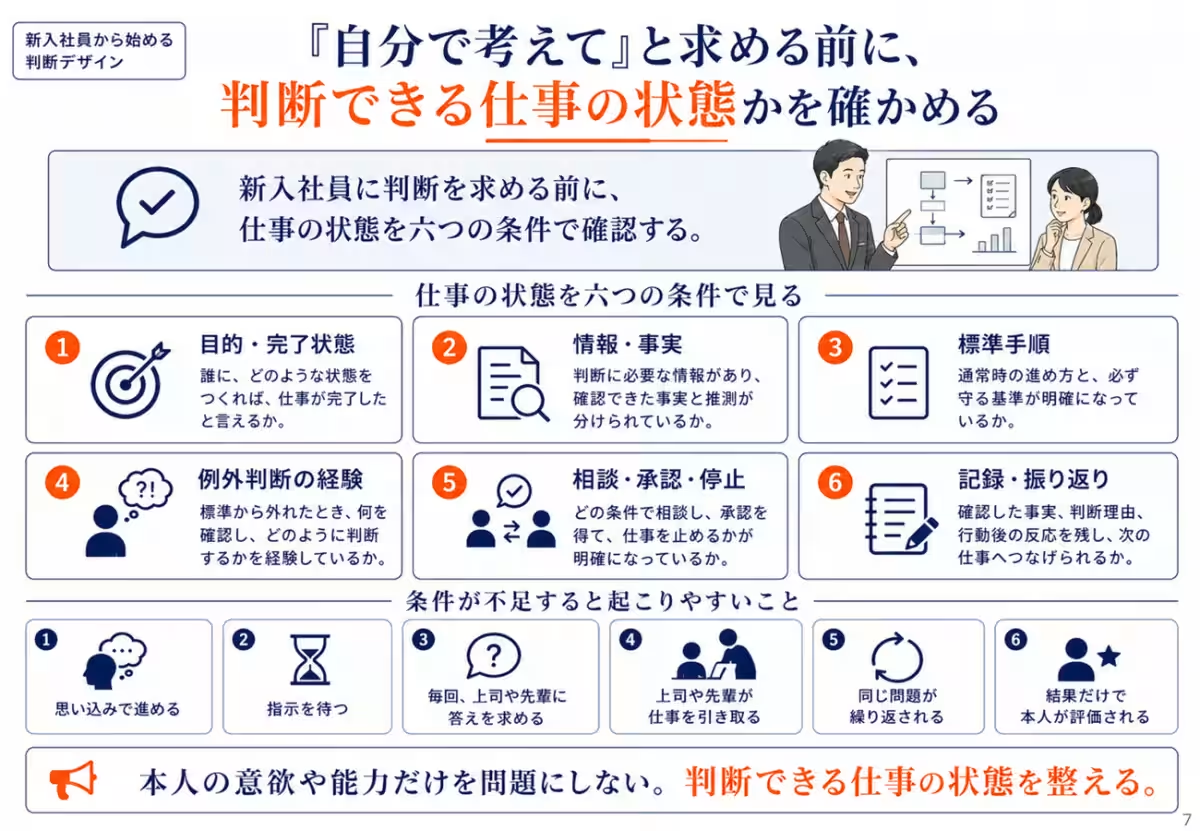
Managers often express frustration at new hires' reliance on them for answers, urging them to think critically before approaching for guidance. Viewing this solely as a lack of initiative overlooks the essential conditions for effective decision-making. For new employees to think for themselves, they must grasp:
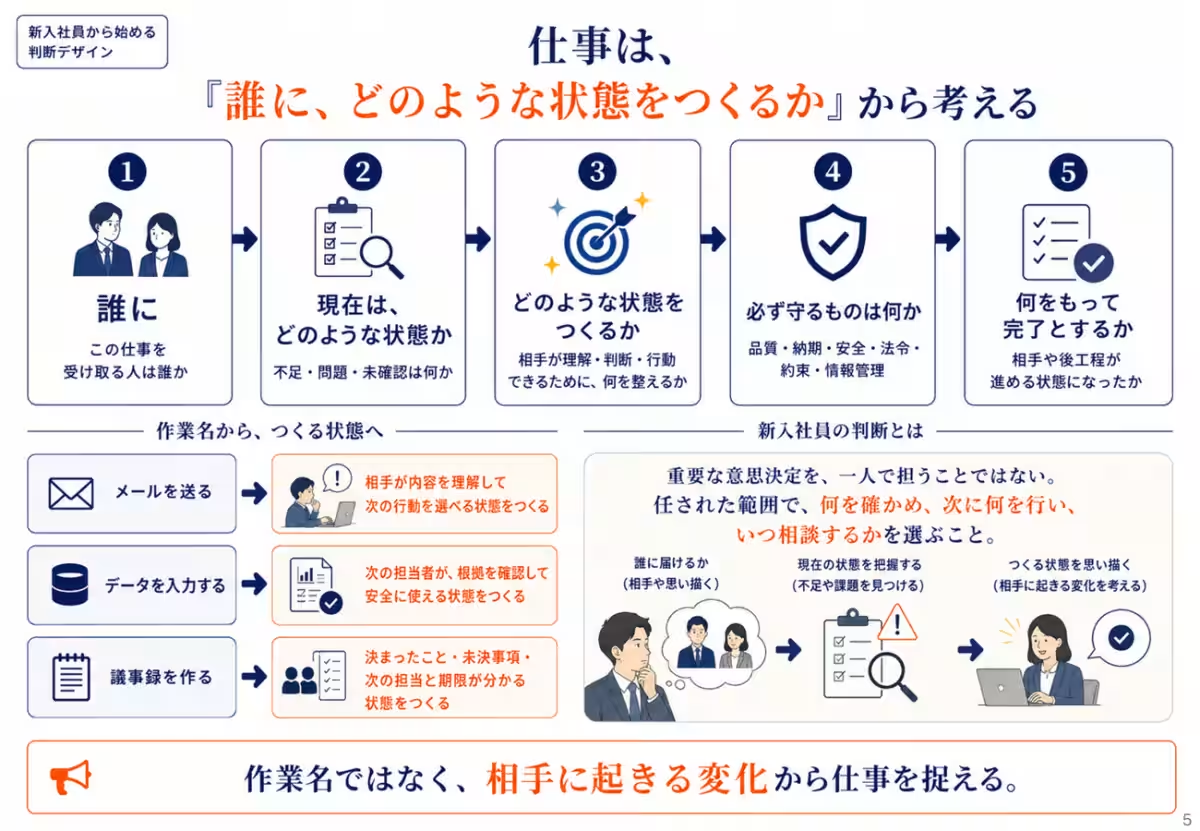
- - The objectives of their tasks
- - The information they need
- - Limits of their decision-making authority
- - Non-negotiable standards they must uphold
- - Appropriate moments to seek assistance
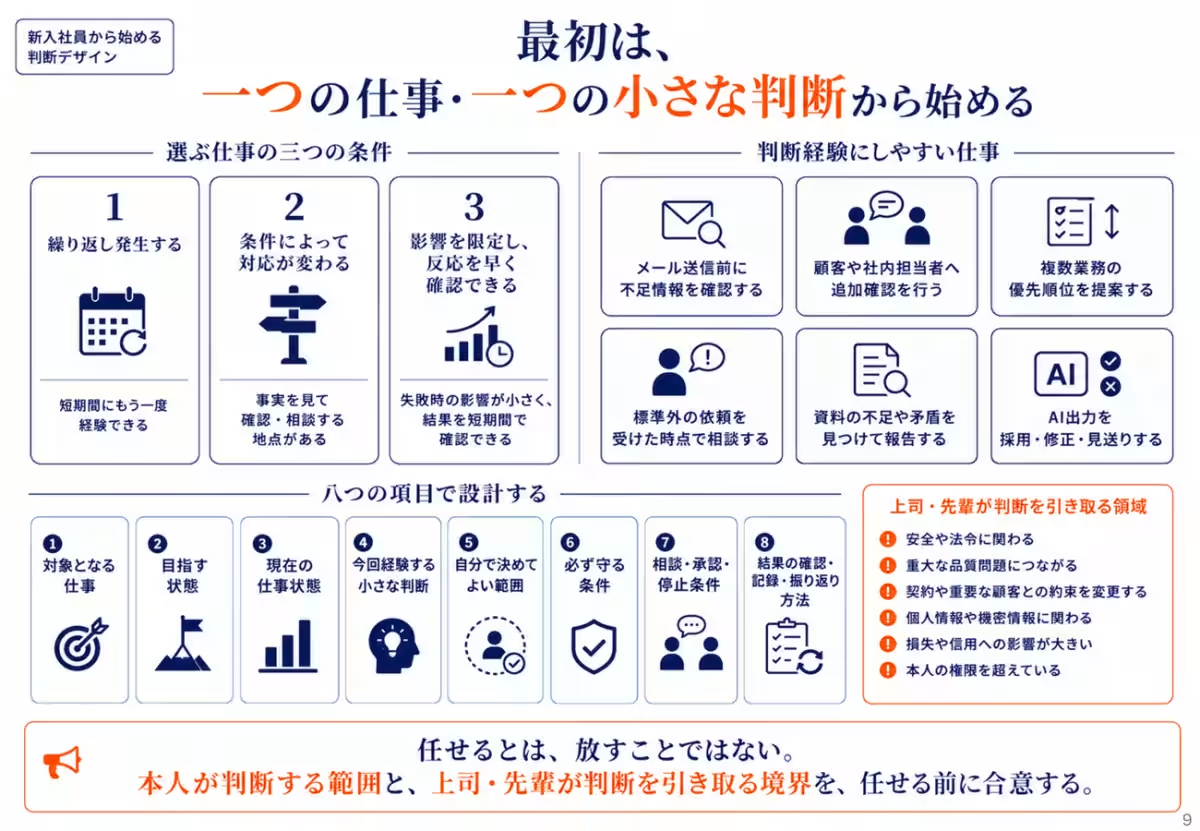
Small Decisions Matter
When discussing decision-making with new employees, concerns may arise about overburdening inexperienced individuals. However, the essence of encouraging judgment among new hires is not about leaving them to make colossal decisions. Instead, it focuses on smaller, essential choices that are crucial for workplace safety and effectiveness, such as:
- - Clarifying gaps in their information
- - Choosing not to proceed without understanding and seeking aid
- - Bringing personal proposals to consultations
- - Identifying deviations from standard procedures and halting work if necessary
- - Reflecting on the responses they receive from colleagues or clients
The important aspect is to clearly delineate areas where new hires are expected to make judgments and where those responsibilities shift to their supervisors or experienced colleagues.
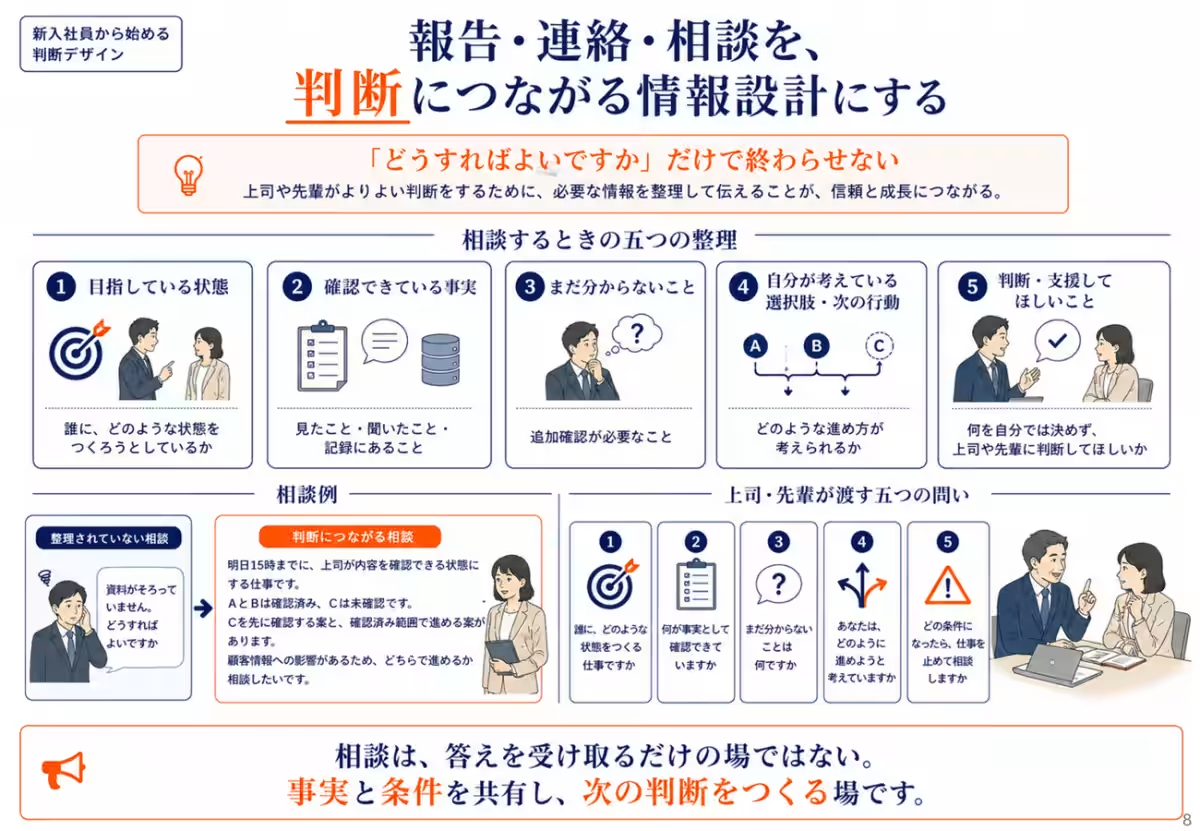
Rethinking Reporting, Communication, and Consultation
Traditional views of reporting and consultation emphasize final answers directly from supervisors. However, if these processes become limiting, with new hires constantly seeking immediate answers, they miss the opportunity to engage in meaningful dialogue about shared facts and conditions necessary for informed decision-making.
Thus, re-defining reporting, communication, and consultation as a collaborative act of sharing facts and conditions is essential. Building an active dialogue between new hires and mentors fosters a culture of independent thought along with necessary guidance.
Beyond Just Independence
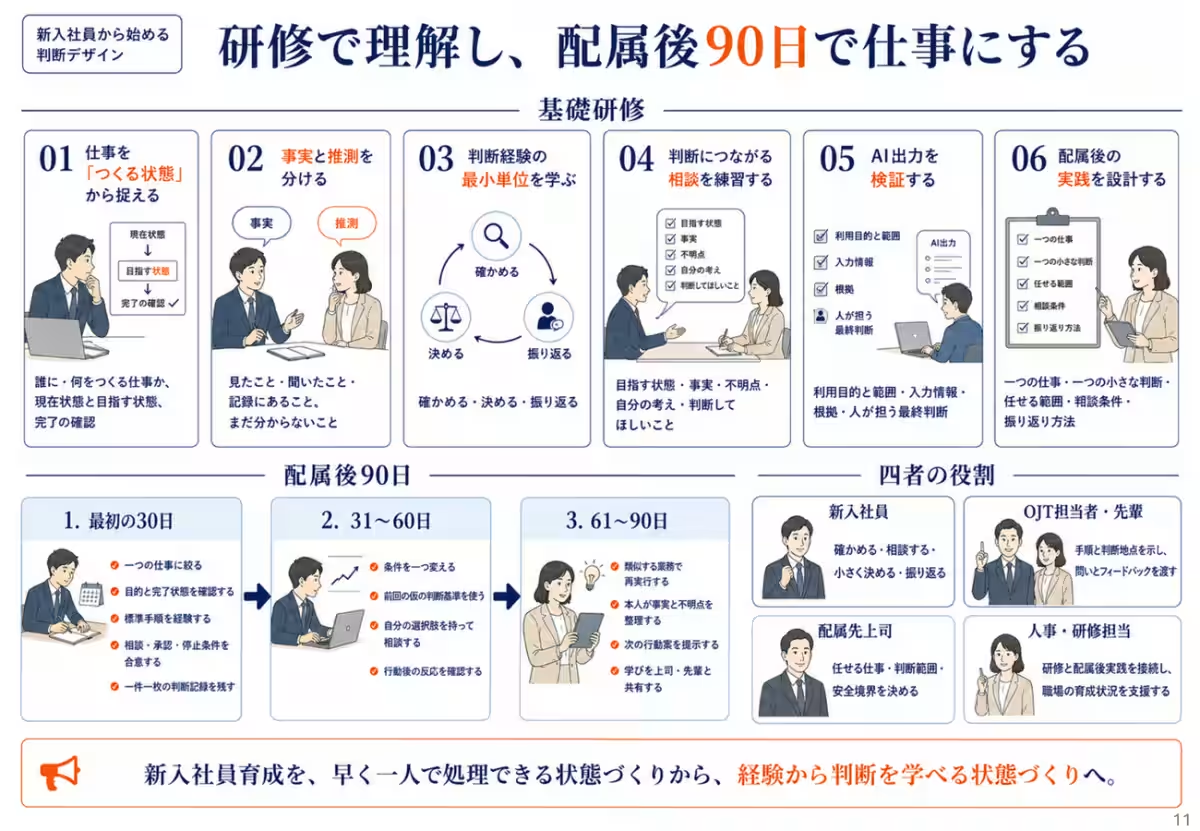
In new employee training, there's a common goal to facilitate early integration and autonomy. However, if the only target is to create self-sufficient workers without ensuring they learn how to navigate uncertainty, valuable lessons may be missed. Training should aim to cultivate the ability to:
- - Verify information
- - Articulate uncertainties
- - Make small decisions within assigned parameters
- - Seek assistance correctly
- - Observe outcomes during and after actions taken
Accumulating these small experiences develops individuals who can make informed judgments in their work.
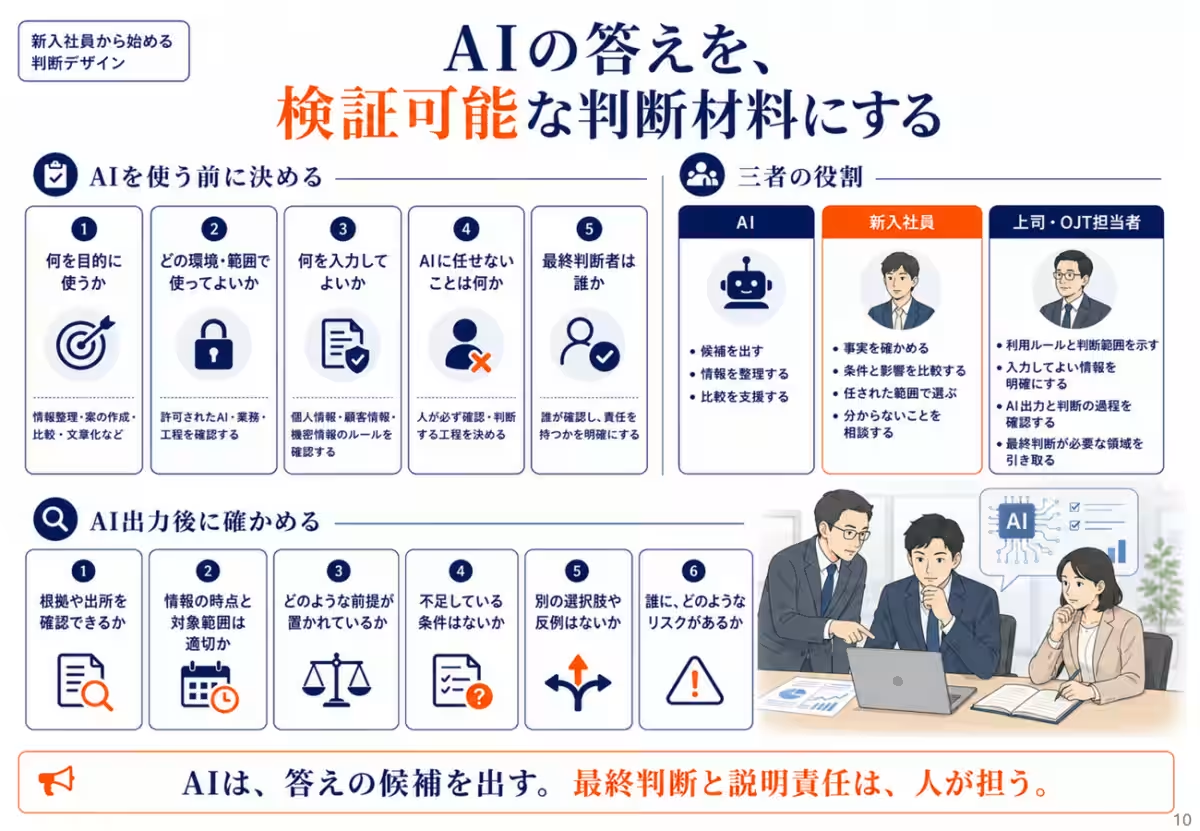
Adapting to an AI World
With the rise of generative AI, it is essential that new employees not only develop their ability to use such technologies but also learn to assess AI-generated outputs critically. It’s integral that employees can gauge:
- - What factual information is verified
- - Any underlying assumptions present
- - If there are missing considerations
- - Possible impacts on others
- - Ultimately, who is accountable for the final decision
AI enhances the decision-making process, contributing to a more clarified space where human judgment is essential.
The Role of Continuous Learning
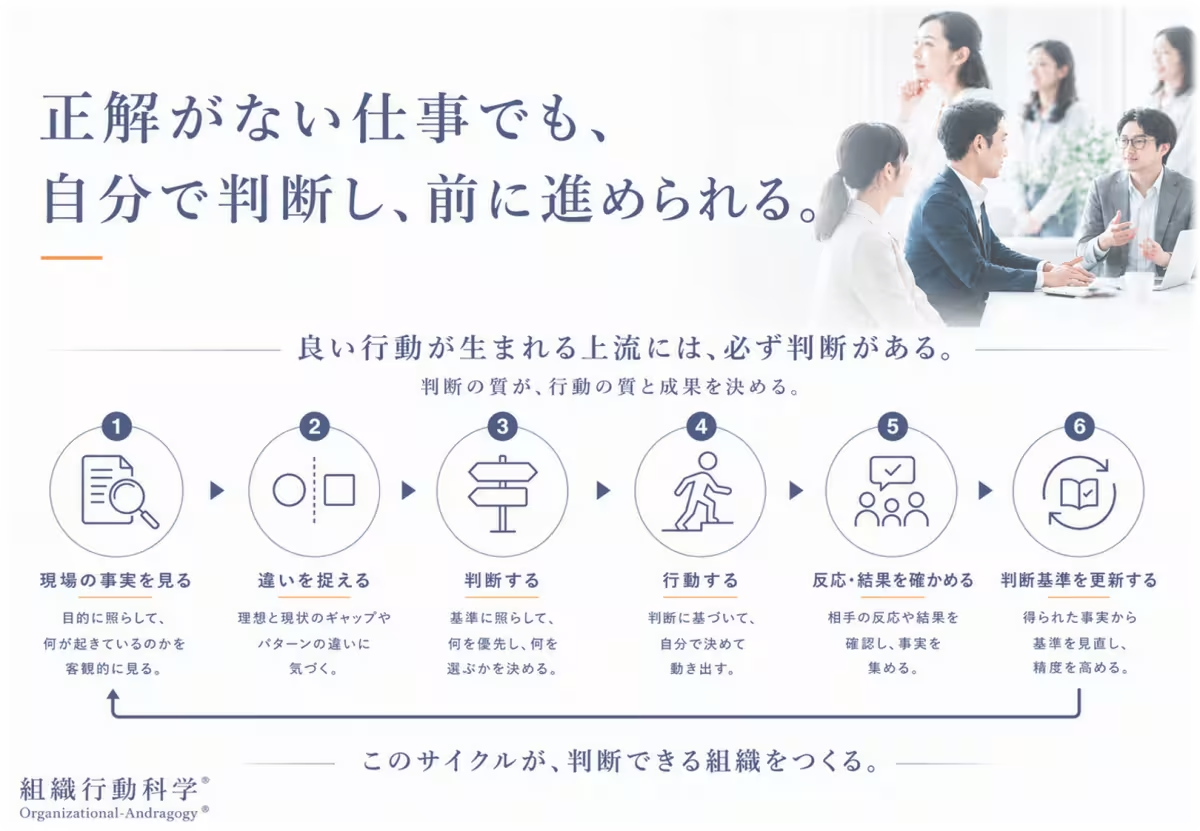
Ultimately, the training provided to new hires should not stop after initial onboarding. Effective decision-making is a skill honed through experience within the workplace. New hires should view their training as a stepping stone, leading to a continuous cycle of doing, reflecting, and refining.
The publication "Starting with New Employees: Decision Design" serves as a vital resource for organizations dedicated to reshaping their employee experiences by fostering decision-making and critical thinking across various stages of development, not just during training sessions. This engages managers, trainers, and new hires in a cohesive effort to craft an environment that empowers individuals to excel in their roles through informed, decisive actions.

Topics People & Culture)



【About Using Articles】
You can freely use the title and article content by linking to the page where the article is posted.
※ Images cannot be used.
【About Links】
Links are free to use.